

P2407 on 2013-2017 Volkswagen Beetle: Leak Detection Pump Circuit Fault Causes and Fixes
P2407 on a VW Beetle indicates an intermittent or erratic signal from the EVAP Leak Detection Pump (LDP) sense circuit. The most common fix is replacing the LDP assembly (Part No. 1K0 906 253 A), located in the rear passenger wheel well. Before replacing, inspect the connector for corrosion. Expect to pay $150-$250 for an OEM-quality part.
- P2407 means the sensor in your EVAP Leak Detection Pump is sending an erratic signal, not that you have a confirmed fuel leak.
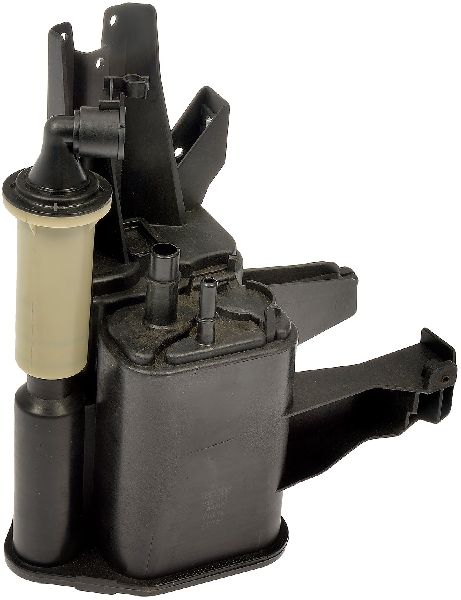
- The most probable cause is a failed Leak Detection Pump (LDP) assembly, OEM part number 1K0 906 253 A.
- Before buying parts, perform a quick visual inspection of the wiring and connector at the pump, located in the rear passenger wheel well, checking for corrosion.
- This is a DIY-friendly repair for those comfortable with basic tools, and it will not impact the way your car drives.
- Resolving this issue is necessary to pass an emissions test.
What's Unique About the 2013-2017 Volkswagen BEETLE

On this generation of Volkswagen (A5/PQ35 platform), the Leak Detection Pump (LDP) is a very common failure point. While wiring can be a cause, the pump assembly, which contains the problematic internal reed switch, is frequently the root of the issue. Volkswagen has issued Technical Service Bulletins (TSBs) acknowledging customer complaints of a check engine light with code P2407 for this vehicle platform, indicating it's a well-documented problem. The issue is also prevalent on platform mates like the Jetta and Golf.
Diagnostic Flowchart
Tap your situation to follow the diagnostic path that matches what you're seeing on this vehicle.
Symptoms You May Notice
- Check Engine Light is illuminated.
- Inability to pass an emissions inspection due to the EVAP monitor not being 'Ready'.
- A faint fuel or gasoline vapor smell may be noticeable near the rear of the car, though this is less common.
- Replacing the gas cap. While a bad gas cap can cause other EVAP codes (like for a small leak), it does not cause a P2407 circuit code.
- Replacing the EVAP purge valve (N80 valve). This valve is part of the EVAP system but is located in the engine bay and a failure would set different trouble codes, typically related to purge flow.
Most Likely Causes

- Faulty Leak Detection Pump (LDP) 🔴 High Probability The internal sensor (a magnetic reed switch) within the LDP assembly is a known high-failure item on many VW models of this era. The pump is exposed to fuel vapors internally and located in the wheel well, subjecting it to external moisture and road debris, leading to premature failure.
How to confirm: After visually inspecting the wiring, use a capable scan tool (like VCDS) to run an output test on the LDP. If the pump fails the test or the sensor signal remains erratic, the LDP is the culprit. For a DIYer without advanced tools, replacing the part after ruling out obvious wiring damage is a practical diagnostic step. A bench test with a vacuum source and power can also confirm failure.
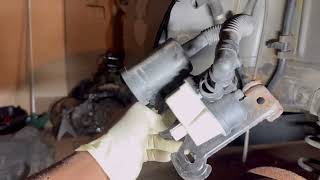
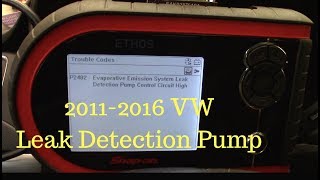
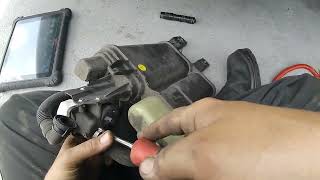
Typical fix: Replace the entire Leak Detection Pump assembly. 🎬 Watch: A step-by-step walkthrough of the pump replacement process. The pump is sold as a complete unit with the integrated sensor. The common OEM part number is 1K0 906 253 A, with Bosch part number 0 261 222 021 being a direct equivalent.
Est. part cost: $150-$250 - Damaged Wiring or Corroded Connector 🟡 Medium Probability The LDP is located in the rear passenger wheel well, exposing its wiring harness and connector to road salt, water, and physical damage from road debris. This environment is highly conducive to corrosion ('green crusties') on the connector pins, causing an intermittent signal.
How to confirm: Visually inspect the entire length of the wiring harness from the LDP to where it enters the vehicle body. Unplug the connector and check for green or white corrosion, bent pins, or frayed wires. Use a multimeter to check for continuity and proper voltage at the connector.
Typical fix: Clean the connector terminals with electrical contact cleaner. If corrosion is severe, the connector pigtail may need to be cut out and replaced. Damaged sections of wire should be spliced and sealed with heat-shrink tubing.
Est. part cost: $10-$50
Rare But Worth Checking
- Poor Ground Connection: The EVAP pump may share a ground with other components near the fuel tank. A loose or corroded ground strap can create a floating reference voltage, causing the PCM to read spurious signals and trigger the P2407 code. This should be checked before condemning the PCM.
- Powertrain Control Module (PCM) Fault: This is extremely rare. Before considering PCM replacement, all other possibilities, especially the LDP, its wiring, and ground connection, must be exhaustively ruled out by a professional.
Diagnosis Steps
- Read the code with an OBD-II scanner to confirm P2407 is the primary code.
- Safely raise and support the rear of the vehicle. Remove the passenger-side rear wheel.
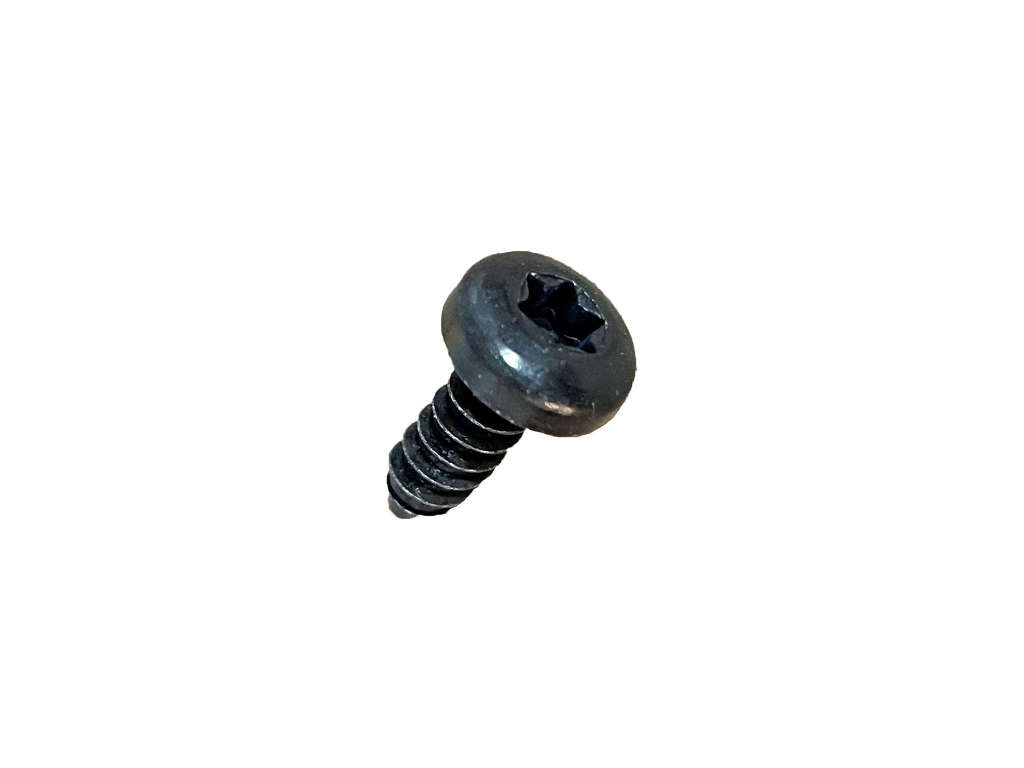
- Remove the screws (often Torx T25) holding the felt wheel well liner to gain access to the EVAP system components.
- Locate the Leak Detection Pump (LDP). It's a black, plastic pump with several hoses and an electrical connector, mounted to the charcoal canister bracket.
- Disconnect the electrical connector and meticulously inspect the pins on both the pump and the harness side for any signs of corrosion (green/white powder), moisture, or damage.
- If the connector is clean, trace the wiring harness as far as possible, looking for chafing, breaks, or rodent damage.
- If wiring looks good, use a capable scanner to command an EVAP system test or LDP output test. Monitor the LDP sense circuit data. Erratic readings strongly suggest a faulty pump.
- If the LDP is suspected, replacement is the next step. Disconnect the hoses (some may have pinch clamps) and electrical connector. Unbolt the pump (typically 10mm nuts) from its bracket and install the new one.
- Reassemble everything, clear the code with your scanner, and perform a complete drive cycle to allow the EVAP monitor to run and confirm the fix.
Parts You'll Likely Need

- EVAP Leak Detection Pump
(OEM #1K0 906 253 A)— This is the most common cause of a P2407 code. The internal sensor that fails is integrated 🎬 Watch: This video shows how to replace the leak detection pump. into the pump assembly, requiring the entire unit to be replaced.
Trusted brands: Bosch (OEM supplier), Dorman
OEM price range: $200-$275
Aftermarket price range: $150-$220 - LDP Connector Pigtail — If the original connector is heavily corroded, cleaning may not be sufficient. Replacing the pigtail ensures a solid electrical connection.
Trusted brands: Dorman, Uro Parts
OEM price range: $25-$40
Aftermarket price range: $15-$30
Related Codes That Often Appear With This One
- P0442 — P0442 indicates a small EVAP leak. The system may log this code if the faulty LDP sensor prevents it from correctly sealing and testing the system, leading the PCM to incorrectly assume a leak exists. The provided TSB VIN4APIN20200728 and VIN4APIN20200720 mention this code alongside P2407.
- P2450 — This code relates to the EVAP System Switching Valve Performance. A Reddit user with a 2014 VW GLI reported having both P2407 and P2450, and fixed both by replacing the leak detection pump, suggesting a diagnostic link between the two components.
Technical Service Bulletins (TSBs) & Recalls
- VIN4APIN20200803: Notes customer states 'MIL-on with P2407'.
- VIN4APIN20200728: Notes customer states 'MIL-on with P2407'.
- VIN4APIN20200720: Notes customer states 'MIL-on with P2407'.
- Audi TSB 2071770/5: While for newer Audis, it indicates that P2407 can be triggered by overly sensitive software, which may be relevant context for the broader VW family.
Platform-Specific Known Issues
- As documented in VW Technical Service Bulletins, customer complaints of a 'MIL-on with P2407' have been recorded for 2013 models, confirming this is a known issue to the manufacturer. (Source: Bulletin #VIN4APIN20200803, #VIN4APIN20200728, #VIN4APIN20200720). These TSBs are general diagnostic aids listing multiple potential codes and do not offer a specific repair procedure for P2407 alone.
- A TSB for newer Audi models (2071770/5) with P2407 notes that overly sensitive OBD diagnostics could be the cause, addressed by a software update. While not directly applicable to this Beetle, it shows a history of software-related sensitivity for this code in the VW/Audi family.
Mechanic-Grade Diagnostic Values
- LDP Sense Circuit Voltage — expected: A stable voltage signal that changes state cleanly when the pump is activated.. Failure: Voltage that is jumping around wildly, or cutting in and out intermittently.
- LDP Solenoid Power Supply — expected: Approximately 14.6 volts with the engine running.. Failure: No voltage or significantly lower voltage, indicating a power supply issue upstream of the pump.
- LDP Ground Control — expected: A pulse-width modulated (PWM) ground signal from the PCM when the pump is active.. Failure: A constant ground or no ground signal when the pump should be active, pointing to a PCM or wiring fault.
Scan Tool Commands That Help

- VCDS (VAG-COM): Basic Settings - Group 070 (Tank Leakage Test) — To initiate a full EVAP system self-test. The tool will command the LDP to run and monitor the system. During the test, you can observe the reed switch status (open/closed) in the measuring blocks to see if it's functioning correctly or sticking.
- VCDS (VAG-COM) or other bidirectional scanner: Output Test for Leak Detection Pump (LDP) — This allows you to manually activate the LDP solenoid. While commanding it 'ON' and 'OFF', you can listen for the pump clicking and watch the live data for the sense circuit voltage to see if it responds correctly or remains erratic.
Wiring & Ground Locations
- G663 — Located in the right rear quarterpanel area.. This is a primary ground point in the vicinity of the LDP and charcoal canister. A corroded or loose connection at G663 could cause an unstable ground reference for the LDP, leading to the erratic sense circuit behavior of P2407.
- LDP Connector — Connected directly to the Leak Detection Pump in the right rear wheel well.. This is the most common point of failure due to corrosion from road spray. The pins for power, ground, and the sense circuit signal are all located here, and any degradation can cause P2407.
Real Owner Repair Stories
- MBWorld.org Forums (Mercedes-Benz (demonstrates a similar LDP system issue)) — P2407 code, initially pending, then with a Check Engine Light. Also reported intermittent loss of exhaust 'pops and crackles' which returned when the code was cleared.
❌ Tried (didn't work) Replaced the Leak Detection Pump and Charcoal Canister (worked for a couple of weeks, then the code returned)., Dealer replaced the LDP and Canister again under warranty., Dealer checked the Ohms on the wiring to the pump (found no problems)., Dealer updated the ECU software to adjust tolerances for the new LDP.
✅ What actually fixed it The user's issue was unresolved in the thread even after multiple part replacements and a software update, highlighting that P2407 can sometimes be a complex electrical or software issue beyond a simple part swap. The problem occurred both with and without an aftermarket ECU tune.
OEM Part Supersession History
8K0-906-253-A / C / E / J / L→8K0-906-253-N— Part revision and improvement by the manufacturer.
Heads up: This supersession chain is for a similar Audi LDP. While the Beetle uses a 1K0 part number, the revision history of the 8K0 part shows a common pattern of VW/Audi updating these pumps over time. It is crucial to verify the exact part number for the specific vehicle VIN, but this indicates that newer revisions may be available and more reliable.
Helpful Videos
Used OEM Parts in Stock
New Aftermarket Parts Available


The information in this article is provided for general reference and educational purposes only. Vehicle specifications, procedures, and part compatibility can vary by production date, trim level, and region. Always consult your vehicle's factory service manual and verify part numbers before purchasing or performing repairs. Safety-critical components such as airbags, seat belts, and braking systems should be installed by a qualified professional.
- Volkswagen BEETLE:
- 🎬 Helpful Videos
- 🛍️ Shop This Part
- What's Unique About the 2013-2017 Volkswagen BEETLE
- Diagnostic Flowchart
- Symptoms You May Notice
- Most Likely Causes
- Rare But Worth Checking
- Diagnosis Steps
- Parts You'll Likely Need
- Related Codes That Often Appear With This One
- Technical Service Bulletins (TSBs) & Recalls
- Platform-Specific Known Issues
- Mechanic-Grade Diagnostic Values
- Scan Tool Commands That Help
- Wiring & Ground Locations
- Real Owner Repair Stories
- OEM Part Supersession History
- 🎟️ Get 5% Off