

P2403 on 2010-2015 Jaguar XJ: EVAP Leak Detection Pump Circuit Fault Causes and Fixes
On a 2010-2015 Jaguar XJ, code P2403 is almost always caused by water and road debris damaging the EVAP leak detection pump or its electrical connector. The most common fix is replacing the pump, which is located in the right-rear wheel well area, behind the arch liner. Expect to pay $50-$100 for an aftermarket part and around one hour of labor.
- P2403 on a 2010-2015 Jaguar XJ is most likely not a random failure, but a pattern issue caused by water damaging the EVAP leak detection pump.
- Before buying any parts, visually inspect the pump and its connector (behind the right-rear wheel well liner) for corrosion, which is a strong indicator of the problem.
- The repair is straightforward for a DIYer with basic tools and involves replacing the pump, a job that can take less than an hour once the wheel is removed.
What's Unique About the 2010-2015 Jaguar XJ
For this specific generation of Jaguar XJ (X351), the leak detection pump (also called a DMTL pump) and its connector are in a location highly susceptible to damage from the elements. Jaguar issued Technical Service Bulletins (TSBs) stating that the direct cause of P2403 is often "water/ice, caused by spray from the road tires, becoming trapped within the Diagnostic Module Tank Leakage (DMTL) pump filter". This water ingress leads to corrosion and failure of the pump's electrical components, making it a well-documented pattern failure on this platform.
Diagnostic Flowchart
Tap your situation to follow the diagnostic path that matches what you're seeing on this vehicle.
Symptoms You May Notice
- Check Engine Light is illuminated.
- Failure to pass an emissions test.
- A faint fuel smell may be noticeable near the rear of the vehicle in some cases.
- In rare cases, difficulty refueling where the pump clicks off repeatedly, though this is more common when other EVAP system components fail in conjunction with the pump.
- Replacing the gas cap. While a faulty gas cap can cause other EVAP codes (like P0455 for a large leak), it does not cause a circuit fault code like P2403.
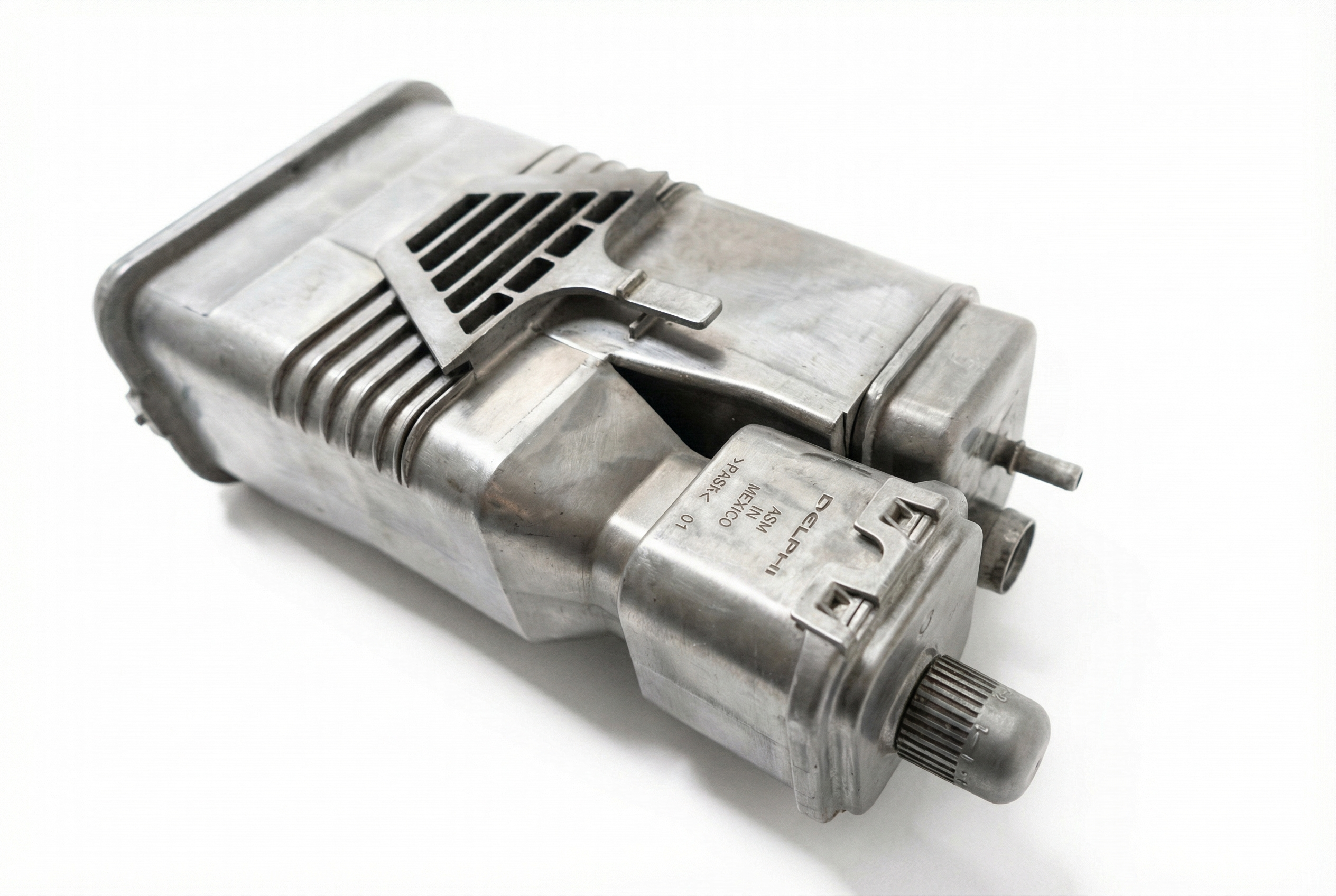
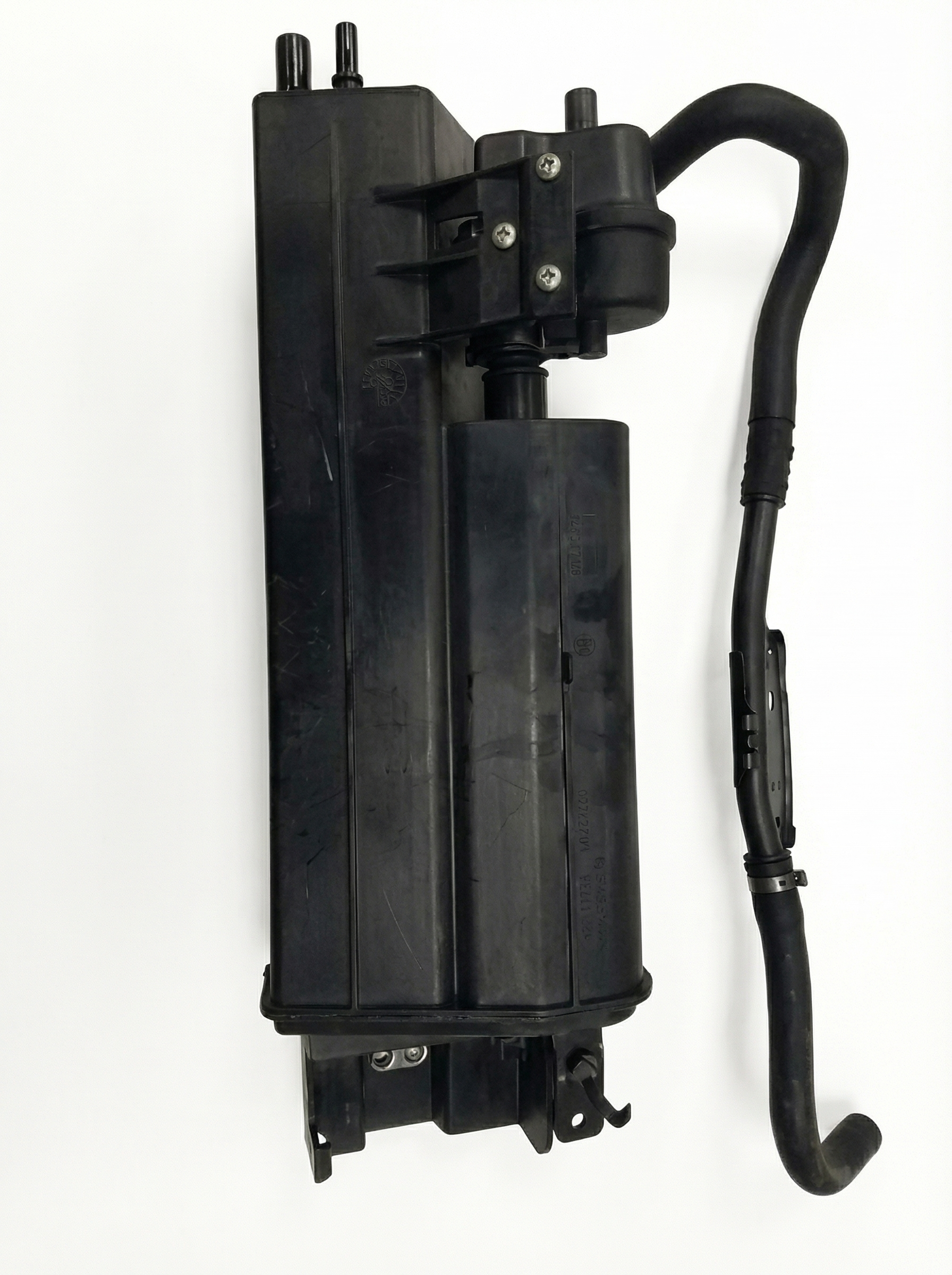
- Replacing the charcoal canister. The canister itself is a passive component; a failure here would typically set a leak or flow code, not a pump circuit code. However, in some severe cases with multiple codes, a dealer may replace the canister, pump, and filler neck as a complete assembly.
Most Likely Causes
- Water/Ice Damage to Leak Detection Pump or Connector 🔴 High Probability As documented in Jaguar TSBs JTB00436NAS1 and JTB00436NAS2, the pump is located where it is exposed to road spray from the tires, leading to corrosion and electrical faults. Forum users have confirmed finding "green corroded gunk" on the connector pins upon inspection.
How to confirm: Visually inspect the leak detection pump and its electrical connector for signs of water intrusion, green or white corrosion, or physical damage. The pump is located behind the right-rear wheel arch liner. You will need to remove the wheel and liner for access.
Typical fix: Replace the leak detection pump. If the connector is corroded, it must be cleaned thoroughly with electrical contact cleaner. In severe cases, the connector pigtail may need to be replaced. Jaguar does not sell the connector separately from the main wiring harness, so a replacement would need to be sourced from a junkyard or a compatible Ford/Bosch part.
Est. part cost: $50 - $150 - Failed Leak Detection Pump 🟡 Medium Probability Aside from water damage, the internal motor of the pump can fail over time due to normal wear and tear. The pump is a Bosch unit shared across several manufacturers.
How to confirm: After confirming the wiring is intact and has power/ground, you can test the pump by applying 12V directly to its power and ground terminals to see if it operates. A professional scanner can also attempt to activate the pump.
Typical fix: Replace the leak detection pump. One owner on JaguarForums.com reported the replacement took only 25 minutes once the vehicle was lifted and the wheel was off.
Est. part cost: $50 - $150 - Damaged Wiring ⚪ Low Probability The wiring harness leading to the pump is in an exposed location under the vehicle and can be damaged by road debris or improper lifting.
How to confirm: Perform a continuity test on the wires running from the ECM to the leak detection pump connector to check for breaks or shorts. Check for blown fuses related to the EVAP system.
Typical fix: Repair the damaged section of the wiring harness.
Est. part cost: $5 - $25
Diagnosis Steps
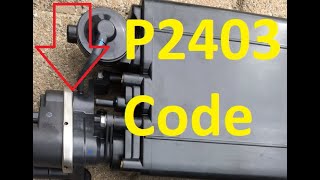
- Read the code with an OBD-II scanner to confirm P2403 is present. 🎬 Watch: A breakdown of P2403 causes and common fixes.
- Lift the vehicle safely and remove the right-rear wheel.
- Remove the wheel arch liner to expose the EVAP system components, including the leak detection pump. The TSB repair procedure specifies a torque of 3Nm for the liner fasteners upon reinstallation.
- Carefully disconnect the electrical connector from the pump. Inspect both the pump side and the harness side for any signs of moisture, corrosion (green or white powder), or bent/broken pins.
- If corrosion is found, this is the likely cause. Clean the connector terminals with an electrical contact cleaner and a small brush. If the corrosion is severe, the pump and/or connector may need replacement.
- If the connector is clean, check the wiring harness for any visible damage, chafing, or breaks.
- Using a multimeter, check for power (approximately 5V DC on the sense line) and ground at the connector with the key on. Refer to a vehicle-specific wiring diagram for correct pinouts.
- If power and ground are present, the leak detection pump itself has likely failed. Replace the pump.
- If power or ground is missing, trace the wiring back toward the ECM to find the break or short in the circuit.
- After repairs, clear the code using the scanner. Drive the vehicle to allow the EVAP monitor to run and confirm the fix. The TSB mentions using the Jaguar SDD system to read and clear codes.
Parts You'll Likely Need
- EVAP Leak Detection Pump
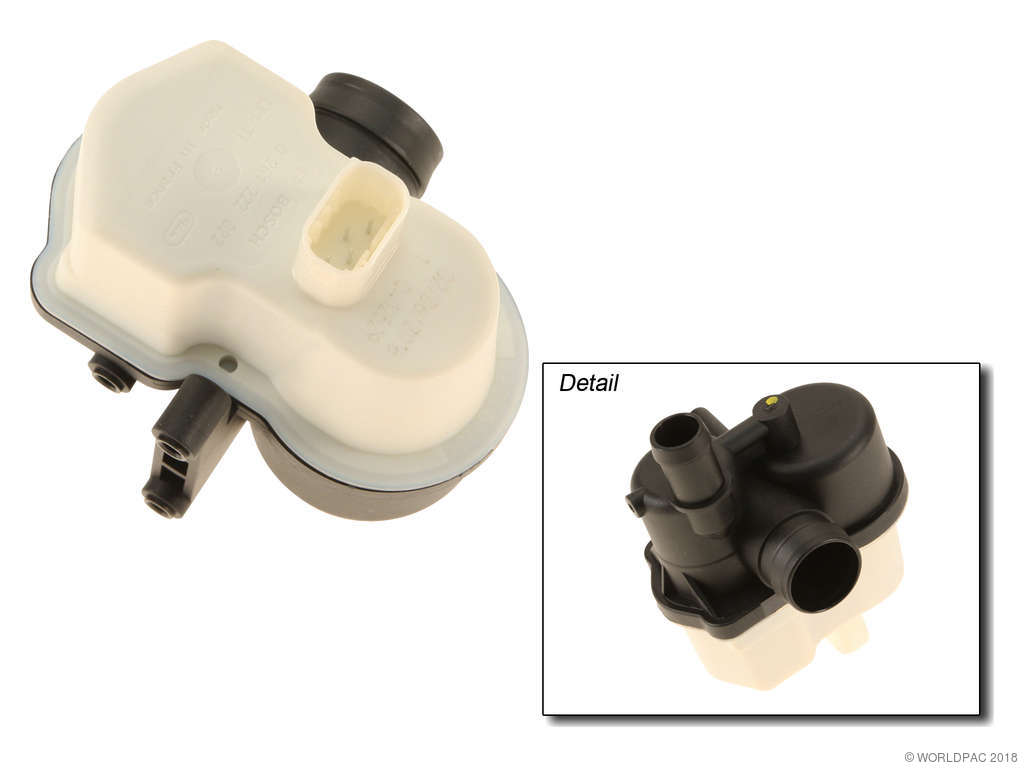
(OEM #C2D3870 (Jaguar), WTR500030 (Land Rover), 02C2S44358 (Jaguar))— This is the component that fails most often, usually due to water intrusion as specified in Jaguar's TSBs. It is also referred to as a DMTL pump.
Trusted brands: Bosch (OEM Supplier), Jaguar (OEM)
OEM price range: $120-$180
Aftermarket price range: $50-$100
Related Codes That Often Appear With This One
- P2401 — Relates to the EVAP leak detection pump control circuit low.
- P2402 — Relates to the EVAP leak detection pump control circuit high.
- P240C — Relates to the EVAP leak detection pump heater control circuit. All these codes are listed in the same Jaguar TSB (JTB00436NAS2) and point to the same component failure due to water ingress.
- P240A — Relates to the EVAP leak detection pump heater control circuit open. Also mentioned in forum discussions alongside the other pump codes.
Technical Service Bulletins (TSBs) & Recalls
- JTB00436NAS2: Lists P2403 as a potential DTC caused by water/ice spray from road tires becoming trapped in the DMTL pump filter.
- JTB00436NAS1: An earlier version of the same bulletin, also citing water/ice spray as the cause for P2403.
Platform-Specific Known Issues
- Jaguar Technical Service Bulletins JTB00436NAS1 and JTB00436NAS2 directly address this code, stating the cause may be 'WATER/ICE, CAUSED BY SPRAY FROM THE ROAD TIRE' affecting the EVAP system components. The TSB outlines a repair that involves replacing the pump and adding protective foam.
- A real-world owner experience on JaguarForums detailed a 2011 XJL with a related code (P240A). The owner found the pump connector full of 'green corroded gunk,' cleaned it, but ultimately fixed the issue by replacing the pump in about 25 minutes.
Mechanic-Grade Diagnostic Values
- Reference voltage at DMTL pump connector sense wire — expected: Approximately 5V DC with key on, engine off. Failure: Absence of voltage may indicate an open circuit in the wiring or a fault in the PCM.
Scan Tool Commands That Help
- Jaguar SDD (Symptom Driven Diagnostics): Evaporative System Diagnostic Test — To have the system differentiate between a physical leak failure and an electrical/hardware fault like P2403. This is the official first step before component replacement, according to Jaguar bulletins.
OEM Part Supersession History
N/A (Original Repair Process)→C2D40532 (Canister), C2D30506 (Filler Pipe), C2D49253 (Protective Foam)— To prevent recurrence of water/ice ingress.
Heads up: Jaguar's official TSB (JTB00436NAS1) for this issue updated the repair procedure. Instead of just replacing the failed pump, the official fix involves replacing the evaporative emission canister, the fuel tank filler pipe, and adding a new piece of protective foam to shield the components from road spray. Simply replacing the pump may lead to a repeat failure.
Helpful Videos
Used OEM Parts in Stock
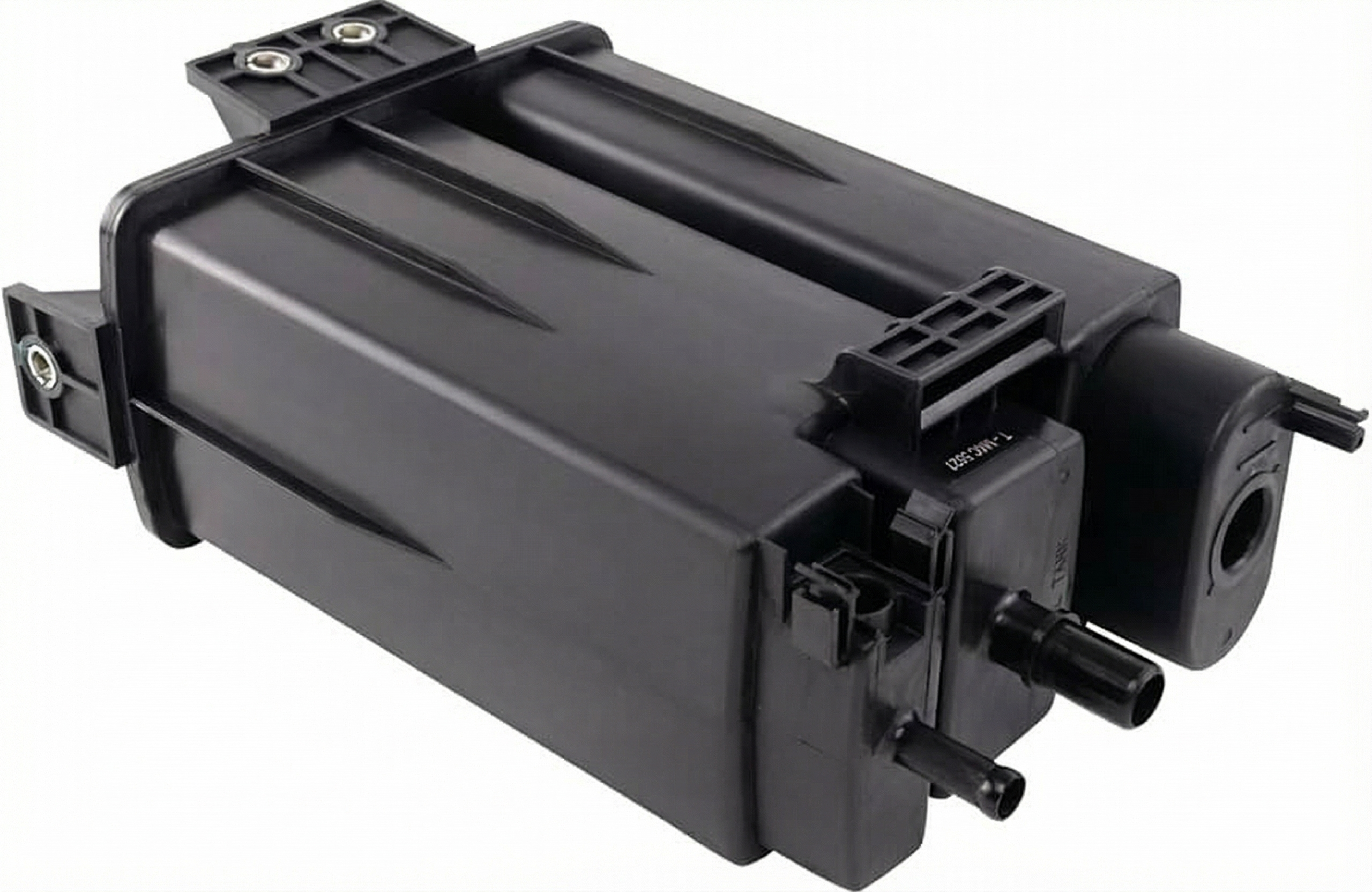
New Aftermarket Parts Available

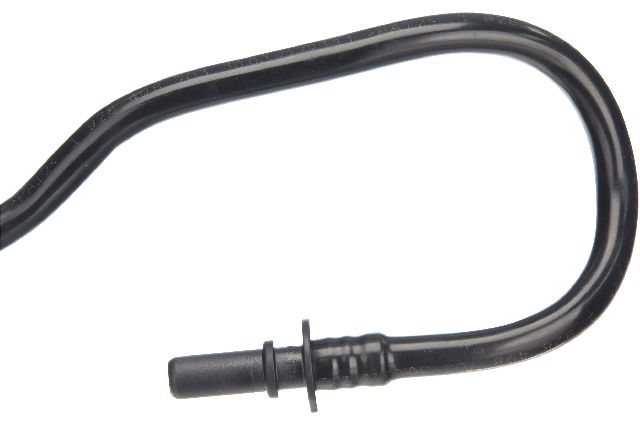

The information in this article is provided for general reference and educational purposes only. Vehicle specifications, procedures, and part compatibility can vary by production date, trim level, and region. Always consult your vehicle's factory service manual and verify part numbers before purchasing or performing repairs. Safety-critical components such as airbags, seat belts, and braking systems should be installed by a qualified professional.
- Jaguar XJ:
- 🎬 Helpful Videos
- 🛍️ Shop This Part
- What's Unique About the 2010-2015 Jaguar XJ
- Diagnostic Flowchart
- Symptoms You May Notice
- Most Likely Causes
- Diagnosis Steps
- Parts You'll Likely Need
- Related Codes That Often Appear With This One
- Technical Service Bulletins (TSBs) & Recalls
- Platform-Specific Known Issues
- Mechanic-Grade Diagnostic Values
- Scan Tool Commands That Help
- OEM Part Supersession History
- 🎟️ Get 5% Off