

P2307 on 2021-2024 Ford Bronco 2.3L: Ignition Coil 'C' Circuit Causes and Fixes
On a 2021-2024 Ford Bronco with the 2.3L EcoBoost, code P2307 is most often caused by a Powertrain Control Module (PCM) software error that requires a dealer update per Ford TSB 24-2406. This TSB addresses an issue where the PCM incorrectly maps the diagnostic trouble code to the wrong cylinder. If the software is current, the next most likely cause is a failed ignition coil on cylinder #3. A PCM update is covered under warranty; a DIY coil replacement costs about $50-$90.
- For a P2307 code on a 2021-2024 Bronco 2.3L, your first step should be to check with a Ford dealer about TSB 24-2406 for a PCM software update.
- Do not replace any parts until the PCM software has been verified as up-to-date, as the TSB indicates this is a very common cause.
- If the software is current, the most likely faulty part is the ignition coil for cylinder #3.
- A simple way to test the coil is to swap it with one from another cylinder and see if the trouble code follows the coil.
- Driving with this code can lead to catalytic converter damage, so address the issue promptly.
What's Unique About the 2021-2024 Ford BRONCO
For the 2021-2024 Bronco with the 2.3L EcoBoost engine, this code is uniquely tied to a known software issue. Ford issued Technical Service Bulletins (TSBs) stating that incorrect cylinder-to-DTC mapping within the PCM can cause this and other ignition codes to be set for the wrong cylinder. This means that even if you have a real misfire, the code might point to the wrong place, making a PCM software update the mandatory first diagnostic step before replacing any parts. This issue is not exclusive to the Bronco and affects other Ford models with the 2.3L EcoBoost engine.
Diagnostic Flowchart
Tap your situation to follow the diagnostic path that matches what you're seeing on this vehicle.
Symptoms You May Notice
- Check Engine Light (MIL) illuminated
- Rough or shaking idle
- Engine hesitation or stumbling during acceleration
- Noticeable loss of power
- Poor fuel economy
- Engine may feel like it's going to die on acceleration
- Replacing the ignition coil or spark plug before checking for the PCM software update specified in TSB 24-2406. The software issue can cause the code to appear even with perfectly good hardware, and it may point to the wrong cylinder.
Most Likely Causes
- Powertrain Control Module (PCM) Software Error 🔴 High Probability Ford TSB 24-2406 and SSM 52342 directly state that incorrect cylinder-to-DTC mapping in the PCM software is a known issue on 2021-2024 Broncos with the 2.3L engine.
How to confirm: A Ford dealer or a qualified shop with access to Ford's diagnostic software (FDRS) must check if the PCM software is up to date. This should be the first step in diagnosis. The TSB applies to a wide range of ignition codes, not just P2307.
Typical fix: Reprogram the PCM to the latest software level. This is typically covered under the vehicle's new vehicle or emissions warranty.
Est. part cost: $0 - Faulty Ignition Coil 🟡 Medium Probability Coil-on-plug systems are common failure points. An internal short or failure in the coil's primary winding can cause the high voltage reading. Heat and vibration in the engine bay contribute to eventual failure.
How to confirm: After confirming the PCM software is current, swap the ignition coil from cylinder #3 with another cylinder (e.g., cylinder #2). Clear the codes and drive the vehicle. If the code changes to P2304 (Ignition Coil 'B'), the coil is bad.
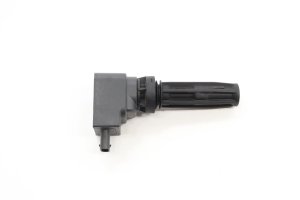
Typical fix: Replace the faulty ignition coil. The OEM Motorcraft part number is DG-576. It is often recommended to replace the corresponding spark plug at the same time.
Est. part cost: $50-$90 - Worn or Fouled Spark Plug ⚪ Low Probability
How to confirm: Remove the spark plug from cylinder #3 and inspect it for excessive wear, carbon buildup, oil fouling, or cracks in the ceramic insulator. The correct gap is crucial on EcoBoost engines.
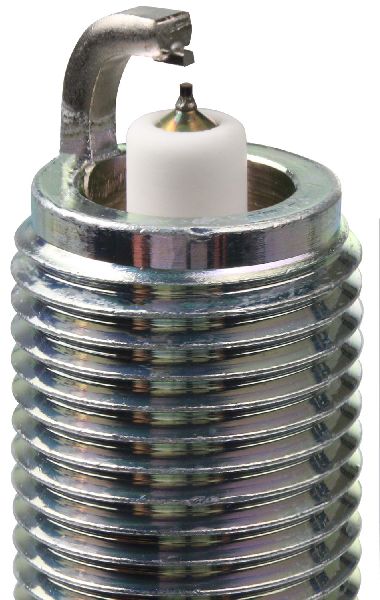
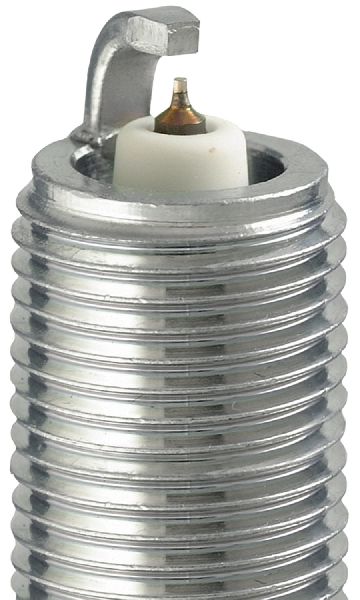
Typical fix: Replace the spark plug. The OEM Motorcraft Iridium plug is part number SP-594 or SP-578. It is best practice to replace all four spark plugs as a set to maintain balanced engine performance.
Est. part cost: $15-$30 - Damaged Wiring or Connector ⚪ Low Probability
How to confirm: Visually inspect the wiring harness and connector going to the cylinder #3 ignition coil. Look for any signs of chafing, melting, corrosion, or loose pins. A multimeter can be used to check for continuity and voltage at the connector.
Typical fix: Repair the damaged section of the wiring harness or replace the pigtail connector. The Motorcraft connector kit is part number WPT-1492.
Est. part cost: $15-$40
Rare But Worth Checking
- Faulty Powertrain Control Module (PCM): This is rare. Only consider this after all other possibilities, including the TSB-related software update and all physical ignition components and wiring, have been thoroughly ruled out. A failed internal driver in the PCM can trigger this code.
Diagnosis Steps
- Check for Technical Service Bulletins (TSBs): This is the most critical first step. Contact a Ford dealer with your VIN or use the Ford Support website to see if TSB 24-2406 or SSM 52342 applies to your vehicle. If it does, have the PCM reprogrammed before proceeding with any part replacements.
- Read Codes: Use an OBD-II scanner to confirm P2307 is present and check for any other related codes, such as P0303 or P0353.
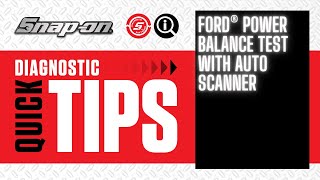
- Power Balance Test (If TSB applies): Per SSM 52342, even with the wrong code, a real misfire exists. A technician with Ford's FDRS tool can run a power balance test to identify the *actual* misfiring cylinder 🎬 Watch: How to perform a Ford power balance test with a scanner, as the PCM may be reporting the wrong one.
- Inspect Wiring: Visually inspect the wiring harness and connector for the cylinder #3 ignition coil (the third coil from the front of the engine). Look for any damage, corrosion, or loose connections.
- Swap the Ignition Coil: If the PCM software is up-to-date and wiring looks good, swap the ignition coil from cylinder #3 with the coil from cylinder #2. Clear the codes and drive the vehicle. If the code returns as P2304 (for cylinder #2), the ignition coil is faulty and needs replacement.
- Inspect the Spark Plug: If the code remains on cylinder #3 after the coil swap, remove and inspect the spark plug for wear or damage. Replace if necessary. Ensure the correct gap for the new plug.
- Check for Power and Ground: If parts swaps do not identify the issue, use a multimeter to verify that the ignition coil connector is receiving proper voltage and has a good ground connection.
- Advanced Diagnosis: If the problem persists, the issue may be a wiring fault between the coil and the PCM, or a rare internal PCM failure. This level of diagnosis is best left to a professional.
Parts You'll Likely Need
- Ignition Coil
(OEM #DG-576)— This is the most common hardware failure for this code after the PCM software issue is ruled out.
Trusted brands: Motorcraft, NGK, Denso
OEM price range: $70-$100
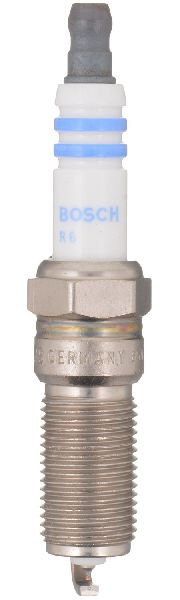
Aftermarket price range: $50-$90 - Spark Plug
(OEM #SP-594 (also SP-578))— Often replaced along with the ignition coil as a preventative measure or if it is found to be worn or fouled. Correct gapping is critical for EcoBoost performance.
Trusted brands: Motorcraft, NGK
OEM price range: $20-$30
Aftermarket price range: $15-$25 - Ignition Coil Connector
(OEM #WPT-1492)— Needed if the original connector is damaged, melted, or corroded, preventing a secure connection to the ignition coil.
Trusted brands: Motorcraft
OEM price range: $35-$50
Aftermarket price range: $15-$30
Related Codes That Often Appear With This One
- P0303 — This is the generic code for 'Cylinder 3 Misfire Detected'. P2307 identifies the specific electrical fault in the coil circuit that is causing the misfire.
- P0353 — This code means 'Ignition Coil 'C' Primary/Secondary Circuit Malfunction'. It is a closely related code that can appear with P2307, pointing to the same coil and cylinder.
- P2304, P2310, P2313 — These are the corresponding codes for other cylinders ('B', 'D', etc.). Due to the PCM mapping issue described in TSB 24-2406, a fault on one cylinder might incorrectly trigger a a code for a different cylinder.
Technical Service Bulletins (TSBs) & Recalls
- TSB 24-2406: Notes that 2021-2024 Broncos with the 2.3L EcoBoost may set various ignition DTCs, including P2307, for the incorrect cylinder due to a PCM mapping error, requiring a software update.
- SSM 52342: Precedes TSB 24-2406 and describes the same issue of incorrect cylinder-to-DTC mapping, advising technicians to use a power balance test to find the actual faulty cylinder before replacing parts.
Platform-Specific Known Issues
- A primary issue for the 2021-2024 Bronco 2.3L is a PCM software glitch that causes incorrect cylinder-to-DTC mapping. This is documented in Ford TSB 24-2406 and SSM 52342, making a dealer software update a critical first step.
- SSM 52342 notes that even with the incorrect mapping, a real ignition system concern is present. It advises using a power balance test to identify the true misfiring cylinder, as the PCM may disable fuel to the cylinder it *thinks* is bad, causing two cylinders to show issues during the test.
Mechanic-Grade Diagnostic Values
- Ignition Coil Primary Control Circuit Voltage — expected: Key On, Engine Off: ~12V (Battery Voltage). Engine Cranking/Running: Pulsing to near 0V.. Failure: A voltage that remains high (~12V) and does not pulse to ground when the engine is running indicates an open in the circuit, a faulty coil, or a failed PCM driver.
- Ignition Coil Primary Winding Resistance — expected: Approximately 0.5 - 1.5 Ω. Failure: A reading of infinite resistance (OL) indicates an open circuit within the coil. A reading significantly lower than 0.5 Ω could indicate an internal short.
- Spark Plug Gap — expected: 0.028 in (0.7 mm) - 0.031 in (0.8 mm). Failure: An incorrect gap can lead to inefficient spark, misfires, and premature coil failure.
Scan Tool Commands That Help
- Ford FDRS (or equivalent professional scanner): Power Balance Test — This is the most crucial diagnostic function for this code on this vehicle. Due to the TSB regarding incorrect cylinder mapping, the P2307 code may not correspond to the actual faulty cylinder. The Power Balance Test disables one cylinder at a time and graphs the RPM drop, allowing a technician to identify which cylinder is truly not contributing power, regardless of what the DTC reports.
Wiring & Ground Locations
- Chassis Grounds — On the 2021+ Bronco, factory ground points are located near the kick-panel speakers in the front footwells and behind the trim panels in the cargo area.. A poor ground connection for the PCM or engine harness can introduce electrical noise and voltage irregularities, potentially triggering false circuit high codes.
- Ignition Coil Connector Wiring — The 2-wire connector at each ignition coil.. On Ford coil-on-plug systems, one wire is for power (hot in run/start) and is typically the same color across all coil connectors. The other wire is the control wire from the PCM and is a unique color for each cylinder. Identifying the control wire is essential for testing the PCM's pulsed ground signal.
- Main Battery Ground (B-) — Directly at the negative battery terminal. Ford's 2024 Equipment Installation Guide advises against using existing chassis ground points for high-current accessories, emphasizing the importance of clean, dedicated grounds.. Verifying the integrity of the main engine and body grounds is a fundamental step before diagnosing individual component circuits.
OEM Part Supersession History
DG-574, JX6Z12029A, JX6Z12029B→DG-576— Standard part revision and consolidation by the manufacturer.
Heads up: Using the older part numbers may result in installing a part with outdated internal construction. Always use the latest revision, DG-576, for replacement.
Model Year Variations Within This Range
- 2021-2024: No significant variations in the ignition system, wiring, or common causes for code P2307 have been identified within this model year range. The primary TSBs (24-2406 and SSM 52342) apply to all years in this range.
Helpful Videos
Used OEM Parts in Stock


New Aftermarket Parts Available


The information in this article is provided for general reference and educational purposes only. Vehicle specifications, procedures, and part compatibility can vary by production date, trim level, and region. Always consult your vehicle's factory service manual and verify part numbers before purchasing or performing repairs. Safety-critical components such as airbags, seat belts, and braking systems should be installed by a qualified professional.
- Ford BRONCO:
- 🎬 Helpful Videos
- 🛍️ Shop This Part
- What's Unique About the 2021-2024 Ford BRONCO
- Diagnostic Flowchart
- Symptoms You May Notice
- Most Likely Causes
- Rare But Worth Checking
- Diagnosis Steps
- Parts You'll Likely Need
- Related Codes That Often Appear With This One
- Technical Service Bulletins (TSBs) & Recalls
- Platform-Specific Known Issues
- Mechanic-Grade Diagnostic Values
- Scan Tool Commands That Help
- Wiring & Ground Locations
- OEM Part Supersession History
- Model Year Variations Within This Range
- 🎟️ Get 5% Off