

P2299 on 2015-2016 Dodge DART: Brake and Accelerator Pedal Conflict Explained
This code almost always means the driver is pressing the brake and gas pedals at the same time ('two-footed driving'). This is not a part failure. Before buying any parts, change your driving style to use only your right foot. The code should clear on its own.
- P2299 on a Dodge Dart is almost always caused by the driver pressing the brake and gas pedals at the same time.
- Do NOT replace the accelerator pedal assembly. This is a common misdiagnosis that the manufacturer specifically warns against.
- The fix is usually free: clear the code and consciously drive using only your right foot for both pedals.
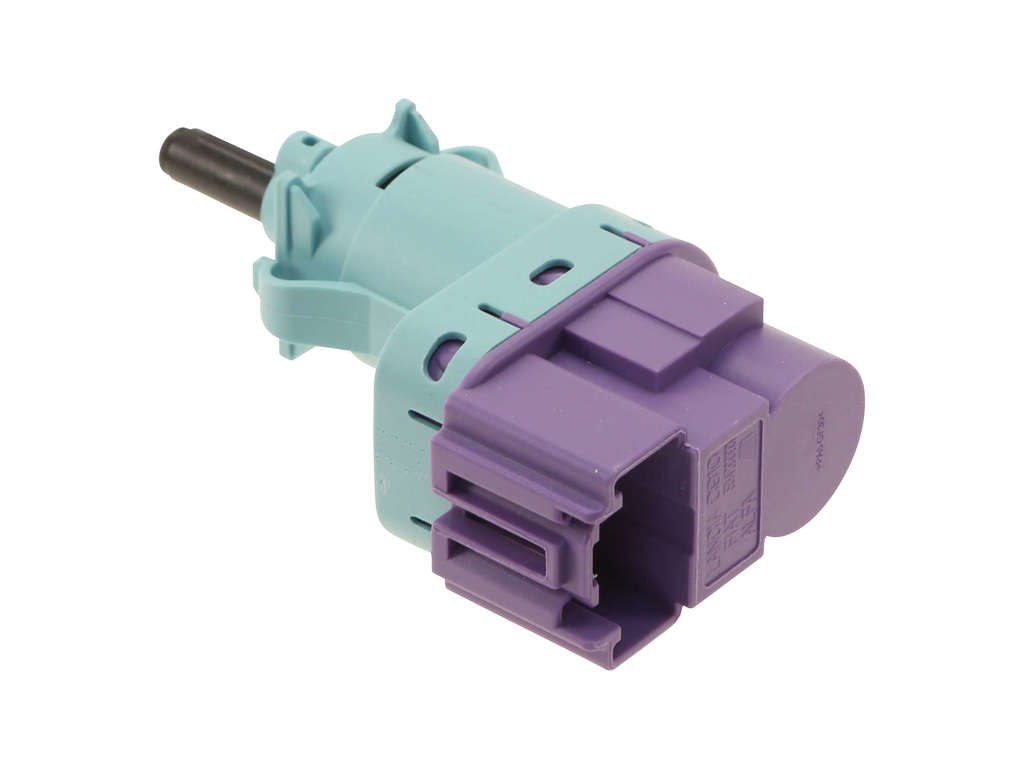
- If the code returns after changing driving habits, the next most likely culprit is a faulty (and inexpensive) brake light switch, OEM part number 68163996AA.
What's Unique About the 2015-2016 Dodge DART
For the Dodge Dart and other vehicles from its parent company (FCA/Stellantis), this code is so frequently caused by driver habits that Dodge issued multiple Technical Service Bulletins (TSBs). These bulletins, including #9003413 and #53034160A, explicitly state that P2299 is 'usually caused by a two footed driver and accelerator pedal should not be replaced for this fault.' This is a strong, repeated warning from the manufacturer to investigate driving habits first before spending money on unnecessary parts. The system is designed to prioritize the brake signal, cutting throttle input until the conflict is resolved.
Diagnostic Flowchart
Tap your situation to follow the diagnostic path that matches what you're seeing on this vehicle.
Symptoms You May Notice
- Check Engine Light is on.
- Electronic Throttle Control (ETC) or 'lightning bolt' warning light may be on.
- Decreased engine performance or vehicle is in 'limp mode'.
- Unresponsive or sluggish accelerator pedal.
- Cruise control may be disabled.
- Brake lights may be stuck on (if the brake light switch is the cause).
- Replacing the accelerator pedal assembly. The manufacturer TSBs for the Dodge Dart (#9003413, #53034160A) specifically warn against replacing the accelerator pedal for this code, as the cause is almost always driver habit.
Most Likely Causes
- Two-Footed Driving 🔴 High Probability The vehicle's software is specifically designed to detect and flag when a driver rests their left foot on the brake while accelerating with their right foot. This is a deliberate safety feature called Brake-Throttle Override.
How to confirm: Interview the primary driver about their habits. Clear the code and test drive using only the right foot for both pedals. If the code does not return, this was the cause. Many owners on forums confirm this was their issue after initially suspecting a part failure.
Typical fix: Change driving habits to use only the right foot for both the accelerator and brake pedals. No parts are required.
Est. part cost: $0
Rare But Worth Checking
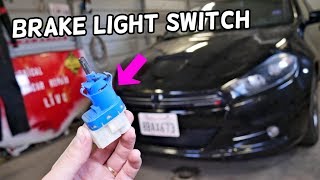
- Faulty Brake Light Switch (Brake Pedal Position Sensor): If the brake light switch is stuck in the 'on' position, the PCM will think the brakes are applied even when they are not. This is the most likely hardware failure if driving habits are not the cause. The switch is a known wear item and is located above the brake pedal. 🎬 See this walkthrough for removing and replacing the brake light switch.
- Obstructed Pedal: A floor mat that has slipped forward or another object could be holding one of the pedals down slightly, causing a constant signal to be sent to the PCM. Always check for obstructions before further diagnosis.
- Faulty Accelerator Pedal Position (APP) Sensor: Less common than a brake switch failure, the APP sensor can fail and send an incorrect throttle signal. This usually requires replacing the entire accelerator pedal assembly. TSBs specifically warn against this as a first step.
- Wiring or Connector Issue: Corrosion or damage to the wiring or connectors for either the brake or accelerator pedal sensors can cause erratic signals, triggering the code. TSB #53034160A advises checking wiring before replacing parts.
- PCM Software Glitch: On some related platforms like the Jeep Grand Cherokee and Dodge Durango, TSBs have been issued (e.g., #18-049-16) to reprogram the PCM to address an overly sensitive P2299 trigger. While not specific to the Dart, it's a possibility if all else fails.
Diagnosis Steps
- Verify the code P2299 is present 🎬 Watch: A quick guide to understanding the P2299 engine code. using an OBD-II scanner.
- Interview the driver(s) of the vehicle about their driving habits, specifically asking if they use their left foot to brake ('two-footed driving') or 'brake-torque' the vehicle.
- Inspect the driver's side floor area for any obstructions, like a bunched-up or incorrect floor mat, that could interfere with pedal movement.
- Clear the code and perform a test drive, making a conscious effort to use only the right foot for both pedals. If the code does not return, the issue is resolved.
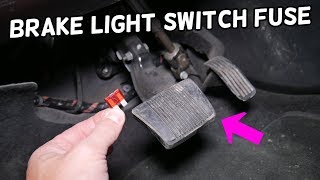
- If the code returns, observe the brake lights. Are they stuck on when the pedal 🎬 Check out this video to find the brake light switch fuse. is not being pressed? If so, the brake light switch is the primary suspect.
- With a scan tool that can view live data (like AlfaOBD or wiTECH), monitor the status of the Brake Pedal Position (BPP) sensor and the Accelerator Pedal Position (APP) sensor. Press each pedal individually and ensure the other reads 'off' or at 0%. If the brake sensor reads 'on' when the pedal is released, the brake light switch is likely faulty.
- If sensor data seems incorrect, inspect the wiring and connectors for both pedal assemblies for any signs of damage, corrosion, or looseness.
- If all other steps fail to identify the issue, the accelerator pedal assembly or, in very rare cases, the PCM may be at fault. However, given the manufacturer's guidance, these should be last resorts.
Parts You'll Likely Need
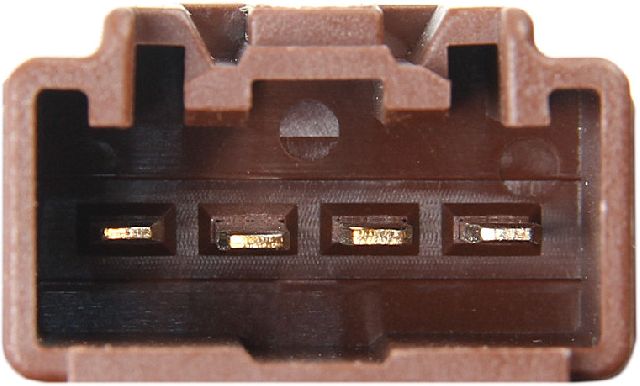
- Brake Light Switch / Stop Lamp Switch
(OEM #68163996AA (Verify with VIN, may be superseded by 68349583AA))— This is the most likely hardware component to fail and cause the P2299 code if driver habit is ruled out. It can get stuck and tell the computer the brake is pressed when it isn't.
Trusted brands: Mopar, Standard Motor Products, Dorman
OEM price range: $25-$45
Aftermarket price range: $15-$30
Related Codes That Often Appear With This One
- P2122 — This code for 'Accelerator Pedal Position Sensor Circuit Low' can be set if the accelerator pedal connector is disconnected during a faulty diagnosis attempt, as noted in TSB #9003413.
- P2127 — Similar to P2122, this code for 'Accelerator Pedal Position Sensor Circuit Low' can appear if the pedal is disconnected while troubleshooting, according to TSB #9003413.
Technical Service Bulletins (TSBs) & Recalls
- 9003413: States that DTC P2299 is usually caused by a two-footed driver and the accelerator pedal should not be replaced for this fault.
- 53034160A: Reinforces that P2299 is typically from two-footed driving and warns against replacing the accelerator pedal without proper diagnosis.
- 18-049-16 (For related platforms): A PCM software update for 2016 Jeep/Dodge models that lists P2299 as one of the codes it addresses, suggesting a software sensitivity issue in some cases.
Platform-Specific Known Issues
- Dodge has issued Technical Service Bulletins (TSB #9003413, #53034160A) explicitly stating that P2299 is most often caused by 'a two footed driver' and that the accelerator pedal should not be replaced for this fault.
- Owner experiences on forums like DodgeForum.com confirm that 'brake torquing' (holding the brake and gas simultaneously before launch) will set this code.
Mechanic-Grade Diagnostic Values
- Accelerator Pedal Position Sensor 1 (APPS1) Voltage Sweep — expected: Approximately 0.45V with pedal released, increasing smoothly to approximately 4.6V when fully depressed.. Failure: Voltage is stuck, does not sweep smoothly, or is outside the expected range.
- Accelerator Pedal Position Sensor 2 (APPS2) Voltage Sweep — expected: Approximately 0.22V with pedal released, increasing smoothly to approximately 2.31V when fully depressed.. Failure: Voltage does not track with APPS1, is stuck, or does not sweep smoothly.
- APP Sensor Harness Supply Voltage — expected: Approximately 5V with key on, engine off.. Failure: No voltage or significantly lower voltage indicates a wiring or PCM issue.
Scan Tool Commands That Help
- wiTECH (or equivalent professional scanner): Reprogram PCM — To apply factory software updates that may address overly sensitive logic for triggering P2299, as noted in TSBs for related FCA platforms. This should only be done if a relevant TSB applies.
- wiTECH (or equivalent professional scanner): ETC Relearn / Throttle Follower Test — After replacing the accelerator pedal assembly to ensure the PCM learns the new sensor's calibrated values. This is not a direct fix for P2299 but is a required step if the pedal is replaced.
Wiring & Ground Locations
- Accelerator Pedal Connector (C201) — At the top of the accelerator pedal assembly, accessible from the driver's footwell.. This is the primary connection point for the APP sensor. A loose or corroded connector here will directly cause pedal position codes.
- Brake Light Switch Fuses — One 5-amp fuse is located in the interior fuse box by the driver's left foot. A second fuse is located on the Body Control Module (BCM) itself, behind the dash trim.. A blown fuse for the brake light switch circuit can cause the PCM to receive an incorrect signal about the brake pedal's status, leading to a conflict with the accelerator signal.
OEM Part Supersession History
68163996AA→68349583AA— Unknown, likely a revision for improved durability or a change in supplier.
Model Year Variations Within This Range
- 2016: A recall (FCA #S10) was issued for certain 2016 Dart vehicles with the 2.0L engine and a manual transmission, manufactured between July and December 2015. The recall was to update the PCM software which was missing a backup layer, affecting engine torque monitoring. While not directly citing P2299, it points to a known PCM software anomaly in this specific configuration.
Helpful Videos
![What is P2299 Engine Code [Quick Guide]](https://img.youtube.com/vi/XFOfN7Z9EX4/mqdefault.jpg)

We Have This Part in Stock


The information in this article is provided for general reference and educational purposes only. Vehicle specifications, procedures, and part compatibility can vary by production date, trim level, and region. Always consult your vehicle's factory service manual and verify part numbers before purchasing or performing repairs. Safety-critical components such as airbags, seat belts, and braking systems should be installed by a qualified professional.
- Dodge DART:
- 🎬 Helpful Videos
- 🛍️ Shop This Part
- What's Unique About the 2015-2016 Dodge DART
- Diagnostic Flowchart
- Symptoms You May Notice
- Most Likely Causes
- Rare But Worth Checking
- Diagnosis Steps
- Parts You'll Likely Need
- Related Codes That Often Appear With This One
- Technical Service Bulletins (TSBs) & Recalls
- Platform-Specific Known Issues
- Mechanic-Grade Diagnostic Values
- Scan Tool Commands That Help
- Wiring & Ground Locations
- OEM Part Supersession History
- Model Year Variations Within This Range
- 🎟️ Get 5% Off