

P2251 on 2015 Chrysler 200: O2 Sensor Circuit Open Causes & Fixes
P2251 on a 2015 Chrysler 200 indicates an open circuit for the upstream oxygen sensor (Bank 1, Sensor 1). The most common cause is a failed sensor, followed by damaged wiring. On 2.4L models, a PCM software update should be investigated before replacing parts. A replacement sensor typically costs between $45 and $130 for the part.
- P2251 points directly to an open circuit in the upstream O2 sensor on Bank 1.
- For the 2.4L engine, investigate a PCM software update (TSB #18-022-17) before replacing any parts.
- The most likely physical cause is a failed Bank 1, Sensor 1 oxygen sensor, followed by damaged wiring.
- Before replacing parts, always visually inspect the sensor's wiring and connector for obvious damage like melting or breaks, especially where it runs near the exhaust.
- On 3.6L V6 engines, Bank 1 is the cylinder bank closer to the firewall.
What's Unique About the 2015-2015 Chrysler 200
The 2015 Chrysler 200 was available with a 2.4L 'Tigershark' 4-cylinder or a 3.6L 'Pentastar' V6 engine. On the 3.6L V6, 'Bank 1' is the cylinder bank closer to the firewall (the rear of the engine bay). For the 2.4L engine, there is a known history of this code being caused by outdated PCM software. Chrysler issued TSBs (like #18-022-17 REV. A) which list P2251 as a code addressed by a software reflash. This issue is shared with platform mates like the Dodge Dart and Jeep Cherokee that use the same engine. Additionally, some 2015-2017 models with the 2.4L engine were part of an emissions recall (U90 / NHTSA 18V-524) that included the replacement of both oxygen sensors.
Diagnostic Flowchart
Tap your situation to follow the diagnostic path that matches what you're seeing on this vehicle.
Symptoms You May Notice
- Check Engine Light is on
- Decreased fuel economy
- Rough or fluctuating idle
- Engine hesitation or poor performance
- Failing an emissions test
- Smell of unburned fuel from the exhaust
- Replacing the downstream (Sensor 2) oxygen sensor instead of the upstream (Sensor 1) sensor.
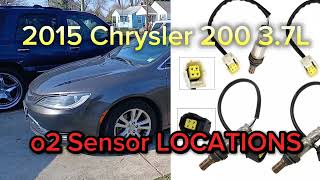
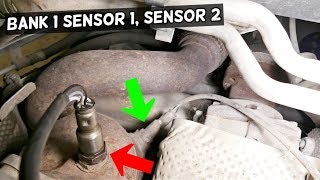
- Replacing the wrong bank's sensor on a V6 engine. Bank 1 is near the firewall. 🎬 Watch: Locate the O2 sensors on your 3.6L V6 engine.
- Replacing the O2 sensor on a 2.4L engine without first checking if a PCM software update is available, which could be the actual required fix.
Most Likely Causes
- Failed Upstream Oxygen Sensor (Bank 1, Sensor 1) 🔴 High Probability Oxygen sensors are wear-and-tear items that operate in a harsh exhaust environment. The internal sensing elements or heater circuit can fail, creating an open circuit. On the 2.4L Tigershark engine, excessive oil consumption can also lead to premature sensor failure due to contamination.
How to confirm: After confirming wiring is intact, the most definitive test is to replace the sensor. A technician can also use a scan tool to monitor live data to see if the sensor is providing a signal. With a multimeter, test the sensor's heater circuit resistance; a typical reading is between 3-15 Ohms. An open circuit (infinite resistance) indicates a failed sensor.
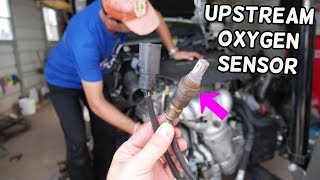
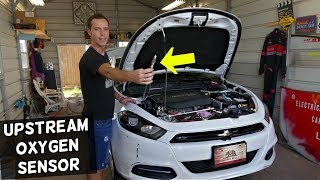
Typical fix: Replace the Bank 1, Sensor 1 oxygen sensor. 🎬 Watch: How to replace Bank 1 sensors on the 3.6L Pentastar. An O2 sensor socket is highly recommended for removal. 🎬 See this walkthrough for replacing the 2.4L upstream sensor.
Est. part cost: $45 - $130 - Damaged Wiring or Connector 🟡 Medium Probability The sensor wiring is located near hot exhaust components. The protective loom can degrade, allowing wires to chafe, melt, or break, causing an open circuit. Forum users have reported the harness clip failing, allowing the wires to fall and melt on the exhaust manifold.
How to confirm: Visually inspect the entire wiring harness from the O2 sensor to where it joins the main engine harness. Look for melted plastic, frayed wires, or corrosion in the connector pins. A Reddit user specifically suggested checking for wires that may have burned on the exhaust.
Typical fix: Repair the damaged section of wire. If the connector is damaged, it may need to be replaced with a new pigtail.
Est. part cost: $15 - $40 - Outdated Powertrain Control Module (PCM) Software (2.4L Engine) 🟡 Medium Probability Chrysler released multiple TSBs (e.g., #18-022-17 REV. A) for the 2.4L engine in the Chrysler 200 and its platform mates, indicating that the logic for monitoring the O2 sensor circuit was too sensitive and could set a false P2251 code.
How to confirm: A Chrysler dealership or a qualified shop with a subscription to Mopar's Tech Authority can check the vehicle's current software calibration level against the latest available version referenced in the TSBs.
Typical fix: Reprogram the PCM to the latest software version. This must be done by a dealer or a properly equipped independent shop.
Est. part cost: $0 - $200 (May be covered under warranty or goodwill) - Exhaust Leak ⚪ Low Probability
How to confirm: Listen for ticking or hissing sounds from the exhaust manifold area, especially on a cold start. Look for black soot marks around exhaust flanges or the manifold itself, which indicate a leak.
Typical fix: Replace the leaking gasket or tighten loose exhaust hardware.
Est. part cost: $10 - $50
Rare But Worth Checking
- Faulty Powertrain Control Module (PCM): This is very rare. The PCM's internal driver transistor or MOSFET for the O2 sensor circuit can fail. This should only be considered after all other possibilities, including software updates, wiring, and the sensor itself, have been eliminated.
Diagnosis Steps
- Read the code with an OBD-II scanner to confirm P2251 is present.
- For 2.4L models, check with a dealer for any open recalls (like U90) or applicable TSBs (like 18-022-17) related to PCM software updates before proceeding. This could be the primary fix.
- For 3.6L V6 models, identify Bank 1 (the cylinder head closer to the firewall). For 2.4L I4 models, there is only one bank.
- Perform a thorough visual inspection of the Bank 1, Sensor 1 (upstream) oxygen sensor's wiring harness and connector. Look for any signs of melting, chafing, corrosion, or loose connections, paying close attention to where the harness might contact the hot exhaust manifold.
- If wiring looks good, use a multimeter to check the resistance of the sensor's heater circuit. A reading between 3-15 ohms is typical; an open circuit (infinite resistance) confirms a bad sensor.
- If the sensor tests good, check for continuity on the control circuit wires between the sensor connector and the PCM connector to rule out a hidden break in the harness.
- If no wiring or sensor faults are found, the most likely cause is the sensor itself. Replace the Bank 1, Sensor 1 oxygen sensor.
- Clear the trouble code with the scanner and perform a drive cycle to see if the code returns. If it does, a more in-depth diagnosis of the PCM may be required.
Parts You'll Likely Need
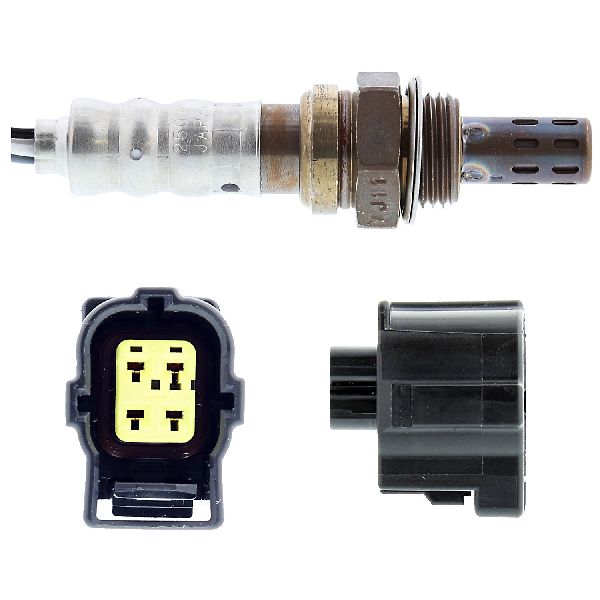
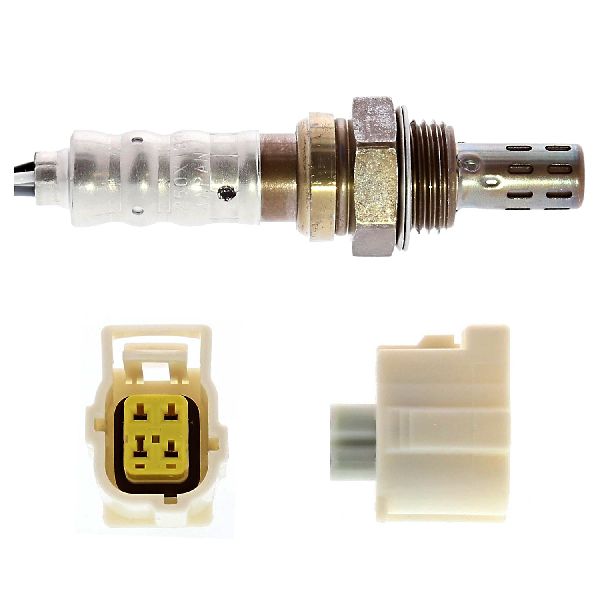
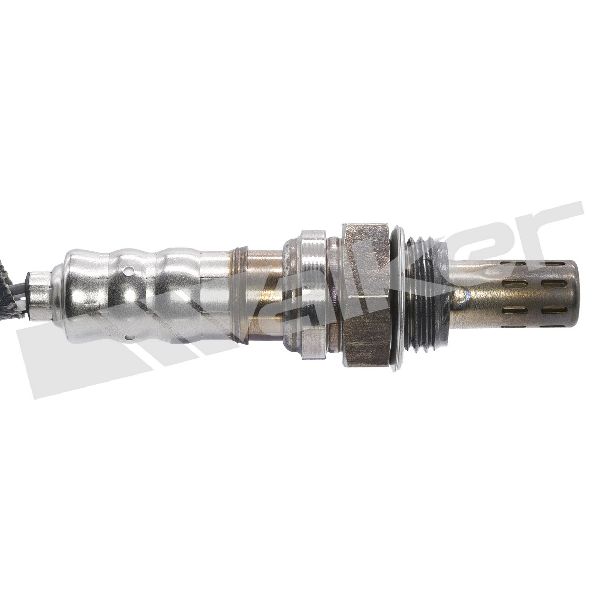
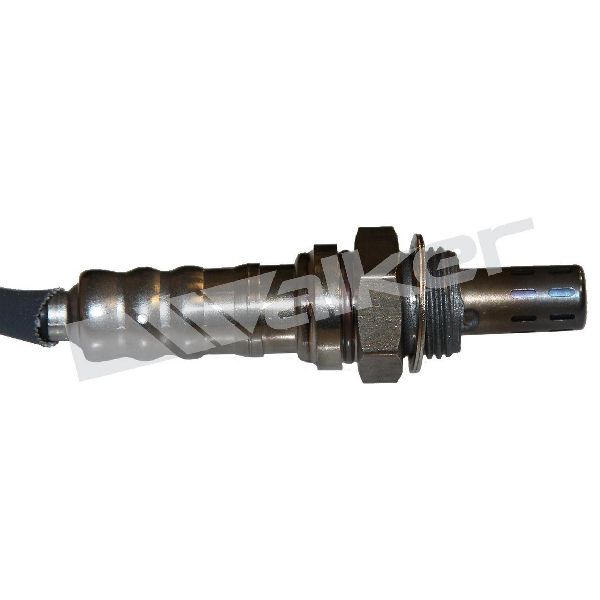
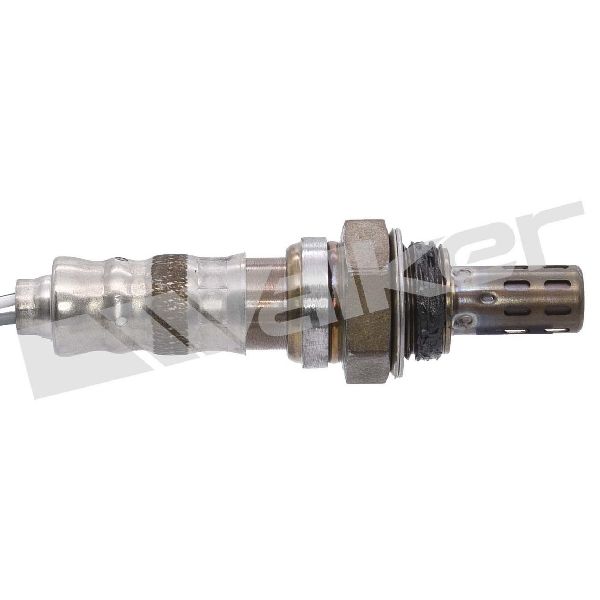
- Upstream Oxygen Sensor (Bank 1, Sensor 1)
(OEM #68195741AA (for 2.4L), 5149171AB (for 3.6L))— This is the most common part to fail and directly cause the P2251 code. It is a standard wear item.
Trusted brands: Mopar, Denso, NTK, Bosch
OEM price range: $95 - $199
Aftermarket price range: $45 - $130
Related Codes That Often Appear With This One
- P219A — This code for 'Bank 1 Air-Fuel Ratio Imbalance' was listed alongside P2251 in manufacturer TSBs. A failed O2 sensor cannot report the air-fuel ratio correctly, which can lead the PCM to flag an imbalance.
- P0031 — This code for 'O2 Sensor Heater Circuit Low' is often listed in the same TSBs as P2251 for platform mates like the Jeep Cherokee, suggesting a related electrical fault within the O2 sensor system that can be addressed by a PCM update.
Technical Service Bulletins (TSBs) & Recalls
- 18-006-15 REV. G - Mentions P2251 - O2 Sensor 1/1 Negative Current Control Circuit Open, but applies to a different vehicle platform (Dodge Dart 'PF').
- 18-022-17 REV. A - A PCM flash bulletin for the 2.4L engine that includes the Chrysler 200 ('UF' platform) and lists P2251 as a code addressed by the software update.
- 18-005-15 REV. E - A similar PCM flash bulletin for the 2014-2015 Jeep Cherokee (KL) with the 2.4L engine, also addressing code P2251, showing a pattern across platforms.
Platform-Specific Known Issues
- Recall U90 (NHTSA 18V-524): Some 2015-2017 models with the 2.4L engine were recalled for catalytic converter replacement. The procedure for this recall also included replacing both upstream and downstream oxygen sensors for free. Owners should check with a Chrysler dealer to see if their VIN is affected.
- TSB for 2.4L Engine: TSB #18-022-17 REV. A and other related bulletins confirm that P2251 on the 2.4L engine can often be fixed with a PCM software update. This should be the first step in diagnosis for 2.4L owners to avoid paying for a sensor that isn't needed.
- Melted Wiring Harness: A recurring theme in owner forums for platform mates is the O2 sensor wiring harness coming loose from its retaining clip and melting on the hot exhaust manifold, causing an open circuit. This is a critical visual inspection point.
Mechanic-Grade Diagnostic Values
- O2 Sensor Heater Element Resistance — expected: 3 to 15 Ohms (when measured at ambient temperature). Failure: A reading of infinity (open circuit) or outside the expected range indicates a failed heater element.
- O2 Sensor Signal Circuit Bias Voltage (Chrysler-specific) — expected: ~5 Volts with key-on, engine-off (cold engine). Failure: A fixed 5V signal that does not drop as the sensor warms up indicates an open in the sensor or its ground.
- Upstream O2 Sensor Live Data Voltage (Warm Engine) — expected: Fluctuating rapidly between approximately 0.1V and 0.9V. Failure: Voltage is stuck, sluggish, or flat-lined.
- O2 Sensor Heater Power Supply — expected: Approximately 12V (Battery Voltage) at the sensor connector with Key On, Engine Off. Failure: No voltage indicates a problem with the power supply from the fuse or relay.
Scan Tool Commands That Help
- wiTECH (Chrysler factory scan tool): O2 Heater Test — After confirming PCM software is current, this command forces the O2 sensor heater on/off to test the circuit's integrity and the PCM's control over it without waiting for a full warm-up cycle.
- wiTECH (Chrysler factory scan tool): Loss of Communication Test — If multiple sensor codes are present or the issue is intermittent, this function can help determine if a broader network or wiring issue is causing the P2251 code, rather than an isolated circuit fault.
Wiring & Ground Locations
- G905A — Below the left headlight in the engine compartment.. This is a primary engine compartment ground point. While not exclusive to the O2 sensor, poor grounding at this location is known to cause a variety of difficult-to-diagnose electrical and sensor faults on this platform.
- O2 1/1 Sensor Connector (2.4L) — On the upstream oxygen sensor, located on the front of the exhaust manifold.. This is the primary connection point for all electrical tests (voltage, resistance, continuity). A wiring diagram is required to identify the specific pins for the heater and signal circuits.
- Battery to Transmission Ground Strap — A strap connecting the battery negative terminal or chassis to the transmission case.. Some Chrysler platforms are known for having weak or corroding ground straps to the transmission, which can cause a host of electrical issues, including no-start conditions and sensor faults. Adding a supplementary ground wire is a known fix for general electrical gremlins.
Real Owner Repair Stories
- 200forums.com user (2015 Chrysler 200) — Check engine light with codes P2251 and P219A.
❌ Tried (didn't work) Not specified, user went to dealer for diagnosis.
✅ What actually fixed it The dealership performed a PCM flash (software update) which resolved both codes.
"I Checked Everything" — The Actual Cause
- For code P2251, the equivalent of a 'smoke test clean' scenario is when both the oxygen sensor and its wiring test good with a multimeter (correct resistance, no open/short circuits), yet the code persists. On the 2.4L Chrysler 200, this scenario most often points to the need for a Powertrain Control Module (PCM) software update, as specified in TSBs. The fault lies in the PCM's diagnostic logic, not the physical components.
When the Usual Fixes Don't Work
- While replacing the upstream oxygen sensor is the most common fix for a P2251 code on many vehicles, significant evidence for the 2015 Chrysler 200 with the 2.4L engine points to this being an incorrect first step. Multiple Technical Service Bulletins and at least one owner's documented experience show that a PCM software update is often the correct and only necessary repair. Technicians and owners who replace the sensor first, without checking for applicable TSBs, often find the code returns, leading to wasted time and money.
Helpful Videos
We Have This Part in Stock


The information in this article is provided for general reference and educational purposes only. Vehicle specifications, procedures, and part compatibility can vary by production date, trim level, and region. Always consult your vehicle's factory service manual and verify part numbers before purchasing or performing repairs. Safety-critical components such as airbags, seat belts, and braking systems should be installed by a qualified professional.
- Chrysler 200:
- 🎬 Helpful Videos
- 🛍️ Shop This Part
- What's Unique About the 2015-2015 Chrysler 200
- Diagnostic Flowchart
- Symptoms You May Notice
- Most Likely Causes
- Rare But Worth Checking
- Diagnosis Steps
- Parts You'll Likely Need
- Related Codes That Often Appear With This One
- Technical Service Bulletins (TSBs) & Recalls
- Platform-Specific Known Issues
- Mechanic-Grade Diagnostic Values
- Scan Tool Commands That Help
- Wiring & Ground Locations
- Real Owner Repair Stories
- "I Checked Everything" — The Actual Cause
- When the Usual Fixes Don't Work
- 🎟️ Get 5% Off