

P2196 on 2014-2015 Ram 1500 EcoDiesel: O2 Sensor Stuck Rich Causes and Fixes
On a 2014-2015 Ram 1500 with the 3.0L EcoDiesel, code P2196 is most often caused by a faulty Bank 1 Sensor 1 oxygen sensor. Manufacturer service bulletins recommend replacing the sensor and updating the powertrain software to fix the issue. This is a well-documented issue with a specific repair path outlined by FCA (now Stellantis).
- P2196 on a 2014-2015 Ram 1500 almost always points to the 3.0L EcoDiesel engine.
- The most probable cause is a faulty Bank 1 Sensor 1 (upstream) O2 sensor, a known issue addressed by manufacturer TSBs.
- The correct fix often involves replacing the O2 sensor AND updating the powertrain control module (PCM) software.
- While other issues like leaking injectors can cause a rich condition, they are less likely on this specific vehicle for this code. Start by investigating the O2 sensor and TSBs.
What's Unique About the 2014-2015 Ram 1500
For the 2014-2015 Ram 1500, this code is specifically and repeatedly addressed in manufacturer Technical Service Bulletins (TSBs) for the 3.0L EcoDiesel engine. 🎬 Watch a real-world diagnostic of EcoDiesel O2 sensor issues. Unlike many gasoline engines where a P2196 code might point to leaking injectors or fuel pressure issues 🎬 Watch: Understanding P2196 causes and how to fix stuck rich codes., on the EcoDiesel, FCA has identified a common issue with the O2 sensor itself, often requiring a sensor replacement and a PCM software update to resolve. The early EcoDiesel engines in these model years are known for a range of emissions system issues, many of which were addressed by software updates related to the EPA/FCA Consent Decree and subsequent Approved Emissions Modification (AEM) recall. This makes checking for the latest software a critical step.
Diagnostic Flowchart
Tap your situation to follow the diagnostic path that matches what you're seeing on this vehicle.
Symptoms You May Notice
- Check Engine Light (MIL) is on.
- Reduced fuel economy.
- Rough or uneven idle.
- Intermittent engine shudder or vibration, sometimes when bucking under hard acceleration.
- Excessive black smoke from the exhaust.
- Engine performance issues.
- Replacing the catalytic converter. The P2196 code relates to the upstream sensor's reading of the air/fuel mixture from the engine, not the efficiency of the converter itself. A P0420 code would indicate converter efficiency issues.
- Replacing other fuel system components (like the fuel pump or pressure regulator) before confirming the O2 sensor is reading correctly and that there isn't a TSB directing a specific repair.
Most Likely Causes
- Faulty Bank 1, Sensor 1 Oxygen (O2) Sensor 🔴 High Probability Manufacturer TSBs #18-021-15 REV. F and #18-019-15 REV. C specifically call out this code and instruct technicians to replace the O2 sensor and update the PCM software. The complex emissions system on the EcoDiesel can be hard on sensors, leading to premature failure.
How to confirm: Use a scan tool to monitor live data for the Bank 1 Sensor 1 O2 sensor. If the voltage is stuck high (typically around 0.9V) and does not fluctuate during engine operation, the sensor is likely faulty. The sensor is located on the passenger side exhaust, upstream of the catalytic converter.
Typical fix: Replace the Bank 1, Sensor 1 (upstream) oxygen sensor. A dealership or qualified shop should also check for and apply any related PCM software updates as per the TSBs. The OEM Mopar part number is 68171190AC.
Est. part cost: $70-$150 - Outdated Powertrain Control Module (PCM) Software 🟡 Medium Probability FCA released multiple software updates to address powertrain and emissions system issues, including false 'stuck rich' codes. The TSBs for this code explicitly involve reprogramming the PCM. Many of these updates were rolled into the AEM recall, which was a mandatory emissions fix.
How to confirm: A dealership or a shop with a subscription to FCA's wiTECH diagnostic application can check the current software calibration against the latest available version for the vehicle's VIN.
Typical fix: Reprogram the PCM with the latest available software. This is often performed in conjunction with replacing the O2 sensor, as directed by the TSBs.
Est. part cost: $0 (if part of a recall/warranty) - $250 (for standalone programming) - Leaking Fuel Injector(s) ⚪ Low Probability While less common than a sensor failure on this platform, a fuel injector stuck open will dump excess fuel into a cylinder, creating a genuine rich condition that the O2 sensor will detect.
How to confirm: This is more difficult on a diesel than a gas engine. A professional may be needed to perform an injector balance test or contribution test with a high-level scan tool. A significant drop in fuel economy or excessive black smoke can be indicators.
Typical fix: Replace the faulty fuel injector(s). It is often recommended to replace them as a set.
Est. part cost: $100-$400 per injector - Wiring or Connector Issues ⚪ Low Probability Wiring for O2 sensors is routed near hot exhaust components and can become damaged, corroded, or shorted over time, leading to incorrect signals being sent to the PCM.
How to confirm: Visually inspect the wiring harness and connector for the Bank 1, Sensor 1 O2 sensor. Look for breaks, melting, or corrosion. Use a multimeter to test for continuity and proper voltage at the connector.
Typical fix: Repair the damaged section of the wiring harness or replace the connector pigtail.
Est. part cost: $10-$50
Rare But Worth Checking
- Failed Powertrain Control Module (PCM): This is very rare. Before condemning the PCM, all other possibilities, including sensor failure, wiring issues, and actual fuel system problems, must be exhaustively ruled out. A TSB-recommended software update should be performed first.
- Exhaust Leak Before the O2 Sensor: An exhaust leak before the O2 sensor can sometimes draw in outside air, confusing the sensor and leading to improper fuel trims, though it more commonly causes a lean code.
Diagnosis Steps
- Connect an OBD-II scanner and confirm that P2196 is the primary code. Note any other codes present, as they are crucial for diagnosis on this platform.
- Using the scanner's live data function, monitor the voltage of the Bank 1, Sensor 1 O2 sensor. It should fluctuate rapidly. If it is stuck high (e.g., >0.8V), this confirms the 'stuck rich' signal.
- Locate the sensor. Bank 1 is the passenger side. Sensor 1 is upstream, before the catalytic converter. Access is typically through the passenger side wheel well.
- Visually inspect the wiring and connector for the Bank 1, Sensor 1 O2 sensor. Look for any signs of melting, corrosion, or physical damage.
- Check for any applicable Technical Service Bulletins (TSBs) for your vehicle's VIN. TSBs #18-021-15 REV. F and #18-019-15 REV. C are highly relevant for this code on the 3.0L EcoDiesel.
- If the sensor signal is stuck and the wiring appears intact, the most likely cause is a failed O2 sensor, as indicated by the TSBs. Replace the sensor.
- After replacing the sensor, or if the TSB requires it, have a dealership or qualified shop check for and apply the latest PCM software update. This is a critical step that should not be skipped.
- If a new O2 sensor still reads rich after a PCM flash, further diagnosis is needed to find the source of a true rich condition, such as a leaking fuel injector or other fuel system issue.
Parts You'll Likely Need
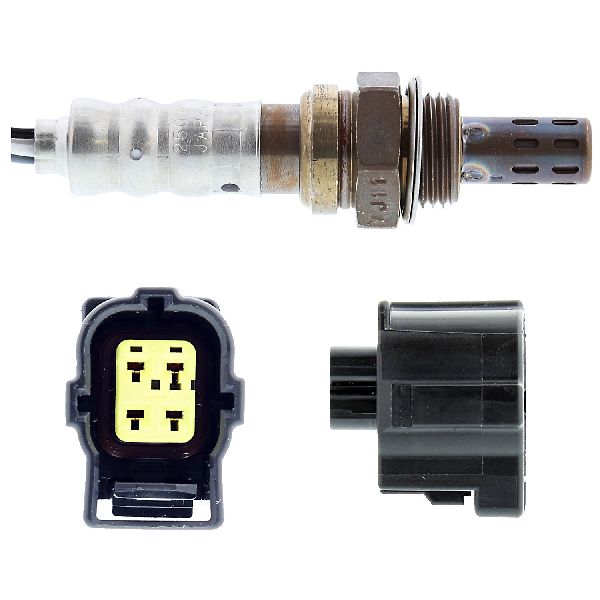
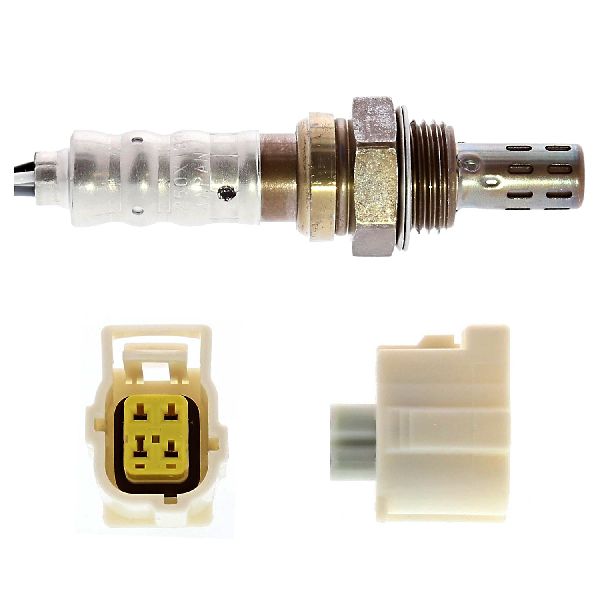
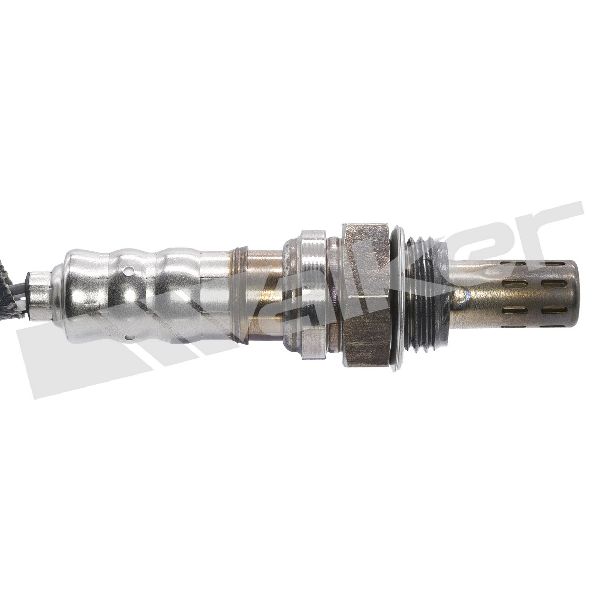
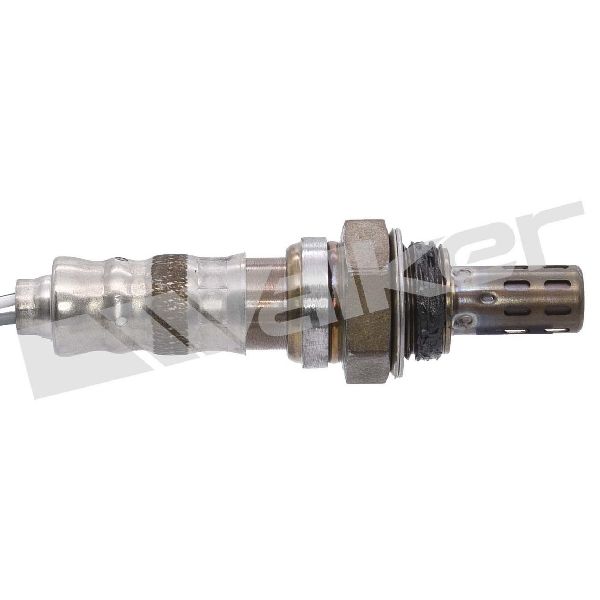
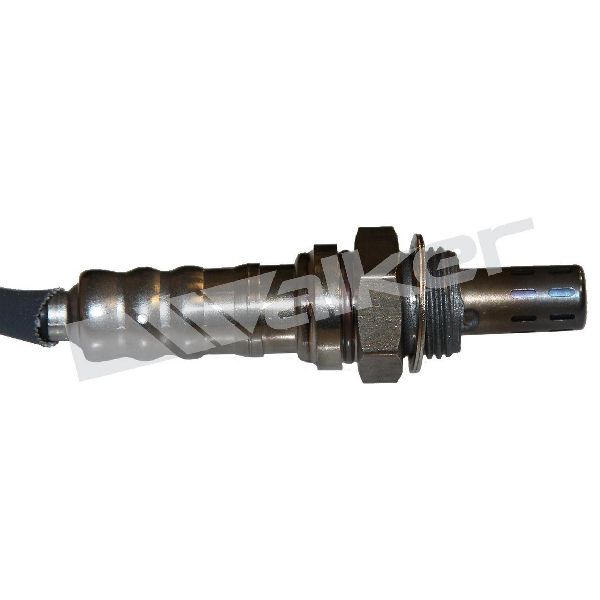
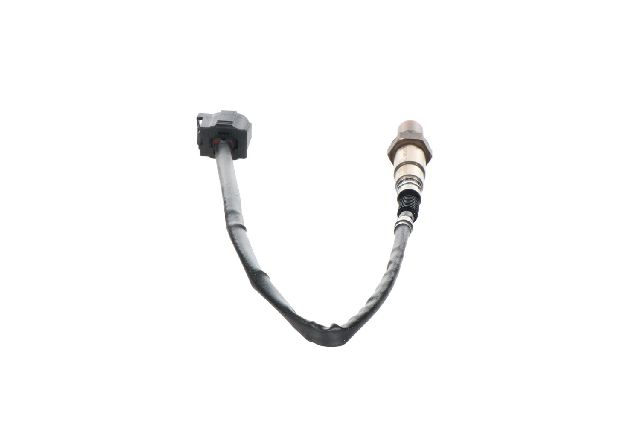
- Upstream Oxygen Sensor (Bank 1, Sensor 1)
(OEM #68171190AC)— This is the most common failure point for this code on this specific engine, as identified by manufacturer service bulletins.
Trusted brands: Mopar, Bosch, Denso, NTK
OEM price range: $100-$180
Aftermarket price range: $70-$120
Related Codes That Often Appear With This One
- P2237 — This code for 'O2 Sensor 1/1 Pump Cell Current Circuit Open' is listed in the same TSBs as P2196, indicating a related electrical fault within the sensor itself.
- P24AF — This code for 'Particulate Matter Sensor Circuit Performance' is also listed in the EcoDiesel TSBs, pointing to a broader issue within the complex diesel emissions system.
- P1297 — Listed in the same TSBs, this code for 'EGR Slow Response' suggests a potential link to the EGR system, which is a known problem area on early EcoDiesel engines.
Technical Service Bulletins (TSBs) & Recalls
- 18-021-15 REV F: 'Flash: 3.0L Powertrain Diagnostic And System Enhancements' - Cites P2196 and recommends O2 sensor replacement and a PCM reflash for the 2014 Ram 1500 3.0L Diesel.
- 18-019-15 REV C: Cites P2196 for the 2015 Ram 1500 3.0L Diesel with similar repair instructions, involving a PCM reflash.
Platform-Specific Known Issues
- The 2014-2015 Ram 1500 with the 3.0L EcoDiesel was subject to multiple TSBs and recalls related to its emissions system. TSBs #18-021-15 REV. F and #18-019-15 REV. C directly link P2196 to a needed O2 sensor replacement and PCM software update.
- These early EcoDiesel engines are also known for issues with the EGR cooler and oil cooler, which can sometimes lead to broader engine performance problems.
- Many of these trucks have undergone the Approved Emissions Modification (AEM) recall. It is crucial to ensure the latest software, including any post-AEM updates, is installed, as this can affect sensor readings and system performance.
Mechanic-Grade Diagnostic Values
- Upstream O2 Sensor (Bank 1, Sensor 1) Voltage — expected: Rapidly oscillating between approximately 0.1 volts (lean) and 0.9 volts (rich) when in closed loop.. Failure: Voltage is stuck high, above 0.8V, indicating a persistent rich signal. A forum user noted their faulty sensor parameter remained fixed above specifications.
- Long-Term and Short-Term Fuel Trims — expected: Short-term fuel trim (STFT) should hover around 0%, while long-term fuel trim (LTFT) should be within +/- 10% in most conditions.. Failure: With a P2196 code, both short-term and long-term fuel trims are likely to be at their maximum negative limit as the PCM tries to subtract fuel to compensate for the perceived rich condition.
- O2 Sensor Heater Circuit Voltage — expected: Approximately 12V at the sensor connector.. Failure: Low or fluctuating voltage may indicate a problem with the PCM's heater driver circuit.
Scan Tool Commands That Help
- wiTECH (or equivalent high-level scan tool): EGR Valve Command — A technician on a forum used a scan tool to command the EGR valve open while monitoring the O2 sensor with a lab scope. When the EGR valve was opened, the O2 sensor should have responded to the change in exhaust gas composition (lean condition). The sensor's failure to respond helped confirm it was faulty.
- wiTECH (or equivalent high-level scan tool): Live Misfire Data — To rule out a misfire as the cause of the rich condition, a technician can monitor live misfire data. In one documented case, no misfire counts were registered, which helped isolate the problem to the O2 sensor circuit.
Wiring & Ground Locations
- O2 Sensor Connector (Bank 1, Sensor 1) — The connectors for the upstream O2 sensors on the EcoDiesel are located on top of the transmission, in a tight area. Access is typically from underneath the truck, and may require a long tool to release the locking tab.. The location on top of the transmission makes the connector susceptible to damage or corrosion, and difficult to inspect. A bad connection here can mimic a failed sensor.
Real Owner Repair Stories
- RamForum.com user 'jlo7693' (Vehicle year not specified, but post is in a general Ram forum.) — Check Engine Light with codes P2196 (O2 Sensor Signal Biased/Stuck Rich Bank 1 Sensor 1) and P241A (O2 Sensor Concentration Mismatch).
❌ Tried (didn't work) Initial diagnosis involved monitoring live data which showed the B1S1 sensor parameter was fixed above specifications.
✅ What actually fixed it A technician commanded the EGR valve open but the O2 sensor did not respond. After confirming the wiring harness had no shorts to power or ground, the Bank 1 Sensor 1 O2 sensor was confirmed to be faulty and was replaced. This cleared all codes and resolved the issue. - YouTube video on a P0133 (Slow Response) code (2018 Ram 1500 EcoDiesel) — Check Engine Light for a slow-responding O2 sensor, which can be related to a stuck condition.
✅ What actually fixed it The mechanic removed the Bank 1 Sensor 1 and found it heavily coated in soot. He noted that this soot accumulation can get inside the sensor, dampen its readings, and cause slow or incorrect responses. The fix was to thoroughly clean the soot from the sensor tip with compressed air and reinstall it. He also suggested a forced DPF regeneration could help get all sensors hot and reading correctly.
When the Usual Fixes Don't Work
- While the TSBs strongly point to a faulty sensor and software update, it is critical not to skip basic diagnostics. In some cases, a P2196 code can be triggered by a true rich condition. A forum user on RamForum.com noted that if fuel trims for both banks are high, the issue is likely systemic (affecting both sides), whereas if only Bank 1 fuel trim is abnormal, the problem is isolated to that bank, reinforcing the likelihood of a single sensor or wiring issue. After replacing the sensor, codes must be cleared with a scan tool or by disconnecting the battery; the light may not go off on its own immediately.
OEM Part Supersession History
68171190AA, 68171190AB→68171190AC— Standard part revision and improvement for reliability and durability.
Model Year Variations Within This Range
- 2014, 2015: While the root cause and fix are consistent, FCA issued separate TSBs for the 2014 (18-021-15 REV F) and 2015 (18-019-15 REV C) model years, suggesting potential minor differences in the software updates required for each year.
Helpful Videos

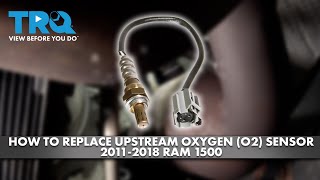
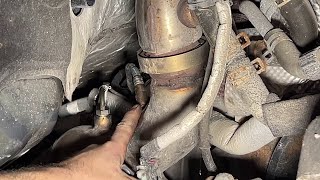
We Have This Part in Stock

The information in this article is provided for general reference and educational purposes only. Vehicle specifications, procedures, and part compatibility can vary by production date, trim level, and region. Always consult your vehicle's factory service manual and verify part numbers before purchasing or performing repairs. Safety-critical components such as airbags, seat belts, and braking systems should be installed by a qualified professional.
- Ram 1500:
- 🎬 Helpful Videos
- 🛍️ Shop This Part
- What's Unique About the 2014-2015 Ram 1500
- Diagnostic Flowchart
- Symptoms You May Notice
- Most Likely Causes
- Rare But Worth Checking
- Diagnosis Steps
- Parts You'll Likely Need
- Related Codes That Often Appear With This One
- Technical Service Bulletins (TSBs) & Recalls
- Platform-Specific Known Issues
- Mechanic-Grade Diagnostic Values
- Scan Tool Commands That Help
- Wiring & Ground Locations
- Real Owner Repair Stories
- When the Usual Fixes Don't Work
- OEM Part Supersession History
- Model Year Variations Within This Range
- 🎟️ Get 5% Off