

P2196 on 2015-2018 Ford Transit: Causes for Stuck Rich O2 Sensor and Fixes
On a 2015-2018 Ford Transit, code P2196 is most often caused by a known water leak from the cowl onto the engine, soaking the air filter and wiring, as outlined in Ford TSB 19-2091. This water intrusion is the primary suspect. The second most likely cause is a failed EVAP purge valve stuck open, a common issue on Fords. Addressing the water leak by installing the updated hardware from the TSB is critical before replacing any sensors.
- For a P2196 on a 2015-2018 Transit, your first inspection should be for water in the air filter box, which points to a known cowl leak.
- The second most common cause is a failed EVAP purge valve, which is a frequent issue on Ford vehicles and is easy to test.
- Do not replace the oxygen sensor until you have ruled out the water leak and the purge valve, as these are more likely culprits on this van.
- If P2198 (Bank 2) is also present, it strongly suggests a problem affecting the whole engine, like the water leak or purge valve, not an isolated sensor.
- The official fix for the water leak is detailed in Ford TSB 19-2091 and involves installing an updated water deflector kit.
What's Unique About the 2015-2018 Ford TRANSIT

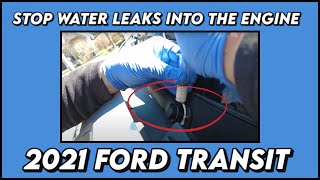
Unlike many vehicles where this code points to a simple sensor or fuel injector issue, the 2015-2018 Ford Transit has a well-documented design issue. A poor seal at the base of the windshield (cowl) 🎬 Watch: See how water leaks through the cowl gutter. allows water to drip directly onto the engine, air intake, and critical wiring harnesses. This water intrusion is the subject of manufacturer technical service bulletins (TSB 19-2091 and 17-0014) and is a primary cause of P2196 and a host of other related engine problems on this specific platform. Owners on forums frequently discuss the rust and corrosion this causes in the engine bay.
Diagnostic Flowchart

Tap your situation to follow the diagnostic path that matches what you're seeing on this vehicle.
Symptoms You May Notice
- Check Engine Light is on
- Reduced fuel economy
- Rough idle or engine misfires
- Difficulty starting the engine, especially after rain
- Engine may hesitate or stumble during acceleration
- Possible smell of gasoline or black smoke from the exhaust
- Engine stalling
- Replacing the oxygen sensor without first checking for the TSB-related water leak or a faulty purge valve. The new sensor will likely read the same rich condition if the root cause isn't fixed.
Most Likely Causes

- Water Intrusion from Cowl Area 🔴 High Probability A known design flaw allows water to leak past the cowl panel seal at the base of the windshield, dripping onto the engine, air filter, and wiring harnesses. This is documented in Ford TSBs 19-2091 and 17-0014.
How to confirm: Open the hood and inspect the top of the engine and the air filter box for signs of water trails, dirt streaks, rust, or corrosion. Check the engine air filter to see if it is damp, saturated with water, or frozen in cold climates. A wet air filter is a definitive sign of this issue.
Typical fix: Install the updated water management hardware specified in TSB 19-2091. This includes a new cowl leaf screen seal, a water deflector, and potentially a revised air cleaner cover. The cowl area must be cleaned and resealed with silicone sealant. Some owners also apply silicone to the base of the wiper arms as an extra precaution.
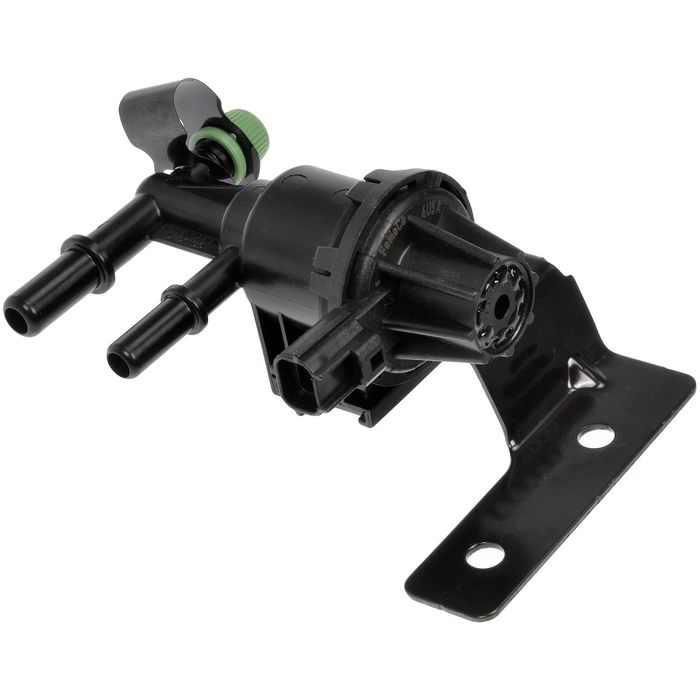
Est. part cost: $50-$150 for the TSB hardware kit. - Faulty EVAP Canister Purge Valve 🔴 High Probability Ford vehicles from this era are known to have issues with the purge valve sticking open. This allows un-metered fuel vapors from the tank to be drawn into the engine at idle, creating a rich condition that the O2 sensor correctly reports. This often sets codes P2198 and P1450 as well. 🎬 See this walkthrough on fixing common Ford EVAP issues.
How to confirm: Disconnect the vapor line from the purge valve with the engine running at idle. There should be no vacuum felt at the port. If you feel suction, the valve is stuck open and has failed.
Typical fix: Replace the canister purge valve. The Motorcraft part number is commonly CU5Z-9F945-A, which may be superseded by HU5Z-9F945-A.
Est. part cost: $30-$70 - Faulty Upstream Oxygen Sensor (Bank 1, Sensor 1) 🟡 Medium Probability The sensor can fail from age, contamination (including from the aforementioned water leak), or internal heater circuit failure. However, it is often replaced unnecessarily when the root cause is a water leak or purge valve issue.
How to confirm: Use a scan tool to monitor the live data for the B1S1 O2 sensor. If it is stuck at a high voltage (above 0.8v) and does not fluctuate, and you have ruled out water intrusion and a bad purge valve, the sensor is likely faulty. You can create a vacuum leak to see if the voltage drops; if it doesn't, the sensor is bad.
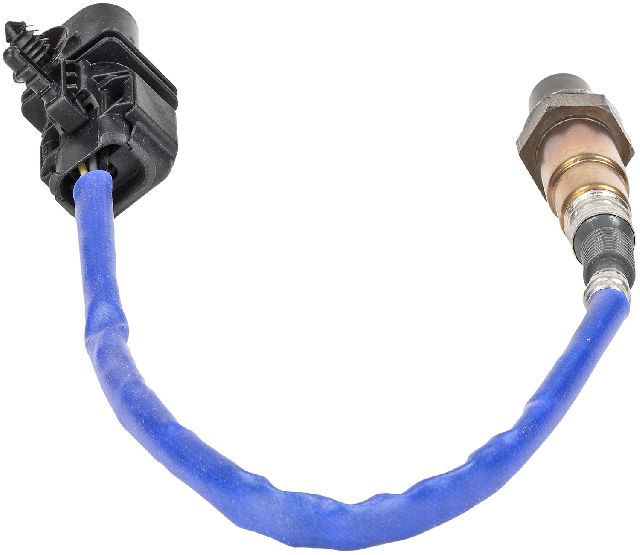
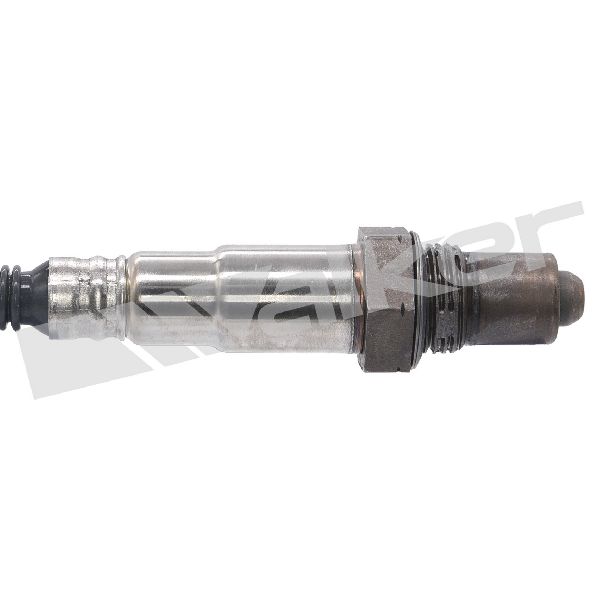
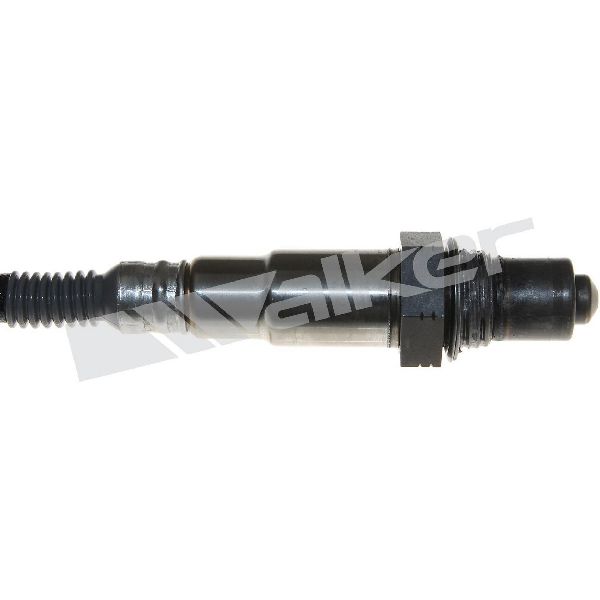
Typical fix: Replace the Bank 1, Sensor 1 oxygen sensor. For the 3.5L EcoBoost, a common part is Denso 234-5097. 🎬 Watch: How to replace the upstream O2 sensor. A Motorcraft OEM part number is ML3Z-9F472-FA.
Est. part cost: $50-$120 - Leaking Fuel Injector(s) ⚪ Low Probability
How to confirm: Perform a fuel pressure leak-down test. If pressure drops quickly after the engine is off, it may indicate a leaking injector. You can also remove the fuel rail with injectors attached, cycle the key to pressurize the system, and visually check if any injectors drip fuel.
Typical fix: Replace the faulty fuel injector(s). It is recommended to replace them as a set to ensure even engine operation.
Est. part cost: $70-$200 per injector
Rare But Worth Checking
- High Fuel Pressure: A failing fuel pressure regulator or a faulty fuel pump driver module can cause system-wide high pressure, leading to rich conditions on both banks. Check fuel pressure with a mechanical gauge against specifications.
- Contaminated Engine Oil: In cases of a severe, long-term rich condition (often from a bad purge valve), fuel can contaminate the engine oil. This fuel-laden oil can vaporize in the crankcase and be pulled through the PCV system, perpetuating the rich condition even after the initial fault is fixed. An oil change and a PCM Keep Alive Memory (KAM) reset may be necessary.
- Clogged Catalytic Converter: A clogged or damaged catalytic converter on Bank 1 can trap exhaust gases, causing the O2 sensor to read a false rich condition. One user on a forum discovered this was their issue after replacing many other parts.
- Faulty Powertrain Control Module (PCM): This is extremely rare, but a PCM can fail internally and misinterpret sensor data. This should only be considered after all other possibilities have been exhaustively ruled out.
Diagnosis Steps
- Scan for all DTCs. Note if codes affecting both banks (like P2198) or EVAP codes (like P1450) are present, as this strongly suggests a systemic issue like the purge valve or water leak.
- Critical First Step: Open the hood and inspect the air filter. If it is wet, damp, or shows signs of water staining, proceed with the TSB 19-2091 water leak repair. This is the most likely cause.
- Inspect the top of the engine, wiring harnesses (especially O2 sensor connectors), and around the airbox for water trails, rust, or corrosion, which also points to the cowl leak.
- If the air filter is completely dry, locate the EVAP purge valve. With the engine running at idle, disconnect the line coming from the charcoal canister and check for vacuum at the valve's port. If suction is present, the valve is stuck open and must be replaced.
- If the above tests pass, use a scan tool to observe the Bank 1 Sensor 1 O2 sensor voltage. Confirm it is stuck high (e.g., >0.8V) and not fluctuating.
- To test the sensor's reaction, intentionally create a large vacuum leak (e.g., by removing the oil cap or a vacuum hose). The O2 sensor voltage should drop towards lean (e.g., <0.2V). If the voltage drops, the sensor is likely working and there is a real rich condition. If the voltage stays high, the sensor or its wiring is likely faulty.
- If a true rich condition exists and the purge valve is good, test fuel pressure to check for a faulty regulator. For the 3.5L EcoBoost, the low-pressure side should be around 50 PSI, while the high-pressure side can reach over 2,000 PSI.
- If fuel pressure is normal, investigate for leaking fuel injectors or, in rare cases, a clogged catalytic converter.
Parts You'll Likely Need
- Cowl Water Leak Repair Kit (TSB 19-2091)
(OEM #CK4Z-6102408-AA (Water Deflector), CK4Z-61021A46-A (Leaf Screen Seal), 4L3Z-18203A16-AA (Mastic Patch), JK4Z-9661-D (Air Cleaner Cover for 3.5L), etc.)— These parts are required to fix the known water intrusion issue as per TSB 19-2091, which is a primary cause of P2196 on this vehicle.
Trusted brands: Motorcraft
OEM price range: $50-$150 - EVAP Canister Purge Valve
(OEM #CU5Z-9F945-A (may be superseded by HU5Z-9F945-A))— A very common failure point on Ford vehicles that causes rich condition codes. Often fails alongside P1450.
Trusted brands: Motorcraft, Dorman
OEM price range: $50-$80
Aftermarket price range: $30-$60 - Upstream Oxygen Sensor (Bank 1)
(OEM #Motorcraft ML3Z-9F472-FA)— The sensor itself can fail, but it should only be replaced after ruling out the more common water leak and purge valve issues.
Trusted brands: Motorcraft, Denso, NGK
OEM price range: $70-$120
Aftermarket price range: $50-$90
Related Codes That Often Appear With This One
- P0172 — System Too Rich (Bank 1). This is a more general code that is often set alongside the more specific P2196, as both indicate a rich condition on Bank 1.
- P2198 — O2 Sensor Signal Stuck Rich (Bank 2, Sensor 1). If this code is present with P2196, it points to a problem affecting both engine banks, such as a water-saturated air filter, a faulty purge valve, or high fuel pressure.
- P1450 — Unable to Bleed Up Fuel Tank Vacuum. This code often appears with P2196/P2198 and strongly points to a faulty EVAP system component, most commonly the purge valve.
- P00BD, P1247, P0131, etc. — These are part of a long list of codes mentioned in TSB 19-2091 that can be caused by the water intrusion issue.
Technical Service Bulletins (TSBs) & Recalls

- TSB 19-2091: Supersedes TSB 18-2321. Addresses various drivability concerns (including a long list of DTCs like P2196) on 2015-2018 Transits built on or before 24-Jul-2018. The cause is identified as 'undesired water entry into the engine compartment'. The fix involves installing an updated water deflector, seals, and potentially a new air cleaner cover.
- TSB 17-0014: An earlier version of the water-leak TSB for 2015 Transits built on or before 30-Mar-2015. It addresses the same list of DTCs and symptoms caused by water intrusion and prescribes a similar, albeit less comprehensive, fix involving new seals.
Platform-Specific Known Issues
- TSB 19-2091 and TSB 17-0014 describe a recurring problem where water enters the engine compartment from a poorly sealed cowl panel. This water can saturate the air filter, causing a rich condition, and damage wiring to various powertrain components, triggering P2196 and many other codes.
Mechanic-Grade Diagnostic Values
- Upstream O2 Sensor (Narrowband) Voltage — expected: Rapidly fluctuating between approximately 0.1V (lean) and 0.9V (rich) in closed-loop operation.. Failure: Voltage is stuck high, near 0.9V, and does not fluctuate even when a vacuum leak is introduced.
- Short-Term Fuel Trim (STFT) - Bank 1 — expected: Fluctuating near 0%, typically within +/- 10%.. Failure: Strongly negative, such as -25% or more, as the PCM tries to compensate for the perceived rich condition.
- 3.5L EcoBoost Low-Side Fuel Pressure — expected: Around 50 PSI.. Failure: Significantly higher or lower than the specified range.
- 3.5L EcoBoost High-Side Fuel Pressure (Direct Injection) — expected: Can range from 600 PSI at light load up to 2,150 PSI or more at wide-open throttle.. Failure: Pressure that is excessively high at idle or does not respond correctly to engine load.
Scan Tool Commands That Help
- Ford IDS (or equivalent high-level scanner): KAM (Keep Alive Memory) Reset — After fixing a significant rich condition (like a bad purge valve), a KAM reset clears the long-term fuel trim adaptations. This is crucial if fuel has contaminated the engine oil, as the old adaptations will continue to cause issues even after the primary part is replaced.
Wiring & Ground Locations
- G100 — Left rear corner of the engine compartment.. This is a primary engine ground. A poor connection here can cause erratic sensor readings, including for the O2 sensors and other engine management components that rely on a stable ground reference.
- Engine Lifting Eye — A metal loop on the engine block, often used as a factory lifting point.. In some cases where the designated under-hood ground point is missing or damaged, owners and moderators on forums suggest using the engine lifting eye as a reliable chassis ground point for testing or jump-starting. This can be a useful temporary ground for diagnostic purposes.
- B-Pillar D-Ring Mount — The mounting point for the seatbelt D-ring on the B-pillar inside the cab.. While not in the engine bay, this is identified by van builders as a robust chassis ground point. If chasing an elusive electrical issue suspected to be ground-related, verifying all major chassis grounds is important, and this is a known good location.
Real Owner Repair Stories
- Ford Truck Enthusiasts Forums (2009 F-350 with 5.4L V8 (Note: Different vehicle, but identical code and diagnostic logic)) — After a new engine install, it ran horribly, idled fine but stumbled on throttle with bad vibration at 2000 RPMs. P2196 was present and the exhaust smelled awful.
❌ Tried (didn't work) Checked fuel pressure (it was good)., Checked for leaking fuel injectors (none were leaking)., Checked spark plugs (they looked fine)., Checked for vacuum leaks., Swapped O2 sensors from bank to bank (code did not move)., Swapped fuel injectors from bank to bank (no change).
✅ What actually fixed it The catalytic converter on Bank 1 was clogged/stopped up. The technician confirmed this by removing the upstream O2 sensor to create an exhaust leak before the converter; the engine immediately began running smoothly. Replacing the catalytic converter resolved the issue. - Reddit r/MechanicAdvice (2014 F-150 3.5L EcoBoost (Note: Different vehicle, similar engine family and common Ford issues)) — Codes P1450, P2196, and P2198 with 'ridiculous' fuel trims.
❌ Tried (didn't work) Replacing the EVAP canister purge valve (CPV) alone did not fix the fuel trims.
✅ What actually fixed it The stuck-open purge valve had caused excessive fuel to contaminate the engine oil. The final fix required both replacing the purge valve AND performing an oil change and a Keep Alive Memory (KAM) reset to clear the learned fuel trims.
OEM Part Supersession History
CU5Z-9F945-A→HU5Z-9F945-A— Standard part revision by Ford.
Heads up: None noted. HU5Z-9F945-A is the direct replacement for CU5Z-9F945-A.
Model Year Variations Within This Range
- 2015-2018 (built on or before July 24, 2018): Vehicles built on or before July 24, 2018, are subject to the cowl water leak issue described in TSB 19-2091. Vehicles built after this date presumably have the updated water management hardware from the factory, making the water leak a less likely, though not impossible, cause.
Helpful Videos

Used OEM Parts in Stock
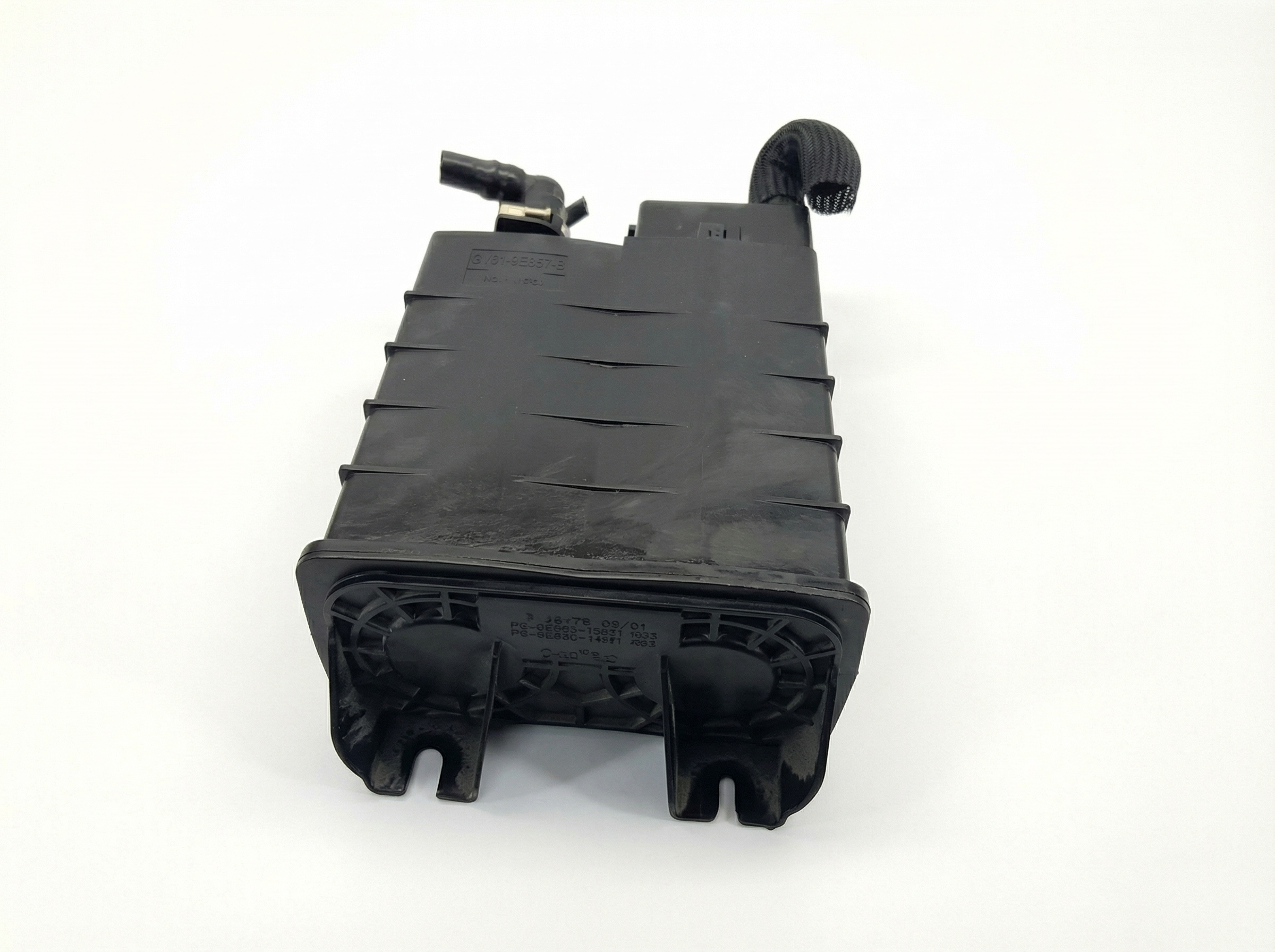
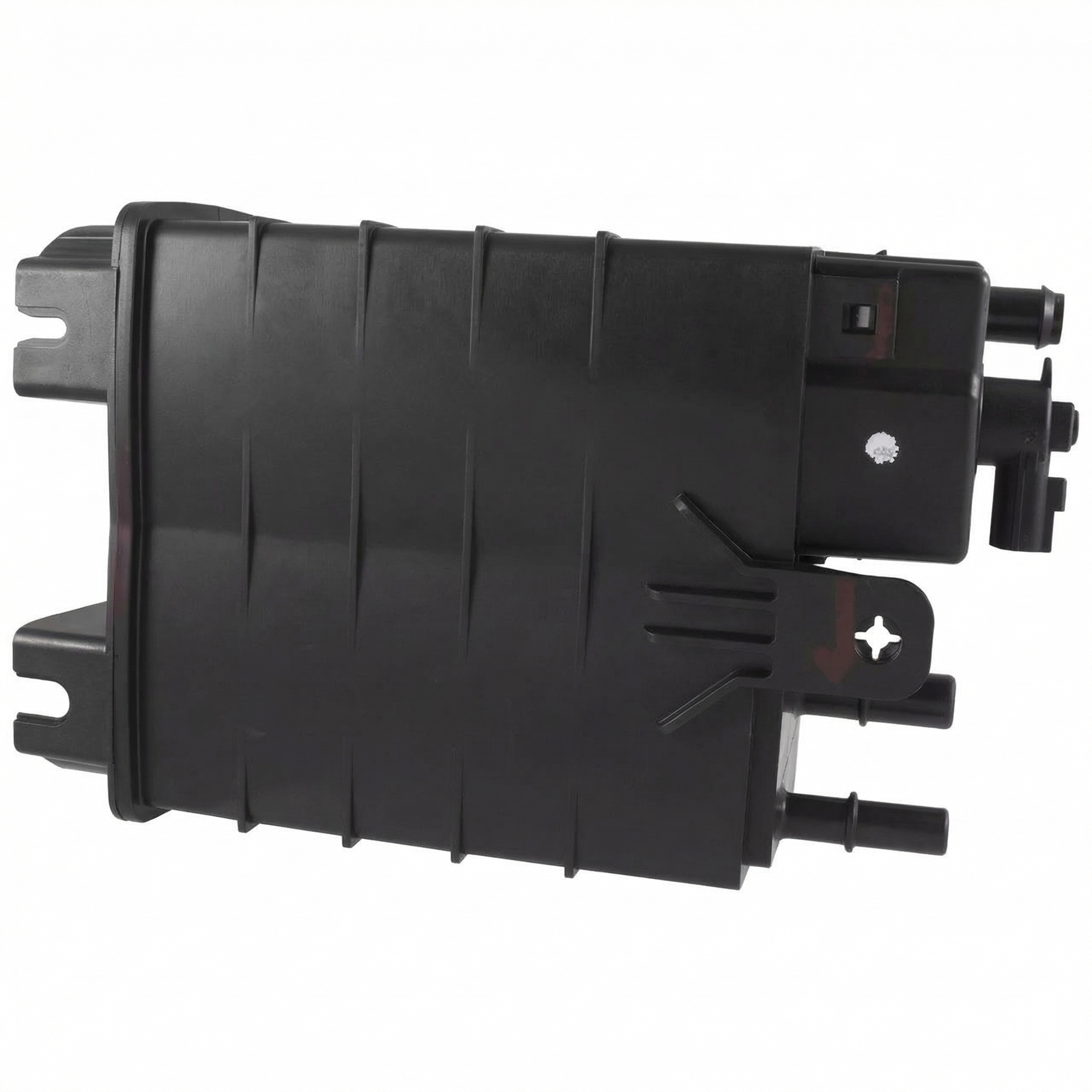
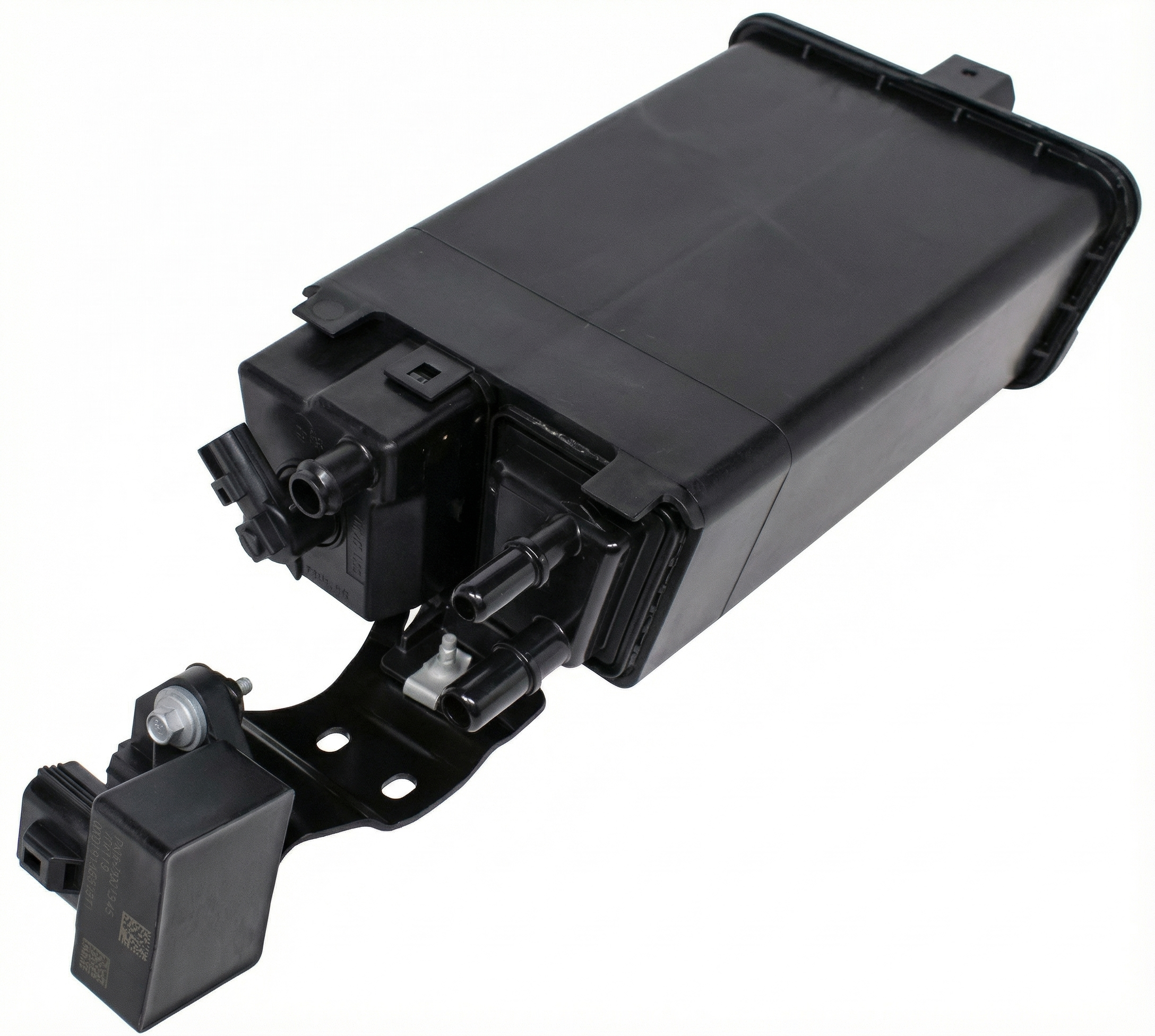
New Aftermarket Parts Available


The information in this article is provided for general reference and educational purposes only. Vehicle specifications, procedures, and part compatibility can vary by production date, trim level, and region. Always consult your vehicle's factory service manual and verify part numbers before purchasing or performing repairs. Safety-critical components such as airbags, seat belts, and braking systems should be installed by a qualified professional.
- Ford TRANSIT:
- 🎬 Helpful Videos
- 🛍️ Shop This Part
- What's Unique About the 2015-2018 Ford TRANSIT
- Diagnostic Flowchart
- Symptoms You May Notice
- Most Likely Causes
- Rare But Worth Checking
- Diagnosis Steps
- Parts You'll Likely Need
- Related Codes That Often Appear With This One
- Technical Service Bulletins (TSBs) & Recalls
- Platform-Specific Known Issues
- Mechanic-Grade Diagnostic Values
- Scan Tool Commands That Help
- Wiring & Ground Locations
- Real Owner Repair Stories
- OEM Part Supersession History
- Model Year Variations Within This Range
- 🎟️ Get 5% Off