

P2196 on 2019-2021 Ford Escape: Causes of a Stuck Rich O2 Sensor
On a 2019-2021 Ford Escape, code P2196 often points to issues beyond a bad O2 sensor. The most likely causes are a leaking EGR cooler (especially on 2019-2020 2.0L models), a chafed wiring harness near the steering column (2020 models), or a stuck-open EVAP purge valve, as identified in Ford's Technical Service Bulletins.
- For a 2019-2021 Ford Escape, P2196 is more than just a bad O2 sensor; it's a signal to investigate known vehicle-specific problems.
- Always check for TSBs first. A leaking EGR cooler (2019 models) and a chafed wiring harness (2020 models) are documented causes.
- A stuck-open EVAP purge valve is another highly common cause for this code on Fords and is a relatively simple part to test and replace.
- Avoid the common misdiagnosis of immediately replacing the oxygen sensor. Proper diagnosis is crucial to prevent wasting money on parts that won't fix the root cause.
- Due to the complexity of the likely causes, seeking professional diagnostic help is strongly recommended.
What's Unique About the 2019-2021 Ford ESCAPE

While on many vehicles P2196 leads to replacing the O2 sensor, on the 2019-2021 Escape, this is often a misdiagnosis. Ford has issued several Technical Service Bulletins (TSBs) that point to more complex root causes. These include an EGR cooler that leaks coolant into the intake system on 2.0L engines (TSB SSM 48345), and a specific wiring harness (14290) that is prone to chafing near the steering column on 2020 models, causing electrical faults (TSBs SSM 50245, SSM 50116). A stuck-open EVAP purge valve is also a very common failure on Ford vehicles that causes this code.
Diagnostic Flowchart
Tap your situation to follow the diagnostic path that matches what you're seeing on this vehicle.
Generation note: This range covers two generations: 2019 is the end of the 3rd generation, and 2020-2021 begins the 4th generation. TSB SSM 48345, regarding the EGR cooler, specifically applies to the 2019-2020 model years with the 2.0L EcoBoost engine. The wiring harness issues mentioned in TSBs SSM 50245 and SSM 50116 are documented for the 2020 model year Escape and its platform-mate, the Lincoln Corsair. While the causes can be similar, component locations may differ between generations and engines.
Symptoms You May Notice
- Check Engine Light is on
- Rough running or engine misfires
- Reduced fuel economy
- Black smoke from the exhaust
- Smell of gasoline
- Engine temperature warning light (if related to EGR cooler leak) [TSB #SSM 48345]
- Noticeable coolant loss with no visible external leaks (if related to EGR cooler leak) [TSB #SSM 48345, 16]
- Replacing the Bank 1 Sensor 1 oxygen sensor without first checking for TSBs. The TSBs for the EGR cooler (2.0L) and chafed wiring harness are very specific to this vehicle and should be the first items investigated.
Most Likely Causes


- Leaking EGR Cooler (2.0L EcoBoost Engine) 🔴 High Probability A known issue documented in Ford TSB #SSM 48345 for 2019-2020 models with the 2.0L engine. The cooler can leak internally, allowing engine coolant to enter the intake and exhaust systems, which the O2 sensor interprets as a rich mixture.
How to confirm: Inspect for steady coolant loss without external leaks, check for white, sweet-smelling smoke from the exhaust, and look for DTCs like P0217 (Engine Overheat). A mechanic will perform a cooling system pressure test to confirm the leak is internal and may use a borescope to inspect the intake for coolant.
Typical fix: Replace the EGR cooler assembly and associated gaskets/tubes. 🎬 See how a mechanic replaces a leaking 2.0L EGR cooler.
Est. part cost: $250-$500 - Chafed 14290 Wiring Harness 🔴 High Probability Documented in Ford TSBs #SSM 50245 and #SSM 50116 for 2020 models. The harness can rub against the steering shaft u-joint, causing shorts or open circuits for various sensors, including the O2 sensor.
How to confirm: Visually inspect the 14290 harness directly above the steering shaft u-joint for damage. Check if fuse 44 in the BCM is blown, as this is a common symptom mentioned in the TSBs. Multiple seemingly unrelated DTCs may be present along with P2196.
Typical fix: Repair the damaged wires and secure the harness away from the steering shaft to prevent future chafing. This may involve splicing wires and using protective conduit.
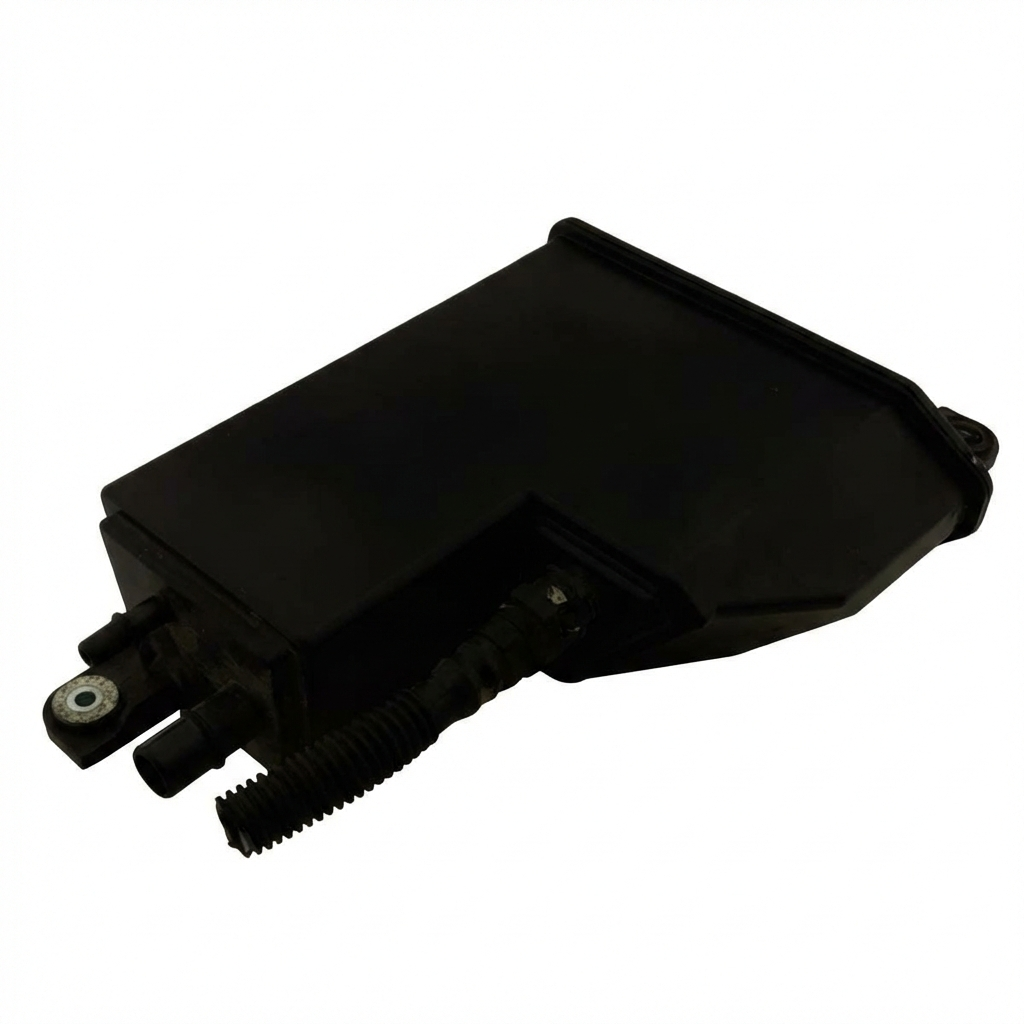
Est. part cost: $10-$50 for repair materials - Stuck-Open EVAP Purge Valve 🔴 High Probability This is a widely recognized issue across many Ford models. When the valve sticks open, it allows unmetered fuel vapors from the gas tank to be constantly drawn into the engine, creating a rich condition. Overfilling the fuel tank can flood the charcoal canister and cause this failure.
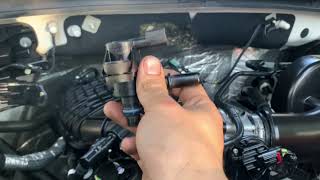
How to confirm: With the engine running, disconnect the vapor line from the purge valve. If you can feel vacuum suction from the valve's port, it is stuck open and needs to be replaced. Alternatively, remove the valve and try to blow through it; if air passes, it has failed.
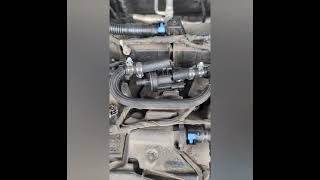
Typical fix: Replace the EVAP purge valve. For the 1.5L engine, this is often sold as a complete hose assembly. 🎬 Watch: Step-by-step purge valve replacement on the 1.5L engine.
Est. part cost: $30-$110 - Faulty Upstream Oxygen Sensor (Bank 1, Sensor 1) 🟡 Medium Probability While a common cause on any vehicle, it should be considered on the Escape only after ruling out the TSB-related issues. The sensor can fail and send incorrect 'rich' signals to the PCM.
How to confirm: Use a scan tool to monitor the Bank 1 Sensor 1 voltage. A healthy sensor's voltage will fluctuate rapidly between approximately 0.1 and 0.9 volts. If the voltage is stuck high (e.g., above 0.8V), the sensor may be faulty or it is correctly reporting a rich condition from another cause. 🎬 Watch this guide to troubleshooting P2196 rich codes on Fords.
Typical fix: Replace the Bank 1, Sensor 1 oxygen sensor.
Est. part cost: $50-$150 - Leaking Fuel Injector(s) ⚪ Low Probability
How to confirm: A fuel pressure leak-down test can indicate a leaking injector. Another method is to remove the spark plugs and inspect them; a plug from a cylinder with a leaking injector will be black and sooty.
Typical fix: Replace the faulty fuel injector(s).
Est. part cost: $70-$200 per injector
Rare But Worth Checking
- High Fuel Pressure: A failing fuel pressure regulator or fuel rail pressure sensor can cause system-wide high fuel pressure, leading to a rich condition.
- Dirty or Faulty Mass Airflow (MAF) Sensor: If the MAF sensor under-reports the amount of air entering the engine, the PCM will inject too much fuel. Cleaning the sensor with a dedicated MAF sensor cleaner may resolve the issue.
- Incorrectly Learned Fuel Composition: On some Ford vehicles, particularly flex-fuel models, the PCM can incorrectly learn a high ethanol content, causing it to enrich the fuel mixture. This may require a PCM reset or a specific relearn procedure.
Diagnosis Steps
- Scan the PCM for all stored and pending trouble codes. Pay close attention to any other codes that are present, as they can point to the root cause (e.g., wiring harness TSB).
- Check for applicable TSBs for your vehicle's specific year and engine. Prioritize investigating TSBs #SSM 48345 (2.0L engine), #SSM 50245, and #SSM 50116.
- If codes from the wiring harness TSBs are present, inspect fuse 44. If blown, meticulously inspect the 14290 harness near the steering shaft for chafing or damage.
- If coolant loss or overheating symptoms are present (especially on a 2019-2020 2.0L model), investigate the EGR cooler for internal leaks per TSB #SSM 48345. This usually requires a cooling system pressure test.
- Test the EVAP purge valve. Disconnect the hose leading from the canister and check for vacuum at the valve port with the engine running. There should be none at idle.
- If TSBs and the purge valve check out, use a scan tool to monitor live data. Watch the voltage of the Bank 1 Sensor 1 O2 sensor and check short-term and long-term fuel trims. High negative fuel trims confirm the PCM is trying to correct a rich condition.
- Investigate the fuel system. Check for leaking injectors and verify fuel pressure is within specification.
- Only after all other possibilities are exhausted should the oxygen sensor itself be considered the primary point of failure.
Parts You'll Likely Need

- EGR Cooler
(OEM #K2GZ-9F464-B)— A documented failure point on 2019-2020 2.0L models causing coolant to leak into the intake, triggering a rich code. [TSB #SSM 48345, 8, 30]
Trusted brands: Motorcraft
OEM price range: $350-$500
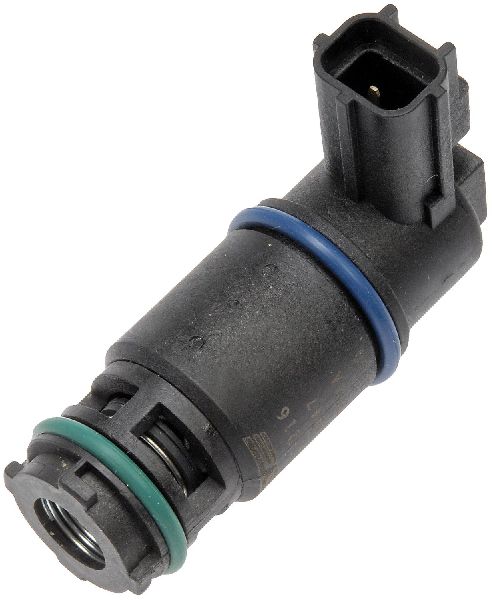
Aftermarket price range: $250-$400 - EVAP Canister Purge Valve
(OEM #CX-2456 (Motorcraft))— A very common failure on Ford vehicles that causes a rich condition when it sticks open. Note: For the 1.5L engine, this is often part of a larger hose assembly (Part # LX6Z9D289SJ).
Trusted brands: Motorcraft, Dorman
OEM price range: $50-$90
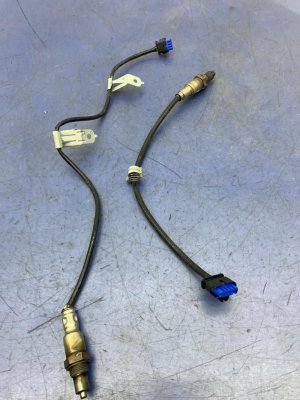
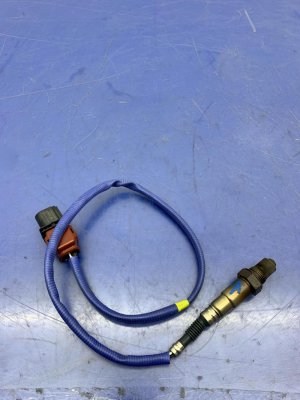
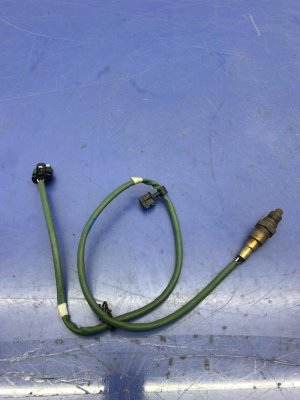
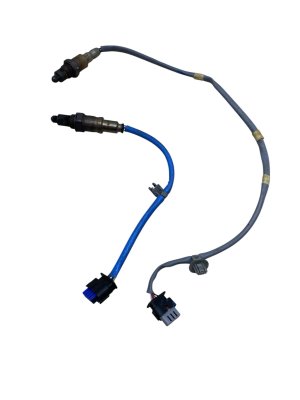
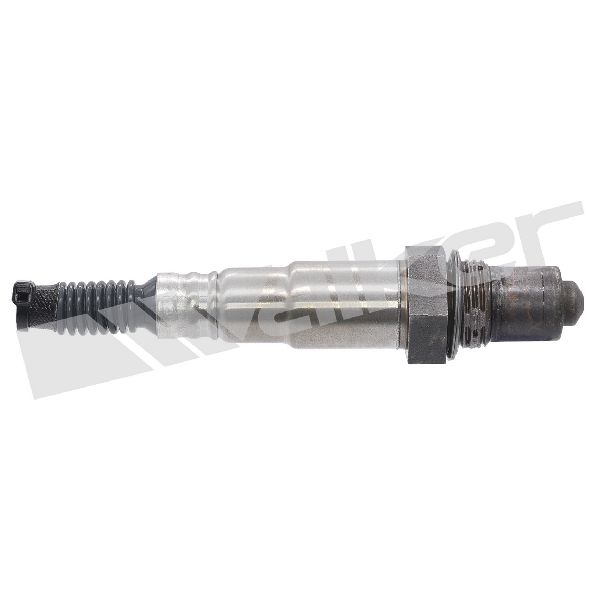
Aftermarket price range: $30-$70 - Upstream Oxygen Sensor (Bank 1, Sensor 1) — This is the sensor that reports the code. It should only be replaced after verifying it is the cause of the fault and not just accurately reporting a rich condition caused by something else.
Trusted brands: Motorcraft, Bosch, NTK
OEM price range: $80-$150
Aftermarket price range: $50-$100
Related Codes That Often Appear With This One
- P0217 — This 'Engine Overheat' code can appear with P2196 if a leaking EGR cooler is the root cause, as noted in TSB #SSM 48345.
- P06A7, P0840, P2122, and others — A long list of various codes may accompany P2196 if the 14290 wiring harness is chafed, as these circuits may share the same damaged harness. [TSB #SSM 50245, TSB #SSM 50116]
- P0496 — This 'EVAP Flow During a Non-Purge Condition' code often appears when the EVAP purge valve is stuck open, a common cause of P2196 on Fords.
Technical Service Bulletins (TSBs) & Recalls
- SSM 50245: Notes that a chafed 14290 harness can cause a rough run condition, an open fuse 44, and set code P2196, among many others.
- SSM 48345: Links P2196 to a leaking EGR Cooler on 2019 models, causing coolant to enter the intake system.
- SSM 50116: Reinforces the 14290 harness chafing issue near the steering shaft as a cause for P2196 and other electrical DTCs.
Platform-Specific Known Issues
- EVAP Purge Valve on 1.5L Engine is an Assembly: On the 1.5L EcoBoost engine, the EVAP purge valve is often sold as a complete assembly with molded hoses. Unlike other engines where the valve itself can be replaced, on the 1.5L, the entire hose and valve unit must be purchased, which increases the part cost and complexity slightly. A YouTube video by 'mechanicRHP' shows this specific part and its part number.
- Owner Complaint of Coolant Intrusion: A complaint on CarComplaints.com for a 2019 Escape describes the classic symptoms of internal coolant leakage: constantly needing to add coolant with no visible leak on the ground, and the dealer confirming coolant intrusion. This aligns directly with the symptoms of a leaking EGR cooler or the more severe engine block issue.
Mechanic-Grade Diagnostic Values
- Upstream O2 Sensor (Bank 1, Sensor 1) Voltage — expected: Rapidly fluctuating between ~0.1V (lean) and ~0.9V (rich) at idle on a warm engine.. Failure: Voltage is stuck high (above 0.8V) or not fluctuating. This indicates the sensor is reading rich, either due to a sensor fault or an actual rich condition.
- Short-Term Fuel Trim (STFT) — expected: Fluctuating near 0% on a warm, idling engine.. Failure: Strongly negative values (e.g., -20% to -30%) indicate the PCM is aggressively removing fuel to compensate for a rich condition detected by the O2 sensor.
- Low-Pressure Fuel System Pressure — expected: Approximately 55-73 psi.. Failure: Pressure significantly above or below this range can indicate a problem with the in-tank fuel pump or the low-pressure fuel sensor.
Scan Tool Commands That Help
- Ford IDS / FORScan: Clear/Reset Keep Alive Memory (KAM) — After a repair, especially one related to the fuel system or a major sensor. This function erases long-term fuel trims and other learned adaptive values, forcing the PCM to start fresh and preventing old, incorrect data from causing issues.
- Ford IDS / High-End Bidirectional Scanner: EVAP Purge Solenoid On/Off Test — To functionally test the EVAP purge valve. Commanding the valve closed should stop all flow; commanding it open should allow vacuum to pass. This is a definitive way to test the valve's electronic operation, complementing the manual vacuum test.
- Ford IDS: Fuel Injector Correction Factors (or IQA) — This is required whenever a fuel injector is replaced on a common rail system. Each new injector has a specific code that must be programmed into the PCM to ensure precise fuel delivery. Failure to do so can cause performance issues.
Wiring & Ground Locations

- 14290 Harness — The main front wiring harness. The specific chafe point identified in TSBs SSM 50245 and SSM 50116 is directly above the steering shaft universal joint (u-joint) near the firewall.. This harness contains circuits for multiple sensors. Damage at this location can cause a short or open in the O2 sensor circuit (or other related sensor circuits), leading to P2196 and potentially many other unrelated codes.
- Fuse 44 (BCM) — In the passenger compartment fuse box, located in the passenger footwell area.. TSBs SSM 50245 and SSM 50116 note that a blown fuse 44 is a key indicator that the 14290 harness may be chafed. This fuse powers components related to the Body Control Module.
Real Owner Repair Stories
- Reddit user PleasantGrapefruit77 (2020 Ford Escape SEL 2.0L at 60,000 miles) — After overfilling the gas tank until it overflowed, the car was hard to start, required a 'Manual Restart', and then ran with erratic RPMs. The Check Engine Light came on.
❌ Tried (didn't work) Initial dealer diagnosis was pending.
✅ What actually fixed it The user reported code P2196 immediately after the overfill incident. This strongly implies the root cause was liquid gasoline flooding the EVAP charcoal canister and being drawn into the engine through the purge valve, creating a severe rich condition. The fix is to replace the saturated charcoal canister and often the purge valve as well. - YouTube channel mechanicRHP (2020 Ford Escape 1.5L) — Check Engine Light with codes P2196, P0451, and P0496.
✅ What actually fixed it The EVAP purge valve was faulty. On the 1.5L engine, the valve is molded into a complete hose assembly and cannot be replaced individually. The entire hose assembly (Part # LX6Z9D289SJ) was replaced to fix the issue.
"I Checked Everything" — The Actual Cause
- On Ford vehicles, it's possible for all vacuum and EVAP smoke tests to pass, yet a rich condition persists. In one documented case on an F-150, the cause of P2196/P2198 was the PCM incorrectly learning a high ethanol fuel composition (64%) when the actual fuel had low ethanol (~10%). This caused the PCM to command excessively long injector pulse widths, flooding the engine with fuel. The fix was not a part replacement, but a PCM relearn procedure (clearing the KAM) to reset the learned fuel composition value.
OEM Part Supersession History
K2GZ-9F464-A→K2GZ-9F464-B— Standard part revision. The new part number represents an updated or revised version of the EGR cooler.
Model Year Variations Within This Range
- 2019 vs 2020-2021: The 2019 model is the final year of the 3rd generation Escape. The 2020 model year marked a complete redesign and the start of the 4th generation, featuring different styling, chassis, and some powertrain updates. While engine concepts are similar, part locations, wiring, and specific components (like the 14290 harness mentioned in TSBs) are specific to the 2020+ generation.
- 2020 vs 2021: The 2021 model is mostly a carry-over of the 2020 model. Changes were primarily in available option packages and making the hybrid powertrain standard on more trims. Core engine and emissions systems related to P2196 are largely identical.
Helpful Videos
Used OEM Parts in Stock
New Aftermarket Parts Available


The information in this article is provided for general reference and educational purposes only. Vehicle specifications, procedures, and part compatibility can vary by production date, trim level, and region. Always consult your vehicle's factory service manual and verify part numbers before purchasing or performing repairs. Safety-critical components such as airbags, seat belts, and braking systems should be installed by a qualified professional.
- Ford ESCAPE:
- 🎬 Helpful Videos
- 🛍️ Shop This Part
- What's Unique About the 2019-2021 Ford ESCAPE
- Diagnostic Flowchart
- Symptoms You May Notice
- Most Likely Causes
- Rare But Worth Checking
- Diagnosis Steps
- Parts You'll Likely Need
- Related Codes That Often Appear With This One
- Technical Service Bulletins (TSBs) & Recalls
- Platform-Specific Known Issues
- Mechanic-Grade Diagnostic Values
- Scan Tool Commands That Help
- Wiring & Ground Locations
- Real Owner Repair Stories
- "I Checked Everything" — The Actual Cause
- OEM Part Supersession History
- Model Year Variations Within This Range
- 🎟️ Get 5% Off