

OBD-II Code P2190: System Too Rich at Idle, Bank 2
The Ultimate Guide to Diagnosing and Fixing P2190
- Code P2190 indicates Bank 2 of your engine is receiving too much fuel at idle, immediately reducing fuel economy by 10% to 20%.
- Never replace the oxygen sensor without testing first; in 80% of cases, the sensor is correctly reporting a rich condition caused by a leaking fuel injector or dirty MAF sensor.
- Driving with an active P2190 code for more than a few weeks dumps raw fuel into the exhaust, destroying the catalytic converter and guaranteeing a $1,200 to $2,800 repair bill.
- Begin diagnosis by checking live fuel trim data; Short-Term Fuel Trims (STFT) pinned below -15% at idle that improve at 2,500 RPM strongly point to a leaking fuel injector.
What Does P2190 Mean?

The Powertrain Control Module (PCM) detects too much gasoline and not enough air in the exhaust on 'Bank 2' when the engine is at or just above idle speed. The computer attempts to reduce fuel via negative fuel trims but has reached its maximum adjustment limit (typically -15% to -25%) and cannot correct the rich mixture. Bank 2 is the side of a V-style engine that does not contain cylinder #1.
Technical definition: The Society of Automotive Engineers (SAE) defines P2190 as "System Too Rich at Idle, Bank 2." This indicates the Bank 2 upstream Air/Fuel Ratio Sensor detects a sustained rich air-fuel ratio during low RPM operation. The PCM sets the code when short-term and long-term fuel trims reach their pre-programmed negative limit and the rich condition persists.
Can I Drive With P2190?
Yes, But With Caution. Yes, but driving for extended periods is strongly advised against. The rich condition wastes fuel and causes a rough idle. Driving for even a few hundred miles overwhelms and permanently damages the catalytic converter, a repair costing $1,200 to $2,800. If the check engine light flashes, a severe misfire is actively dumping raw fuel into the exhaust—pull over and shut off the engine immediately.
Common Causes

- Leaking Fuel Injector(s) (Very Common) — One or more fuel injectors on Bank 2 are mechanically stuck open or dripping fuel. This adds uncommanded fuel to the mixture, a problem most noticeable at idle when overall fuel flow is low.
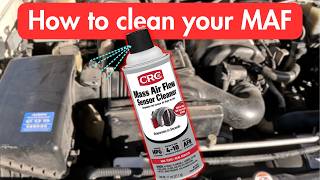
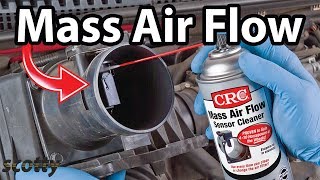
- Dirty or Faulty Mass Air Flow (MAF) Sensor (Common) — A contaminated MAF sensor under-reports the amount of air entering the engine. The computer calculates fuel for less air than is actually present, triggering a rich condition. This issue typically affects both engine banks simultaneously 🎬 Watch: A quick guide on how to clean your MAF sensor (setting P2188 and P2190).
- Faulty or Failing Oxygen (O2) Sensor (Common) — The O2 sensor on Bank 2 provides incorrect, slow, or biased readings, tricking the computer into thinking the mixture is lean. The computer then adds unnecessary fuel, causing the rich condition.
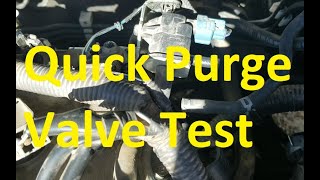
- EVAP System Purge Valve Stuck Open (Common) — A stuck-open evaporative emissions (EVAP) purge valve allows unmetered fuel vapors from the gas tank to be drawn into the engine at idle 🎬 See how to test your EVAP purge valve without special tools, adding uncommanded fuel and causing a rich condition.
- Ignition System Misfires (Common) — A failing spark plug, weak ignition coil, or bad plug wire on a Bank 2 cylinder prevents fuel from burning. This unburned fuel is pushed into the exhaust, where the O2 sensor detects it, leading to a rich code. This is always accompanied by a cylinder-specific misfire code (e.g., P0302, P0304).
- Faulty PCV/Crankcase Ventilation System (Less Common) — A stuck-open Positive Crankcase Ventilation (PCV) valve allows oil and fuel vapors from the crankcase into the intake manifold. This fouls spark plugs and adds unmetered fuel, particularly on European vehicles.
- High Fuel Pressure (Less Common) — A failing fuel pressure regulator or a restricted fuel return line causes excessive pressure in the fuel system. This forces more fuel through the injectors than the computer commands, leading to a rich mixture across all cylinders.
- Exhaust Leak (before the O2 Sensor) (Rare) — A crack in the exhaust manifold or a bad flange gasket on Bank 2 allows outside air into the exhaust stream. The O2 sensor incorrectly reads this extra oxygen as a lean condition, prompting the PCM to add excessive fuel to compensate.
Symptoms

- Check Engine Light is On — The Malfunction Indicator Lamp (MIL) illuminates on your dashboard. It flashes if a severe misfire is actively occurring.
- Rough Idle and Hesitation — The engine shakes, stumbles, or has an unstable RPM when stopped at a light. The car hesitates when accelerating from a stop.
- Strong Fuel Odor and Black Smoke — A strong smell of unburned fuel or rotten eggs emits from the exhaust. In severe cases, visible black soot or smoke comes from the tailpipe.
- Poor Fuel Economy — The vehicle consumes significantly more gas than usual, often dropping MPG by 10% to 20%.
- Elevated Idle Speed — The PCM raises the idle speed, sometimes to 1000 RPM or higher, to compensate for unstable combustion.
Diagnostic Flowchart
Tap your situation to follow the diagnostic path that matches what you're seeing on this code.
Common Fixes & Costs
- Replace Leaking Fuel Injector(s)
— Parts: $100-$300 per injector, Labor: $150-$350, ~2.5 hr book time
(Professional)
: OEM - Clean or Replace Mass Air Flow (MAF) Sensor
— Parts: $10-$200, Labor: $50-$100, ~0.5 hr book time
(DIY)
: OEM - Replace Bank 2 Oxygen Sensor
— Parts: $75-$200, Labor: $100-$200, ~1.0 hr book time
(Intermediate)
: OEM - Replace EVAP Purge Valve — Parts: $30-$100, Labor: $50-$150, ~0.5 hr book time (DIY)
- Ignition System Tune-Up — Parts: $50-$150, Labor: $100-$200, ~1.5 hr book time (Intermediate)
- Replace Fuel Pressure Regulator — Parts: $50-$200, Labor: $100-$250, ~1.2 hr book time (Intermediate)
Used vs. New Parts: Buying Guide
When a used part is worth it: For a common P2190 cause like a leaking fuel injector, buying professionally remanufactured OEM injectors is a good compromise. Avoid used injectors from junkyards as their history is unknown.
Donor-vehicle mileage cap: roughly under 60000 miles for the part to have meaningful remaining life.
Donor quality checklist:
- Ensure remanufactured injectors are from a reputable rebuilder that uses OEM cores and provides flow-matching data.
- Verify the part number exactly. Aftermarket clones have inconsistent performance.
- Ask what new components (seals, filters, nozzles) were used in the rebuilding process.
Decision logic:
- If The vehicle is under 100K miles and you plan to keep it long-term → Buy new OEM or top-tier aftermarket injectors for maximum reliability.
- If Budget is the primary concern and the vehicle is high-mileage → A quality remanufactured injector set from a trusted supplier is a viable option.
- If The part is a simple electronic sensor like a MAF → Used OEM parts from a low-mileage vehicle are a cost-effective choice.
Warranty tradeoff: Used parts often have a 30-90 day warranty covering the part only. New aftermarket parts carry a 1-year to limited lifetime warranty. Remanufactured injectors from good suppliers usually offer a 1-year warranty.
Worst-case if a used part fails: $400-$800 if a used or poorly remanufactured injector fails, requiring repeat labor costs plus the price of another part.
What Happens If You Wait — Timeline
- 0-2 weeks: Check Engine Light illuminates. You notice a faint smell of fuel at idle, but there are no other obvious performance issues. (MPG impact: 0-5%% · Added cost: $0)
- 2 weeks - 2 months: A noticeable rough or shaky idle develops, especially on cold starts. Fuel economy drops, and the smell of unburned gasoline from the exhaust becomes prominent. (MPG impact: 5-15%% · Added cost: $50-$150 in wasted fuel)
- 2-6 months: Unburned fuel overheats and damages the catalytic converter. The exhaust smells like rotten eggs. The engine hesitates on acceleration as spark plugs become fouled with soot. (MPG impact: 15-25%% · Added cost: $800-$2,500 (catalytic converter replacement is now likely required))
- 6+ months: The catalytic converter substrate melts down, causing a major exhaust blockage. Fuel washes oil off cylinder walls, causing accelerated wear to piston rings and requiring major engine repair. (MPG impact: >25%% · Added cost: $2,500-$8,000+ (includes catalytic converter and potential engine damage))
Cost of Not Fixing It
- 0-1 month: Noticeable drop in fuel economy (10-20%), rough idle, and strong fuel smell from exhaust. (Added cost: $50-$150 in wasted fuel)
- 1-6 months: Catalytic converter overheats from unburned fuel, leading to irreversible damage. O2 sensors become fouled. (Added cost: $1200-$2800 for catalytic converter replacement)
- 6+ months: Severe engine damage occurs due to fuel washing oil from cylinder walls, leading to piston ring and cylinder bore wear. (Added cost: $3000-$8000+ for major engine repairs or replacement)
Diagnosis Steps

- Check for Other Codes
Use an OBD-II scanner to read all stored trouble codes. P2190 is often accompanied by EVAP codes (P0441), misfire codes (P030X), or the companion code P2188 for Bank 1. Address these other codes first, as they pinpoint the root cause.
Tools: OBD-II Scanner (Beginner) - Analyze Live Data with a Scan Tool
Monitor Short-Term Fuel Trim (STFT) and Long-Term Fuel Trim (LTFT) for Bank 2. Highly negative numbers (e.g., -15% or more) confirm the PCM is subtracting fuel. If Bank 1 trims are normal, the problem is isolated to Bank 2. If STFT is highly negative at idle but moves toward 0% at 2500 RPM, suspect a leaking fuel injector.
Tools: OBD-II Scanner with Live Data (Intermediate) - Perform a Visual Inspection
Check for cracked or disconnected vacuum hoses around the intake manifold, PCV system, and EVAP purge solenoid. Inspect the wiring and connectors for the O2 sensor, MAF sensor, and fuel injectors on Bank 2 for damage or melting.
Tools: Flashlight (Beginner) - Test Fuel Injectors
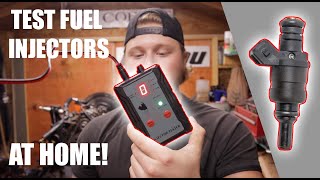
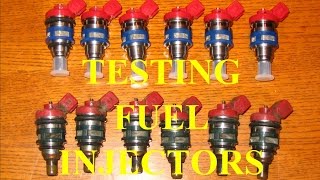
Use a mechanic's stethoscope to listen to each injector on Bank 2; they must have a consistent, sharp clicking sound. A dull or silent injector is faulty. For a definitive test, remove the fuel rail with injectors attached, prime the fuel system (DO NOT CRANK), and observe if any injectors drip fuel.
Tools: Mechanic's Stethoscope, Basic Hand Tools (Advanced) - Clean the Mass Air Flow (MAF) Sensor
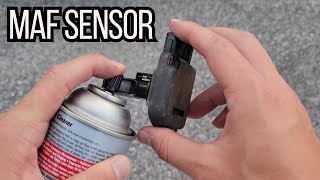
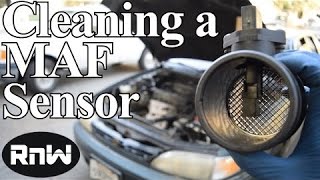
If both banks are running rich (P2188 & P2190), a dirty MAF is the primary suspect. Remove it and clean the sensitive wires ONLY with a dedicated MAF sensor cleaner spray. Let it dry completely before reinstalling.
Tools: Screwdriver/Ratchet set, MAF Sensor Cleaner (Beginner) - Test EVAP Purge Valve
Disconnect the vacuum line running from the EVAP purge valve to the intake manifold. With the engine idling, place your finger over the valve port. If you feel vacuum suction, the valve is stuck open and must be replaced.
Tools: Basic Hand Tools (Intermediate) - Inspect Ignition System on Bank 2
If misfire codes are present, remove the spark plugs from Bank 2. A plug coated in black, sooty carbon confirms a rich condition. A wet plug smelling of raw gas indicates a severe injector leak or dead ignition coil.
Tools: Spark Plug Socket, Ratchet (Intermediate) - Test for Vacuum & Exhaust Leaks
Fill the intake system with a smoke machine to reveal cracks or bad gaskets. To check for exhaust leaks, have an assistant cover the tailpipe with a rag while you listen and feel for leaks around the Bank 2 exhaust manifold.
Tools: Smoke Machine (Intermediate) - Check Fuel Pressure
Connect a fuel pressure gauge to the fuel rail's test port. Compare the reading at idle to the manufacturer's specifications (typically 40-60 PSI). Pressure that is too high confirms a faulty fuel pressure regulator.
Tools: Fuel Pressure Gauge (Advanced) - [ADVANCED] Test Fuel Injector Resistance
With the engine off, disconnect an injector on Bank 2. Measure the resistance between the two electrical pins. Most high-impedance injectors read between 10 and 16 ohms. All injectors must be within 0.5 ohms of each other; outliers are faulty.
Tools: Digital Multimeter (Advanced) - [PRO TIP] Perform Injector Power Balance Test
Use a bidirectional scan tool to deactivate one fuel injector at a time. When a good injector is deactivated, engine RPM drops noticeably. If deactivating an injector causes no change in RPM, that cylinder is the problem source.
Tools: Bidirectional Scan Tool (Professional) - [PRO TIP] Conduct O2 Sensor Circuit Voltage Drop Test
Connect the multimeter positive lead to the battery positive post and the negative lead to the O2 sensor's ground wire. A reading above 100mV (0.1V) indicates a poor ground causing false rich readings.
Tools: Digital Multimeter with Back-Probes (Professional)
When This Code Triggers (Freeze-Frame Conditions)
- Engine Coolant Temp: 185-210°F (Engine fully warmed up)
- RPM: 650-850 (At idle, in Park or Neutral)
- Engine Load: 15-30% (Low load, no accessories (like A/C) running)
- Fuel Trims (Bank 2): -15% to -25% (PCM is subtracting maximum fuel)
Related Codes

- P2188 — Identical code for Bank 1. If you have both P2188 and P2190, the cause is a component affecting both banks, such as the MAF sensor, fuel pressure regulator, or PCV system.
- P0175 — General 'System Too Rich, Bank 2' code. P2190 is specific to idle. If trims are highly negative at idle but improve at higher RPM, it points toward a P2190-type cause like a leaking injector.
- P0302, P0304, P0306 — Cylinder-specific misfire codes for Bank 2. A severe rich condition from a leaking injector fouls the spark plug, causing a misfire. The leaking injector for that specific cylinder is the prime suspect.
- P0441 / P0455 — EVAP system codes. A faulty EVAP purge valve stuck open allows unmetered fuel vapors into the intake manifold at idle. Diagnosing the EVAP purge solenoid is the top priority if these codes are present.
Climate & Environmental Factors
- High Altitude: At higher altitudes, the air is less dense. While modern PCMs adjust the air-fuel mixture to compensate, a pre-existing marginal condition (like a slightly dirty MAF sensor) is exacerbated, pushing the system into a rich condition.
- Cold Weather / Winter Fuel Blends: Cold starts inherently require a richer fuel mixture. Winter-blend gasolines have a higher Reid Vapor Pressure (RVP), which contributes to a richer-than-expected condition during the warm-up phase, potentially triggering a pending code.
How to Talk to a Mechanic About This Code
Say this: "I have an active P2190 code and my scan tool shows Bank 2 long-term fuel trim is around negative 20% at idle. I'd like to schedule a diagnostic appointment. Please focus on testing for a leaking fuel injector or a vacuum leak on Bank 2 before recommending an O2 sensor replacement."
This signals you've done basic research and understand the likely causes. It directs the technician toward a data-driven diagnosis (checking fuel trims and mechanical parts) rather than simply replacing the sensor that reported the code.
Avoid saying:
- 'My check engine light is on, can you just fix it?' (This is too vague and invites a broad, expensive diagnosis).
- 'I think it's the O2 sensor, can you replace it?' (Don't suggest a specific repair; ask for a diagnosis to confirm the cause).
- 'Just do whatever you think is best.' (This gives up all control and leads to unnecessary up-sells).
Questions to ask before authorizing the repair:
- What were the final short-term and long-term fuel trim readings for both banks at idle and at 2,500 RPM?
- If you suspect a leaking injector, what test did you perform to confirm it (e.g., fuel pressure leak-down, injector balance test)?
- Can you provide me with a written estimate that breaks down the cost of parts and labor?
- What is the warranty on the proposed parts and the labor for this specific repair?
Where to Take It: Dealer vs Independent vs Chain
- Dealer:
Best for: Vehicles still under powertrain or emissions warranty., Known manufacturer-specific issues that involve a TSB (Technical Service Bulletin) or PCM software update., Complex diagnostics on newer European brands (Audi, BMW, Mercedes-Benz).
Downsides: Significantly higher labor rates, often $150-$250 per hour., May follow rigid diagnostic flowcharts that lead to replacing entire assemblies instead of smaller failed components. (Typical cost: +50% vs. baseline) - Independent Shop:
Best fit for most out-of-warranty vehicles. P2190 requires strong diagnostic skills in reading live data, which experienced independent technicians excel at. Ensure the shop has modern scan tools.
Best for: Out-of-warranty vehicles where cost is a factor., Diagnostic challenges that require experienced, well-rounded technicians who work on multiple brands., Building a long-term relationship with a trusted mechanic.
Downsides: Shop quality and diagnostic equipment vary widely; vetting the shop's reputation and ASE certifications is crucial. (Typical cost: +0% vs. baseline) - Chain Shop:
Not recommended. While the price is tempting, there is a high risk of misdiagnosis and being sold parts you don't need. This code requires diagnostic expertise, not just part swapping.
Best for: Simple, routine maintenance like oil changes, tires, and brake pad replacement.
Downsides: Technician skill and diagnostic equipment are often not suited for complex codes like P2190., Business model creates high pressure for upselling unnecessary services, like replacing an O2 sensor without proper diagnosis. (Typical cost: -10% vs. baseline)
When to Walk Away From the Repair
If the estimated repair cost exceeds 40-50% of the car's private-party value, seriously consider selling or trading in the vehicle instead of repairing it.
- Car worth $4000, fix is $2200: Walk away. The repair cost is over 50% of the car's value. The rich condition has likely damaged the expensive catalytic converter, and a car of this value has other pending issues.
- Car worth $15000, fix is $950: Fix it. The repair cost is well under the threshold. This represents a common fix like a leaking fuel injector, and repairing it is a good investment to maintain the vehicle's value.
- Car worth $3000, fix is $450: Borderline - Fix it, but with caution. While the cost is low, be sure this is the only major issue. If the car has other significant deferred maintenance, this $450 is the start of a series of expensive repairs.
What Scan Tool You Need for This Code
Minimum: A scanner that reads and graphs live data, specifically Long-Term and Short-Term Fuel Trims (LTFT/STFT) and O2 sensor voltages.
A basic $20 code reader only shows the 'P2190' code. It cannot show the live fuel trim data essential for diagnosing *why* the code is set. Without seeing if the computer is subtracting fuel, you are guessing at the cause.
Budget: BlueDriver Pro (~$99) — Connects to your smartphone via Bluetooth and provides excellent live data graphing for fuel trims and O2 sensors. It reads freeze-frame data to see the engine conditions when the code was set, allowing an advanced DIYer to confirm the rich condition.
Mid-range: Innova 5610 or XTOOL D7 (~$300-400) — These handheld or tablet-based scanners add bidirectional controls. For P2190, this allows you to perform an injector balance test or command the EVAP purge solenoid closed to see if fuel trims normalize, moving from diagnosing to actively testing components.
Professional: Autel MaxiCOM MK808 / MK900BT (~$500-800) — Offers full bidirectional controls, manufacturer-specific codes, and special functions. It performs advanced tests like a fuel pressure leak-down test through the scan tool on some models, getting as close to a dealership tool as possible for a DIYer.
Rent vs buy: If this is a one-time repair, auto parts stores like AutoZone or Advance Auto Parts offer a loaner tool program. You can 'rent' a capable OBD-II scanner for free by leaving a refundable deposit.
How to Clear the Code After You Fix It
- Use an OBD-II scan tool to clear the trouble codes.
- Perform a complete OBD-II drive cycle to allow readiness monitors to run.
- Check for pending or current codes after the drive cycle.
Drive cycle (~30 minutes): Start with a cold engine. Idle for 2-3 minutes with A/C on. Accelerate to 55 mph and hold steady for 3-5 minutes. Decelerate to 20 mph without braking. Accelerate again to 55-60 mph and hold for 5 minutes. Decelerate to a stop.
Readiness monitors affected: Catalyst monitor, O2 sensor monitor, EVAP monitor, Fuel System monitor
Before emissions retest: drive at least 100 miles to fully set monitors.
Watch out for:
- Disconnecting the battery clears codes but resets all readiness monitors, guaranteeing an initial emissions test failure.
- The code returns quickly if the root cause was not correctly repaired.
- The EVAP monitor requires specific fuel levels (20-80% full) and ambient temperatures to run.
Will This Fail Emissions / State Inspection?
Yes — this code typically fails an OBD-II emissions inspection.
- California: An active P2190 code is an automatic failure. After repair, all readiness monitors must be complete. It takes 100-200 miles of driving to set all monitors and clear permanent codes from the ECU's memory.
- New York: NYS requires an annual safety and emissions inspection. A check engine light with code P2190 results in an immediate failure.
- Texas: In the 17 counties requiring emissions testing, an illuminated check engine light results in a failed inspection. The vehicle will not pass until the P2190 code is resolved.
Most Commonly Affected Vehicles
- Audi / Volkswagen A4, Q7, Jetta, etc. with V6/V8 engines (2010-2018) — Often related to failing high-pressure fuel pumps (HPFP) leaking fuel into the crankcase, or torn PCV valve diaphragms.
- BMW 3 Series, 5 Series, X5 with N52/N62 engines (2004-2013) — Commonly caused by leaking fuel injectors or complex issues within the crankcase ventilation (PCV) system located in the 'V' of the engine.
- Mercedes-Benz C-Class, E-Class, ML-Class (2006-2014) — Frequently triggered by a dirty MAF sensor or improperly seated air filter housings after routine service.
- Ford F-150, Explorer, Mustang with V6/V8 engines (2005-2020) — Often caused by a failing EVAP purge valve. TSB 20-2324 addresses 2018-2020 2.7L EcoBoost engines requiring injector replacement and PCM updates for rich codes.
- Hyundai / Kia Santa Fe, Genesis, Sorento with V6 engines (2007-2016) — Diagnosis prioritizes checking for intake/exhaust leaks and testing fuel pressure. PCM software updates exist for some models to correct over-sensitive fuel trim logic.
- Chevrolet Express Van (4.3L V6), Camaro (2010-2018) — Fuel system issues like a leaking injector or faulty fuel pressure regulator are common. High ethanol content in fuel is linked to this code on some Express vans.
- Toyota Prius (2010-2015) — On high-mileage vehicles, this code appears with misfire codes (P030x) due to a clogged PCV system allowing oil into the intake manifold, fouling plugs.
- Subaru Various models with H6 engines (2005-2014) — Frequently caused by exhaust leaks from cracked exhaust manifold gaskets located before the front oxygen sensor.
Manufacturer-Specific Notes
- Mercedes-Benz: An improperly seated engine air filter housing is a very common cause for rich codes (P2188/P2190) after a routine service. The seal between the airbox and the MAF sensor must be perfect.
- Audi/VW: On direct-injection engines, a failing high-pressure fuel pump (HPFP) leaks fuel internally into the crankcase. This contaminates the oil with fuel, drawing vapors through the PCV system and causing a persistent rich condition.
- Ford: A stuck-open EVAP purge solenoid is a frequent culprit on V6 and V8 engines. TSB 20-2324 notes that some 2.7L EcoBoost engines require a PCM reflash and fuel injector replacement to fix persistent rich codes.
- BMW: On N62 engines, deteriorated crankcase ventilation hoses located in the 'V' of the engine are a common source of unmetered air and fuel vapor, leading to severe fuel trim issues.
Real Owner Stories
2012 Ford F-150 EcoBoost at 110K miles
Check Engine Light came on with P2190 and a cylinder 4 misfire code (P0304). Engine had a noticeable rough idle and hesitation on acceleration.
What they tried:
- Initially replaced the spark plug and ignition coil on cylinder 4, but the codes returned.
- A mechanic performed a fuel pressure leak-down test and found pressure dropped quickly after shutting the engine off.
Outcome: Diagnosed as a leaking fuel injector on cylinder 4. Replacing the single injector and the spark plug resolved both codes. Total cost was approximately $350 for the injector and $150 for labor.
Lesson: When a rich code (P2190) appears with a specific cylinder misfire code (P030x), the fuel injector for that cylinder is a prime suspect and must be tested before replacing other parts.
2011 Audi Q7 3.0T at 95K miles
P2190 and P2188 codes appeared together (both banks running rich). The owner noted poor fuel economy and a slightly rough idle, especially when cold.
What they tried:
- Cleaned the MAF sensor, but the codes returned.
- Replaced both upstream O2 sensors, which did not solve the problem.
- A forum search pointed towards the PCV valve (crankcase breather).
Outcome: An independent Audi specialist diagnosed a failed PCV valve. The diaphragm had torn, causing unmetered air and oil vapor to be sucked into the intake. Replacing the PCV valve (~$250 part) fixed the issue.
Lesson: When both banks report a rich condition (P2188 & P2190), the cause is almost always a shared component like the MAF sensor, fuel pressure regulator, or PCV system. Do not replace individual bank components like O2 sensors until shared components are ruled out.
2012 Chevrolet Express Van (4.3L V6) at 150K miles
P2190 code appeared shortly after having all four O2 sensors replaced to fix a different code. There were no major symptoms, just a rare, mild surging idle.
What they tried:
- The mechanic confirmed the new O2 sensors were installed correctly.
- Fuel trims were monitored and appeared normal, confusing the diagnosis.
- The owner used a more advanced scan tool and discovered the original scanner was misreporting the code.
Outcome: The actual code was P219A (Bank 1 Air-Fuel Ratio Imbalance), not P2190. The issue was not a rich condition, but an imbalance between cylinders traced to a small intake manifold leak.
Lesson: The accuracy of your diagnostic tools is critical. A cheap code reader misinterprets codes, sending you down an incorrect diagnostic path. Verify with a quality scan tool if symptoms don't match the code definition.
How to Prevent This Code From Triggering
- Use Top-Tier certified gasoline (Every fill-up) — Top-Tier gas contains a higher concentration of detergents that prevent carbon deposits from sticking to fuel injectors, a primary cause of P2190.
- Clean the Mass Air Flow (MAF) sensor (Every time you replace the air filter (approx. 15,000-30,000 miles)) — Cleaning the MAF sensor with a dedicated spray prevents the buildup of dust and oil that causes the sensor to under-report airflow, leading to a rich mixture.
- Replace upstream oxygen (A/F) sensors (Every 80,000-100,000 miles, regardless of code status) — As O2 sensors age, their response time slows down. A slow sensor cannot react quickly enough to mixture changes, causing the engine to run inefficiently.
- Follow scheduled fuel filter replacement intervals (Per manufacturer's recommendation (e.g., every 30,000-60,000 miles)) — A clean fuel filter prevents contaminants from reaching and clogging or damaging fuel injectors, preventing the sort of injector failure that leads to leaks.
Frequently Asked Questions
What does 'Bank 2' mean?
On a V-shaped engine, 'Bank 1' is the side containing cylinder #1, and 'Bank 2' is the opposite side. On an inline-6, the banks are typically split (e.g., cylinders 4-6 are Bank 2). Inline 4-cylinder engines only have Bank 1 and cannot trigger this code.
What's the most common misdiagnosis for P2190?
The most common mistake is immediately replacing the Bank 2 oxygen sensor without further diagnosis. A leaking fuel injector or a dirty MAF sensor frequently causes a perfectly good O2 sensor to report a rich condition. Always analyze fuel trim data and perform mechanical checks before replacing sensors.
Can a bad spark plug cause P2190?
Yes, indirectly. A fouled spark plug causes a misfire, meaning the fuel and air in that cylinder remain unburned. The O2 sensor reads this expelled unburned fuel as a rich condition, triggering code P2190.
Can I just clear the code and see if it comes back?
You can, but P2190 indicates a persistent air-fuel mixture problem the PCM cannot correct. The code returns within a few drive cycles until the underlying mechanical or electrical issue is fixed.
Will a P2190 code cause me to fail an emissions test?
Yes, absolutely. A P2190 code means your engine is running rich and the Check Engine Light is on, resulting in an automatic failure of any OBD-II emissions test. The rich condition also drastically increases emissions of hydrocarbons and carbon monoxide.
Can a bad catalytic converter cause a P2190 code?
No, it is the other way around. A P2190 rich condition damages the catalytic converter by dumping excess fuel that ignites inside the honeycomb, causing it to melt. A damaged converter sets secondary codes like P0420 or P0430.
Is it better to clean or replace a fuel injector?
Fuel system cleaners help with minor deposit buildup but cannot fix a mechanically failed injector that is leaking or stuck open. In the case of P2190, where a leak is the primary suspect, the injector requires replacement. Professional off-car cleaning and flow testing can sometimes restore an injector, but replacement is more reliable.
Why did this code appear right after I got my car serviced?
If the code appeared after an oil change or air filter replacement, the air filter housing, a vacuum line, or a PCV hose was likely not reinstalled correctly. Double-check all connections in the air intake system. An improperly sealed air filter box is a known cause on many European vehicles.
Key Takeaways
- Code P2190 indicates Bank 2 of your engine is receiving too much fuel at idle, immediately reducing fuel economy by 10% to 20%.
- Never replace the oxygen sensor without testing first; in 80% of cases, the sensor is correctly reporting a rich condition caused by a leaking fuel injector or dirty MAF sensor.
- Driving with an active P2190 code for more than a few weeks dumps raw fuel into the exhaust, destroying the catalytic converter and guaranteeing a $1,200 to $2,800 repair bill.
- Begin diagnosis by checking live fuel trim data; Short-Term Fuel Trims (STFT) pinned below -15% at idle that improve at 2,500 RPM strongly point to a leaking fuel injector.
Helpful Videos

The information in this article is provided for general reference and educational purposes only. Vehicle specifications, procedures, and part compatibility can vary by production date, trim level, and region. Always consult your vehicle's factory service manual and verify part numbers before purchasing or performing repairs. Safety-critical components such as airbags, seat belts, and braking systems should be installed by a qualified professional.
- 🎬 Helpful Videos
- What Does P2190 Mean?
- Can I Drive With P2190?
- Common Causes
- Symptoms
- Diagnostic Flowchart
- Common Fixes & Costs
- Used vs. New Parts: Buying Guide
- What Happens If You Wait — Timeline
- Cost of Not Fixing It
- Diagnosis Steps
- When This Code Triggers (Freeze-Frame Conditions)
- Related Codes
- Climate & Environmental Factors
- How to Talk to a Mechanic About This Code
- Where to Take It: Dealer vs Independent vs Chain
- When to Walk Away From the Repair
- What Scan Tool You Need for This Code
- How to Clear the Code After You Fix It
- Will This Fail Emissions / State Inspection?
- Most Commonly Affected Vehicles
- Manufacturer-Specific Notes
- Real Owner Stories
- 2012 Ford F-150 EcoBoost at 110K miles
- 2011 Audi Q7 3.0T at 95K miles
- 2012 Chevrolet Express Van (4.3L V6) at 150K miles
- How to Prevent This Code From Triggering
- Frequently Asked Questions
- What does 'Bank 2' mean?
- What's the most common misdiagnosis for P2190?
- Can a bad spark plug cause P2190?
- Can I just clear the code and see if it comes back?
- Will a P2190 code cause me to fail an emissions test?
- Can a bad catalytic converter cause a P2190 code?
- Is it better to clean or replace a fuel injector?
- Why did this code appear right after I got my car serviced?
- Key Takeaways
- 🎟️ Get 5% Off