

P2188 on 2012-2015 Land Rover Range Rover Evoque: Causes and Fixes for Rich Idle
On a 2012-2015 Evoque, P2188 often points to a software issue requiring a dealer update, as noted in TSB LTB00715NAS1. If software is current, suspect a faulty high-pressure fuel pump (HPFP) or leaking fuel injector. A key symptom of HPFP failure can be fuel contaminating the engine oil. A software update is the first check; hardware repairs like the HPFP can be costly.
- **Start with Software:** Before buying any parts, verify if your Evoque's engine software has been updated per TSB LTB00715NAS1. This is the most likely and cheapest fix.
- **Fuel System is the Next Suspect:** If the software is up to date, the most probable causes are a failing high-pressure fuel pump (HPFP) or a leaking fuel injector.
- **Don't Ignore It:** Driving with P2188 can lead to more expensive repairs down the line, such as a damaged catalytic converter (which can trigger a P0420 code).
- **Look for a Fuel Smell:** A strong odor of gasoline from the exhaust is a classic symptom of a rich condition and corroborates this code.
- **Diagnosis is Key:** While the cause could be simple, it's important to properly diagnose the issue rather than replacing parts randomly. Analyzing fuel trims and fuel rail pressure is a critical step.
What's Unique About the 2012-2015 Land Rover RANGE ROVER EVOQUE

For the 2012-2015 Evoque with the 2.0L GTDi engine, this code is uniquely tied to manufacturer-acknowledged software problems. Land Rover issued multiple Technical Service Bulletins (TSBs), most notably LTB00715NAS1, stating the cause could be an "On-board Diagnostics (OBD) calibration error". An internal JLR document from May 2014 also confirms this, stating a 'PCM calibration update will be released' to fix P2188. This means that before diving into expensive hardware replacements like fuel pumps or sensors, the first and most critical step is to check if the vehicle's engine software has been updated by a dealer or a specialist with access to Land Rover's SDD software.
Diagnostic Flowchart
Tap your situation to follow the diagnostic path that matches what you're seeing on this vehicle.
Symptoms You May Notice
- Check Engine Light (MIL) illuminated
- Rough or unstable idle
- Strong smell of fuel from the exhaust
- Reduced fuel economy
- Black smoke from the exhaust, especially at idle
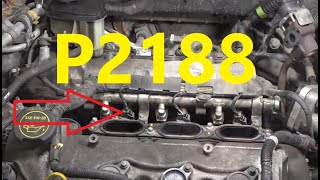
- Engine hesitation or stalling 🎬 Watch: A breakdown of common P2188 causes and fixes.
- Engine oil level rising or smelling strongly of gasoline
- Replacing oxygen sensors immediately without checking for software updates or fuel pressure issues.
- Assuming a vacuum leak, which typically causes a lean code (like P0171 or P2178), not a rich code like P2188.
- Replacing fuel injectors when the high-pressure fuel pump is the actual source of the excess fuel.
Most Likely Causes

- Engine Control Module (ECM) Software Calibration Error 🔴 High Probability Land Rover explicitly identified this as a cause in TSBs LTB00715NAS1 and LTB00688NAS1 for this specific vehicle and engine combination. An internal memo from 2014 also confirms a software update was planned specifically for P2188 on the Evoque.
How to confirm: A Land Rover dealer or a qualified independent shop with access to the official SDD (Symptom Driven Diagnostics) software can check the current software version against the latest available version. This is not something a standard OBD-II scanner can do.
Typical fix: Update the ECM/PCM software to the latest calibration using JLR's approved diagnostic equipment. This is a software-only fix.
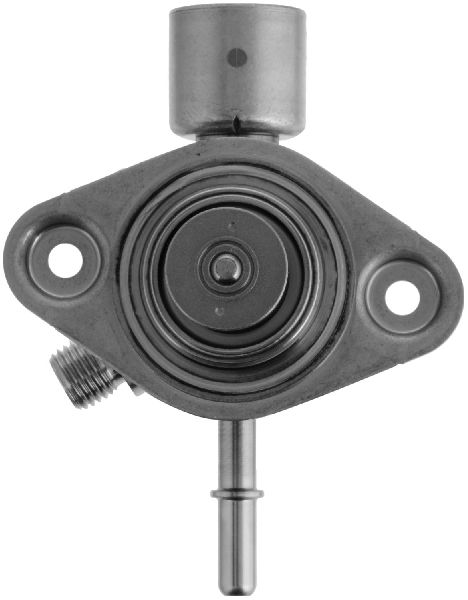
Est. part cost: $0 - Leaking High-Pressure Fuel Pump (HPFP) 🟡 Medium Probability Direct injection engines like the 2.0L GTDi use a high-pressure fuel pump driven by the camshaft. Wear on the pump's internal seals or plunger can cause excess fuel to enter the system or, critically, leak into the engine oil, causing oil dilution and overfilling.
How to confirm: Monitor fuel rail pressure with a diagnostic scanner; it may be excessively high at idle. A critical check is to inspect the engine oil for a strong gasoline smell or a level that is rising above the full mark on the dipstick. In a forum post, an owner with P2188 found their oil was overfilled by double the normal amount due to a bad HPFP. In some cases, the cam follower that drives the pump shows visible wear, and in severe cases, the camshaft itself can be damaged.
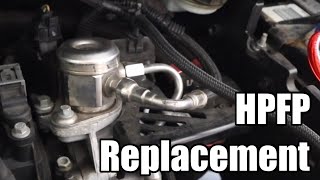
Typical fix: Replace the high-pressure fuel pump and potentially the cam follower. 🎬 See this walkthrough for replacing the high-pressure fuel pump. Change the engine oil and filter immediately to remove contaminated oil.
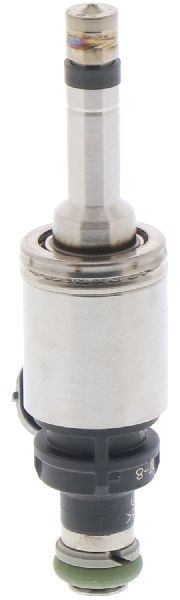
Est. part cost: $250-$500 - Leaking Fuel Injector(s) 🟡 Medium Probability Injectors can fail, getting stuck partially open and allowing fuel to drip into the cylinder when it shouldn't, causing a rich condition. This is a common failure point on many direct-injection engines.
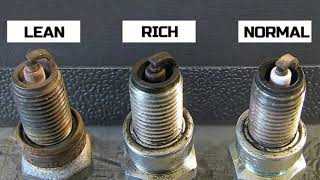
How to confirm: Perform a fuel injector balance test or a leak-down test. Another method is to check fuel trim data and identify which cylinder is causing the rich condition, then swap injectors to see if the problem follows the injector. A more basic check involves removing the spark plugs after the engine has sat; a cylinder with a leaking injector may be wet with fuel.
Typical fix: Replace the faulty fuel injector(s). It's often recommended to replace them as a set for consistent performance.
Est. part cost: $70-$150 per injector - Faulty Mass Air Flow (MAF) Sensor ⚪ Low Probability A dirty or failing MAF sensor can under-report the amount of air entering the engine, causing the ECM to calculate a richer-than-necessary fuel mixture.
How to confirm: Clean the MAF sensor with a dedicated cleaner first. If the problem persists, monitor the MAF sensor readings on a scan tool to see if they are plausible for the engine's RPM. Compare live data values to known-good values for your vehicle at idle and under load.
Typical fix: Clean or replace the Mass Air Flow sensor.
Est. part cost: $150-$300
Rare But Worth Checking
- Faulty Front Oxygen (O2) Sensor: The upstream O2 sensor is a primary input for air-fuel mixture control. If it becomes biased, contaminated (e.g., by oil burning), or slow to respond, it can send incorrect information to the ECM, leading to a rich condition. It's less common than the software or fuel delivery issues but is a core part of the system.
- Faulty Purge Control Valve: If the EVAP purge valve sticks open, it can allow un-metered fuel vapors from the charcoal canister to enter the intake manifold at idle, when it should be closed. This introduces extra fuel that the ECM doesn't account for, causing a rich mixture.
Diagnosis Steps
- Check for TSBs: Confirm with a dealer or using an online service if TSB LTB00715NAS1 or other relevant software updates have been performed. If not, this is the first and most likely fix. This requires dealer-level equipment.
- Scan and Analyze Fuel Trims: Use an OBD-II scanner to view live data. Look at the Short-Term Fuel Trim (STFT) and Long-Term Fuel Trim (LTFT) at idle. For P2188, you will see highly negative numbers (e.g., -15% or more) as the ECM tries to pull fuel out.
- Check Engine Oil: Carefully check the oil level and smell the dipstick. If the oil smells strongly of gasoline or the level is above the 'Full' mark, suspect a leaking high-pressure fuel pump. Do not continue to drive the vehicle if this is the case, and schedule an oil change with the repair.
- Check Fuel Rail Pressure: Using a capable scan tool, monitor the fuel rail pressure at idle. Compare the desired pressure with the actual pressure. If the actual pressure is significantly higher than desired, it points to a fuel delivery issue like a faulty high-pressure fuel pump or regulator.
- Inspect for Leaking Injectors: If fuel pressure seems correct, the issue could be leaking injectors. This often requires professional diagnosis involving a leak-down test or observing the spark plugs for signs of being fuel-fouled.
- Inspect and Clean MAF Sensor: Visually inspect the Mass Air Flow sensor. If it appears dirty, clean it with a dedicated MAF sensor cleaner. Do not touch the sensor wires.
- Test the Upstream Oxygen Sensor: Analyze the O2 sensor's voltage readings. It should fluctuate rapidly. A lazy or biased sensor may need replacement.
- Check Purge Valve Operation: Command the EVAP purge valve closed with a scan tool and check if it's holding a vacuum. If it leaks, it's faulty and could be causing the rich condition.
Parts You'll Likely Need

- High-Pressure Fuel Pump (HPFP)
(OEM #LR030860)— This is a common failure point on the 2.0L GTDi engine that directly causes a rich condition by allowing excess fuel into the system, and can also leak fuel into the crankcase.
Trusted brands: Bosch, Land Rover (OEM)
OEM price range: $400-$550
Aftermarket price range: $250-$400 - Fuel Injector
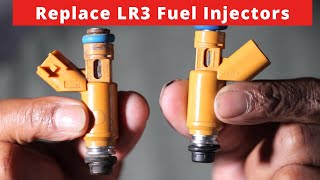
(OEM #LR079542)— A leaking injector is a primary cause of a rich condition at idle on a single bank. Part number LR079542 has been superseded by LR105439. 🎬 Watch: Step-by-step Land Rover fuel injector replacement guide.
Trusted brands: Bosch, Standard Motor Products
OEM price range: $150-$200
Aftermarket price range: $70-$120
Related Codes That Often Appear With This One
- P0044 — Heated Oxygen Sensor Heater Control Circuit High (Bank 1, Sensor 3). This code is specifically mentioned alongside P2188 in TSB LTB00688NAS1, suggesting a related electrical or software issue.
- P0420 — Catalyst System Efficiency Below Threshold (Bank 1). A chronic rich condition from P2188 can overwhelm and eventually damage the catalytic converter, leading to a P0420 code. This code is also mentioned with P2188 in TSB LTB00688NAS1.
- P0300-P0304 — Random or specific cylinder misfire codes. An overly rich mixture can foul spark plugs and lead to incomplete combustion, causing misfires.
Technical Service Bulletins (TSBs) & Recalls
- LTB00715NAS1: Engine MIL Illuminated; DTC P2188 Stored - Cites an OBD calibration error as the cause and recommends a software update.
- LTB00688NAS1: Engine MIL Illuminated with DTC P0044/P2188 Stored - Groups P2188 with other codes, suggesting a known pattern of faults.
- LTB00799NAS2: Mentions P2188 in a long list of potential DTCs related to a powertrain issue.
Platform-Specific Known Issues
- A primary issue for this vehicle is the ECM software calibration error, as documented by Land Rover in TSB LTB00715NAS1. This bulletin specifically states that the P2188 code can be caused by a software fault and that the remedy is to re-flash the Powertrain Control Module (PCM) with updated software.
- TSB LTB00688NAS1 also links P2188 with codes P0044 and P0420, indicating that JLR recognizes a pattern of related faults that may stem from a single software or component issue.
- Failure of the high-pressure fuel pump (HPFP) is a significant concern, not just for the rich code, but for the potential of fuel to contaminate the engine oil, leading to a risk of catastrophic engine failure if ignored.
Scan Tool Commands That Help
- Land Rover SDD (Symptom Driven Diagnostics): Configure existing module - Powertrain control module — This function is used to apply a software update to the ECM/PCM. TSBs LTB00715NAS1 and LTB00688NAS1 specifically call for this procedure to resolve a P2188 code caused by a calibration error.
Wiring & Ground Locations
- LR041240 — Engine compartment.. This is the OEM part number for the engine ground strap. While not a direct cause of P2188, a faulty or corroded ground strap can cause a wide range of erratic electrical issues and incorrect sensor readings, potentially leading to fuel mixture problems. Ensuring engine grounds are clean and secure is a fundamental step in diagnosing any electronic engine code.
Real Owner Repair Stories
- Kappa Performance Forum user 'DeepBlueGXP' (2007 Pontiac Solstice GXP (uses a similar direct-injection turbo engine with HPFP)) — Persistent P2188 code, especially on hot days. Strong smell of gasoline on the oil dipstick.
❌ Tried (didn't work) Cleaned MAF sensor, Replaced fuel cap, Cleaned HPFP electrical connector (provided temporary relief)
✅ What actually fixed it The owner concluded the High-Pressure Fuel Pump (HPFP) was faulty and needed replacement due to the definitive symptom of fuel contaminating the engine oil.
OEM Part Supersession History
LR079542→LR105439— Standard part evolution/update.
Heads up: LR105439 is the correct replacement for LR079542. Multiple sources confirm this supersession for Land Rover and Jaguar vehicles.LR030860→LR025599— Standard part evolution/update.
Heads up: Part seller information indicates that LR025599 replaces LR030860 for the high-pressure fuel pump on the 2.0L engine.
Model Year Variations Within This Range
- 2012-2015: These models use the 2.0L GTDi (Ford EcoBoost based) petrol engine. The TSBs regarding software updates for P2188 specifically apply to this engine and year range.
- 2016-onward: Starting with the 2015 facelift for the 2016 model year, Land Rover began phasing in its own 2.0L 'Ingenium' engine family, replacing the Ford-based unit. Diagnostic procedures and common causes for P2188 may differ significantly for these later models.
Helpful Videos
Used OEM Parts in Stock


New Aftermarket Parts Available


The information in this article is provided for general reference and educational purposes only. Vehicle specifications, procedures, and part compatibility can vary by production date, trim level, and region. Always consult your vehicle's factory service manual and verify part numbers before purchasing or performing repairs. Safety-critical components such as airbags, seat belts, and braking systems should be installed by a qualified professional.
- Land Rover RANGE ROVER EVOQUE:
- 🎬 Helpful Videos
- 🛍️ Shop This Part
- What's Unique About the 2012-2015 Land Rover RANGE ROVER EVOQUE
- Diagnostic Flowchart
- Symptoms You May Notice
- Most Likely Causes
- Rare But Worth Checking
- Diagnosis Steps
- Parts You'll Likely Need
- Related Codes That Often Appear With This One
- Technical Service Bulletins (TSBs) & Recalls
- Platform-Specific Known Issues
- Scan Tool Commands That Help
- Wiring & Ground Locations
- Real Owner Repair Stories
- OEM Part Supersession History
- Model Year Variations Within This Range
- 🎟️ Get 5% Off