

P2188 on 2012-2014 Kia Soul: 'System Too Rich at Idle' Causes and Fixes
For a 2012-2014 Kia Soul, code P2188 is most often caused by a software glitch. The first step is to have a Kia dealer perform an ECM software update as specified in Technical Service Bulletins TSBENG146R1 and TSB-ENG118R2. If the software is current, the next most likely cause on GDI engines is a failing high-pressure fuel pump (HPFP) leaking fuel into the oil. Other possibilities include a faulty front oxygen sensor or a stuck EVAP purge valve.
- Your first step for code P2188 on a 2012-2014 Soul should always be to check if the factory ECM software update has been performed.
- The code means your engine is running with too much fuel at idle, which hurts gas mileage and can damage your catalytic converter.
- If the software is up-to-date, the most common failing parts are the upstream O2 sensor or the high-pressure fuel pump (on GDI models).
- Check your oil dipstick. If it smells strongly of gas, the high-pressure fuel pump is the most likely culprit.
What's Unique About the 2012-2014 Kia SOUL

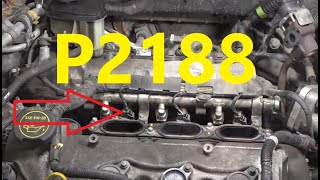
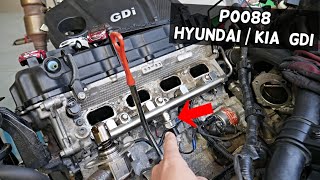
What's unique about the P2188 code on the 2012-2014 Kia Soul is that Kia officially acknowledged a software problem as a primary cause. Instead of a failing part, the engine's computer logic was sometimes flawed, leading it to create a rich condition at idle. 🎬 Watch: A deep dive into diagnosing rich conditions on this Soul. Kia issued service bulletins (TSBENG146R1, TSB-ENG118R2) to fix this with a simple software reflash at the dealership. This makes checking the vehicle's service history for this specific update the most critical first step. For GDI engines, a secondary common failure is the high-pressure fuel pump leaking internally, 🎬 See this step-by-step GDI high pressure fuel pump replacement guide. which is a well-documented issue on this platform.
Diagnostic Flowchart

Tap your situation to follow the diagnostic path that matches what you're seeing on this vehicle.
Generation note: This range covers two generations of the Kia Soul. The 2012-2013 models are the first generation (AM), and the 2014 model is the start of the second generation (PS). The critical ECM software update TSB applies to both generations within this year range. The 1.6L GDI engine and its associated potential for HPFP failure is a common thread through these model years.
Symptoms You May Notice

- Check Engine Light is on
- Rough or unstable idle
- Decreased fuel economy
- A noticeable smell of raw gasoline from the exhaust or inside the engine bay
- Black smoke from the tailpipe
- In severe cases, hesitation during acceleration
- Engine oil level is overfull and smells strongly of gasoline (specific to HPFP failure)
- Hard starting, especially when the engine is hot
- Replacing the oxygen sensor before checking for the ECM software update.
- Replacing fuel injectors or O2 sensors when the high-pressure fuel pump is the actual cause of the severe rich condition by contaminating the engine oil.
- Replacing the catalytic converter due to damage without first fixing the root rich condition, which will just destroy the new converter.
Most Likely Causes

- Outdated Engine Control Module (ECM) Software 🔴 High Probability Kia identified a software logic issue and issued TSBs (TSBENG146R1, TSB-ENG118R2) to correct it. This is a known manufacturing issue affecting both the Soul and Rio.
How to confirm: Contact a Kia dealership with your Vehicle Identification Number (VIN). They can check service records to see if the update has been performed. The TSB is the very first step before any parts are replaced.
Typical fix: The dealership reprograms or 'reflashes' the ECM with the updated software. The TSB explicitly states not to replace other parts until this is done.
Est. part cost: $0 - Failing High-Pressure Fuel Pump (HPFP) 🟡 Medium Probability This applies to the GDI (Gasoline Direct Injection) engines. The HPFP is mechanically driven by the camshaft and can fail internally, allowing gasoline to leak past its seals directly into the engine crankcase. This contaminates the oil, and the PCV system then pulls the excessive fuel vapors from the crankcase into the intake manifold, causing a severe rich condition that the ECM cannot compensate for.
How to confirm: Check the engine oil dipstick. If the oil level is overfull and smells strongly of gasoline, the HPFP is the primary suspect. A diagnostic scan tool will show extreme negative long-term and short-term fuel trims (e.g., -25% or more) as the ECM tries to remove fuel. Disconnecting the PCV hose from the intake may temporarily improve fuel trims, proving the source of the excess fuel is the crankcase.
Typical fix: Replace the high-pressure fuel pump and change the engine oil and filter immediately to prevent engine damage from oil dilution.
Est. part cost: $75-$200 - Faulty Upstream Oxygen (O2) Sensor 🟡 Medium Probability The upstream O2 sensor (Air-Fuel Ratio Sensor) is the primary sensor for measuring the air-fuel mixture. If it becomes contaminated, slow, or biased, it can send incorrect signals, causing the ECM to add too much fuel.
How to confirm: Use a diagnostic scan tool to monitor the live data from the Bank 1 Sensor 1. A healthy sensor will fluctuate its voltage or current rapidly. A faulty one may be stuck at a rich reading or show a very slow response to changes in engine speed.
Typical fix: Replace the upstream (Bank 1, Sensor 1) oxygen sensor.
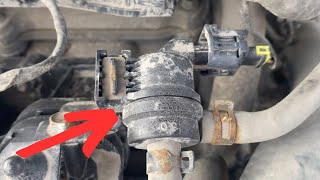
Est. part cost: $60-$140 - Stuck Open EVAP Purge Valve ⚪ Low Probability
How to confirm: The purge valve should be closed at idle. With the engine idling, disconnect the vacuum hose from the purge valve that leads to the intake manifold. If you can feel vacuum from the valve's port, it is stuck open and allowing un-metered fuel vapors into the engine.
Typical fix: Replace the EVAP canister purge valve. A possible OEM part number is 29010-2B000.
Est. part cost: $25-$60 - Leaking Fuel Injector(s) ⚪ Low Probability
How to confirm: This is more difficult to confirm without specialized tools. A mechanic can perform a fuel pressure leak-down test. Another method is to remove the spark plugs after the car has sat and inspect them; a wet, fuel-soaked plug can indicate a leaking injector in that cylinder.
Typical fix: Replace the leaking fuel injector(s) and the associated seals.
Est. part cost: $40-$100 per injector
Rare But Worth Checking
- Faulty Manifold Absolute Pressure (MAP) Sensor: An inaccurate MAP sensor can cause the ECM to miscalculate engine load, leading to an incorrect fuel mixture. It's less common than an O2 sensor or HPFP failure but can be a cause, especially if accompanied by other performance issues.
- Clogged Air Filter: A severely clogged engine air filter can restrict airflow to the engine, creating a naturally rich condition. This is a simple and important maintenance item to check first.
Diagnosis Steps
- Check for TSB Compliance: Contact a Kia dealer with your VIN to confirm if TSB #TSBENG146R1 or #TSB-ENG118R2 has been performed. If not, this is your first and most likely fix.
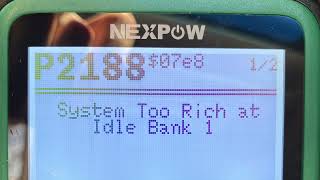
- Scan for Codes & Check Live Data: Use an OBD-II scanner to confirm P2188 and check for any other codes, like P2192. View live data, specifically Short-Term and Long-Term Fuel Trims at idle. Large negative numbers (e.g., -15% to -35%) confirm the ECM is trying to remove fuel.
- Check the Oil (GDI Engines): This is a critical step. Pull the dipstick. If the oil level is high and smells strongly of gasoline, the High-Pressure Fuel Pump (HPFP) is almost certainly the cause. Do not continue to drive the vehicle; change the oil and pump immediately.
- Inspect the EVAP Purge Valve: At idle, disconnect the vapor line from the purge valve. If you feel suction from the valve's port, it's stuck open and must be replaced.
- Analyze O2 Sensor Data: Use your scan tool to graph the Bank 1 Sensor 1 (upstream O2 sensor). It should be actively switching. If it's stuck on a high voltage (rich) reading or is very slow to respond, it may be faulty.
- Check Basic Air Intake: Inspect the engine air filter. A severely clogged filter can cause a rich condition.
- Professional Diagnosis: If the cause is still not found, further testing of fuel injectors and fuel pressure may be required by a professional technician.
Parts You'll Likely Need
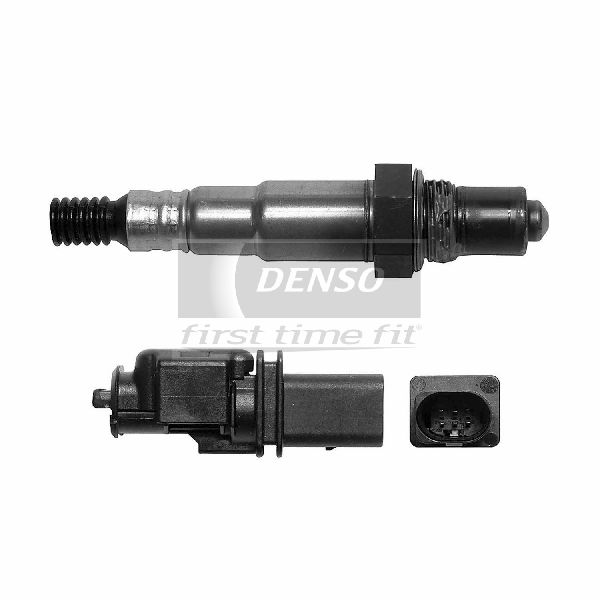
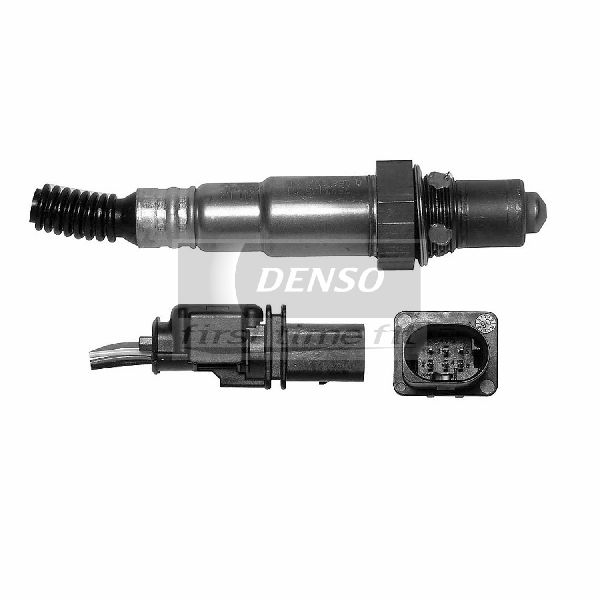
- Upstream Oxygen Sensor (Air/Fuel Ratio Sensor)
(OEM #39210-2B210)— This is a common hardware failure after the ECM software has been updated. It is the primary sensor responsible for reporting the fuel mixture to the ECM.
Trusted brands: Denso, Bosch, NGK
OEM price range: $120-$180
Aftermarket price range: $60-$140 - High-Pressure Fuel Pump (GDI Engines)
(OEM #35320-2B220)— On GDI engines, this is a known failure point. It leaks fuel internally into the engine oil, causing a severe rich condition confirmed by a fuel smell in the oil and extreme negative fuel trims.
Trusted brands: Genuine Kia/Hyundai, Delphi
OEM price range: $150-$250
Aftermarket price range: $75-$160
Related Codes That Often Appear With This One
- P2192 — This code means 'System Too Rich at Higher Load'. Both P2188 and P2192 are listed together in the Kia TSBs, indicating the software glitch can cause rich conditions at both idle and under load.
Technical Service Bulletins (TSBs) & Recalls
- TSBENG146R1: ECM UPGRADE – RIO, SOUL MIL ON WITH DTC(S) P0456/P0461/P050A/P2188/P2192/P0128/P0326/P0441
- TSB-ENG118R2: COMBINED TSB/SERVICE ACTION – RIO, SOUL 1.6 GDI MIL ON WITH DTCS P0456/P0461/P050A/P2188/P2192/P0128
Platform-Specific Known Issues
- A known software glitch is a primary cause for this code on 2012-2014 models, addressed by Kia TSBs TSBENG146R1 and TSB-ENG118R2. The fix is a dealership ECM reflash.
- The High-Pressure Fuel Pump (HPFP) on the 1.6L GDI engine is a well-documented failure item that leads directly to code P2188 by leaking fuel into the crankcase, a diagnosis confirmed by multiple owner repair videos.
Mechanic-Grade Diagnostic Values
- Long-Term Fuel Trim (LTFT) at Idle — expected: Within +/- 10%. Failure: Stuck at a high negative value, such as -25%, as the ECM tries to remove excess fuel.
- Upstream O2 Sensor (A/F Sensor) Live Data — expected: Should fluctuate rapidly around a central point at idle.. Failure: On this platform, a healthy sensor reading after the fix hovered near 0.0 mA, indicating it is a current-based Air/Fuel ratio sensor. A faulty or rich condition will cause a fixed or non-responsive reading.
- High-Pressure Fuel Rail at Idle — expected: Approximately 40 bar (580 PSI) was observed on a vehicle, which appeared to be a normal reading even while the rich fault was active.. Failure: While extreme deviation is a problem, normal pressure does not rule out a leaking HPFP, as the leak is internal to the crankcase.
- Upstream Oxygen Sensor Torque Specification — expected: 36 ft-lbs. Failure: N/A
Scan Tool Commands That Help
- Kia GDS (Global Diagnostic System): Vehicle S/W Management — This is the OEM dealer tool function used to perform the ECM software update required by TSBs TSBENG146R1 and TSB-ENG118R2. It can also perform guided troubleshooting procedures.
- Generic OBD-II Scanner: Reset Fuel Trims / Clear Adaptive Memory — After a repair (like fixing a vacuum leak or replacing a part), the long-term fuel trims may be 'stuck' at a high negative value. Performing a reset (often by disconnecting the battery for 15-30 minutes) forces the ECM to relearn the fuel strategy immediately.
Wiring & Ground Locations
- Engine Harness Connectors — Engine Bay. On the 1.6L engine, the crankshaft position sensor and knock sensor connectors are physically similar and can be accidentally swapped during major engine work. This can cause a no-start or erratic running condition that could be misdiagnosed.
Real Owner Repair Stories
- YouTube channel 'sandy anderson' (2013 Kia Soul 1.6L GDI 'Quantum' edition) — Codes P2188 and P2192, engine oil level was extremely high and smelled strongly of gasoline, spark plugs were black with soot, long-term fuel trim was -25%.
❌ Tried (didn't work) An initial oil/filter change and spark plug cleaning. The severe rich condition returned immediately upon starting the engine.
✅ What actually fixed it Replacement of the high-pressure fuel pump (HPFP) and a second oil and filter change. Upon removal, the old pump's plunger smelled of fuel. After the repair, live data showed the upstream O2 sensor began switching correctly and short-term fuel trims started adding fuel to compensate for the now-corrected long-term trims.
"I Checked Everything" — The Actual Cause
- The most common scenario for this pattern on the 1.6L GDI Soul is a failed high-pressure fuel pump (HPFP). The pump leaks fuel internally, past its seals, and directly into the engine crankcase. This fuel contaminates the engine oil. The Positive Crankcase Ventilation (PCV) system then draws these heavy fuel vapors from the crankcase into the intake manifold, creating a severe rich condition. A smoke test of the intake manifold and EVAP system will show no leaks, as the source of the unmetered fuel is internal to the engine's oiling system. The definitive test is checking the oil dipstick for a high level and a strong gasoline smell.
When the Usual Fixes Don't Work
- While part failure is common, it is possible for the ECM's adaptive fuel memory to be the sole problem after a previous, unrelated repair. If a vacuum leak was fixed, but the fuel trims were not reset, the ECM may continue to command a rich mixture based on its old memory. In some cases, simply performing a fuel trim reset (by disconnecting the battery for 30 minutes) and then completing a drive cycle can resolve the code without replacing any additional parts.
OEM Part Supersession History
35320-2B130, 35320-2B140→35320-2B220— Likely internal design improvement to address the internal leaking issue.
Heads up: While the parts may physically interchange, it is critical to use the latest revision (35320-2B220) for the repair. Always verify the part number with the vehicle's VIN.
Model Year Variations Within This Range
- 2012-2014: The 2012 model year was the first time the Soul was equipped with the 1.6L GDI (Gasoline Direct Injection) engine. This is a critical distinction, as prior 1.6L engines were MPI (Multi-Port Injection) and did not have the high-pressure fuel pump that is a primary cause of code P2188 on GDI models.
- 2014: The 2014 model year marks the beginning of the second generation (PS) Soul. While it was a significant redesign, it carried over the same 1.6L GDI and 2.0L GDI engines from the previous generation, meaning it is susceptible to the same P2188 causes, including the software glitch and HPFP failure.
Helpful Videos
We Have This Part in Stock


The information in this article is provided for general reference and educational purposes only. Vehicle specifications, procedures, and part compatibility can vary by production date, trim level, and region. Always consult your vehicle's factory service manual and verify part numbers before purchasing or performing repairs. Safety-critical components such as airbags, seat belts, and braking systems should be installed by a qualified professional.
- Kia SOUL:
- 🎬 Helpful Videos
- 🛍️ Shop This Part
- What's Unique About the 2012-2014 Kia SOUL
- Diagnostic Flowchart
- Symptoms You May Notice
- Most Likely Causes
- Rare But Worth Checking
- Diagnosis Steps
- Parts You'll Likely Need
- Related Codes That Often Appear With This One
- Technical Service Bulletins (TSBs) & Recalls
- Platform-Specific Known Issues
- Mechanic-Grade Diagnostic Values
- Scan Tool Commands That Help
- Wiring & Ground Locations
- Real Owner Repair Stories
- "I Checked Everything" — The Actual Cause
- When the Usual Fixes Don't Work
- OEM Part Supersession History
- Model Year Variations Within This Range
- 🎟️ Get 5% Off