

P2176 on 2011-2015 GMC Savana: Throttle Idle Position Not Learned Fixes
On a 2011-2015 GMC Savana, code P2176 almost always points to a dirty throttle body. Carbon buildup prevents the throttle plate from closing properly, which stops the engine computer from learning the correct idle position. The fix is usually to clean the throttle body and perform an idle relearn procedure, preferably with a scan tool as recommended by GM.
- P2176 on a GMC Savana is overwhelmingly caused by a dirty throttle body.
- The first and most cost-effective step is to remove the intake hose and thoroughly clean the throttle plate and bore.
- After cleaning the throttle body or disconnecting the battery, you MUST perform an idle relearn procedure.
- Do not replace the accelerator pedal; the problem is at the engine's throttle body.
- If cleaning and relearning fail, the throttle body assembly itself likely needs to be replaced.
What's Unique About the 2011-2015 Gmc SAVANA
On this generation of GM trucks and vans, including the Savana, P2176 is a very common code, especially on higher mileage vehicles. The PCV (Positive Crankcase Ventilation) system can route oil vapor and other blow-by gases into the intake, which then bake onto the throttle body bore and plate as hard carbon deposits. The buildup is a well-documented issue and is the primary reason these specific vehicles suffer from this code, as noted in GM's own Technical Service Bulletin PIP4578B. The TSB clarifies that as carbon builds, the ECM learns to open the throttle wider to maintain idle; after cleaning, this learned compensation is now incorrect, making a formal 'Idle Learn Reset' with a scan tool a required step.
Diagnostic Flowchart
Tap your situation to follow the diagnostic path that matches what you're seeing on this vehicle.
Symptoms You May Notice
- Check Engine Light is on
- Engine running in 'Reduced Engine Power' or 'Limp Mode'
- Unstable, surging, or rough idle.
- Engine stalling when coming to a stop.
- Poor or delayed acceleration.
- Increased fuel consumption.
- Harsh shifting into 'Drive' or 'Reverse' due to high idle RPM.
- Replacing the Accelerator Pedal Position (APP) sensor. The APP sensor tells the computer how far you're pressing the gas pedal, but P2176 is related to the throttle body at the engine, not the pedal in the cabin.
Most Likely Causes
- Dirty Throttle Body 🔴 High Probability The PCV system design on these GM engines routes oil vapor into the intake, leading to significant carbon and oil buildup inside the throttle body over time, which physically blocks the throttle plate from closing to its true idle position. In some cases, a piece of carbon can break off and physically jam the throttle plate open.
How to confirm: Remove the air intake hose from the throttle body and visually inspect the throttle plate and bore for a thick, black layer of carbon. With a scan tool, you may observe the throttle position at idle is higher than the specified 3-5%, sometimes reading as high as 16%.
Typical fix: Thoroughly clean the throttle body bore and both sides of the throttle plate with a dedicated throttle body cleaner and a soft cloth. Afterwards, an idle 🎬 Watch: How to properly clean your GM throttle body relearn procedure must be performed.
Est. part cost: $5-$15 for cleaner - Failed Idle Relearn Procedure 🟡 Medium Probability This often happens after the battery has been disconnected, after clearing codes, or after cleaning the throttle body. The ECM's memory is wiped, and it needs to relearn the idle position. If the throttle body was just cleaned, the ECM is still using its old 'dirty' math and commanding the throttle open too far, which causes a high idle and prevents the relearn from completing successfully.
How to confirm: This is a procedural cause. If the code appeared immediately after a battery change, code clear, or throttle body cleaning, this is the likely trigger.
Typical fix: First, ensure the throttle body is clean. Then, perform the idle relearn procedure. The GM-recommended method requires a scan tool to perform an 'Idle Learn Reset'. Manual methods exist, but may be less reliable.
Est. part cost: $0 - Faulty Throttle Body Assembly ⚪ Low Probability While less common than a dirty throttle body, the internal electronic motor or the integrated throttle position sensor (TPS) can fail over time. GM acknowledged a known weakness with the original TPS on models up to 2011 by issuing Special Coverage Adjustment #11273. The internal sensor contacts can wear out or delaminate, causing an internal fault.
How to confirm: If the code P2176 returns immediately after a thorough cleaning and a successful idle relearn procedure, the throttle body assembly itself is likely defective. A scan tool can monitor the TPS voltage for erratic readings or a failure to respond to pedal input.
Typical fix: Replace the entire throttle body assembly with a new unit. This is a bolt-off, bolt-on procedure, but it must be followed by an idle relearn.
Est. part cost: $150-$350
Rare But Worth Checking
- Large Vacuum Leak: A significant vacuum leak can introduce too much unmetered air, making it impossible for the ECM to achieve the target idle RPM, which can sometimes trigger a P2176 code.
- Wiring or Connector Issue: Damaged wiring or a corroded connector at the throttle body can cause intermittent signal loss, preventing the ECM from learning the idle position. A loose wiring crimp at the throttle body connector is a known issue. This should be checked if the throttle body has been cleaned or replaced and the code persists.
- Faulty Powertrain Control Module (PCM): This is extremely rare. Before condemning the PCM, all other possibilities, especially the throttle body and its wiring, must be exhaustively ruled out.
Diagnosis Steps
- Check for other stored diagnostic trouble codes. Codes like P1516, P2101, or P0068 can provide additional context.
- Visually inspect the wiring harness and connector going to the electronic throttle body. Look for any signs of damage, corrosion, or loose pins.
- Remove the air intake duct from the throttle body. Inspect the throttle bore and plate for heavy carbon or oil buildup.
- If carbon is present, thoroughly clean the throttle body using a dedicated cleaner and a soft rag. Do not use abrasive materials or force the throttle plate open by hand, as this can damage the gears.
- Reassemble the intake duct.
- Perform the Idle Relearn Procedure. The GM-recommended method is to use a scan tool (like a Tech 2 or similar) and select the 'Idle Learn Reset' or 'Throttle/Idle Learn' function in the module setup menu.
- If a scan tool is not available, a manual relearn may be attempted. A common procedure is: Start and idle the engine in PARK for 3 minutes. The idle may be high or surge. Turn the engine OFF for 60 seconds. Start and idle the engine in PARK again for 3 minutes. By the end of this period, the idle should stabilize. 🎬 See this video for a manual idle relearn walkthrough
- Clear the trouble codes. A unique tip from some technicians is that if P2176 will not clear with the key on/engine off, try clearing it with the engine running.
- Test drive the vehicle. If the code does not return, the issue is resolved.
- If the code returns immediately after cleaning and a relearn, the throttle body assembly itself may be faulty and require replacement.
Parts You'll Likely Need
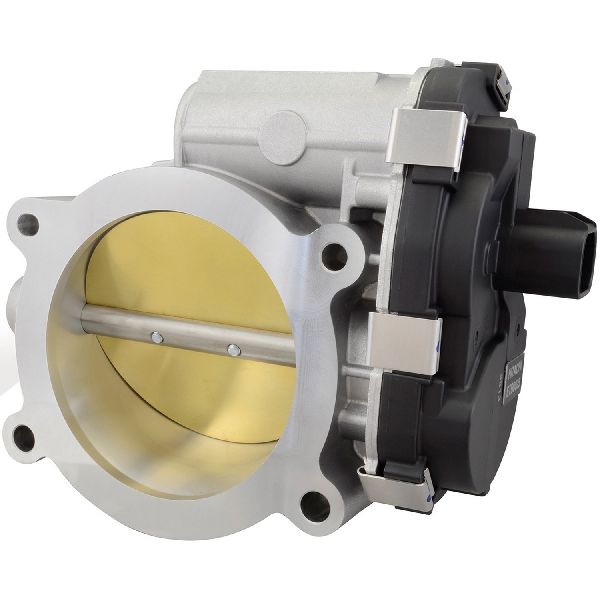
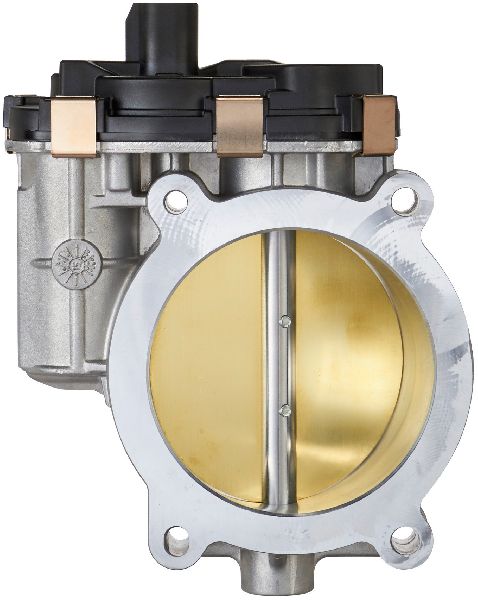
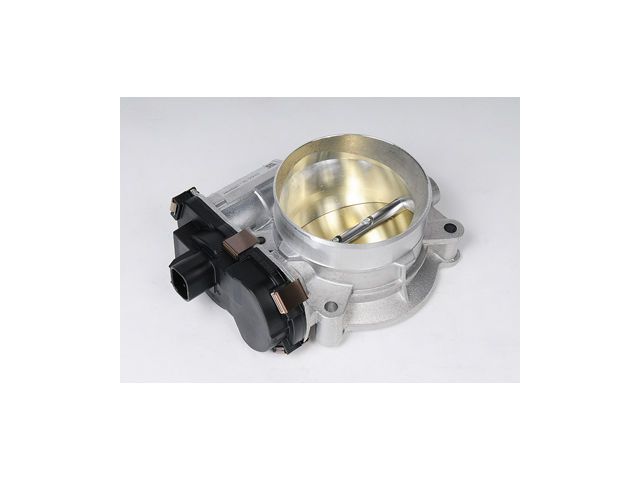
- Throttle Body Assembly
(OEM #12629992)— If a thorough cleaning does not resolve the code, the internal electronics of the throttle body are the next most likely failure point. This part number is the current GM replacement for the V8 engines in this van, often sold under ACDelco part number 217-3151. It supersedes older part numbers like 12601387.
Trusted brands: ACDelco (GM Genuine), Hitachi, Standard Motor Products (SMP), Dorman
OEM price range: $250-$350
Aftermarket price range: $150-$220 - Throttle Body Cleaner — This is required for the most common fix, which is cleaning the carbon buildup from the throttle plate and bore.
Trusted brands: CRC, Berryman, Gumout
Aftermarket price range: $5-$15
Related Codes That Often Appear With This One
- P1516 — This code, also known as 'Throttle Actuator Control (TAC) Module Throttle Actuator Position Performance', often appears with P2176 because both relate to the ECM's inability to control or verify the throttle plate's position, as mentioned in TSB PIP4578B.
- P2101 — This code means 'Throttle Actuator Control Motor Circuit Range/Performance' and points to a problem with the electric motor that moves the throttle plate. It can be triggered by the same carbon buildup or internal failure that causes P2176.
- P0506 — 'Idle Air Control System RPM Lower Than Expected'. This can occur after cleaning the throttle body if an idle relearn is not performed, as the computer is still trying to compensate for carbon that is no longer there. TSB PIP4578B specifically warns of this.
- P0507 — 'Idle Air Control System RPM Higher Than Expected'. This can also occur after cleaning the throttle body without a relearn, or if the throttle plate is stuck slightly open due to carbon. TSB PIP4578B specifically warns of this.
Technical Service Bulletins (TSBs) & Recalls
- PIP4578B: Mentions that DTC P2176 can be experienced on high mileage vehicles and may be associated with idle surge or reduced engine power mode. It specifies that after cleaning the throttle body, an 'idle learn reset' must be performed with a scan tool to prevent other codes like P0506/P0507 from setting.
Platform-Specific Known Issues
- A Technical Service Bulletin (TSB #PIP4578B) was issued by GM for these vehicles, noting that P2176 (along with other codes) can occur on high-mileage vehicles and may cause an idle surge or reduced engine power. This bulletin acknowledges the common nature of this problem on the platform and stresses the need for an 'Idle Learn Reset' via scan tool after cleaning.
- Some owners report this issue is particularly prevalent in very cold weat
Mechanic-Grade Diagnostic Values
- Throttle Position Sensor (TPS) Voltage at Closed Throttle — expected: ~0.5 V. Failure: Values outside the 0.4-0.6 V range at idle can indicate a faulty sensor or a throttle plate that isn't fully closing.
- Throttle Position Sensor (TPS) Voltage at Wide-Open Throttle (WOT) — expected: ~4.5 V. Failure: A voltage significantly lower than 4.5V at WOT suggests a sensor or wiring issue.
- 5-Volt Reference to Throttle Position Sensor — expected: 5.0 V. Failure: A lack of 5V on the reference circuit (often a gray wire) points to a problem with the ECM or the wiring harness between the ECM and the throttle body.
- Scan Tool - Throttle Position Percentage at Idle — expected: 3-5%. Failure: A reading significantly higher than the normal range, such as 16%, indicates the throttle plate is being held open, most likely by carbon buildup.
Scan Tool Commands That Help
- GDS2 / Tech 2 / Professional Snap-on Scanners: Idle Learn Reset — This function is mandatory after cleaning or replacing the throttle body. It erases the old learned idle compensation values from the ECM, allowing it to learn the new, correct idle position. Failure to perform this reset is a primary cause for the P2176 code to appear after service.
Wiring & Ground Locations
- G103 — On the right (passenger side) rear of the engine block, just below the cylinder head.. This is a critical ground for the Engine Control Module (ECM) and Throttle Actuator Control (TAC) system. A loose or corroded G103 ground can cause various throttle-related codes, including P2176, by creating unstable voltage and signal references for the throttle body.
- G104 — On the rear of the left (driver's side) cylinder head.. This is another important engine ground. While G103 is more commonly cited for TAC issues, service information indicates that ensuring G104 is clean and tight can also resolve intermittent throttle control problems.
- Throttle Body Connector — The 6-pin electrical connector plugged directly into the throttle body assembly.. Loose wire crimps or corrosion within this specific connector can cause intermittent loss of power, ground, or signal to the throttle position sensors and actuator motor, directly leading to codes P2176, P1516, and P2101.
Real Owner Repair Stories
- YouTube channel 'The Auto Mechanic OC' (2011 Buick Enclave (similar GM V6 platform with same code logic)) — Check Engine Light with code P2176 that would immediately return after being cleared.
❌ Tried (didn't work) Clearing the code with the scan tool., Performing an 'Idle Relearn Reset' with the scan tool before cleaning the throttle body.
✅ What actually fixed it The technician observed the throttle position on the scan tool was at 16% at idle, far above the normal 3-5%. He removed the intake duct and found the throttle body was extremely dirty with oil and carbon from the PCV system. After cleaning the throttle body with just a rag (to avoid removing the protective coating), the throttle plate could close properly. A subsequent idle relearn procedure was successful, and the code was resolved.
OEM Part Supersession History
12601387→12629992— Standard part evolution, likely for improved reliability or manufacturing changes.
Heads up: The new part number (12629992, also sold as ACDelco 217-3151) is the correct replacement for the 2011-2015 Savana V8 models. Using other throttle bodies, even if they physically fit, may result in a P2176 code due to electronic incompatibility.
Model Year Variations Within This Range
- 2011 (and earlier): GM issued a Special Coverage Adjustment (#11273, later TSB 11-06-04-007B) for V8 models up to 2011, extending the warranty on the throttle position sensor to 10 years/120,000 miles. This was in response to a high rate of premature failure causing 'Reduced Engine Power' mode and codes like P2135. While P2176 is a different code, this highlights a known weakness in the sensor components of the throttle body on the earlier models in this range.
Helpful Videos

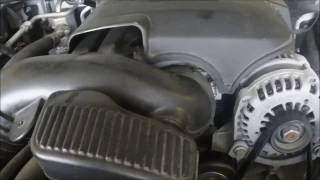
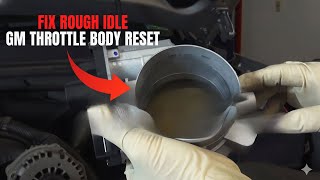

Used OEM Parts in Stock

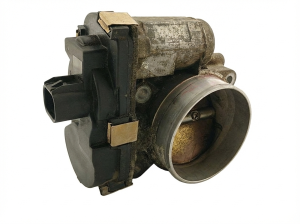
New Aftermarket Parts Available


The information in this article is provided for general reference and educational purposes only. Vehicle specifications, procedures, and part compatibility can vary by production date, trim level, and region. Always consult your vehicle's factory service manual and verify part numbers before purchasing or performing repairs. Safety-critical components such as airbags, seat belts, and braking systems should be installed by a qualified professional.
- Gmc SAVANA:
- 🎬 Helpful Videos
- 🛍️ Shop This Part
- What's Unique About the 2011-2015 Gmc SAVANA
- Diagnostic Flowchart
- Symptoms You May Notice
- Most Likely Causes
- Rare But Worth Checking
- Diagnosis Steps
- Parts You'll Likely Need
- Related Codes That Often Appear With This One
- Technical Service Bulletins (TSBs) & Recalls
- Platform-Specific Known Issues
- Mechanic-Grade Diagnostic Values
- Scan Tool Commands That Help
- Wiring & Ground Locations
- Real Owner Repair Stories
- OEM Part Supersession History
- Model Year Variations Within This Range
- 🎟️ Get 5% Off