

P2173 on 2017-2021 Jeep Renegade: High Airflow & Vacuum Leak Fixes
On a 2017-2021 Jeep Renegade with the 2.4L engine, code P2173 is most often caused by a vacuum leak from a failed intake manifold gasket or a faulty PCV system component. This unmetered air leak triggers the electronic throttle control light and forces the vehicle into limp mode. A smoke test is the most effective way to locate the leak's source.
- P2173 means there is a vacuum leak; unmetered air is getting into your engine.
- The most common causes are a bad intake manifold gasket or a problem in the PCV system, like the oil vapor inlet tube mentioned in TSB 09-010-20.
- This code will almost always put your Renegade into a low-power limp mode, indicated by the red lightning bolt light.
- Do not replace expensive parts like the throttle body until you have performed a smoke test to rule out a simple, and much cheaper, vacuum leak.
- Check for Jeep Technical Service Bulletins (TSBs) related to your specific model year, as a software update or a specific modified part may be the required fix.
What's Unique About the 2017-2021 Jeep RENEGADE

For the Jeep Renegade with the 2.4L Tigershark engine, this code is very common. A primary culprit is a known weakness in the PCV (Positive Crankcase Ventilation) system, specifically addressed by Technical Service Bulletin (TSB) #09-010-20 for an "Engine Oil Vapor Inlet Tube Modification" on 2017 models. This points to a specific, manufacturer-acknowledged component that can cause a vacuum leak. Additionally, the intake manifold gaskets on the 2.4L engine are a frequent failure point, making them a top suspect alongside the PCV system.
Diagnostic Flowchart

Tap your situation to follow the diagnostic path that matches what you're seeing on this vehicle.
Symptoms You May Notice

- Check Engine Light is on
- Electronic Throttle Control (ETC) light (red lightning bolt) is on and may be flashing
- Vehicle enters "limp mode" with drastically reduced engine power and acceleration.
- Vehicle stalls, especially when coming to a stop or at idle.
- Rough, surging, or high idle
- Hissing sound from the engine bay
- Poor acceleration and engine performance, lurching from a stop.
- Automatic transmission may not shift properly or feel stuck in a high gear.
- Replacing the throttle body assembly when the actual cause is a simple vacuum leak from a hose or gasket.
- Replacing the MAP sensor without first performing a smoke test to rule out a physical leak.
- Replacing the accelerator pedal sensor, which is rarely the cause for this specific code.
Most Likely Causes

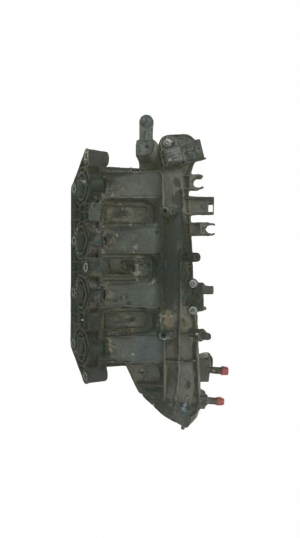
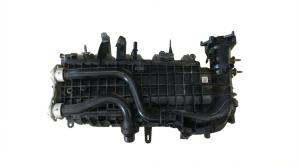
- Leaking Intake Manifold Gasket 🔴 High Probability The intake manifold gaskets on the 2.4L Tigershark engine are a well-documented failure point. The rubber material becomes hard and brittle from constant engine heat cycles, causing it to flatten and lose its seal, leading to a significant vacuum leak.
How to confirm: A smoke test is the most effective method. A technician will pump smoke into the intake system and look for smoke leaking from the gasket area between the plastic intake manifold and the cylinder head. Sometimes spraying brake cleaner near the gasket with the engine running will cause a noticeable change in idle speed.
Typical fix: Replace the upper and lower intake manifold gaskets. This is a labor-intensive job that involves removing the entire intake manifold assembly.
Est. part cost: $20-$60 - Faulty PCV System Component (e.g., Oil Vapor Inlet Tube) 🔴 High Probability Jeep issued TSB #09-010-20 specifically for a known issue with the engine oil vapor inlet tube on 2017 models, requiring a modified part (P/N 68439291AA) to fix an air leak. Cracked PCV hoses or a faulty PCV valve itself are also common sources of vacuum leaks.
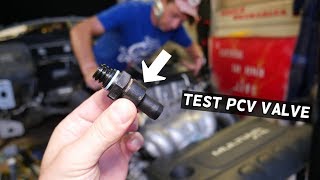
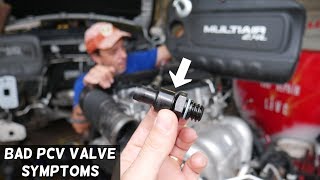
How to confirm: Visually inspect all PCV hoses for cracks, brittleness, or loose connections. For the issue covered by the TSB, a dealer can confirm if the updated part has been installed. The PCV valve can be tested for proper function.
Typical fix: Install the modified oil vapor inlet tube as per TSB #09-010-20. Replace any cracked or leaking PCV hoses or the PCV valve.
Est. part cost: $15-$50 - Cracked or Disconnected Vacuum Hose 🟡 Medium Probability Rubber hoses throughout the engine bay can degrade over time. Hoses connected to the brake booster, EVAP purge solenoid, or the intake manifold itself are common culprits that can split or become disconnected.
How to confirm: Perform a visual inspection for any obviously disconnected, broken, or soft/swollen hoses. A hissing sound can often lead you to the general area of the leak. A smoke test provides definitive confirmation.
Typical fix: Replace the specific hose that is leaking. Hoses can be purchased by the foot or as pre-formed OEM parts.
Est. part cost: $10-$40 - Faulty or Dirty Throttle Body ⚪ Low Probability While less common than vacuum leaks for this code, a throttle body that is sticking due to carbon buildup or has a failing internal sensor can cause the PCM to miscalculate airflow, triggering P2173.
How to confirm: Remove the air intake tube and visually inspect the throttle plate for heavy carbon deposits. A diagnostic scan tool can be used to monitor the throttle position sensor data to see if it's erratic.
Typical fix: Clean the throttle body and plate with a dedicated throttle body cleaner. If the internal electronics are faulty, the entire throttle body assembly must be replaced.
Est. part cost: $150-$300
Rare But Worth Checking
- Loose or Faulty Oil Filler Cap / Dipstick: The crankcase is part of the sealed system. A loose, cracked, or missing oil filler cap, or a dipstick with a broken O-ring, can introduce unmetered air and trigger a P2173 code. This is a simple but often overlooked check.
- Faulty Manifold Absolute Pressure (MAP) Sensor: A MAP sensor that sends incorrect data to the PCM can mimic the symptoms of a vacuum leak, causing the computer to believe there is high airflow when there isn't.
- Leaking Brake Booster: The brake booster uses engine vacuum to operate. A leak in its internal diaphragm or the check valve can create a significant vacuum leak, sometimes noticeable by a hissing sound when the brake pedal is pressed.
- Powertrain Control Module (PCM) Software Issue: Several TSBs for the Renegade platform involve updating the PCM software to correct false DTCs. TSB #18-016-21 REV. A specifically lists P2173 as a code that may be resolved with a software flash on 2020 models with the 1.3L Turbo, and other TSBs apply to the 2.4L.
Diagnosis Steps
- Scan for all DTCs. Note if P2173 is accompanied by P2110, which confirms limp mode activation.
- Perform a simple initial check: Ensure the engine oil filler cap is tight and the seal is intact. Check that the oil dipstick is fully seated and its O-ring is not broken.
- Visually inspect the engine bay. Look for any obviously disconnected, cracked, or damaged vacuum hoses, especially around the PCV system and intake manifold.
- Listen for hissing sounds while the engine is running, which can help pinpoint the location of a vacuum leak.
- Perform a smoke test. This is the most reliable way to find the source of the unmetered air. Connect the smoke machine to a vacuum port (like the brake booster line) and watch for smoke escaping from gaskets, hoses, or other components.
- Inspect the intake manifold gasket area closely during the smoke test, as this is a very common failure point on the 2.4L engine.
- Inspect the oil vapor inlet tube and other PCV components, referencing TSB #09-010-20, especially on 2017 models.
- If no vacuum leaks are found, inspect the throttle body for cleanliness and proper operation. Check the electrical connector for damage.
- If all physical checks fail, contact a dealership or qualified shop to check for any available PCM software updates, as noted in several TSBs.
Parts You'll Likely Need
- Intake Manifold Gasket Set
(OEM #68270752AE (Verify with VIN))— A very common failure point on the 2.4L engine, causing a vacuum leak that directly triggers P2173. Requires both upper and lower gaskets.
Trusted brands: Mopar, Fel-Pro, Mahle
OEM price range: $40-$60
Aftermarket price range: $20-$40 - Engine Oil Vapor Inlet Tube (PCV)
(OEM #68439291AA (Updated Part))— A known issue addressed by Jeep TSB #09-010-20 for causing an air leak on 2017 models. This modified part is the required fix.
Trusted brands: Mopar
OEM price range: $25-$50 - PCV Valve
(OEM #68333854AA (Verify with VIN))— Can stick open or closed, causing a vacuum leak or improper crankcase ventilation, leading to P2173.
Trusted brands: Mopar, Duralast, Standard Motor Products
OEM price range: $15-$30
Aftermarket price range: $10-$20
Related Codes That Often Appear With This One
- P2110 — This code, "Electronic Throttle Control System - Forced Limited RPM," is triggered by the PCM as a direct response to P2173. It's the code that signifies the vehicle has been placed in limp mode to protect the engine.
- P0456 — "EVAP System Small Leak." A leak in the EVAP system, which handles fuel vapors, can sometimes also introduce unmetered air and trigger P2173. TSB #1800623 lists both codes appearing together.
Technical Service Bulletins (TSBs) & Recalls
- 09-010-20: Engine Oil Vapor Inlet Tube Modification - P2173-00 - Air Leakage In Manifold (Signal Compare Failure)
Platform-Specific Known Issues
- TSB #09-010-20 addresses P2173 specifically on 2017 models, pointing to a required modification of the engine oil vapor inlet tube (Part #68439291AA) to fix an air leak.
- The 2.4L Tigershark engine used in the Renegade and its platform mates is widely known for premature failure of the intake manifold gaskets, making it a primary suspect for P2173.
- Multiple TSBs (#1800822, #1805723, #1800623, #1801421REVA) confirm that P2173 is frequently seen with P2110, indicating the vehicle going into limp mode is a standard, designed response to this fault.
Mechanic-Grade Diagnostic Values
- MAP Sensor Signal Voltage (Key On, Engine Off) — expected: ~4.5 Volts. Failure: Significantly lower or higher voltage indicates a sensor or wiring issue.
- MAP Sensor Signal Voltage (Engine Idling at Sea Level) — expected: 1.0 - 1.5 Volts. Failure: Voltage that doesn't drop from the KOEO reading, or is erratic, suggests a problem with the sensor or a lack of vacuum.
- PCM Ground Strap Resistance — expected: < 0.5 Ω. Failure: Resistance greater than 0.5 Ω indicates a poor ground connection which can cause erratic sensor readings and PCM behavior.
Scan Tool Commands That Help
- Professional OBD-II Scanner (e.g., wiTECH for Jeep): Throttle Body Relearn / Reset — Required after cleaning or replacing the throttle body to recalibrate the electronic throttle control system. Failure to do this can cause erratic idle and throttle response, potentially mimicking symptoms of P2173.
- Professional OBD-II Scanner: Actuator Test - Command Throttle Position — To verify if the throttle body is physically responding to the PCM's commands. A technician can command the throttle to open to specific percentages and compare it with the actual throttle plate angle to check for sticking or electronic faults.
Wiring & Ground Locations
- PCM Ground (G102/G103) — On the engine block, typically on a stud near the passenger side motor mount on related 4.7L engines, servicing the PCM and transmission sensors. The 2.4L location is on the left side of the transmission.. A poor ground connection for the Powertrain Control Module (PCM) can cause incorrect readings from various sensors, including the MAP and throttle position sensors, potentially leading the PCM to misinterpret airflow and set a P2173 code.
- PCM Location — In the engine compartment. For the 2.4L engine, it is located on the left side of the transmission.. Knowing the location is necessary for inspecting the module and its connectors for damage, corrosion, or loose pins, which could be a rare cause of this code.
Real Owner Repair Stories
- Dodge Journey Forum (2013 Dodge Journey 2.4L (shared engine platform)) — P2173 - High Airflow/Vacuum Leak Detected.
❌ Tried (didn't work) Smoke test (showed no leaks), Replaced throttle body, Replaced MAP sensor, Replaced brake booster
✅ What actually fixed it The final fix was replacing the oil separator (part of the PCV system). The user noted that after this replacement, the code was resolved.
"I Checked Everything" — The Actual Cause
- In a documented case on a related 2.4L engine, a vehicle passed a smoke test, and the owner replaced the throttle body, MAP sensor, and brake booster without success. The actual cause was a faulty oil separator (PCV component), which was not revealing itself during the smoke test but was causing the unmetered air issue.
OEM Part Supersession History
Unknown→68439291AA— This is the modified part number called for in TSB #09-010-20 to fix an air leak issue with the engine oil vapor inlet tube.
Heads up: Online parts catalogs incorrectly list this part number as an A/C Compressor. However, the TSB #09-010-20 clearly identifies it as the fix for the P2173-related oil vapor inlet tube issue. This discrepancy can cause significant confusion when ordering parts.
Model Year Variations Within This Range
- 2017: TSB #09-010-20 specifically calls out 2017 models for a potential air leak from the engine oil vapor inlet tube that requires a modified part to fix. While the issue may exist on other years, this TSB is year-specific.
Helpful Videos

Used OEM Parts in Stock

New Aftermarket Parts Available



The information in this article is provided for general reference and educational purposes only. Vehicle specifications, procedures, and part compatibility can vary by production date, trim level, and region. Always consult your vehicle's factory service manual and verify part numbers before purchasing or performing repairs. Safety-critical components such as airbags, seat belts, and braking systems should be installed by a qualified professional.
- Jeep RENEGADE:
- 🎬 Helpful Videos
- 🛍️ Shop This Part
- What's Unique About the 2017-2021 Jeep RENEGADE
- Diagnostic Flowchart
- Symptoms You May Notice
- Most Likely Causes
- Rare But Worth Checking
- Diagnosis Steps
- Parts You'll Likely Need
- Related Codes That Often Appear With This One
- Technical Service Bulletins (TSBs) & Recalls
- Platform-Specific Known Issues
- Mechanic-Grade Diagnostic Values
- Scan Tool Commands That Help
- Wiring & Ground Locations
- Real Owner Repair Stories
- "I Checked Everything" — The Actual Cause
- OEM Part Supersession History
- Model Year Variations Within This Range
- 🎟️ Get 5% Off