

P2138 on 2013-2018 Chevrolet Tahoe: Reduced Power Causes & Fixes
On a 2013-2018 Tahoe, code P2138 almost always points to a problem with the Accelerator Pedal Position (APP) sensor system, triggering 'Reduced Engine Power' mode. The most common fixes are replacing the APP sensor assembly itself or repairing a known issue with wiring and connectors, particularly the instrument panel-to-body harness connector which is susceptible to water intrusion and corrosion.
- P2138 on a 2013-2018 Tahoe will almost certainly put the truck in 'Reduced Engine Power' mode, making it a serious issue to address promptly.
- Do not automatically assume the accelerator pedal is bad. GM has documented known issues with wiring and connectors causing this exact code.
- A thorough inspection of the wiring harness and key connectors (especially the IP-to-body connector in the driver's kick panel) for corrosion or damage is a mandatory diagnostic step.
- On 2015-2018 models, check for signs of water leaks inside the cabin, as a leaking roof antenna is a known source of electrical problems that can trigger P2138.
- The fix could be as simple as cleaning a connector or as involved as replacing the pedal assembly and tracing a water leak.
What's Unique About the 2013-2018 Chevrolet TAHOE

The 2013-2018 Tahoe, spanning two vehicle generations (GMT900 and K2XX), is particularly susceptible to this code due to specific wiring and connector issues documented by GM. Multiple Technical Service Bulletins (TSBs) point not just to the pedal sensor itself, but to poor terminal tension and water intrusion at key harness connectors as the root cause. A primary culprit is the instrument panel-to-body harness connector, often located in the driver's side kick panel, which can get wet from leaks originating from A-pillar seals, sunroof drains, or the roof 'shark fin' antenna. This means that unlike in many other vehicles, simply replacing the pedal assembly may not fix the problem; a thorough inspection of the related wiring harness and potential water leak sources is critical.
Diagnostic Flowchart
Tap your situation to follow the diagnostic path that matches what you're seeing on this vehicle.
Generation note: This range covers the end of the GMT900 platform (2013-2014) and the beginning of the K2XX platform (2015-2018). The core issue with the APP sensor and related wiring is common to both generations, as confirmed by TSB #07-06-04-019F which covers models up to 2018. The K2XX platform (2015+) is particularly noted for water leaks from the roof 'shark fin' antenna that can cause this issue.
Symptoms You May Notice
- "Reduced Engine Power" message on the instrument cluster.
- Check Engine Light (Malfunction Indicator Lamp) is on.
- Poor, erratic, or delayed acceleration.
- Vehicle may not accelerate at all ('dead pedal').
- Engine may stall, especially when coming to a stop.
- Stuck throttle (rare but possible).
- Replacing the throttle body when the issue is with the accelerator pedal sensor or its wiring.
- Replacing the accelerator pedal assembly when the actual fault is a poor connection or corrosion in a related harness connector, as highlighted in GM TSBs. This is a very common mistake that leads to the problem recurring.
Most Likely Causes

- Wiring or Connector Issues 🔴 High Probability GM has issued multiple TSBs (e.g., #07-06-04-019F, #PIP3783D) for this exact problem. Causes range from poor terminal tension in the APP sensor connector to water intrusion into the instrument panel-to-body harness connector, causing corrosion and signal faults. This connector is often located in the driver's side kick panel area and is vulnerable to leaks from the A-pillar, windshield, or sunroof drains.
How to confirm: Visually inspect the APP sensor connector at the pedal and the IP-to-body harness connector for loose pins, corrosion, or signs of water damage (green or white crust). A YouTube video on a 2016 Yukon shows a broken wire right at the pedal connector found via a simple wiggle/tug test. Wiggle the harness while monitoring APP sensor voltage data on a scan tool to see if the signal drops out. Check for dampness in the driver's side footwell carpet and A-pillar trim.
Typical fix: Repairing the harness connector, which may involve cleaning terminals, applying dielectric grease, or replacing the connector pigtail. In severe cases, some technicians recommend running new wires directly from the pedal to the ECM, bypassing the problematic body connector entirely. If water intrusion is found, the source of the leak (e.g., A-pillar seal, sunroof drain, 'shark fin' antenna) must also be fixed.
Est. part cost: $10-$50 - Faulty Accelerator Pedal Position (APP) Sensor 🔴 High Probability The sensor is an electronic component that can wear out over time. It is often the first part replaced, sometimes incorrectly when the wiring is the actual fault. An owner complaint to the NHTSA noted replacing the part himself, which did not solve the issue, pointing to the complexity of the problem.
How to confirm: Use a scan tool to monitor live data from APP Sensor 1 and APP Sensor 2. The voltage readings should be smooth and correlate as the pedal is pressed and released. If one sensor shows erratic readings, dropouts, or doesn't respond, and the wiring is confirmed to be good, the sensor is faulty.
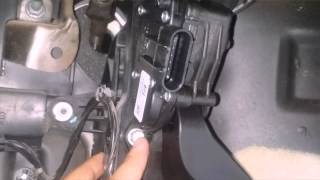
Typical fix: Replace the entire accelerator pedal assembly, as the sensor is integrated into it. This is a simple DIY job requiring only a T30 Torx driver. 🎬 Watch: Step-by-step accelerator pedal replacement for 2007-2013 GM models. After installation, applying dielectric grease to the new connector is recommended.
Est. part cost: $95-$165 - Dirty or Faulty Throttle Body ⚪ Low Probability While less common for P2138 specifically (which points to the pedal), a severely dirty or malfunctioning electronic throttle body can sometimes cause related drivability issues and codes, particularly P2135. However, some owners replace it in the process of chasing P2138.
How to confirm: Inspect the throttle body for heavy carbon buildup. Check for other codes related to the Throttle Position Sensor (TPS), such as P2135.
Typical fix: Clean the throttle body with a dedicated cleaner or replace the throttle body assembly if it's electronically faulty.
Est. part cost: $150-$300
Rare But Worth Checking
- Faulty Engine Control Module (ECM): This is very rare. The ECM should only be considered after all other possibilities, including all wiring and sensor diagnostics, have been exhaustively checked. A forum user discussed this possibility after extensive wiring tests. Another user on a Tahoe forum suspected a faulty PCM after replacing wires, connectors, and sensors without success.
- Water Intrusion from Leaking Roof Antenna: A known issue on K2XX platform trucks (2015-2018) involves water leaking from the roof-mounted 'shark fin' antenna. The water can travel down the A-pillar and wiring, contaminating electronics in the dash and kick panel area, which can lead to code P2138. GM issued TSB 17-NA-214 to address this leak.
- Aftermarket Accessories: GM TSB #07-06-04-019F explicitly warns that aftermarket equipment electrically connected to the APP sensor circuits or other 5V reference circuits can generate DTC P2138. Always verify if any aftermarket devices (remote starters, alarms, etc.) are tapped into these circuits.
Diagnosis Steps
- Read the trouble codes with an OBD-II scanner and note any other codes present, especially those related to the APP sensor or 5-volt reference circuits.
- Using the scanner's live data function, monitor the voltage (or percentage) of APP Sensor 1 and APP Sensor 2 while slowly pressing and releasing the accelerator pedal. The values should change smoothly and mirror each other. Any jumps, dropouts, or flat lines indicate a problem.
- Visually inspect the wiring and connector at the accelerator pedal. Perform a 'wiggle test' on the harness and a 'tug test' on each wire at the connector to check for breaks or poor pin tension.
- Following TSB #07-06-04-019F, locate and inspect the instrument panel-to-body harness connector (often a large connector in the driver's side kick panel area) for green or white corrosion or signs of water damage.
- Inspect for signs of water leaks inside the cabin, particularly around the A-pillar, sunroof drains, windshield seal, and under the driver's side carpet.
- For 2015-2018 models, specifically check for headliner stains or dampness near the A-pillar as evidence of a leaking 'shark fin' antenna, a known cause of downstream electrical issues.
- If wiring and connectors are confirmed to be in good condition and free of corrosion, and the live data shows a faulty sensor, replace the accelerator pedal assembly.
- If the pedal is replaced and the problem persists, perform a detailed continuity and resistance check on the APP sensor circuits between the pedal connector and the ECM.
Parts You'll Likely Need

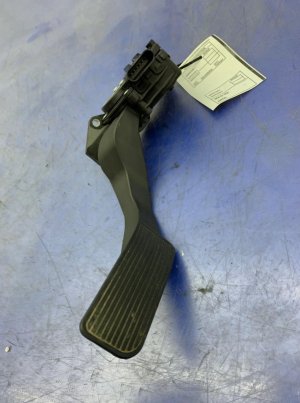
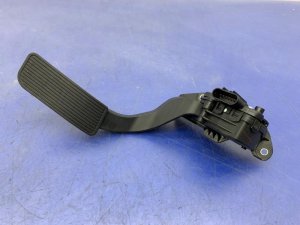
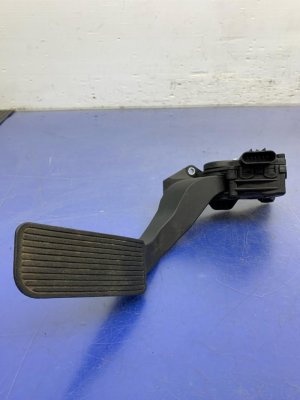
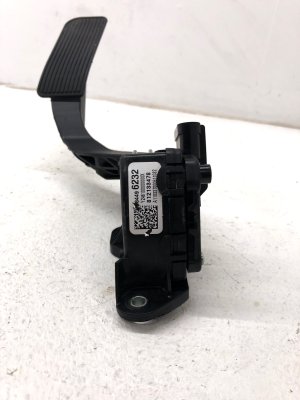
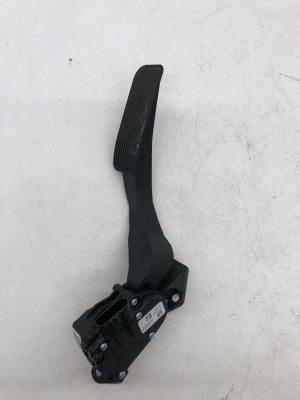
- Accelerator Pedal Assembly
(OEM #25832864 (For models with adjustable pedals, supersedes 15101848, 15847349). Note: Verify RPO code JF4 (adjustable pedals) in glove box before ordering.)— This is the most common part to fail or be replaced to fix P2138, as it contains the integrated APP sensors. An owner complaint confirms this as a common repair attempt.
Trusted brands: ACDelco, Dorman, Standard Motor Products, NTK
OEM price range: $120-$165
Aftermarket price range: $95-$130 - Harness Connector Pigtail
(OEM #ACDelco PT2628 (13584094))— If corrosion or damage is found at the APP sensor connector or the body harness connector, replacing the connector end (pigtail) is the proper repair. A technician on YouTube fixed a Yukon with P2138 by replacing this connector after finding a broken wire.
Trusted brands: ACDelco, Dorman
OEM price range: $20-$40
Aftermarket price range: $10-$25
Related Codes That Often Appear With This One
- P2122 — Relates to 'APP Sensor 1 Circuit Low Voltage,' indicating a specific fault in one of the pedal's two sensors.
- P2127 — Relates to 'APP Sensor 2 Circuit Low Voltage,' indicating a specific fault in the pedal's second sensor.
- P0697 — Relates to 'Sensor Reference Voltage C Circuit/Open,' which can be triggered by the same wiring issues affecting the APP sensor.
- P2128 — Relates to 'APP Sensor 1 Circuit High Voltage,' often seen with P2138 on related GMC Yukon models due to wiring issues at the pedal connector.
Technical Service Bulletins (TSBs) & Recalls
- Bulletin #070604019F: Intermittent Malfunction Indicator Lamp (MIL) Illuminated, DTC P2138 with Reduced Engine Power (Repair Instrument Panel (IP) to Body Harness Connector)
- Bulletin #PIP3783D: Malfunction Indicator Lamp On Or Reduced Engine Power Message, DTCs P2120, P2122, P2123, P2125, P2127, P2128, and/or P2138
- Bulletin #PIP5344: Malfunction Indicator Lamp On Or Reduced Power Message
- Bulletin #17-NA-214: Water Leak From Roof Antenna
Platform-Specific Known Issues
- TSB #07-06-04-019F: IP-to-Body Harness Connector: This key TSB, updated through 2018 models, explicitly calls out repairing the instrument panel-to-body harness connector to fix intermittent P2138 and 'Reduced Engine Power' messages. It directly links the fault to water intrusion causing corrosion in this connector.
- TSB #PIP3783D: Poor Terminal Tension: Points to poor terminal tension in the Accelerator Pedal Position circuits as a cause for P2138. This means the metal pins inside the plastic connectors are not making a tight connection, leading to intermittent signals.
- TSB #17-NA-214: Leaking 'Shark Fin' Antenna: For 2015-2018 models, this TSB addresses water leaks from the roof antenna. The water can run down the A-pillar and contaminate various electrical components, including the IP-to-body harness connector, causing P2138 among other issues.
Mechanic-Grade Diagnostic Values
- APP Sensor 1 and 2 Live Data Voltage — expected: Both sensors should rise proportionally from ~0.5V (pedal released) to ~4.5V (full throttle). One common strategy is APP1 (e.g., Dark Blue wire) reading ~0.9V at rest to ~4.5V at WOT, while APP2 (e.g., Light Blue wire) reads ~0.45V at rest to ~2.5V at WOT.. Failure: A voltage divergence greater than 0.5V between the two sensors will typically trigger the fault. Any dropouts, spikes, or non-linear movement indicates a fault in the sensor or circuit.
- APP Sensor 5V Reference Circuit Voltage — expected: A steady 5 volts at the reference wire.. Failure: A lower voltage, such as 4.6V, can be enough to cause a correlation mismatch at wide-open throttle, indicating high resistance in the circuit.
- APP Sensor Low Reference (Ground) Circuit Voltage — expected: Less than 100 mV (0.1 volts) when back-probing the ground wires at the sensor connector with the engine running.. Failure: Voltage significantly higher than 100 mV indicates a poor ground connection, which is a common cause of sensor correlation issues.
Scan Tool Commands That Help
- GM GDS2 (or other high-level scan tool): Idle Learn Reset — After replacing the throttle body or accelerator pedal, or after disconnecting the battery, an idle relearn may be necessary. Using a scan tool is the most reliable method. Navigate to 'Special Functions' or 'Module Setup', select 'Idle Learn', and follow the on-screen prompts to reset the learned values.
- Manual Procedure (No Scan Tool): Accelerator Pedal Released Position Learning — If a scan tool is not available, this procedure helps the ECM learn the pedal's rest position. With the pedal fully released, turn the ignition ON for at least 2 seconds, then OFF for at least 10 seconds. Repeat this cycle once more.
Wiring & Ground Locations

- X225 — In the passenger compartment, behind the lower left side of the instrument panel (driver's side kick panel area).. This is a major body harness connector for 2015+ K2XX models. It carries the APP sensor signals. It is a known point of failure due to corrosion caused by water leaks from the A-pillar or sunroof drains, as documented in GM communications.
- G218 — Under the driver's side of the instrument panel, near the kick panel.. This is a primary ground for the Body Control Module (BCM). A loose or compromised connection here can cause widespread electrical issues, including those that trigger a P2138. A specific TSB notes that the dash insulator mat can get trapped under the ground eyelet from the factory, causing a poor connection.
- G103 — On the cowl in the left rear of the engine compartment, often above the brake booster.. On similar GM truck platforms, this ground serves the BCM, Instrument Panel Cluster (IPC), and the Data Link Connector (DLC). A fault here can disrupt communication and sensor readings.
- APP Sensor Connector Pins — At the accelerator pedal assembly.. The six primary pins are for two 5V reference signals, two low reference (ground) signals, and the two signal return wires (APP1 and APP2). Technicians must test voltage and continuity at these specific pins. For example, on some models, APP1 signal is a dark blue wire and APP2 is a light blue wire.
Real Owner Repair Stories
- YouTube - AnthonyJ350 (2015+ K2XX Chevrolet Tahoe, low mileage (51,000 km)) — Intermittent Check Engine Light with code P2138, 'Reduced Engine Power' message.
❌ Tried (didn't work) The dealership could not replicate the code and only noted a slight variation in sensor readings.
✅ What actually fixed it The independent shop identified evidence of water intrusion (rust on the driver's side power distribution center, dielectric grease already applied) consistent with a known leak from the roof 'shark fin' antenna on K2XX trucks. The water was contaminating the wiring and connectors in the driver's kick panel. The final fix was to return the vehicle to the dealership under warranty, armed with the evidence of the water leak and the corresponding TSB, to have them perform the correct repair (sealing the leak and repairing affected wiring). - ScannerDanner Forum (Vehicle not specified, but GM truck with APP sensor correlation issue.) — P2138, drivability issues.
❌ Tried (didn't work) Initial scan tool data showed confusing dropouts on the APP2 sensor.
✅ What actually fixed it Using an oscilloscope, the technician found the APP2 dropout was a normal PCM self-test. The actual fault was on the 5V reference line for APP1, which only read 4.6V. This small voltage drop was enough to cause a correlation fault at wide-open throttle. The fix was repairing the wiring harness after locating the high resistance using a wiggle test.
OEM Part Supersession History
15101848, 15847349→25832864— Part revision and consolidation by GM.
Heads up: This part number (25832864) is primarily for the GMT900 platform (2013-2014). It may not be compatible with 2015+ models.N/A→20972082, 23211583, 23362231— Various part numbers used for the K2XX platform (2015-2018).
Heads up: Fitment for 2015-2018 models is highly dependent on whether the vehicle is equipped with power-adjustable pedals. Always verify the correct part number for your specific VIN and options before purchasing.
Model Year Variations Within This Range
- 2015-2018 (K2XX Platform): These models are known for a potential water leak from the roof-mounted 'shark fin' antenna, which can drain down the A-pillar and corrode connector X225 in the driver's kick panel, causing P2138. This is a specific failure mode not typically seen on the earlier GMT900 platform.
- 2013-2014 (GMT900) vs 2015-2018 (K2XX): The accelerator pedal assemblies are different parts between the two generations. The GMT900 platform commonly uses part #25832864, while the K2XX platform uses several different part numbers depending on options.
Helpful Videos

We Have This Part in Stock


The information in this article is provided for general reference and educational purposes only. Vehicle specifications, procedures, and part compatibility can vary by production date, trim level, and region. Always consult your vehicle's factory service manual and verify part numbers before purchasing or performing repairs. Safety-critical components such as airbags, seat belts, and braking systems should be installed by a qualified professional.
- Chevrolet TAHOE:
- 🎬 Helpful Videos
- 🛍️ Shop This Part
- What's Unique About the 2013-2018 Chevrolet TAHOE
- Diagnostic Flowchart
- Symptoms You May Notice
- Most Likely Causes
- Rare But Worth Checking
- Diagnosis Steps
- Parts You'll Likely Need
- Related Codes That Often Appear With This One
- Technical Service Bulletins (TSBs) & Recalls
- Platform-Specific Known Issues
- Mechanic-Grade Diagnostic Values
- Scan Tool Commands That Help
- Wiring & Ground Locations
- Real Owner Repair Stories
- OEM Part Supersession History
- Model Year Variations Within This Range
- 🎟️ Get 5% Off