

P2138 on 2013-2018 Cadillac Escalade ESV: Reduced Power Causes & Fixes
This code almost always points to a faulty accelerator pedal position (APP) sensor or a wiring issue between the pedal and the engine computer. Expect to replace the entire accelerator pedal assembly. A common secondary cause is water intrusion into a specific body harness connector near the driver's kick panel, a well-documented issue in GM TSBs.
- P2138 on a 2013-2018 Escalade means the two sensors in your gas pedal are giving conflicting signals.
- The most common symptom is the 'Reduced Engine Power' message, which severely limits acceleration.
- The fix is usually replacing the entire accelerator pedal assembly, which is a straightforward DIY job.
- Before replacing the pedal, always inspect the wiring, especially the large IP-to-body connector near the driver's kick panel, for water damage or corrosion as per GM service bulletins.
- Do not immediately assume the throttle body is the problem; this code points specifically to the accelerator pedal circuit.
What's Unique About the 2013-2018 Cadillac ESCALADE ESV
On this generation of GM trucks and SUVs (GMT900 and K2XX platforms), including the Escalade, code P2138 is very frequently linked to specific, well-documented wiring problems. Manufacturer Technical Service Bulletin (TSB) #07-06-04-019F repeatedly highlights issues with water intrusion into the instrument panel-to-body harness connector (often called the X209 or a similar large junction connector), causing corrosion and poor signals. This water leak can originate from clogged sunroof drains, a poorly sealed windshield, or A-pillar seals. This means that while the pedal sensor itself can fail, the wiring and connectors are a primary suspect and should be inspected thoroughly before replacing parts to avoid a misdiagnosis.
Diagnostic Flowchart
Tap your situation to follow the diagnostic path that matches what you're seeing on this vehicle.
Generation note: This year range covers two generations of the Escalade ESV: the third generation (2013-2014, GMT900 platform) and the fourth 🎬 Watch: A detailed diagnostic walkthrough for GMT900 platform trucks. generation (2015-2018, K2XX platform). The causes and fixes are very similar for both, as GM issued service bulletin TSB 07-06-04-019F that covers models up to 2018. The primary issues of a failing pedal sensor or the water-intrusion-related wiring problem are common to both generations and their platform mates (Tahoe, Yukon, Suburban, etc.).
Symptoms You May Notice
- Reduced Engine Power message on the dashboard.
- Check Engine Light is on.
- Very poor or slow acceleration, sometimes limited to 5 mph.
- Vehicle may enter "limp mode".
- Hesitation or jerky throttle response.
- "Service Traction Control" or other warning lights (ABS, etc.) may appear simultaneously.
- Engine may stall when coming to a stop.
- Replacing the Throttle Body. The code P2138 specifically relates to a correlation error between the two sensors in the *pedal* assembly. While a throttle body issue can cause other driveability problems, it is not the typical cause for this specific code on this vehicle. Many owners replace the throttle body only to have the code return because the fault was the pedal or wiring.
Most Likely Causes
- Faulty Accelerator Pedal Position (APP) Sensor 🔴 High Probability The APP sensor is integrated into the accelerator pedal assembly. It's a high-use electronic component that can wear out over time, causing its internal sensors to send conflicting signals. This is the most common repair performed for this code.
How to confirm: Use a scan tool to monitor live data for APP Sensor 1 and APP Sensor 2. As you press the pedal, the voltage readings should change smoothly and correlate. For example, on some GM systems, APP1 voltage is expected to be roughly double the APP2 voltage during the sweep. If one sensor shows erratic readings, drops to zero, or doesn't respond, the assembly is faulty.
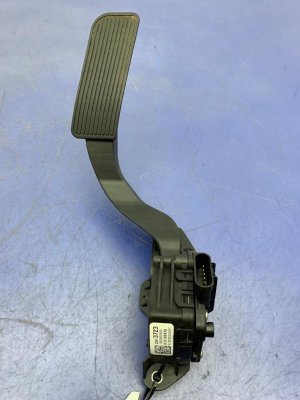
Typical fix: Replace the entire accelerator pedal assembly. The sensor is not sold separately. This is a simple DIY job requiring only basic hand tools (often a 10mm socket) and takes less than 30 minutes. 🎬 Watch: How to quickly replace the accelerator pedal assembly.
Est. part cost: $95-$170 - Wiring or Connector Issue (IP to Body Harness) 🟡 Medium Probability GM has issued multiple TSBs (e.g., #07-06-04-019F) for this exact problem. Water can leak into the cabin from A-pillar seals, sunroof drains, a poorly sealed roof antenna, or a bad windshield seal and contaminate the IP-to-body harness connector, often located near the driver's side kick panel. This causes corrosion and signal problems for the APP circuits.
How to confirm: Locate and disconnect the large IP-to-body harness connector in the driver's kick panel area. Inspect for any signs of moisture, green or white corrosion on the pins, or pushed-out terminals. A 'wiggle test' on the harness while watching live sensor data can also reveal an intermittent connection.
Typical fix: Clean the connector terminals of any corrosion using an electrical contact cleaner and a small brush. Apply dielectric grease to the connector before reassembly to prevent future moisture intrusion. If the wiring or terminals are badly damaged, the connector pigtail may need to be replaced. The source of the water leak must also be identified and repaired.
Est. part cost: $5-$50 - Damaged Wiring at the APP Sensor Connector ⚪ Low Probability The wiring leading directly to the accelerator pedal can become stressed, stretched, or damaged over time, leading to an internal break in the wire even if the insulation looks intact. This can happen from repeated movement or from being snagged.
How to confirm: Visually inspect the wiring harness going to the pedal assembly. While monitoring live data on a scan tool, wiggle the wires near the connector to see if the voltage signal for either APP sensor drops out. A user on YouTube found a break inside the insulation by feel after other diagnostics failed.
Typical fix: Repair the broken wire. This often involves cutting out the bad section, soldering in a new piece of wire, and protecting it with heat-shrink tubing. Some owners choose to bypass the problematic body connector entirely by running new wires directly from the pedal to the ECM.
Est. part cost: $1-$10
Rare But Worth Checking
- Faulty Engine Control Module (ECM): This is very rare. Before condemning the ECM, all other possibilities, especially the pedal assembly and all related wiring and connectors, must be exhaustively checked. An ECM failure can mimic sensor issues.
- Aftermarket Accessories: Improperly installed aftermarket equipment (like remote starters or lighting) tapped into 5V reference or sensor signal circuits can interfere with the APP sensor signals and trigger a P2138 code. TSB #07-06-04-019F specifically calls this out as a first check.
- Dirty or Sticking Throttle Body: While P2138 specifically points to a pedal sensor correlation error, a severely dirty or mechanically binding throttle body can, in some instances, cause erratic signals that the ECM may misinterpret. Cleaning the throttle body is a potential, though less common, fix.
Diagnosis Steps
- Read all fault codes with an OBD-II scanner. Note any other codes present alongside P2138, especially other APP sensor or 5V reference codes.
- Use the scanner's live data function to view the voltage or percentage for 'APP Sensor 1' and 'APP Sensor 2'.
- With the vehicle in 'key on, engine off' state, slowly press and release the accelerator pedal. Both sensor readings should increase and decrease smoothly and in tandem, with no dropouts or spikes.
- If a sensor's reading is erratic, jumps, or drops to zero, the pedal assembly is the likely fault.
- If the data seems okay, perform a 'wiggle test'. While watching the live data, gently wiggle the wiring harness at the pedal connector and at the IP-to-body harness connector (near the driver's kick panel). If the voltage fluctuates wildly, you have a wiring issue.
- Visually inspect the IP-to-body harness connector for signs of water intrusion or corrosion (green or white powder), as detailed in TSB #07-06-04-019F. This is a critical step.
- If the connector is corroded, clean it with electrical contact cleaner and apply dielectric grease. If the water leak source is apparent (e.g., wet headliner near sunroof or A-pillar), address that root cause.
- If no issues are found with wiring or the pedal sensor, the problem could be a rare ECM fault, but this should be the last consideration.
Parts You'll Likely Need
- Accelerator Pedal Assembly
(OEM #23362241 (For K2XX, 2015-2018), 22741799 (For GMT900, 2013-2014))— This is the most common fix. The assembly contains the two Accelerator Pedal Position (APP) sensors that fail and trigger the code. The sensors are not serviceable individually. Part number 23362241 supersedes 23163168.
Trusted brands: ACDelco (GM Genuine), Standard Motor Products (SMP), NTK/NGK
OEM price range: $100-$170
Aftermarket price range: $95-$130
Related Codes That Often Appear With This One
- P2122 — Indicates a low voltage input for APP Sensor 1 ('D' circuit), often appearing with P2138 when there's a wiring issue or sensor failure.
- P2123 — Indicates a high voltage input for APP Sensor 1 ('D' circuit).
- P2127 — Indicates a low voltage input for APP Sensor 2 ('E' circuit), also commonly seen with P2138.
- P2128 — Indicates a high voltage input for APP Sensor 2 ('E' circuit).
- P0697 — Indicates an issue with the Sensor Reference Voltage 'C' Circuit, which can be related if the 5V reference supply to the APP sensor is compromised.
Technical Service Bulletins (TSBs) & Recalls
- PIP5344: Mentions P2138 can set with other electrical codes and advises diagnostics.
- 07-06-04-019F: The most critical TSB. Details the repair for the IP-to-body harness connector to fix an intermittent MIL and Reduced Engine Power with DTC P2138, caused by water intrusion. It covers models up to 2018.
- PIP3783D: Recommends inspecting APP circuits for poor terminal tension when P2138 is present.
- 07-06-04-019E: An earlier version of TSB 070604019F, also addressing the harness connector for P2138.
Platform-Specific Known Issues
- A known issue, documented in GM TSB #07-06-04-019F, is water leaking into the cabin and corroding the IP-to-body harness connector, which carries the APP sensor signals. This can cause a P2138
Mechanic-Grade Diagnostic Values
- APP Sensor 1 vs. APP Sensor 2 Voltage Correlation — expected: With a scan tool, APP1 voltage should be approximately double the APP2 voltage throughout the pedal's travel.. Failure: A deviation from this 2:1 ratio, or if either voltage is erratic, drops out, or does not change smoothly when the pedal is pressed.
- APP Sensor 5V Reference Voltage at Connector — expected: Approximately 5.0 volts at the specified reference wire pins with the key on, engine off.. Failure: No voltage or significantly low voltage indicates a wiring or ECM problem upstream of the sensor.
Scan Tool Commands That Help
- Professional Scan Tool (e.g., GDS2, Tech2): Idle Learn / Throttle Relearn Procedure — After replacing the accelerator pedal assembly or throttle body, or after disconnecting the battery. The ECM needs to relearn the new baseline idle values. While not always strictly required for an APP sensor replacement, it is good practice to ensure smooth idle.
Wiring & Ground Locations
- IP-to-Body Harness Connector (e.g., X209) — Located in and around the left-hand (driver's side) kick panel area. This is a large, multi-wire connector.. This is the primary location for water intrusion issues described in TSB #07-06-04-019F. The APP sensor signals pass through this connector, and corrosion here is a direct cause of P2138.
- APP Sensor Connector — Directly attached to the top of the accelerator pedal assembly.. This is a 6-pin connector. The key circuits are the two 5-volt reference wires, two low-reference (ground) wires, and the two signal wires (APP Sensor 1 and APP Sensor 2) that return voltage to the ECM.
- Ground G105 — Located at the left front of the engine compartment, often behind the cooling fan relays.. While not a primary cause, poor grounds can cause a myriad of electrical issues. Ensuring all engine and body grounds are clean and secure is a crucial step in diagnosing intermittent electrical faults.
- Ground G304 / G305 — Interior grounds located under the front seats or center console area.. These grounds are for various interior modules. A loose or corroded interior ground could potentially affect the BCM or other modules that interact with the ECM, causing unpredictable electrical behavior.
Real Owner Repair Stories
- YouTube channel AnthonyJ350 (K2XX Platform GM Truck (Silverado/Sierra/Tahoe/Yukon/Escalade family)) — Intermittent 'Reduced Engine Power' message and P2138 code. The dealership had replaced the accelerator pedal assembly, but the problem returned.
❌ Tried (didn't work) Replacing the accelerator pedal assembly.
✅ What actually fixed it The root cause was identified as water intrusion from a poorly sealed roof 'shark fin' antenna. Water was wicking down the A-pillar, pooling in the driver's footwell, and causing corrosion and moisture issues in the fuse block and nearby wiring connectors, consistent with TSB #07-06-04-019F. The final fix required finding and sealing the water leak source before addressing the electrical damage.
OEM Part Supersession History
23163168→23362241— Standard part revision and improvement by the manufacturer.
Heads up: The new part number (23362241) is a direct replacement for the old one on 2015-2018 models. There are no known incompatibility issues.
Model Year Variations Within This Range
- 2015-2018 (K2XX Platform): The K2XX platform trucks are particularly noted for water leaks originating from the 'shark fin' roof antenna, which was less of an issue on the earlier GMT900 platform. While both can suffer from water leaks, the source may differ.
- 2013-2014 (GMT900 Platform): Water leaks on this platform are more commonly attributed to clogged sunroof drains, windshield seals, or A-pillar seals rather than the roof antenna. The problematic IP-to-body connector is still a key failure point.
Helpful Videos

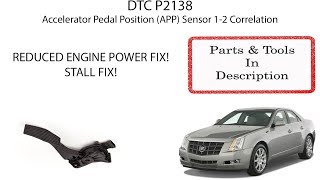
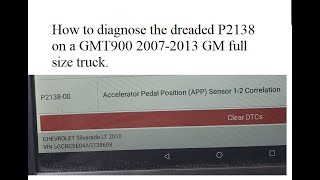
We Have This Part in Stock

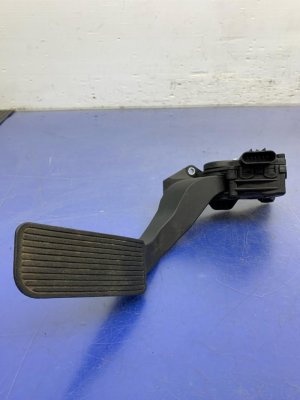
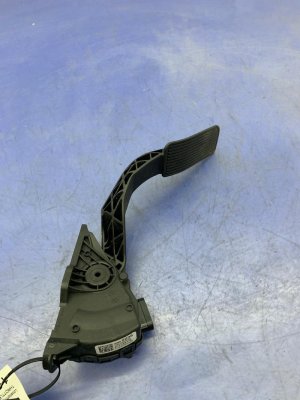


The information in this article is provided for general reference and educational purposes only. Vehicle specifications, procedures, and part compatibility can vary by production date, trim level, and region. Always consult your vehicle's factory service manual and verify part numbers before purchasing or performing repairs. Safety-critical components such as airbags, seat belts, and braking systems should be installed by a qualified professional.
- Cadillac ESCALADE ESV:
- 🎬 Helpful Videos
- 🛍️ Shop This Part
- What's Unique About the 2013-2018 Cadillac ESCALADE ESV
- Diagnostic Flowchart
- Symptoms You May Notice
- Most Likely Causes
- Rare But Worth Checking
- Diagnosis Steps
- Parts You'll Likely Need
- Related Codes That Often Appear With This One
- Technical Service Bulletins (TSBs) & Recalls
- Platform-Specific Known Issues
- Mechanic-Grade Diagnostic Values
- Scan Tool Commands That Help
- Wiring & Ground Locations
- Real Owner Repair Stories
- OEM Part Supersession History
- Model Year Variations Within This Range
- 🎟️ Get 5% Off