

P2138 on 2013-2018 Cadillac Escalade: Reduced Power Causes and Fixes
On a 2013-2018 Escalade, code P2138 almost always points to a faulty accelerator pedal position (APP) sensor or a wiring issue. The most likely fix is replacing the entire accelerator pedal assembly. Before replacing it, check for corroded wiring at the IP-to-body harness connector near the driver's kick panel, a known issue covered by GM Technical Service Bulletin #07-06-04-019F. This wiring problem is a very common cause and should be ruled out first to avoid misdiagnosis.
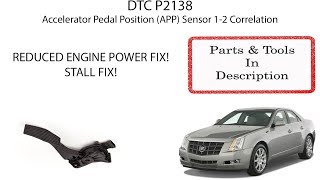
- P2138 means the two sensors in your gas pedal are sending conflicting signals to the computer.
- The most common symptom is the "Reduced Engine Power" message, which makes the vehicle very slow.
- BEFORE buying a new pedal, inspect the large wiring connector in the driver's kick panel for corrosion from water leaks, as this is a very common cause.
- If the wiring is good, the fix is to replace the entire accelerator pedal assembly, which is a straightforward DIY job.
- Do not replace the throttle body for this code; the problem is almost certainly at the pedal or in its wiring.
What's Unique About the 2013-2018 Cadillac ESCALADE

For this generation of GM trucks and SUVs, including the Escalade, the P2138 code is very frequently caused by a wiring problem, not just a bad pedal sensor. General Motors has issued multiple Technical Service Bulletins (TSBs), most notably #07-06-04-019F, advising technicians that water intrusion into a specific body harness connector can cause corrosion and signal problems that mimic a failed pedal. This connector is typically located in the driver's side kick panel area and is vulnerable to water leaks from A-pillar seals, sunroof drains, or windshield sealing. This makes checking the wiring a critical first step before spending money on parts.
Diagnostic Flowchart
Tap your situation to follow the diagnostic path that matches what you're seeing on this vehicle.
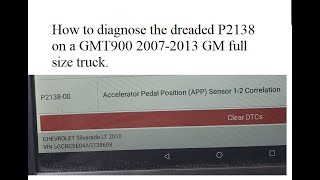
Generation note: This range covers the end of the third generation (2013-2014, GMT900 platform) and the fourth 🎬 Watch: Diagnostic walkthrough and wiring diagrams for GMT900 models. generation (2015-2018, K2XX platform) Escalade. The P2138 code and its common causes, particularly the wiring issues outlined in TSB 07-06-04-019F, are relevant to both generations and many other GM trucks and SUVs. The specific accelerator pedal part numbers and some connector locations differ between the two generations.
Symptoms You May Notice
- "Reduced Engine Power" message on the dashboard.
- Check Engine Light is on.
- "Service Stabilitrak" or "Traction Control Off" messages may also appear.
- Poor, delayed, or no acceleration.
- Vehicle may stall when coming to a stop.
- Unresponsive or stuck throttle.
- Vehicle speed limited to very low speeds (e.g., 5 mph).
- Replacing the throttle body. A throttle body issue will typically set different trouble codes (e.g., P1516, P2101). P2138 specifically points to a problem with the accelerator pedal's sensors or their circuits. Owners often replace the throttle body only to have the P2138 code return.
Most Likely Causes

- Corroded or Damaged Wiring/Connector (IP-to-Body Harness) 🔴 High Probability GM TSB #07-06-04-019F specifically identifies water intrusion into the instrument panel (IP) to body harness connector as a primary cause. This connector, often designated X225 on K2XX models, 🎬 See how to find and clean the X225 connector. is in the driver's side kick panel area and is susceptible to leaks from the A-pillar, sunroof drains, or windshield/cowl sealing. The corrosion creates a voltage difference between the two APP sensor signals, triggering the P2138 code.
How to confirm: Visually inspect the IP-to-body harness connector (often a large, black connector labeled X225) for any signs of green or white corrosion, moisture, or backed-out pins. Wiggle the harness while monitoring sensor voltages on a scan tool to see if the signal drops out.
Typical fix: Disconnect the battery. Clean the connector terminals meticulously with electrical contact cleaner and a small brush. Apply a dielectric grease like Nyogel 760G to the male terminals to prevent future moisture intrusion and corrosion. If corrosion is severe, the affected pins or the connector pigtail may need to be replaced.
Est. part cost: $10-$50 - Faulty Accelerator Pedal Position (APP) Sensor Assembly 🔴 High Probability The internal sensors are wear items. Over time, the resistive tracks inside the sensor can wear out, causing their voltage signals to become erratic, drift, or no longer correlate, leading to the P2138 fault.
How to confirm: After ruling out wiring issues, use a scan tool with live data to monitor the voltage of APP Sensor 1 and APP Sensor 2 while slowly pressing the pedal. The voltages should change smoothly. If one is erratic, jumps, or doesn't respond, the sensor is bad.
Typical fix: Replace the entire accelerator pedal assembly. It is a single unit that contains the pedal and the integrated sensors.
Est. part cost: $60-$165 - Damaged Wiring at the APP Sensor Connector 🟡 Medium Probability The wiring harness leading directly to the pedal can become stretched or damaged from foot movement or debris, causing an internal break in the wire even if the insulation looks fine.
How to confirm: With the engine running and a scan tool monitoring live data, carefully wiggle the wires at the back of the accelerator pedal connector. If this causes the APP sensor voltage to drop to zero or act erratically, there is a break in the wiring.
Typical fix: Repair the broken wire(s) or replace the connector pigtail.
Est. part cost: $15-$40
Rare But Worth Checking
- Faulty Engine Control Module (ECM): This is very rare and should only be considered a last resort. All other possibilities, including the pedal, all related wiring, and connectors, must be exhaustively checked and ruled out before condemning the ECM. A confirmed failure mode is the ECM being unable to read the full voltage range from one of the APP sensors.
Diagnosis Steps
- Read the trouble codes with an OBD-II scanner. Confirm P2138 is present and note any other codes, especially P2122, P2123, P2127, or P2128.
- CRITICAL FIRST STEP: Locate and inspect the Instrument Panel (IP) to body harness connector as specified in TSB 07-06-04-019F. It is typically a large connector (X225 on 2015+ models) located behind the driver's side kick panel. Disconnect it and check thoroughly for green or white corrosion, moisture, or damaged pins.
- If corrosion is found, clean the connector terminals with electrical contact cleaner and a small brush. Apply dielectric grease (Nyogel 760G is specified by some manufacturers) to the male pins before reconnecting. Repair any water leaks from the A-pillar, sunroof drains, or cowl.
- If the IP-to-body connector is clean, inspect the wiring and connector directly at the accelerator pedal. Check for stretched or damaged wires.
- Use a scan tool to view live data for APP Sensor 1 and APP Sensor 2. The key should be on with the engine off.
- Slowly press and release the accelerator pedal. Watch the voltage readings. They should move smoothly and in a correlated manner. For example, APP1 may sweep from ~1.0V to ~4.2V while APP2 sweeps from ~0.5V to ~2.5V. They should not be jumpy or have dropouts. A voltage difference greater than 0.5V between the sensors can trigger the code.
- While watching the live data, wiggle the wiring harness at the pedal connector and at the IP-to-body connector to see if you can induce a fault or signal dropout. A drop to 0 volts indicates a broken wire or bad connection.
- If the wiring and connectors are confirmed to be good and the signals are still erratic or non-responsive, the accelerator pedal assembly is faulty and should be replaced.
- After any repair, clear the codes and perform a test drive to verify the fix. Some vehicles may require a scanner-initiated idle relearn procedure.
Parts You'll Likely Need

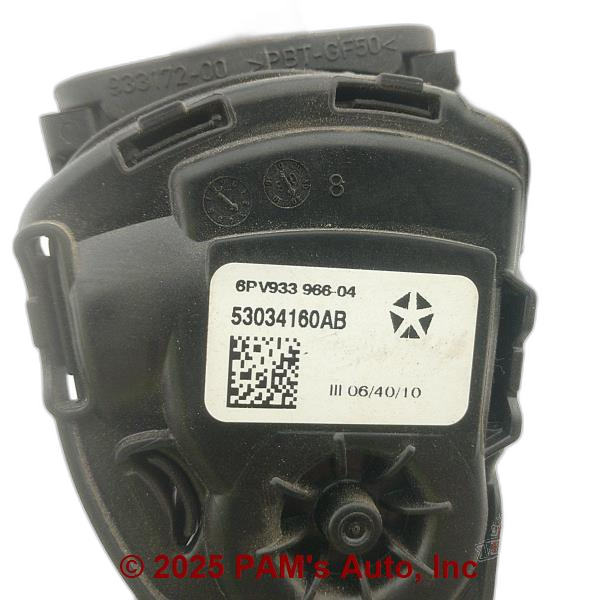
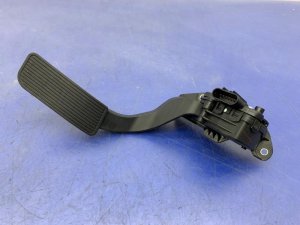
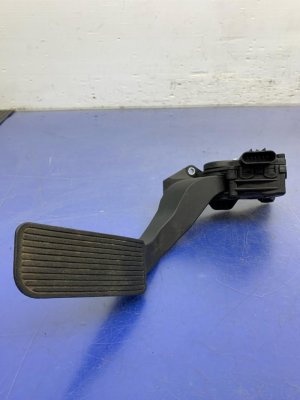
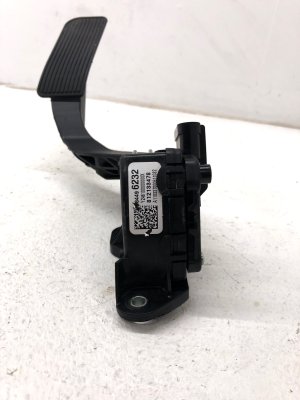
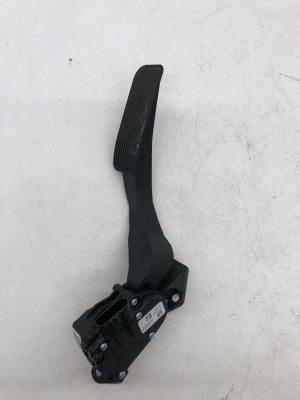
- Accelerator Pedal Assembly
(OEM #20972082 (For 2013-2014 w/o adjustable pedals), 25832864 (For 2013-2014 w/ adjustable pedals), 84109291 (For 2015-2018 w/ adjustable pedals))— This is the most common part to fail after wiring issues are ruled out, causing the P2138 correlation error. The assembly includes both internal sensors and is replaced as a single unit. 🎬 Watch: How to replace the accelerator pedal assembly yourself.
Trusted brands: ACDelco, Standard Motor Products, Dorman, NGK/NTK
OEM price range: $110-$165
Aftermarket price range: $60-$120 - Dielectric Grease
(OEM #GM #12377900 (Nyogel 760G))— Essential for protecting the IP-to-body harness connector from future moisture and corrosion after cleaning, which is a primary cause of P2138.
Trusted brands: Nye (Nyogel 760G), Permatex, ACDelco
OEM price range: $15-$25
Aftermarket price range: $5-$10
Related Codes That Often Appear With This One
- P2122 — This code indicates 'APP Sensor 1 Circuit Low Voltage,' pointing to a specific fault within one of the pedal's two sensors.
- P2123 — This code indicates 'APP Sensor 1 Circuit High Voltage,' pointing to a specific fault within one of the pedal's two sensors.
- P2127 — This code indicates 'APP Sensor 2 Circuit Low Voltage,' pointing to a fault in the second sensor within the pedal assembly.
- P2128 — This code indicates 'APP Sensor 2 Circuit High Voltage,' pointing to a fault in the second sensor within the pedal assembly.
- P1125 — An older GM-specific code that often accompanies P2138, also pointing to a pedal position sensor issue.
Technical Service Bulletins (TSBs) & Recalls
- 070604019F: Intermittent MIL with Reduced Engine Power, DTC P2138 (Repair Instrument Panel to Body Harness Connector)
- PIP3783D: Malfunction Indicator Lamp On Or Reduced Engine Power Message, DTCs P2120, P2122, P2123, P2125, P2127, P2128, And/Or P2138
- PIP5344: Malfunction Indicator Lamp On Or Reduced Power Message With Multiple DTCs
Platform-Specific Known Issues
- TSB #07-06-04-019F: This is the most critical document for this issue. It explicitly states that intermittent MIL with DTC P2138 is often caused by water intrusion into the IP-to-body harness connector. It advises against replacing the pedal assembly until this connector has been inspected and repaired if necessary. The water source is often from a leaking A-pillar, sunroof drain, or windshield seal.
- TSB #PIP3783D: This bulletin notes that codes P2120, P2122, P2123, P2125, P2127, P2128, and/or P2138 can be caused by poor terminal tension in the Accelerator Pedal Position circuits, reinforcing the theme of wiring and connection issues.
- TSB #PIP5344: Mentions that P2138 can appear with a group of other codes, and if standard diagnostics are inconclusive, an inspection of the wiring/connectors is warranted.
Mechanic-Grade Diagnostic Values
- APP Sensor 1 Voltage Sweep (Scan Tool Live Data) — expected: Smoothly sweeps from approximately 1.0V (pedal released) to 4.2V (pedal fully depressed).. Failure: Voltage is jumpy, does not sweep smoothly, or fails to reach the full range (e.g., stops at 3.75V).
- APP Sensor 2 Voltage Sweep (Scan Tool Live Data) — expected: Smoothly sweeps from approximately 0.5V (pedal released) to 2.5V (pedal fully depressed).. Failure: Voltage is jumpy, does not sweep smoothly, or has dropouts.
- APP Sensor Voltage Correlation — expected: The two sensor voltages should change in a predictable, correlated manner as the pedal is pressed.. Failure: A divergence greater than 0.5V between the two sensor signals for more than a few seconds.
- APP Sensor 5-Volt Reference Circuit — expected: Between 4.5 and 5.2 volts with key on, engine off.. Failure: Voltage below 4.5V indicates a problem with the supply from the ECM or a short on the circuit.
Scan Tool Commands That Help
- GDS2 / Professional Aftermarket Scanner (e.g., Foxwell): Idle Relearn / Throttle Relearn — After replacing the throttle body (a common misdiagnosis) or sometimes after replacing the APP sensor, if the idle is unstable. Some GM vehicles require a scanner-initiated command to properly relearn idle values and may not do so automatically.
Wiring & Ground Locations

- X225 — In the passenger compartment, behind the lower left side of the instrument panel (driver's side kick panel).. This is the Instrument Panel (IP) to body harness connector frequently cited in TSB #07-06-04-019F as a source of water intrusion and corrosion, directly causing P2138.
- APP Sensor Connector (C213 on some diagrams) — Directly connected to the accelerator pedal assembly.. This is the primary connection for the two pedal sensors. Wires can break internally near the connector pins from stress and movement, causing intermittent faults. A typical 6-pin layout is: Pin E (APP1 Signal), Pin B (APP2 Signal), Pin F (APP1 5V Ref), Pin C (APP2 5V Ref), Pin D (APP1 Low Ref), Pin A (APP2 Low Ref).
- G201 — At the left end of the dash (2014 model year).. A poor dash-area ground can cause floating reference voltages for sensors like the APP, leading to correlation errors.
- G103 / G102 — G103 is on the front of the right cylinder head; G102 is on the lower left front of the engine (2014 model year).. These are major engine grounds. While less likely to be the primary cause than the kick panel connector, a corroded or loose engine ground can create a host of sensor signal issues.
Real Owner Repair Stories
- YouTube channel 'The Blueprint Auto' (2015 Cadillac Escalade ESV 6.2L) — Reduced power, limp mode, code P2138. The issue would occur intermittently, often after hitting a bump.
❌ Tried (didn't work) Replaced the accelerator pedal assembly with a new OEM part., Visually inspected connectors for corrosion (none found).
✅ What actually fixed it Found a broken wire for the APP sensor inside the insulation, right near the connector pin. The insulation was intact, so the break was not visible. The fault was found by wiggling the harness while watching live scan tool data, which caused the signal to drop out. The wire was repaired by soldering. - YouTube channel 'ScannerDanner' (2011 Cadillac (similar GMT900 platform)) — Intermittent reduced engine power, P2138. Fault would trigger when accelerator was pressed past 78%.
❌ Tried (didn't work) Checked and cleaned grounds., Tested wiring harness integrity using jumper wires to bypass vehicle wiring (ruled out harness issue).
✅ What actually fixed it Diagnosed a faulty Engine Control Module (ECM). The APP1 sensor signal would not read above 3.75V on the scan tool, even when 5V was jumped directly to the ECM's signal input pin. This proved the pedal and wiring were good, and the ECM itself was incapable of reading the full voltage range, causing the correlation fault.
"I Checked Everything" — The Actual Cause
- While not a smoke test issue, a common pattern for P2138 is when standard electrical tests (visual inspection, connector cleaning) fail to find a cause. In one documented case on a 2015 Escalade, the pedal was replaced and connectors looked clean, but the problem persisted. The actual cause was an internal break in a wire within the harness near the pedal connector. The copper strands were broken inside the intact insulation, a fault only found by physically manipulating the harness while observing live sensor data on a scan tool.
OEM Part Supersession History
15101848, 15847349→25832864— Part revision and consolidation by the manufacturer.
Heads up: This part is for the GMT900 platform (through 2014) with adjustable pedals.23135461, 23475850→84109291— Part revision for the new platform.
Heads up: This part is for the K2XX platform (2015-2018) with adjustable pedals and is not backward compatible with the older generation.
Model Year Variations Within This Range
- 2013-2014 (GMT900 Platform): Uses a different accelerator pedal assembly (e.g., PN 25832864 for adjustable pedals). Wiring diagrams and some ground locations (e.g., G201) are specific to this platform.
- 2015-2018 (K2XX Platform): Uses a different accelerator pedal assembly (e.g., PN 84109291 for adjustable pedals). The key IP-to-body harness connector is designated X225.
Helpful Videos

We Have This Part in Stock

The information in this article is provided for general reference and educational purposes only. Vehicle specifications, procedures, and part compatibility can vary by production date, trim level, and region. Always consult your vehicle's factory service manual and verify part numbers before purchasing or performing repairs. Safety-critical components such as airbags, seat belts, and braking systems should be installed by a qualified professional.
- Cadillac ESCALADE:
- 🎬 Helpful Videos
- 🛍️ Shop This Part
- What's Unique About the 2013-2018 Cadillac ESCALADE
- Diagnostic Flowchart
- Symptoms You May Notice
- Most Likely Causes
- Rare But Worth Checking
- Diagnosis Steps
- Parts You'll Likely Need
- Related Codes That Often Appear With This One
- Technical Service Bulletins (TSBs) & Recalls
- Platform-Specific Known Issues
- Mechanic-Grade Diagnostic Values
- Scan Tool Commands That Help
- Wiring & Ground Locations
- Real Owner Repair Stories
- "I Checked Everything" — The Actual Cause
- OEM Part Supersession History
- Model Year Variations Within This Range
- 🎟️ Get 5% Off