

P2127 on 2015-2019 Ram 2500: Accelerator Pedal Sensor 'E' Circuit Low Causes and Fixes
This code indicates a low voltage signal from the second sensor (APP2) in the accelerator pedal assembly, often causing the 'Service Electronic Throttle Control' warning and putting the truck in limp mode. The most common fix is replacing the entire accelerator pedal assembly. However, always check the wiring and connector first, as damage there is a frequent cause. It's critical to order the correct pedal for your truck (with or without power-adjustable pedals), as they are not interchangeable.
- P2127 points directly to a problem with the accelerator pedal sensor circuit, not the throttle body.
- The most common fix is replacing the entire accelerator pedal assembly.
- Always inspect the wiring and connector at the pedal before buying parts, as this is a known issue.
- Be aware that disconnecting the pedal with the key on can falsely set this code, as warned by Ram TSBs.
- Driving with this code is not recommended as the vehicle can suddenly lose power and enter limp mode.
What's Unique About the 2015-2019 Ram 2500
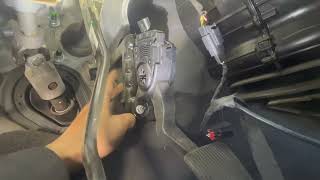
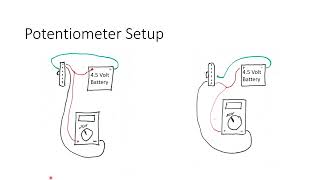
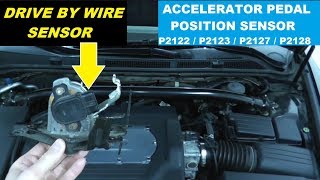
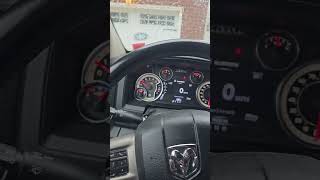
For this generation of Ram trucks, manufacturer Technical Service Bulletins (TSBs) specifically warn technicians to be careful during diagnosis. The bulletins state that codes P2122 and P2127 can be set simply by disconnecting the accelerator pedal connector while the ignition is on. [TSB #9004225, TSB #9003413] This highlights a common pitfall where the pedal might be replaced unnecessarily if the code wasn't truly active before diagnosis began. 🎬 Watch: How to fix common P2122 and P2127 sensor codes. Additionally, it is critical to distinguish between trucks with and without power-adjustable pedals, as the accelerator pedal assemblies are different and not interchangeable.
Diagnostic Flowchart
Tap your situation to follow the diagnostic path that matches what you're seeing on this vehicle.
Generation note: The 2015-2019 Ram 2500 is part of the fourth generation of Ram trucks. This issue is common across the entire generation (2010-2018 for 1500, 2010-2019 for HD) and even into the fifth generation.
Symptoms You May Notice
- Check Engine Light is on
- Flashing Electronic Throttle Control (ETC) or 'red lightning bolt' light on the dash
- "Service Electronic Throttle Control" message on the instrument cluster
- Vehicle enters 'limp mode' with drastically reduced engine power and speed
- Little to no response from the accelerator pedal, sometimes called 'dead pedal'
- Poor, delayed, or unpredictable acceleration
- Rough idle or stalling
- Replacing the throttle body. This code specifically points to the accelerator pedal circuit, not the throttle body at the engine. An owner on RamForum.com replaced the throttle body for a P2127 code with no success.
- Replacing the accelerator pedal without checking the wiring first. A simple wiring fix could be much cheaper and is a known issue.
- Replacing the pedal after disconnecting it during diagnosis. As per TSBs, disconnecting the pedal with the key on can set this code, leading to a misdiagnosis if the code wasn't active beforehand. [TSB #9004225, TSB #9003413]
Most Likely Causes
- Faulty Accelerator Pedal Position (APP) Sensor Assembly 🔴 High Probability The internal electronic components of the sensor are a common wear item. Over time, the resistive strips or contacts inside can fail, leading to incorrect voltage signals. The entire pedal assembly is the most cited fix in owner forums.
How to confirm: Using a scan tool, monitor the live data for APP Sensor 2 voltage. If the voltage is stuck near zero (often below 0.25V) and does not change smoothly as you press the pedal, and the wiring is confirmed to be good, the sensor has failed. The replacement is a simple DIY job for many, requiring only a 10mm socket.
Typical fix: Replace the entire accelerator pedal assembly. The sensors are integrated into the pedal unit and are not sold separately. A pedal relearn/calibration procedure should be performed after installation.
Est. part cost: $150-$290 - Wiring Harness or Connector Issue 🟡 Medium Probability As highlighted in TSBs, wiring is a key checkpoint. [TSB #9004225, TSB #9003413] Wires in the harness running to the pedal can chafe against dash components, break, or corrode. Pins in the 6-pin connector can become loose, corroded, or damaged, causing a low voltage or open circuit. Some owners report the issue only occurs during turns, pointing to a wiring short.
How to confirm: Visually inspect the wiring harness running to the accelerator pedal for any signs of damage. Disconnect the connector (with the ignition OFF) and check for corrosion, moisture, or pushed-out pins. A 'wiggle test' on the harness while monitoring live data can reveal intermittent connection problems. Applying dielectric grease to the connector pins is a good preventative measure.
Typical fix: Repair the damaged section of wire or replace the connector pigtail. Ensure the connection is secure and protected from future chafing.
Est. part cost: $10-$50 - Powertrain Control Module (PCM) Fault ⚪ Low Probability While rare, an internal fault in the PCM's 5-volt reference circuit or input circuit can cause it to misread the sensor's voltage. This is usually a last resort after definitively ruling out the pedal and wiring. One owner on a Ram forum ultimately traced their P2127 to a faulty PCM after a short in another system's 5V reference circuit reportedly damaged it.
How to confirm: This is a last resort after definitively ruling out the pedal assembly and all related wiring. A professional shop would need to perform advanced diagnostics, such as checking for the 5-volt reference at the sensor connector. If the reference voltage is missing and the wire from the PCM is intact, the PCM is likely at fault. One owner on RamForum.com ultimately traced their P2127 to a faulty PCM after replacing the pedal and throttle body.
Typical fix: The PCM would need to be replaced and programmed for the vehicle.
Est. part cost: $500-$1000+
Rare But Worth Checking
- Aftermarket Performance Tuner/Device: Devices that plug into the OBD-II port or inline with the pedal sensor, like a 'Pedal Commander', can sometimes cause signal conflicts and trigger this code. Multiple forum threads mention this issue starting after installing such a device, and being resolved after its removal.
- PCM Software Glitch: Several TSBs for Ram and other FCA vehicles involve updating the PCM software to address various powertrain and diagnostic enhancements. While none specifically name P2127 as the primary fix, outdated software can sometimes contribute to erroneous fault codes. Checking if a PCM flash update is available is a valid diagnostic step.
Diagnosis Steps
- Scan for all DTCs. Note any other codes that are present, especially P2122 or P2138, as they strongly point to the pedal assembly or its connector.
- If any aftermarket throttle controllers (e.g., Pedal Commander) are installed, remove them completely and plug the factory harness directly into the pedal. Clear codes and re-test.
- Turn the ignition off. Visually inspect the accelerator pedal's wiring harness and connector for any obvious damage, chafing, or loose connections.
- With a scan tool, observe the live data for APP Sensor 2 (sometimes labeled 'E'). The voltage should be low (around 0.25V) with the pedal released and sweep smoothly up towards 5V when fully pressed. P2127 will likely show a voltage stuck near zero.
- Perform a 'wiggle test': while watching the live data, gently move the wiring harness for the pedal sensor. If the voltage reading jumps or changes, it indicates a wiring or connection problem.
- If the voltage is stuck low and the wiring appears intact, disconnect the pedal sensor connector (key off). Check for 5-volt reference and a good ground at the connector using a multimeter. According to service manuals, you should see between 4.5 and 5.2 volts on the supply circuit.
- If the 5-volt reference and ground are present, the wiring is likely good, and the accelerator pedal assembly is the most probable cause of the fault.
- If reference voltage or ground is missing, trace the circuit back to the PCM to find the open or short in the wiring. Check continuity on the signal and ground wires; resistance should be less than 5.0 ohms.
- After replacement, perform a pedal calibration/relearn procedure. This can often be done without tools by turning the key to 'ON' (not start), waiting for dash lights to settle, slowly pressing the pedal to the floor, slowly releasing it, and then turning the key 'OFF' before starting the engine.
Parts You'll Likely Need
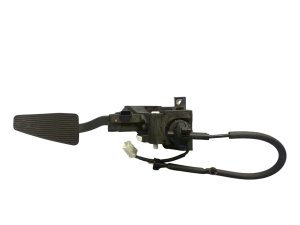
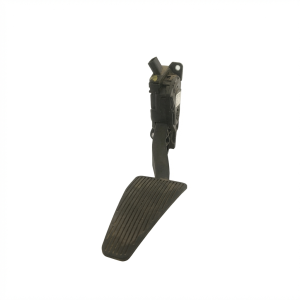
- Accelerator Pedal Assembly
(OEM #68164385AD (or superseding part number like 68164385AE). Note: This is for models WITH adjustable pedals. Part numbers differ for fixed pedals. Always verify with VIN.)— This is the most common failure point for code P2127. The internal sensors wear out, and the entire pedal unit must be replaced as a single assembly.
Trusted brands: Mopar, Dorman, Standard Motor Products (SMP), Carquest Premium
OEM price range: $200-$290
Aftermarket price range: $150-$240
Related Codes That Often Appear With This One
- P2122 — This code is for 'APP Sensor 1 Circuit Low'. Since both sensors are in the same pedal assembly, a failure of the unit or its connector often affects both, and TSBs mention them together. [TSB #9004225, TSB #9003413]
- P2138 — This code indicates 'APP Sensor 1/2 Correlation'. The PCM throws this code when the signals from the two pedal sensors don't match. A failure in one sensor (causing P2127) will lead to a disagreement with the other, making this a very common companion code.
- P2299 — This code for 'Brake Pedal Position / Accelerator Pedal Position Incompatible' is mentioned in the same TSBs. It can be set if the PCM sees signals from both the brake and accelerator at the same time, which can happen during certain diagnostic procedures or faults. [TSB #9004225, TSB #9003413]
Technical Service Bulletins (TSBs) & Recalls
- Bulletin #9004225: Warns that disconnecting the pedal during diagnosis can set P2127 and to check wiring and connectors before replacement.
- Bulletin #9003413: Provides the same warning for earlier model years, emphasizing proper diagnostic procedure before replacing the pedal.
- Bulletin #18-021-16 / 18-049-16: These TSBs involve PCM software updates for various models to fix other DTCs and improve system performance. While not directly for P2127, they show that PCM flashing is a common procedure that can resolve electronic issues.
Platform-Specific Known Issues
- A Technical Service Bulletin (TSB #9004225 for 2019 models, #9003413 for 2015 models) explicitly warns that P2127 can be triggered if the accelerator pedal connector is disconnected during diagnosis. It advises technicians to confirm the code is active before replacing the pedal assembly.
- It is absolutely critical to order the correct pedal assembly based on whether the truck has power-adjustable pedals, as the parts are not interchangeable.
Mechanic-Grade Diagnostic Values
- APP Sensor 5-Volt Supply — expected: 4.5 - 5.2 Volts. Failure: Voltage below 4.5V or above 5.2V indicates a fault in the supply circuit or PCM.
- APP Sensor Signal Circuit Voltage (APP2) — expected: Approx. 0.25V at idle, sweeping smoothly towards 5V when pressed.. Failure: Voltage is stuck near zero or does not change when the pedal is pressed.
- APP Sensor Signal/Ground Circuit Resistance — expected: Below 5.0 Ohms. Failure: Resistance above 5.0 Ohms indicates an open or high resistance in the circuit.
- APP Sensor Signal Circuit Short to Ground — expected: Above 100 Ohms. Failure: Resistance below 100 Ohms indicates a short to ground in the signal wire.
Scan Tool Commands That Help
- wiTECH or equivalent professional scanner: ETC Relearn / Throttle Follower Test — This function should be performed after replacing the accelerator pedal assembly to allow the PCM to learn the new sensor's voltage range from idle to wide-open throttle.
- Autel or similar professional scanner: Throttle Control Learn — Used after replacing the accelerator pedal to recalibrate the new sensor's position values with the PCM.
Wiring & Ground Locations
- Accelerator Pedal Connector — At the top of the accelerator pedal assembly, under the driver's side dashboard.. This 6-pin connector is the primary interface for the APP sensor. Loose pins, corrosion, or harness damage here is a common cause of the code.
- APP Connector Pin 1 — Pin 1 of the 6-pin accelerator pedal connector.. This is the APP Sensor #2 Signal circuit (often a White/Brown wire), which carries the voltage signal that the PCM reads. A low reading on this pin triggers P2127.
- APP Connector Pin 2 — Pin 2 of the 6-pin accelerator pedal connector.. This is the APP Sensor #2 Ground circuit (often a Brown/Violet wire). A bad ground on this pin will cause an incorrect signal voltage.
- Under-Dash Grounds — Various points under the driver's side dash, often bolted to the firewall or support brackets near the steering column.. The APP sensor circuits rely on a clean ground. While a specific ground point isn't consistently documented, checking all accessible grounds in the area for tightness and corrosion is a valid diagnostic step if a ground issue is suspected.
Real Owner Repair Stories
- RamForum.com user 'Chasehamaker17' (Ram Truck (year not specified, but within forum context)) — P2127 code, flashing lightning bolt, limp mode, would not shift past 4th gear.
❌ Tried (didn't work) Removing a Pedal Commander device, Clearing codes, Replacing the accelerator pedal/sensor assembly, Replacing the throttle body
✅ What actually fixed it The final fix was replacing the PCM. The user reported that a mechanic found the 5-volt reference from the transmission solenoid was shorting out. After cleaning the plug helped for only a day, they installed a new PCM which resolved the issue, leading them to believe the external short had damaged the original PCM.
When the Usual Fixes Don't Work
- In one documented case, replacing the most common parts (accelerator pedal, throttle body) did not fix the P2127 code. The root cause was a chain reaction where a short in the transmission solenoid's 5-volt reference circuit damaged the PCM, which then failed to properly read the pedal sensor. The ultimate solution was to replace the Powertrain Control Module.
OEM Part Supersession History
68164385AD→68164385AE— Standard part revision or manufacturer change.
Heads up: These part numbers are typically for models WITH power-adjustable pedals. Always confirm the correct part number for your specific vehicle using the VIN, as fixed-pedal and adjustable-pedal assemblies are not interchangeable.
Helpful Videos
We Have This Part in Stock


The information in this article is provided for general reference and educational purposes only. Vehicle specifications, procedures, and part compatibility can vary by production date, trim level, and region. Always consult your vehicle's factory service manual and verify part numbers before purchasing or performing repairs. Safety-critical components such as airbags, seat belts, and braking systems should be installed by a qualified professional.
- Ram 2500:
- 🎬 Helpful Videos
- 🛍️ Shop This Part
- What's Unique About the 2015-2019 Ram 2500
- Diagnostic Flowchart
- Symptoms You May Notice
- Most Likely Causes
- Rare But Worth Checking
- Diagnosis Steps
- Parts You'll Likely Need
- Related Codes That Often Appear With This One
- Technical Service Bulletins (TSBs) & Recalls
- Platform-Specific Known Issues
- Mechanic-Grade Diagnostic Values
- Scan Tool Commands That Help
- Wiring & Ground Locations
- Real Owner Repair Stories
- When the Usual Fixes Don't Work
- OEM Part Supersession History
- 🎟️ Get 5% Off