

P2119 on 2005-2009 Saab 9-7X: Throttle Body Performance Causes and Fixes
On a 2005-2009 Saab 9-7X, code P2119 almost always indicates a dirty electronic throttle body causing the throttle plate to stick. A thorough cleaning with dedicated cleaner often resolves the issue for under $20. If cleaning doesn't work, the entire throttle body assembly, which is shared with the Chevy Trailblazer, may need replacement. An idle relearn procedure is critical after either service.
- P2119 on a Saab 9-7X almost always points to a problem with the electronic throttle body.
- The most common and cheapest fix is to thoroughly clean the carbon buildup from the throttle plate and bore.
- This code will trigger the 'Reduced Engine Power' mode, so while the vehicle may be drivable, its performance will be severely limited.
- If cleaning doesn't solve the problem, the entire throttle body assembly will likely need to be replaced.
- In very cold climates, be aware that a frozen PCV system can be the root cause of the throttle body contamination.
What's Unique About the 2005-2009 Saab 9-7X
The Saab 9-7X is built on the General Motors GMT360 platform, sharing its entire powertrain with vehicles like the Chevrolet Trailblazer, GMC Envoy, and Buick Rainier. These GM electronic throttle systems are notoriously sensitive to carbon and oil buildup, which causes the throttle plate to stick and bind. This is such a common failure that GM issued technical service bulletins acknowledging that this buildup on high-mileage vehicles can cause P2119 and other related codes. Another TSB specifically links this code to extreme cold, where a frozen PCV system can force oil into the intake, fouling the throttle body and causing the plate to stick upon startup.
Diagnostic Flowchart
Tap your situation to follow the diagnostic path that matches what you're seeing on this vehicle.
Symptoms You May Notice
- "Reduced Engine Power" warning light on the dashboard
- Check Engine Light is on
- Poor or delayed acceleration, feeling of major power loss
- Rough, surging, or unstable idle
- Hesitation or stumbling when pressing the accelerator pedal
- Engine may stall when coming to a stop
- Replacing the Accelerator Pedal Position (APP) sensor. While part of the overall drive-by-wire system, P2119 specifically points to a performance issue at the throttle body itself, not the pedal.
- Replacing only the Throttle Position Sensor (TPS). On this platform, the TPS is integrated into the throttle body assembly. While aftermarket standalone sensors exist, the repair is not recommended as the failure is often in the motor or other internal electronics, and the replacement is unreliable.
Most Likely Causes
- Dirty Throttle Body 🔴 High Probability As documented in TSB PIP4578B, carbon and oil from the PCV system naturally build up in the throttle body over time, especially on high-mileage vehicles, restricting the plate's movement. This is the most common cause of P2119 on the GMT360 platform.
How to confirm: Remove the air intake hose from the throttle body and visually inspect the throttle plate and bore for a thick, black, sticky layer of carbon and oil. The buildup is often heaviest on the back of the plate and where the plate meets the bore at idle.
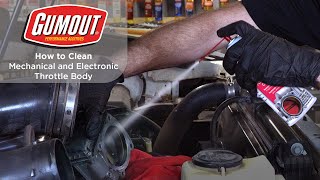
Typical fix: Thoroughly clean the throttle body bore and plate with a dedicated throttle body cleaner and a soft, lint-free cloth or soft brush. Do not use carburetor cleaner. 🎬 See how to properly clean your throttle body with Gumout. An idle relearn procedure is required after cleaning to prevent a high or erratic idle.
Est. part cost: $10-$20 - Failing Throttle Body Assembly 🟡 Medium Probability If cleaning does not resolve the issue, the internal electronic motor or the integrated Throttle Position Sensor (TPS) has likely failed due to age and heat cycles. The overwhelming consensus among mechanics and owners is to replace the entire assembly, as replacing just the sensor is difficult and often does not fix the root cause.
How to confirm: If the code returns immediately after a thorough cleaning and idle relearn, the assembly is almost certainly faulty. A scan tool can command the throttle open and closed; if it doesn't respond smoothly or if the desired vs. actual positions don't match, the unit has failed electronically.
Typical fix: Replace the entire throttle body assembly. This part contains the throttle plate, motor, and sensors in one sealed unit. A new gasket and an idle relearn procedure are required.
Est. part cost: $100-$350 - Wiring or Connector Issue ⚪ Low Probability The wiring harness leading to the throttle body can become brittle, chafed, or damaged from engine heat and vibration over time, especially where it is clipped to brackets.
How to confirm: Visually inspect the wiring harness for any signs of chafing, melting, or corrosion. Wiggle the connector at the throttle body with the engine running to see if it induces a stall or code. Check for a secure connection at the throttle body electrical connector.
Typical fix: Repair the damaged section of wiring or replace the connector pigtail. In some cases on platform mates, a faulty fan clutch has been found to short the 5-volt reference circuit, causing throttle body codes.
Est. part cost: $15-$50
Rare But Worth Checking
- Frozen PCV System in Extreme Cold: As per TSB PIP4573B, in temperatures around -10°F (-23°C), moisture in the PCV system can freeze, causing excessive crankcase pressure. This pressure can force oil vapor past the piston rings and into the intake system, quickly contaminating the throttle body and causing it to stick.
- Low Battery Voltage: A weak or failing battery can provide insufficient voltage to the Throttle Actuator Control (TAC) system, especially during cold cranking. This can cause erratic operation and set this code before other low-voltage symptoms appear. TSB PIP4573B also notes that a weak battery can affect throttle plate operation when cold.
Diagnosis Steps
- Scan the vehicle for all DTCs. Note P2119 and any other related codes like P1516, P2101, or P2176, as they reinforce a throttle body issue.
- Remove the plastic engine cover and the air intake duct connected to the throttle body.
- Visually inspect the inside of the throttle body bore and the edges of the throttle plate for black carbon and oil buildup. Pay close attention to the area where the plate rests when closed.
- If significant buildup is present, this is your most likely cause. Proceed with cleaning. Disconnect the battery. Unbolt the throttle body (typically 3 or 4 10mm bolts) for better access. Place a rag underneath to catch drips.
- Using a dedicated throttle body cleaner and a soft cloth, thoroughly clean all surfaces. Do not spray cleaner directly into the electronic components. Mechanics warn against forcing the throttle plate open aggressively by hand; open it just enough to clean the edges.
- Reinstall the throttle body with a new gasket, reconnect the intake duct, and reconnect the battery.
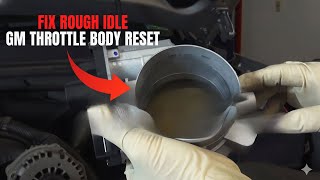
- Perform the Idle Relearn Procedure. A common no-tools method is: Start the engine and let it idle in Park for 3 minutes. Turn the engine OFF for 60 seconds. Restart the engine and let it idle in Park for another 3 minutes. The idle should stabilize. 🎬 Watch: A step-by-step guide to the manual idle relearn procedure. A more involved method involves turning the key to 'ON', waiting, pressing the pedal 5 times, and waiting again before starting.
- Clear the codes with a scan tool and perform a test drive. If the code does not return, the problem is solved.
- If the code returns, inspect the wiring and connector at the throttle body for any visible damage, corrosion, or loose pins.
- If wiring is intact and cleaning did not work, the throttle body assembly is the confirmed culprit and should be replaced.
Parts You'll Likely Need
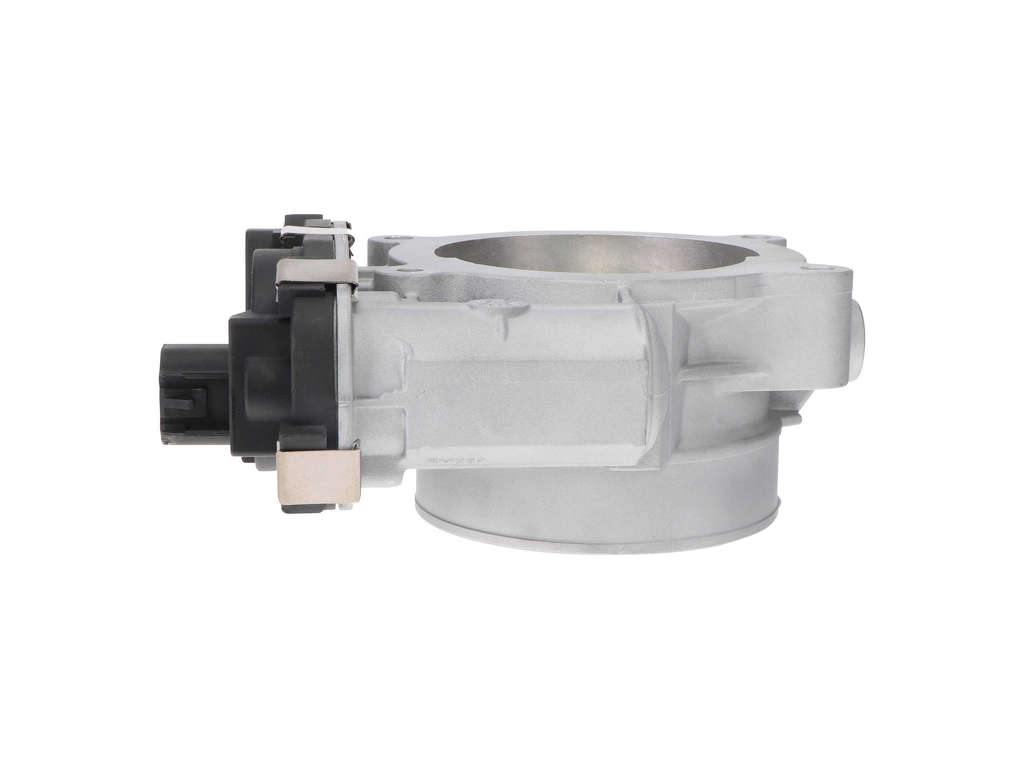
- Throttle Body Assembly
(OEM #12679524 (supersedes 12579189))— This is the required fix if a thorough cleaning does not resolve the code. The internal motor or sensors fail over time and are not serviced separately.
Trusted brands: ACDelco (GM Genuine), Delphi, Standard Motor Products
OEM price range: $250-$400
Aftermarket price range: $100-$200 - Throttle Body Cleaner — This is required for the first and most common diagnostic and repair step: cleaning the carbon buildup from the throttle plate and bore.
Trusted brands: CRC, Gumout, ACDelco Top Engine Cleaner
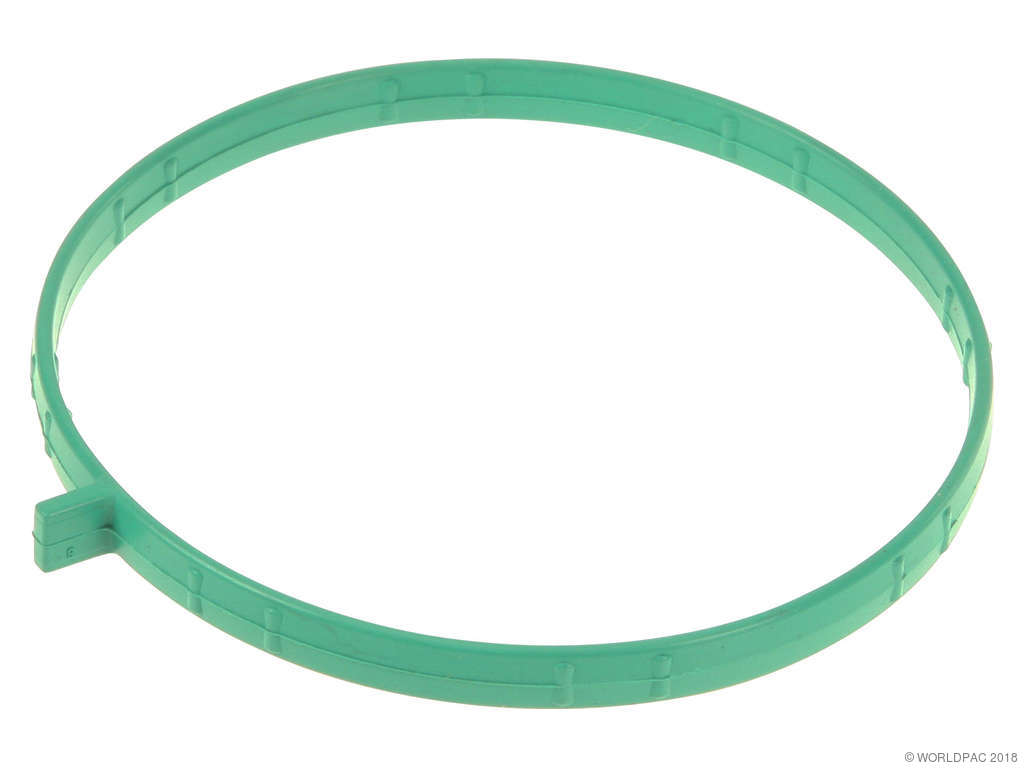
Aftermarket price range: $10-$20 - Throttle Body Gasket — Should be replaced whenever the throttle body is removed for cleaning or replacement to prevent vacuum leaks.
Trusted brands: Fel-Pro, ACDelco
OEM price range: $5-$15
Aftermarket price range: $3-$10
Related Codes That Often Appear With This One
- P1516 — Both are GM-specific codes indicating a problem with the Throttle Actuator Control (TAC) module performance, often set together when the throttle plate position does not match the commanded position.
- P2101 — This code also indicates a range/performance issue with the TAC motor circuit, pointing directly to a malfunctioning throttle body. It is frequently cited alongside P2119 in TSBs and can cause a no-crank condition.
- P2176 — This code means the ECM is unable to learn the minimum throttle position, often because carbon buildup is physically preventing the throttle plate from closing properly.
- P0068 — This code indicates a mismatch between the throttle position and the Mass Airflow (MAF) sensor reading, which can be caused by a sticking throttle plate letting in more or less air than expected.
- P0506 — This code for 'Idle Air Control System RPM Lower Than Expected' can be triggered by a dirty throttle body that is sticking closed, restricting airflow at idle.
Technical Service Bulletins (TSBs) & Recalls
- PIP4578B: Addresses idle surge, reduced engine power, and a group of TAC codes (including P2119) on high-mileage vehicles due to carbon buildup.
- PIP4573B: Links TAC codes (including P2119) to engine start-up issues in extreme cold, potentially caused by oil contamination from a frozen PCV system.
Platform-Specific Known Issues
- TSB PIP4578B notes that on high-mileage vehicles, carbon buildup can cause idle surge, reduced power, and set codes P2119, P1516, P2101, and P2176. The recommended fix is to clean the throttle body and perform an idle learn reset.
- TSB PIP4573B highlights an issue where starting the engine in extreme cold (approx. -10°F / -23°C) can trigger P2119 and other TAC codes. This may be caused by a frozen PCV system forcing oil into the intake and onto the throttle body, causing it to stick. The TSB also notes this can cause oil leaks from crank seals due to the pressure.
Mechanic-Grade Diagnostic Values
- Throttle Position Sensor (TPS) 5-Volt Reference — expected: Approximately 5.0V with key on, engine off.. Failure: Voltage significantly lower than 5.0V or absent, indicating a wiring issue or a short on the 5V reference circuit.
- Throttle Position Sensor (TPS) Signal Voltage — expected: Smoothly increases from ~0.5V at idle (throttle closed) to ~4.5V at wide-open throttle.. Failure: Voltage that is erratic, jumps, has dead spots, or does not change when the throttle plate is moved. A reading of 0.96V at idle is still considered acceptable.
- Throttle Actuator Control (TAC) Motor Resistance — expected: Approximately 2 kilo-ohms when measured between motor terminals.. Failure: An open circuit (infinite resistance) or a short (very low resistance) indicates a failed motor inside the throttle body assembly.
Scan Tool Commands That Help
- GM Tech2 / GDS2: Engine Control -> Special Functions -> Throttle Actuator Test (or similar naming) — This bidirectional control allows a technician to command the throttle plate to specific angles (e.g., 10%, 25%, 50%) and compare the commanded value to the actual value reported by the TPS. This is the definitive test to confirm if the throttle body is responding correctly or has a mechanical/electrical failure.
- GM Tech2 / GDS2: Idle Learn Reset / Throttle Relearn — This function should be used after cleaning or replacing the throttle body to force the ECM to relearn the new closed-throttle position and idle airflow values. While manual procedures exist, the scan tool function is the most reliable method.
Wiring & Ground Locations
- Throttle Body Connector (X101) — Directly on the electronic throttle body assembly.. This is the primary connection point for all power, ground, and signal wires for the throttle actuator motor and position sensors. Corrosion or loose pins here are a direct cause of TAC codes. Pin E (Gray wire) is the 5-Volt Reference 2, and a short on this circuit will cause P2119.
- G103 — On the cowl at the left rear of the engine compartment, typically above the brake booster.. This is a major ground point for the Body Control Module (BCM) and Instrument Panel Cluster (IPC). While not a direct engine ground, a poor connection here can cause bizarre electrical issues, including communication errors that could potentially be misinterpreted by the PCM.
- G101 / G106 — G101 is on the lower front of the engine block. G106 is on the front center of the frame cross rail, under the crank pulley. They are often jumpered together.. This is the primary ground location for the Engine Control Module (ECM) and Transmission Control Module (TCM). A loose or corroded ground here can cause a host of engine management codes, including erratic sensor readings and false TAC system faults.
- Fan Clutch Harness — The wiring harness running to the electronically controlled fan clutch, located at the front of the engine.. The fan clutch position sensor shares the same 5-volt reference circuit as the throttle body. The harness is known to chafe against engine components, causing a short to ground. This short can pull down the entire 5V reference circuit, starving the throttle body of its required voltage and setting codes P2119 and P2101.
Real Owner Repair Stories
- YouTube video by a mechanic (2006 Chevy Trailblazer 4.2L (platform mate)) — No crank, no start. Reduced power light was on. Codes P2101, P2119, and P1682 were present.
❌ Tried (didn't work) Jumping the starter relay would make the starter engage, but the engine would not fire because the PCM would not command the fuel pump on. The mechanic initially chased the P1682 ignition code.
✅ What actually fixed it The mechanic discovered that clearing the throttle body codes (P2101, P2119) with a scan tool would temporarily allow the engine to crank for a second before the codes returned and disabled cranking again. This confirmed the throttle body fault was the root cause of the no-start condition. Replacing the throttle body assembly resolved all codes and the no-crank issue. - GMTNation forum user (Chevy Trailblazer (platform mate)) — Multiple codes including those for the 5-volt reference circuit (P0651). Vehicle would sometimes fail to start when warm.
❌ Tried (didn't work) Unplugging various sensors to isolate the short.
✅ What actually fixed it The problem was identified as the fan clutch wiring harness chafing and shorting the 5-volt reference circuit to ground. This circuit is shared with the throttle body and accelerator pedal position sensor. Repairing the chafed wiring resolved the issue.
OEM Part Supersession History
12579189, 12572658, 12580760→12679524— Standard part evolution by GM to integrate design improvements, new materials, or new technologies.
Heads up: While the parts are physically interchangeable, some GM documentation states that the replacement part (12679524) may require programming or special setup procedures, which can be performed with a dealer-level scan tool.
Model Year Variations Within This Range
- 2008-2009: The 9-7X Aero model was introduced with a 6.0L V8 engine. While the operating principle is the same, the throttle body for the V8 engines (5.3L and 6.0L) is a different part number than the one for the 4.2L I6 engine. It is critical to order the part specific to the engine, not just the vehicle model.
Helpful Videos
Used OEM Parts in Stock



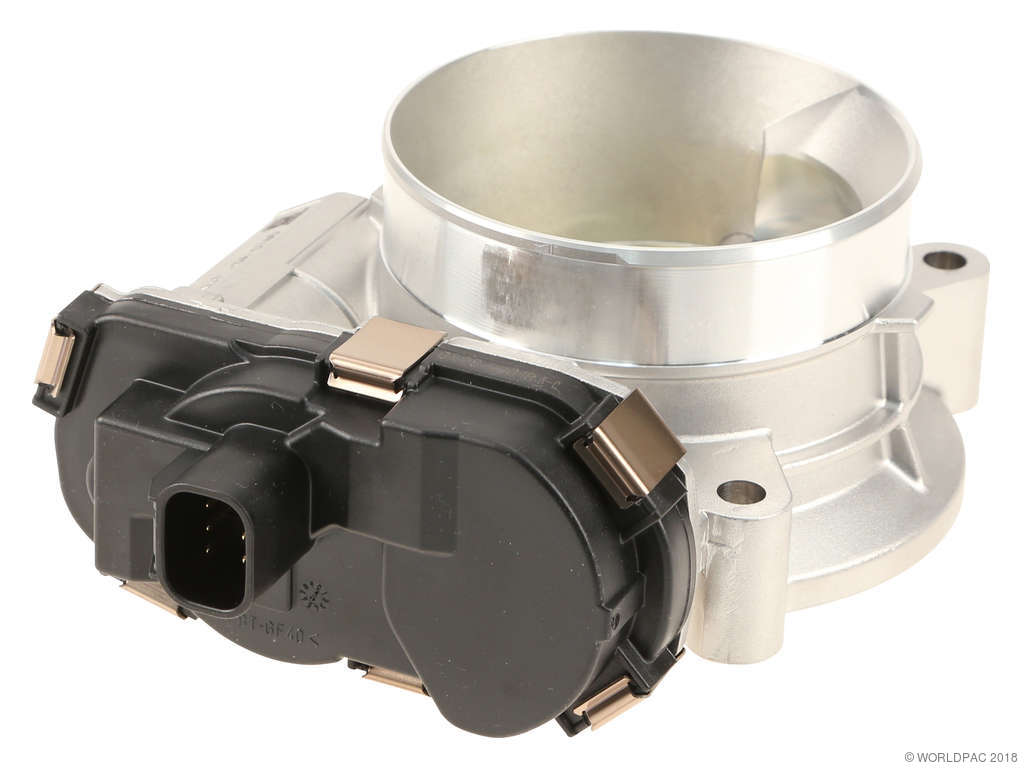
New Aftermarket Parts Available




The information in this article is provided for general reference and educational purposes only. Vehicle specifications, procedures, and part compatibility can vary by production date, trim level, and region. Always consult your vehicle's factory service manual and verify part numbers before purchasing or performing repairs. Safety-critical components such as airbags, seat belts, and braking systems should be installed by a qualified professional.
- Saab 9-7X:
- 🎬 Helpful Videos
- 🛍️ Shop This Part
- What's Unique About the 2005-2009 Saab 9-7X
- Diagnostic Flowchart
- Symptoms You May Notice
- Most Likely Causes
- Rare But Worth Checking
- Diagnosis Steps
- Parts You'll Likely Need
- Related Codes That Often Appear With This One
- Technical Service Bulletins (TSBs) & Recalls
- Platform-Specific Known Issues
- Mechanic-Grade Diagnostic Values
- Scan Tool Commands That Help
- Wiring & Ground Locations
- Real Owner Repair Stories
- OEM Part Supersession History
- Model Year Variations Within This Range
- 🎟️ Get 5% Off