

P2111 on 2010-2015 Toyota Prius: Throttle Actuator Stuck Open Causes & Fixes
On a 2010-2015 Prius, code P2111 usually means the throttle body is stuck open due to heavy carbon buildup or, in cold climates, ice. Cleaning the throttle body often resolves the issue. If cleaning doesn't work, the throttle body assembly may need replacement. This is a very common issue, well-documented by Toyota and owners.
- P2111 on a 2010-2015 Prius is a serious code that will put the car in a reduced-power limp mode.
- The most probable cause is a dirty throttle body sticking due to carbon buildup; the first step should always be to clean it thoroughly.
- In very cold climates, be aware of the specific TSB (T-SB-0103-12 Rev) that links this code with P0A0F due to freezing in the intake.
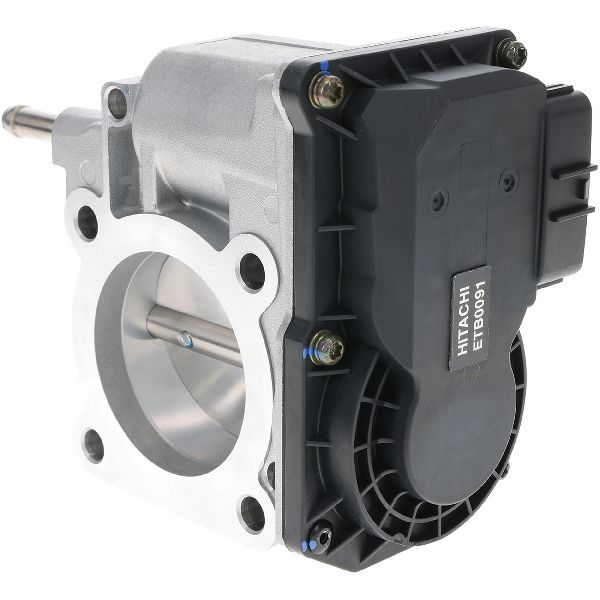
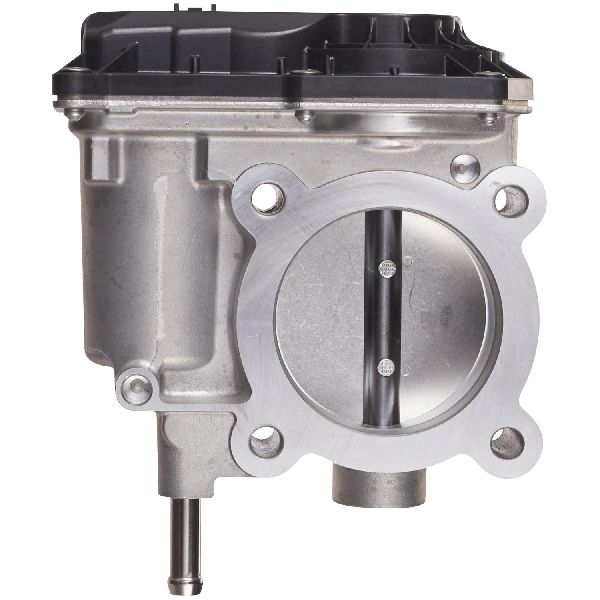
- If cleaning does not solve the problem, the entire throttle body assembly (part #22030-37060) will likely need to be replaced.
What's Unique About the 2010-2015 Toyota PRIUS

The 3rd generation Prius, with its 2ZR-FXE engine, has two specific vulnerabilities that lead to this code. First, its exhaust gas recirculation (EGR) system is known to clog, which can force oily carbon deposits back into the intake manifold and onto the throttle body, causing it to bind. Second, a manufacturer Technical Service Bulletin (TSB) highlights a problem in cold climates where moisture in the intake system can freeze, physically preventing the throttle plate from moving correctly and triggering codes P2111 and P0A0F. This is a known issue specifically for these models under certain weather conditions, and Toyota has released updated parts to address it.
Diagnostic Flowchart

Tap your situation to follow the diagnostic path that matches what you're seeing on this vehicle.
Symptoms You May Notice

- Check Engine Light is on
- "Check Hybrid System" message on the dashboard
- Vehicle enters "limp mode" with drastically reduced power
- Engine may not start, or starts and then quickly stalls
- Unresponsive or delayed accelerator pedal
- High engine idle
- Engine runs rough for a few seconds and then shuts off
- Replacing the accelerator pedal position (APP) sensor. This code specifically points to a problem at the throttle body itself, not the pedal that commands it.
- Needing to replace the Engine Control Unit (ECU/PCM). This is almost never the cause for this specific code, although a dealer may suggest it.
Most Likely Causes

- Dirty or Carbon-Clogged Throttle Body 🔴 High Probability The 2ZR-FXE engine's EGR and PCV systems can contribute to excessive carbon and oil buildup in the intake and on the throttle plate, causing it to stick. This is the most common cause reported by owners.
How to confirm: Remove the air intake hose from the throttle body and visually inspect the throttle plate and bore for a thick layer of black carbon. The plate should be shiny metal, not black.
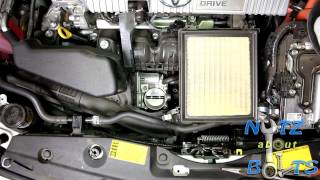
Typical fix: Thoroughly clean the throttle body bore and plate with a dedicated throttle body cleaner and a soft, lint-free cloth. Do not spray directly into the unit; spray on the cloth. Manually move 🎬 Watch: Step-by-step guide to cleaning your Prius throttle body the plate to clean all surfaces. Disconnecting the 12V battery for a few minutes to reset the ECU is also recommended.
Est. part cost: $5-$15 for cleaner - Frozen Moisture in Intake System (Cold Climates) 🟡 Medium Probability As documented in TSB T-SB-0103-12 Rev2, these vehicles can accumulate moisture in the intake manifold that freezes in temperatures below 23°F (-5°C), causing the throttle to stick.
How to confirm: This issue is diagnosed by the presence of both P2111 and P0A0F codes specifically in sub-freezing ambient temperatures. The issue will likely disappear when the ambient temperature rises.
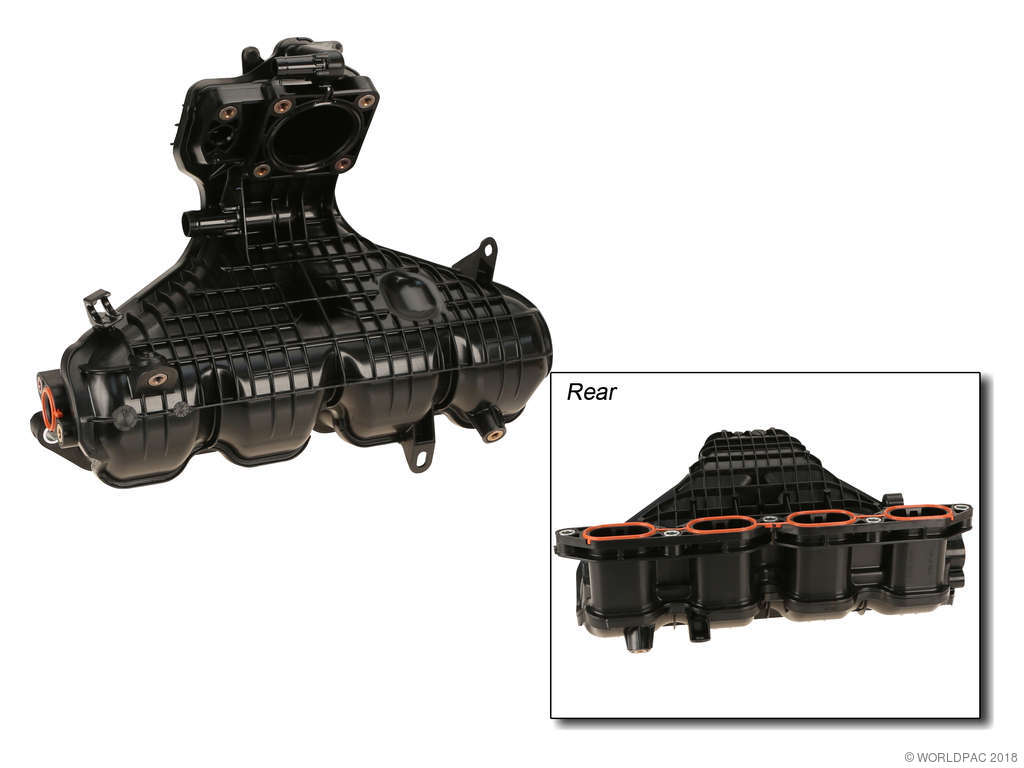
Typical fix: The TSB outlines a procedure that involves replacing the intake manifold with an updated part (P/N 17120-37091) and potentially reprogramming the ECM. If the manifold part number is already 17120-37090 or higher, it has the updated design.
Est. part cost: $200-$400 for a new intake manifold - Failed Throttle Body Assembly 🟡 Medium Probability The internal electric motor or position sensor can fail over time, which is a common failure mode for any electronic throttle body. This is often the case if cleaning does not resolve the code.
How to confirm: If the throttle plate still sticks or the code returns immediately after a thorough cleaning, the internal electronics are likely faulty. A diagnostic scan tool may be needed to check TPS values.
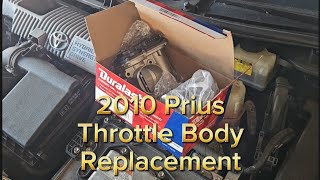
Typical fix: Replace the entire throttle body assembly. This is a common repair documented by many owners on forums.
Est. part cost: $90-$250 for aftermarket, $350-$500 for OEM - Wiring or Connector Issue ⚪ Low Probability
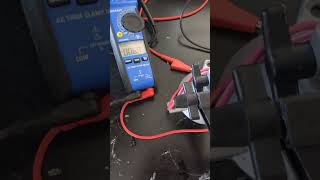
How to confirm: Inspect the wiring harness and connector at the throttle body for any signs of damage, corrosion, or loose pins. Use a multimeter to check for proper voltage and ground 🎬 Watch: How to diagnose the P2111 code on a Prius at the connector.
Typical fix: Repair the damaged section of the harness or clean/replace the connector.
Est. part cost: $10-$50 for wiring repair supplies
Rare But Worth Checking
- Powertrain Control Module (PCM) Fault: This is extremely rare. The PCM should only be considered as a cause after all other possibilities, including the throttle body and wiring, have been exhaustively ruled out by a professional. Some forum users were incorrectly told they needed a new ECU when the throttle body was the real issue.
Diagnosis Steps
- Check for any Technical Service Bulletins (TSBs) related to P2111 for your vehicle's year. The cold weather TSB (T-SB-0103-12 Rev2) is a prime example.
- Scan for other DTCs. If P0A0F is present and the weather is cold, suspect the issue described in the TSB.
- Disconnect the 12V battery.
- Disconnect the air intake tube from the throttle body.
- Visually inspect the throttle plate and the inside of the throttle body for heavy carbon buildup or any foreign object.
- If dirty, thoroughly clean the throttle body using a dedicated throttle body cleaner and a soft cloth. Manually move the plate to clean all surfaces. Also, consider cleaning the Mass Airflow (MAF) sensor with a dedicated MAF cleaner while you're there.
- Inspect the electrical connector and wiring going to the throttle body for any visible damage, corrosion, or loose connections.
- Reconnect the battery, clear the trouble codes, and start the vehicle. Let it idle and test drive to see if the code returns. The engine may run rough for a minute as it burns off the cleaner. A relearn procedure may be necessary.
- If the code returns immediately or soon after cleaning, the throttle body assembly itself is likely faulty and requires replacement.
Parts You'll Likely Need
- Throttle Body Assembly
(OEM #22030-37060)— This is the most common fix if a thorough cleaning does not resolve the issue. The internal motor or sensor fails, requiring replacement of the whole unit.
Trusted brands: Toyota (OEM), Denso (OEM manufacturer), Spectra Premium, Dorman, SKP
OEM price range: $345-$495
Aftermarket price range: $85-$230 - Throttle Body Cleaner — This is the first and most crucial step in attempting to fix the code, as carbon buildup is a very common cause.
Trusted brands: CRC, Berryman, Gumout
Aftermarket price range: $5-$15 - Intake Manifold Assembly (for cold climate fix)
(OEM #17120-37091)— This is the updated part specified in TSB T-SB-0103-12 Rev2 to fix the issue of moisture freezing in the intake manifold in sub-freezing temperatures.
Trusted brands: Toyota (OEM)
OEM price range: $200-$400
Related Codes That Often Appear With This One
- P0A0F — As stated in TSB T-SB-0103-12 Rev, this "Engine Failed to Start" code is commonly triggered alongside P2111 during cold weather events when freezing in the intake is the root cause.
- P3190 — This "Poor Engine Power" code is a general code that can accompany P2111 when the engine is unable to respond to power demands due to the throttle issue.
Technical Service Bulletins (TSBs) & Recalls

- T-SB-0103-12 Rev2: The most definitive TSB for this issue. It covers 2010-2015 Prius, 2012-2015 Prius PHV, and 2012-2016 Prius V. It details the P2111/P0A0F codes in cold weather, and spe
Platform-Specific Known Issues
- TSB T-SB-0103-12 Rev2: Addresses a known issue on 2010-2015 models where, in ambient temperatures below 23°F (-5°C), moisture in the intake manifold can freeze, causing DTCs P2111 and P0A0F to set. The fix involves replacing the intake manifold with an updated part (P/N 17120-37091) and a possible ECM reprogram.
- Owner Experience: Cleaning vs. Replacing: A Reddit user with a 2010 Prius experienced P2111 and limp mode. They first attempted cleaning the throttle body and MAF sensor, but the issue returned within an hour of driving. This experience is common and indicates that while cleaning is the correct first step, a recurring code points to an internal failure of the throttle body, necessitating replacement.
- Owner Experience: Intermittent Failure: A PriusChat forum member described how their car would enter limp mode with P2111, but would return to normal after shutting the car off for a few minutes, only to fail again miles later. They attempted cleaning and even inspecting the internal gears of the throttle body, but the problem persisted until replacement. This highlights the intermittent nature of the electronic failure.
Mechanic-Grade Diagnostic Values
- Throttle Position Sensor (TPS) Signal Voltage at Idle (Throttle Closed) — expected: Approximately 0.5V to 0.96V. Failure: Voltage is significantly higher or lower, or does not change when the throttle plate is moved.
- Throttle Position Sensor (TPS) Signal Voltage at Wide Open Throttle (WOT) — expected: Approximately 4.5V to 4.64V. Failure: Voltage does not reach this range, or readings are erratic and do not increase smoothly as the throttle opens.
- Throttle Actuator Motor Current (Monitored by ECU) — expected: Greater than 0.5 A when commanded ON, less than 7 A during normal operation.. Failure: The ECU will log a fault if the current is less than 0.5 A when the motor is commanded (indicating an open circuit) or greater than 7-10 A (indicating a short or seized motor).
Scan Tool Commands That Help
- Toyota Techstream: Active Test: Control the ETCS Open/Close — This bidirectional command allows a technician to directly order the throttle actuator motor to open and close the throttle plate. It is used to verify if the motor is functional and if the plate moves smoothly without binding, helping to distinguish between an electrical failure and a mechanical obstruction (like carbon buildup).
- Toyota Techstream: Data List: Throttle Position Sensor Voltage / Throttle Motor Current — Use this to monitor live data from the throttle position sensor and the current draw of the actuator motor. This helps confirm if the sensor is reporting the correct position and if the motor's current draw is within the expected range during operation.
Wiring & Ground Locations
- Throttle Body Assembly Connector — Directly on the throttle body assembly, located on the left side of the engine.. This is the primary connection point for the throttle actuator motor and throttle position sensor. Damage, corrosion, or loose pins in this connector can directly cause P2111 by interrupting power or signals to and from the ECM.
- ECM Ground Points (E01, E02, E03) — These are ground points for the Engine Control Module (ECM). Their exact location on the chassis or engine block can be found in the vehicle's electrical wiring diagram.. A poor ground connection for the ECM can cause a wide range of erratic electronic issues, including incorrect readings from sensors or improper function of actuators like the throttle body, potentially leading to a P2111 code.
Real Owner Repair Stories
- PriusChat forum member (2010 Prius Gen 3) — Check Hybrid System light with codes P0A0F and P2111.
❌ Tried (didn't work) Initial diagnosis and forum suggestions pointed towards cleaning or replacing the throttle body.
✅ What actually fixed it The owner confirmed that replacing the throttle body and throttle position sensor assembly resolved both the P2111 and P0A0F codes. The car ran without issue for another 110,000 miles after the repair. - PriusChat forum member (2005 Prius (Gen 2, but demonstrates the failure pattern)) — Intermittent P2111 code, vehicle enters fail-safe mode (1 mph speed), but returns to normal after a restart, only to fail again miles later.
❌ Tried (didn't work) Thoroughly cleaning the throttle body., Removing the throttle body, opening it to inspect the internal plastic gears (which appeared undamaged)., Taking it to a dealer who only suggested a $1000 throttle body replacement based on the code.
✅ What actually fixed it The user's detailed description of cleaning and inspection failing to provide a lasting fix implies that the intermittent electronic failure of the unit required full replacement, a common outcome for this code. The thread ends before the final fix is posted, but the failure of all other steps points strongly to replacement.
When the Usual Fixes Don't Work
- While cleaning the throttle body is the most common first step and often resolves the issue temporarily, multiple owner accounts confirm that if the code returns, it almost always points to an internal electronic failure of the throttle body assembly. A PriusChat user detailed their experience of cleaning the throttle body, which only fixed the problem for a few miles before it returned, highlighting that a recurring P2111 code is a strong indicator that replacement, not just another cleaning, is necessary.
OEM Part Supersession History
Unknown→22030-37060— Standard part for this generation and later models.
Heads up: Part number 22030-37060 is shown to be compatible with a wide range of Toyota hybrids including the 2010-2015 Prius, Prius V, Prius Prime, and later Corolla Hybrids, indicating it is a stable, long-term part number.
Helpful Videos
Used OEM Parts in Stock


New Aftermarket Parts Available

The information in this article is provided for general reference and educational purposes only. Vehicle specifications, procedures, and part compatibility can vary by production date, trim level, and region. Always consult your vehicle's factory service manual and verify part numbers before purchasing or performing repairs. Safety-critical components such as airbags, seat belts, and braking systems should be installed by a qualified professional.
- Toyota PRIUS:
- 🎬 Helpful Videos
- 🛍️ Shop This Part
- What's Unique About the 2010-2015 Toyota PRIUS
- Diagnostic Flowchart
- Symptoms You May Notice
- Most Likely Causes
- Rare But Worth Checking
- Diagnosis Steps
- Parts You'll Likely Need
- Related Codes That Often Appear With This One
- Technical Service Bulletins (TSBs) & Recalls
- Platform-Specific Known Issues
- Mechanic-Grade Diagnostic Values
- Scan Tool Commands That Help
- Wiring & Ground Locations
- Real Owner Repair Stories
- When the Usual Fixes Don't Work
- OEM Part Supersession History
- 🎟️ Get 5% Off