

P2101 on 2005-2009 Saab 9-7X: Throttle Actuator Control Fault Causes and Fixes
P2101 on a 2005-2009 Saab 9-7X almost always indicates a problem with the electronic throttle body, causing the vehicle to enter 'Reduced Engine Power' mode. The most common fix is to replace the entire throttle body assembly, which costs around $150-$450 for the part. Cleaning the throttle body is a common first step, but replacement is often necessary. A throttle relearn procedure is required after cleaning or replacement.
- P2101 on a Saab 9-7X will immediately trigger the 'Reduced Engine Power' mode, making the vehicle unsafe for normal driving.
- The most probable cause is a failing electronic throttle body assembly, a known issue on this GM platform.
- Before replacing the throttle body, always inspect its wiring connector and perform a thorough cleaning of the throttle plate and bore.
- After cleaning or replacing the throttle body, a 'relearn' procedure is often necessary to restore normal idle and performance.
- This code is frequently accompanied by P1516, P2119, or P2176, all of which point to the same throttle control system fault.
What's Unique About the 2005-2009 Saab 9-7X
The Saab 9-7X is built on the General Motors GMT360 platform, sharing its powertrain and electronics with the Chevrolet Trailblazer, GMC Envoy, Buick Rainier, and Isuzu Ascender. This specific code, P2101, is a very common fault across this platform. Manufacturer TSBs confirm that these vehicles can trigger this code on high-mileage vehicles due to carbon buildup or during very cold starts, pointing to a known weakness in the throttle body assembly or its related wiring.
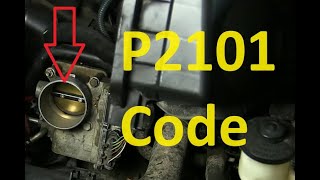
🎬 Watch: Understanding the causes and fixes for the P2101 code.Diagnostic Flowchart
Tap your situation to follow the diagnostic path that matches what you're seeing on this vehicle.
Symptoms You May Notice
- "Reduced Engine Power" or "Limp Mode" activation
- Check Engine Light is on
- Severely limited engine power and acceleration
- Vehicle speed limited to a low RPM or speed
- Unstable or surging idle
- Delayed or unresponsive throttle
- In rare cases, a no-start or no-crank condition, especially when P2119 is also present.
- Replacing the Accelerator Pedal Position (APP) Sensor. While the APP sensor is part of the overall throttle control system, P2101 specifically points to a fault in the motor circuit at the throttle body itself, not the pedal sensor. Other codes, like P2135 or P2138, would typically point to the APP sensor.
Most Likely Causes
- Failing Throttle Body Assembly 🔴 High Probability TSB #PIP4578B specifically mentions this code appearing on high-mileage vehicles, suggesting wear and tear of the internal motor, plastic gears, and sensor components is a primary factor. This is the most widely reported failure for this code on the GMT360 platform, with many owner accounts confirming replacement fixed the issue.
How to confirm: With the engine off, remove the intake hose and visually inspect the throttle plate. If it is stuck, moves with noticeable resistance, or makes grinding noises when moved by hand, it is failing. A scan tool can also command the throttle to open and close to test its function and monitor for a discrepancy between commanded and actual position.
Typical fix: Replace the entire throttle body assembly. It is a self-contained unit with the motor and position sensors. A new gasket should always be used.
Est. part cost: $150-$450 - Dirty or Carbon-Clogged Throttle Body 🟡 Medium Probability All engines develop carbon buildup in the intake over time. As carbon accumulates, the ECM adapts by changing the throttle angle. This buildup can eventually restrict the movement of the throttle plate, causing the motor to work harder and trigger a performance code.
How to confirm: Remove the air intake hose and inspect the throttle bore and plate for a thick layer of black carbon. The plate may feel sticky or difficult to move.
Typical fix: Clean the throttle body thoroughly with a dedicated throttle body cleaner and a soft brush or rag. A throttle relearn procedure is mandatory after cleaning to reset the ECM's learned values.
Est. part cost: $5-$15 - Wiring or Connector Issue at Throttle Body ⚪ Low Probability The wiring harness connector sits on the engine and is subject to constant vibration and heat, which can lead to broken wires (often internally, near the connector) or loose terminal connections over time. Poor engine ground straps are another known issue on this platform that can cause various electrical faults.
How to confirm: Visually inspect the throttle body connector for corrosion or backed-out pins. Gently wiggle the wires near the connector with the engine running to see if it causes a change in idle or triggers the code. A multimeter can be used to check for continuity and voltage at the connector pins, comparing them to the service manual specification.
Typical fix: Repair the damaged section of wire or replace the connector pigtail. Adding a redundant ground wire is sometimes a permanent fix for recurring electrical issues.
Est. part cost: $15-$40
Rare But Worth Checking
- Low Battery Voltage: A weak or failing battery can cause a variety of seemingly unrelated electronic issues. The throttle actuator system requires a stable voltage to operate correctly. Before diagnosing complex parts, ensure the battery and charging system are healthy.
- Faulty Engine Control Module (ECM): While rare, the ECM itself can fail. This should only be considered after all other possibilities, including the throttle body, wiring, and grounds, have been definitively ruled out. In one forum case, a user replaced the PCM after verifying wiring and trying a known-good throttle body, which resolved the issue.
Diagnosis Steps
- Read all stored fault codes with an OBD-II scanner. Note any other codes that appear with P2101, as they provide critical context.
- Inspect the throttle body electrical connector for loose pins, corrosion, or damage. Check the wiring harness leading to the connector for any signs of fraying or breaks, especially within 4 inches of the plug.
- Remove the air intake duct from the throttle body. Inspect the throttle bore and plate for heavy carbon buildup.
- If significant carbon is present, clean it using throttle body cleaner and a soft cloth. Do not use harsh tools that could scratch the bore.
- After cleaning or replacement, perform a throttle relearn procedure. A common method without a scan tool is to start the engine and let it idle in Park for 3 minutes, turn the engine OFF for 60 seconds, restart and idle for another 3 minutes. If this fails, a scan tool may be required to perform the 'Idle Learn Reset'.
- If the code returns after cleaning and a successful relearn, the throttle body assembly is the most likely culprit and should be replaced.
- If a new throttle body does not fix the issue, check for poor engine grounds and perform a circuit integrity test on the harness between the ECM and the throttle body before suspecting a faulty ECM.
Parts You'll Likely Need
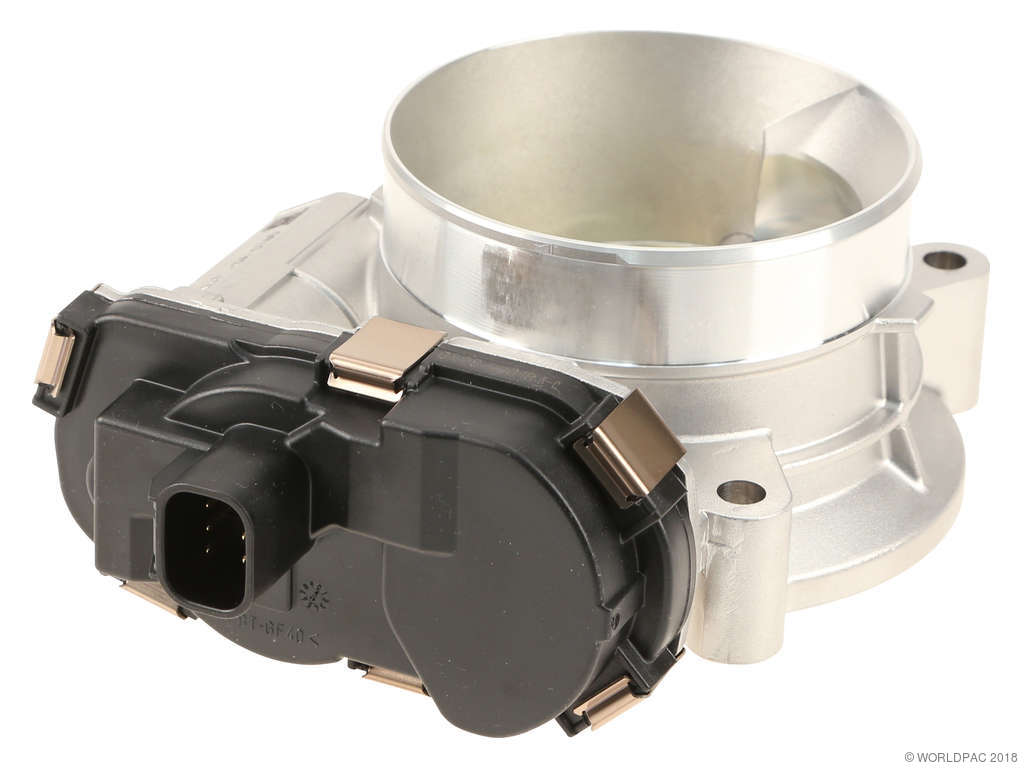
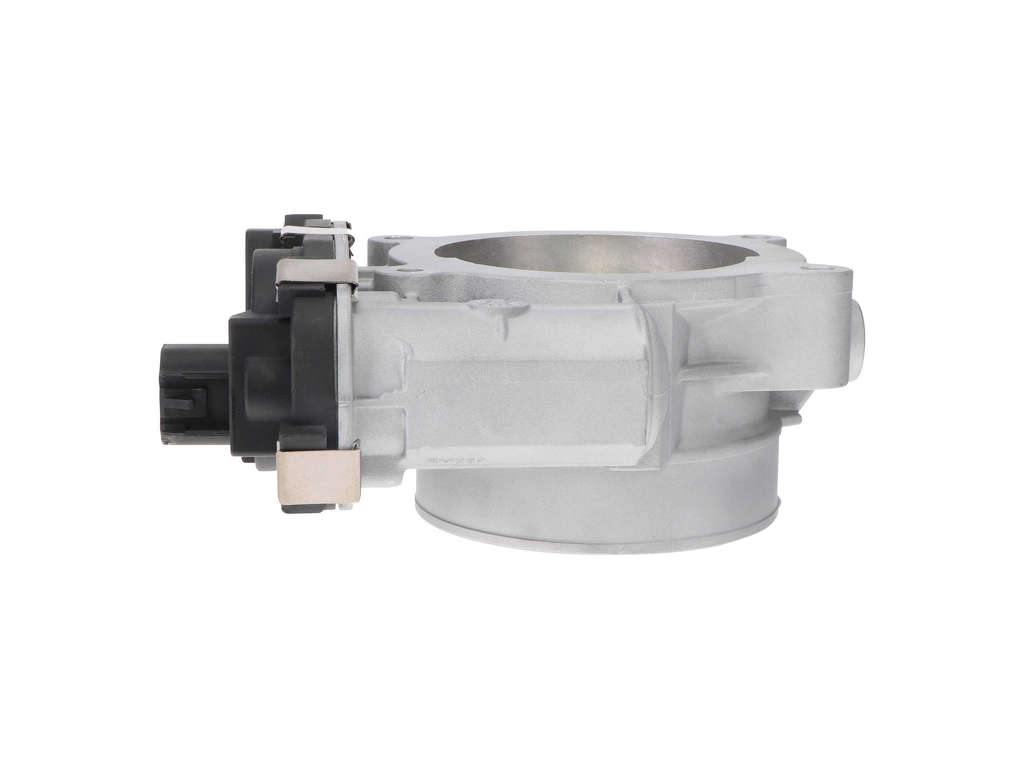
- Electronic Throttle Body Assembly
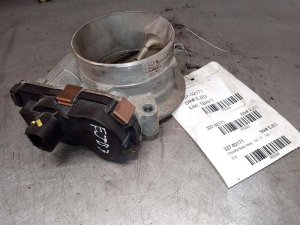
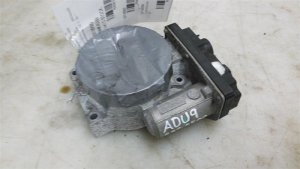
(OEM #12679524 (For V8 models, supersedes 12572658, 12580760). The 4.2L I6 uses a different part, typically 12570800.)— This is the most common failure point for code P2101 on this platform. The internal motor wears out, plastic gears break, or the integrated position sensors fail, requiring replacement of the complete unit.
Trusted brands: ACDelco (GM Genuine), Bosch, Delphi, Standard Motor Products, Dorman
OEM price range: $250-$450
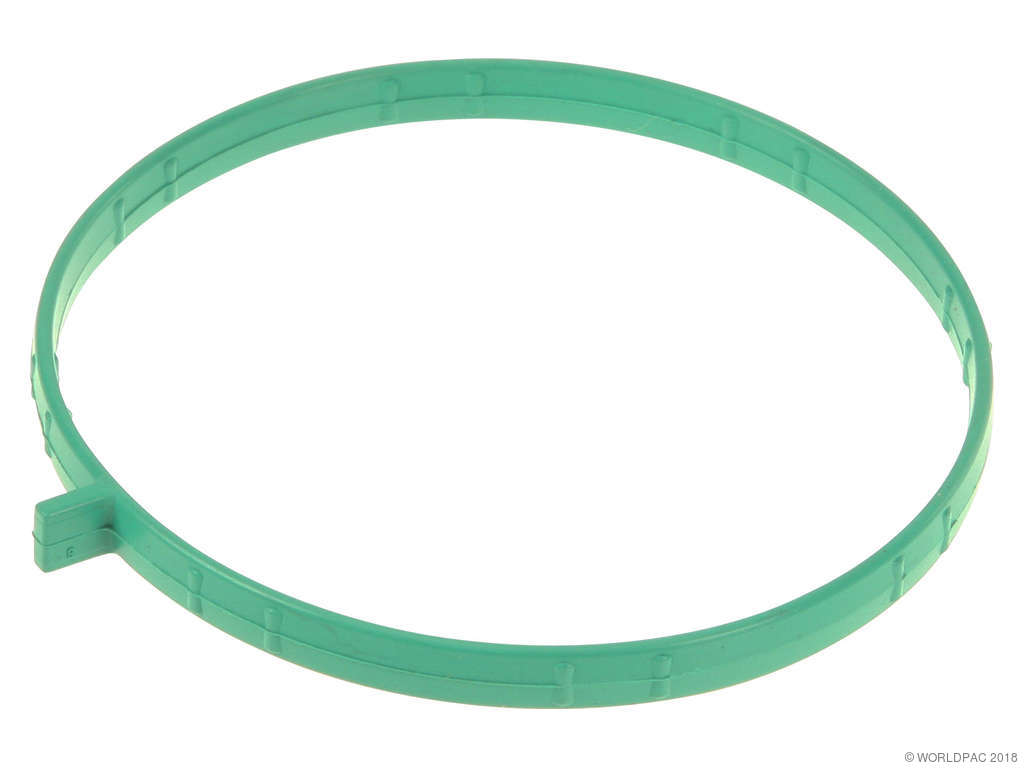
Aftermarket price range: $150-$300 - Throttle Body Gasket
(OEM #12589235 (For V8 models))— A new gasket is critical to prevent vacuum leaks after removing the throttle body for cleaning or replacement. Most new throttle bodies do not include one.
Trusted brands: ACDelco, Fel-Pro
OEM price range: $10-$30
Aftermarket price range: $5-$15
Related Codes That Often Appear With This One
- P1516 — This is a GM-specific code for 'Throttle Actuator Control (TAC) Module Throttle Actuator Position Performance'. It is frequently set alongside P2101 as they both relate to the ECM detecting a mismatch between the commanded and actual throttle position.
- P2119 — This code means 'Throttle Closed Position Performance'. It indicates the throttle plate is not returning to its rest position correctly, which can be caused by the same mechanical binding or electronic faults that trigger P2101. A severe failure can even lead to a no-crank condition.
- P2176 — This code, 'Minimum Throttle Position Not Learned', often appears after a throttle body has been cleaned or replaced, or if the battery has been disconnected. It indicates a relearn procedure is needed.
Technical Service Bulletins (TSBs) & Recalls
- PIP4578B: Addresses idle surge, reduced power, and multiple TAC-related DTCs (including P2101) on high-mileage vehicles. Recommends cleaning the throttle body and performing an idle learn reset.
- PIP4573B: Notes that P2101 and other TAC codes can be set during very cold ambient temperature starts.
Platform-Specific Known Issues
- Per NHTSA Technical Service Bulletin #PIP4578B, P2101 can occur on high-mileage vehicles, leading to an idle surge and the 'Reduced Engine Power' mode. The recommended fix is to clean the throttle body and perform an idle learn reset with a scan tool.
- NHTSA TSB #PIP4573B notes that this code can be triggered during extremely cold starts, around -10°F (-23°C), potentially due to ice in the throttle bore or sluggish electronic components.
- A severe throttle body failure (often with P2119) can prevent the PCM from allowing the starter to engage, resulting in a no-crank condition. In this state, clearing the codes may allow the engine to crank momentarily before the codes reset and disable it again.
Mechanic-Grade Diagnostic Values
- Throttle Position Sensor (TPS) Voltage — expected: Should rise smoothly from ~0.5V (closed) to ~4.5V (wide open).. Failure: Erratic spikes, dropouts, or voltage that doesn't correspond to the commanded position.
- Throttle Actuator Motor Resistance — expected: Typically 5-15 ohms across the two motor pins.. Failure: Infinite resistance (open circuit) or 0 ohms (short circuit) indicates a failed motor.
- Ground Circuit Resistance — expected: Less than 1 ohm from the throttle body harness ground pin to the chassis.. Failure: Resistance greater than 1 ohm indicates a poor ground connection, which can cause erratic behavior.
- Battery Voltage (Engine Off) — expected: 12.4V - 12.7V.. Failure: Low system voltage can cause false P2101 codes.
Scan Tool Commands That Help
- GM Tech2 / GDS2 or equivalent professional scanner: Idle Learn Reset / ETC Learn — This function is mandatory after cleaning or replacing the throttle body. It forces the ECM to relearn the new minimum and maximum throttle plate positions, correcting high idle or stalling issues.
- GM Tech2 / GDS2 or equivalent professional scanner: Throttle Position Sweep Test — This bidirectional command allows the technician to command the throttle plate to move through its full range of motion while observing live data from the TP sensors. It is used to confirm smooth mechanical operation and check for electronic dead spots in the sensors.
Wiring & Ground Locations
- G103 — On the cowl at the left rear of the engine compartment, above the brake booster.. This is a major ground point for the Body Control Module (BCM) and the Data Link Connector (DLC). A poor connection here can cause a wide range of communication and sensor issues, potentially mimicking a throttle body failure.
- G108 — On the lower left side of the engine block.. This is a primary ground location for the Powertrain Control Module (PCM/ECM) on some GMT360 models. A loose or corroded G108 can directly impact the signals sent to and from the throttle body.
- Throttle Body Connector — Directly on the throttle body assembly.. This 8-pin connector (on the 4.2L) or 6-pin connector (on V8s) is the single point of failure for all power, ground, and signal wires to the throttle actuator and sensors. Wires are known to fray or break internally within a few inches of the connector due to engine vibration and heat.
Real Owner Repair Stories
- YouTube channel 'FIXED! CODE P2101...' (2007 Chevrolet Suburban (similar GM electronics)) — Reduced Engine Power, Service StabiliTrak, Service Traction Control messages, code P2101, and a completely unresponsive accelerator pedal.
❌ Tried (didn't work) Initial diagnosis pointed towards a faulty throttle body.
✅ What actually fixed it The owner had cleaned the throttle body but accidentally left the cleaning rag inside the intake tube, physically blocking the throttle plate from moving. Removing the rag and performing an 'Idle Learn Reset' with a scan tool resolved all symptoms and codes. - Reddit user, r/MechanicAdvice (2017 Chevrolet Silverado (later model, but similar GM logic)) — No-crank condition with a single click, Check Engine Light, and code P2101.
❌ Tried (didn't work) Replacing the throttle body assembly. The truck started and ran fine for a day, but the no-crank issue returned.
✅ What actually fixed it The dealership performed a software update specifically released by GM to address false P2101 codes. This highlights that in some cases, the issue can be firmware-related rather than a hardware fault.
OEM Part Supersession History
12572658, 12580760→12679524— GM updated the part design to improve reliability and integrate new materials.
Heads up: This part requires a programming/setup procedure after installation, as noted by GM.12570800→19420713— Standard part lifecycle update by GM.
Heads up: This part is for the 4.2L I6 engine ONLY and is not interchangeable with the V8 throttle bodies.
Model Year Variations Within This Range
- 2005-2009: The 4.2L I6 engine uses a different throttle body (e.g., PN 12570800) than the 5.3L and 6.0L V8 engines (e.g., PN 12679524). They are not interchangeable. Additionally, the relearn procedure for the 4.2L I6 can often be accomplished by simply disconnecting the battery for 30 minutes, whereas the V8 models are more likely to require a scan tool for the relearn procedure.
Helpful Videos

Used OEM Parts in Stock



New Aftermarket Parts Available




The information in this article is provided for general reference and educational purposes only. Vehicle specifications, procedures, and part compatibility can vary by production date, trim level, and region. Always consult your vehicle's factory service manual and verify part numbers before purchasing or performing repairs. Safety-critical components such as airbags, seat belts, and braking systems should be installed by a qualified professional.
- Saab 9-7X:
- 🎬 Helpful Videos
- 🛍️ Shop This Part
- What's Unique About the 2005-2009 Saab 9-7X
- Diagnostic Flowchart
- Symptoms You May Notice
- Most Likely Causes
- Rare But Worth Checking
- Diagnosis Steps
- Parts You'll Likely Need
- Related Codes That Often Appear With This One
- Technical Service Bulletins (TSBs) & Recalls
- Platform-Specific Known Issues
- Mechanic-Grade Diagnostic Values
- Scan Tool Commands That Help
- Wiring & Ground Locations
- Real Owner Repair Stories
- OEM Part Supersession History
- Model Year Variations Within This Range
- 🎟️ Get 5% Off