

P2101 on 2014-2018 Chevrolet Silverado 3500: Throttle Actuator Control Fixes
On a 2014-2018 Silverado 3500 with the 6.0L V8, code P2101 almost always indicates a problem with the electronic throttle body, often caused by carbon buildup. The most common fix is to thoroughly clean the throttle body; if that fails, replacement is necessary. Cleaning is a 1/5 difficulty DIY, while replacement is around 2/5.
- P2101 will put your truck in 'Reduced Engine Power' mode, making it unsafe for normal driving.
- The most common cause is a dirty throttle body. Always start by cleaning it thoroughly before buying any parts.
- After cleaning or replacing the throttle body, an 'idle relearn' procedure is necessary for the engine to run correctly.
- On 2017-2018 models, be aware that a software glitch can cause this code, which requires a dealer to reprogram the ECM.
- Do not mistakenly replace the gas pedal (APP sensor); this code almost always points to an issue at the throttle body itself.
What's Unique About the 2014-2018 Chevrolet SILVERADO 3500
The 2014-2018 Silverado 3500 (K2XX platform) with the 6.0L V8 is prone to this code, often due to simple carbon buildup as the vehicle accumulates miles, a fact noted in GM Technical Service Bulletin PIP4578B. For 2017-2018 models specifically, a software glitch related to a 'Driver Door Open Prime' feature could falsely trigger P2101, especially if the battery's charge was low, requiring an ECM update rather than a part replacement as detailed in TSB 18-NA-069. This highlights that on this platform, diagnosis should start with the simplest solutions—cleaning and software checks—before assuming the throttle body has failed.
Diagnostic Flowchart
Tap your situation to follow the diagnostic path that matches what you're seeing on this vehicle.
Symptoms You May Notice
- "Reduced Engine Power" message on the dashboard
- Check Engine Light is on
- Poor or slow acceleration
- Unresponsive accelerator pedal
- Rough or surging idle.
- Vehicle may stall at stops
- Hard shift feel, as if at high RPMs, even when RPMs are normal.
- A buzzing or vibrating noise from the throttle body after engine shut down.
- Replacing the Accelerator Pedal Position (APP) Sensor. While part of the same system, P2101 specifically points to a performance issue at the throttle body motor, not the pedal. Other codes, like P2135, are more specific to the APP sensor.
Most Likely Causes
- Dirty or Carbon-Fouled Throttle Body 🔴 High Probability As noted in TSB PIP4578B, high-mileage vehicles are particularly susceptible to carbon buildup that restricts the throttle plate's movement, causing a mismatch between the commanded and actual position. This buildup creates a sticky surface that the actuator motor struggles to overcome.
How to confirm: Visually inspect the throttle bore and plate for a thick layer of black carbon. The plate may feel sticky or difficult to move by hand (with the engine off).
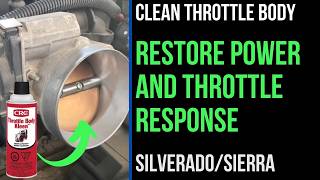
Typical fix: Remove the throttle body and clean it thoroughly with a dedicated throttle body cleaner and a soft, lint-free cloth. 🎬 Watch: A simple guide to cleaning your Silverado throttle body. Do not use abrasive materials or force the plate open aggressively.
Est. part cost: $5-$15 - Failing Throttle Body Assembly 🟡 Medium Probability The internal components of the sealed throttle body unit can fail. This includes the plastic gears wearing out, causing excessive play, or the potentiometer tracks for the position sensors wearing down from constant small movements during driving. This wear creates dead spots in the sensor reading, triggering the code.
How to confirm: If cleaning the throttle body and performing an idle relearn does not resolve the code, and the wiring is confirmed to be good, the unit itself is the likely culprit. A scan tool can monitor commanded vs. actual throttle position 🎬 See how to diagnose the P2101 and P1516 error codes. to confirm erratic behavior or signal dropouts.
Typical fix: Replace the entire throttle body assembly. An idle relearn procedure is required after replacement.
Est. part cost: $150-$400 - Wiring or Connector Issue ⚪ Low Probability Engine vibrations and heat can cause wires in the harness leading to the throttle body to chafe, break, or develop corrosion in the connector pins. Forum users have noted that wires can break inside the insulation right at the connector, making it difficult to spot visually.
How to confirm: Visually inspect the wiring harness for any signs of damage, especially where it might rub against other components. Wiggle the connector and harness with the engine running to see if it triggers the fault. Check the connector at the throttle body for corrosion or loose pins.
Typical fix: Repair the damaged section of the wire or clean/replace the connector.
Est. part cost: $5-$50 - ECM Software Anomaly (2017-2018 models) ⚪ Low Probability TSB #18-NA-069 (which superseded PIP5501) notes that a software issue related to the 'Driver Door Open Prime' feature could falsely set P2101, often when the battery is low. This happens because opening the door can initialize a throttle diagnostic test that fails due to the low voltage.
How to confirm: This is diagnosed by a dealer using a GDS2 scan tool to check freeze frame data. If parameters like 'Engine Speed: 0 RPM' and 'Power Mode: OFF' match the TSB criteria, a software update is the fix.
Typical fix: Reprogram the Engine Control Module (ECM) with the latest software. No parts are replaced.
Est. part cost: $0 (if under warranty) - $250
Rare But Worth Checking
- Low Battery Voltage: A weak or failing battery can cause various electronic modules to act erratically. TSB 18-NA-069 and PIP5501 specifically mention that a reduced state of charge is often seen when P2101 is falsely set on 2017-2018 models.
- Faulty Engine Control Module (ECM): This is the least likely cause. Before condemning the ECM, all other possibilities (throttle body, wiring, software) must be exhaustively ruled out.
Diagnosis Steps
- Read all stored diagnostic trouble codes. Note any other codes that appear with P2101, as they can provide clues.
- Inspect the air intake tube for any obstructions or loose connections between the air filter box and the throttle body.
- Remove the air intake tube from the throttle body. Visually inspect the throttle plate and bore for heavy carbon buildup. WARNING: Do not spray cleaner into the throttle body while it is connected and the key is on.
- If dirty, disconnect the battery, unplug the throttle body connector, and remove the four 10mm bolts holding it to the intake manifold.
- Clean it thoroughly on a workbench using throttle body cleaner and a soft cloth. Do not force the throttle plate open aggressively or use abrasive tools.
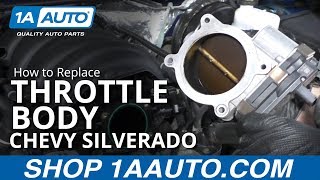
- Reinstall the throttle body using a new gasket, torque bolts to 89 in-lbs, 🎬 Watch: Step-by-step walkthrough for replacing the entire throttle body assembly. reconnect the connector, and reconnect the battery.
- Perform a 'Throttle/Idle Learn' procedure. A common manual method is to start the engine and let it idle for 3 minutes, turn the engine off for 60 seconds, then restart and idle for another 3 minutes. A scan tool reset is the most reliable method.
- If the code returns, inspect the wiring harness and connector at the throttle body for damage, corrosion, or loose pins. Pay close attention to the area where the harness bends near the connector.
- If wiring is intact and cleaning did not work, the throttle body assembly likely needs to be replaced.
- For 2017-2018 models, if the issue persists or occurred with a low battery, consult a dealer to check for the software anomaly described in TSB 18-NA-069.
Parts You'll Likely Need
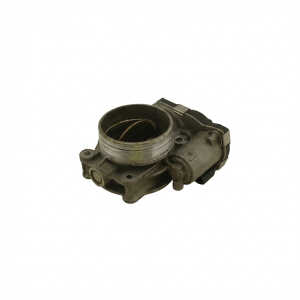
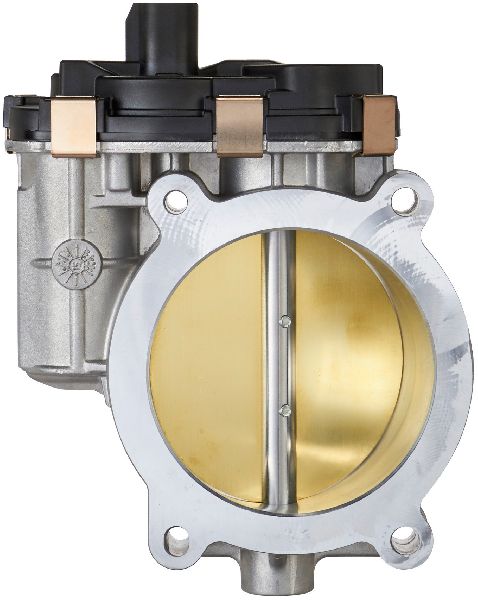
- Throttle Body Assembly
(OEM #12670839)— This is the most common part to fail if cleaning does not resolve the issue. The internal motor or sensors wear out, requiring replacement of the whole unit.
Trusted brands: ACDelco (GM Genuine), Bosch, Hitachi, TRQ
OEM price range: $250-$400
Aftermarket price range: $150-$250 - Throttle Body Cleaner — This is the first and most crucial item for the most common fix: cleaning carbon buildup from the throttle plate and bore.
Trusted brands: CRC, Berryman, Gumout
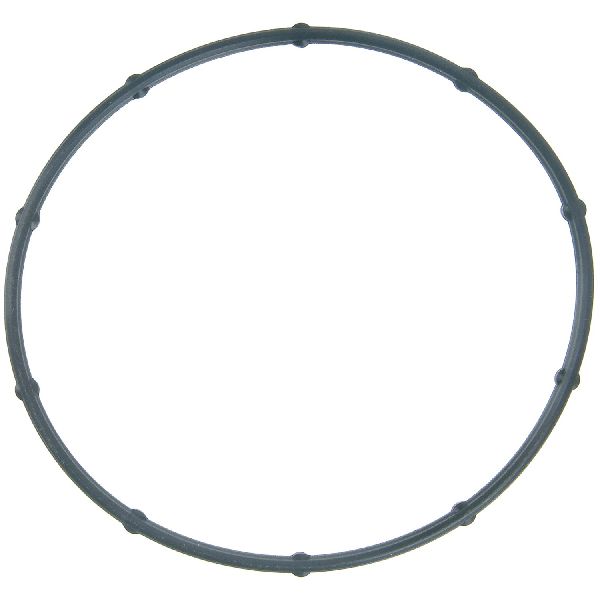
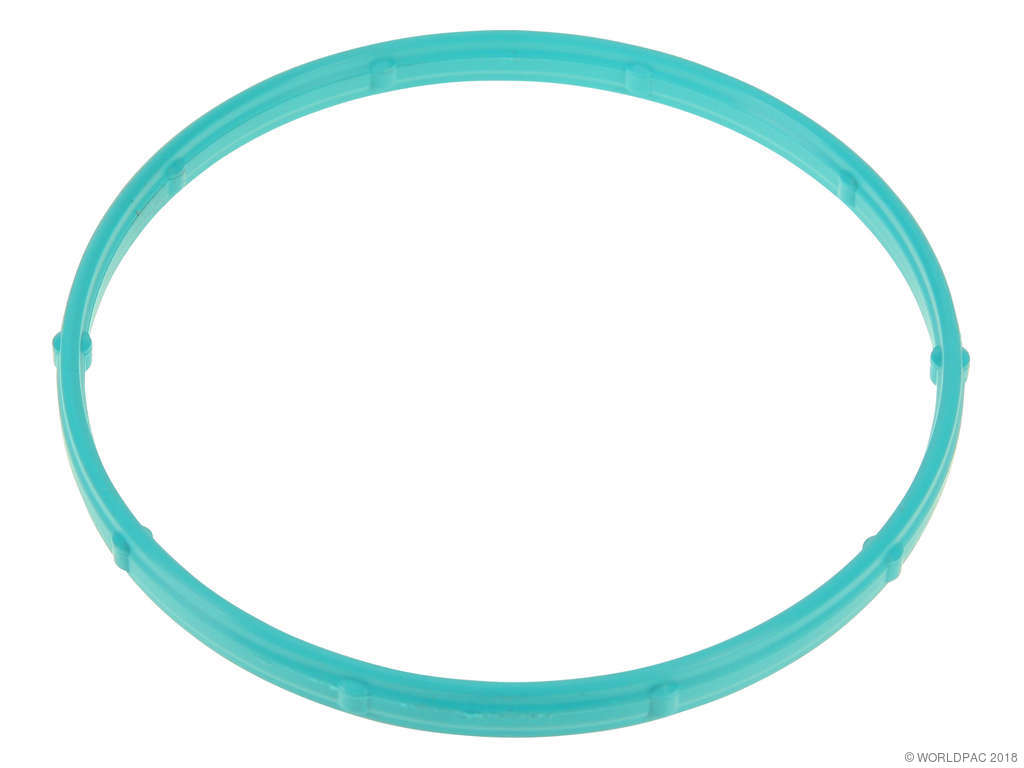
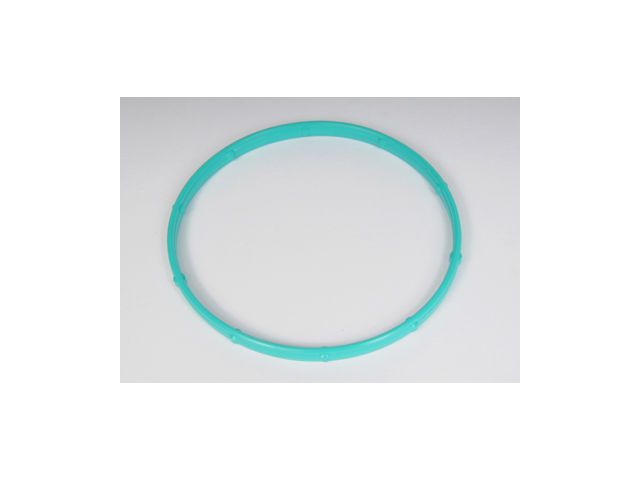
Aftermarket price range: $5-$15 - Throttle Body Gasket — It is best practice to replace the gasket anytime the throttle body is removed to prevent vacuum leaks.
Trusted brands: ACDelco, Fel-Pro
OEM price range: $5-$15
Aftermarket price range: $3-$10
Related Codes That Often Appear With This One
- P1516 — This is a GM-specific code for 'Throttle Actuator Control (TAC) Module Throttle Actuator Position Performance'. It is very commonly set alongside P2101 as they both relate to the throttle body's failure to match the ECM's command.
- P2119 — This code means 'Throttle Closed Position Performance', indicating the throttle plate isn't closing correctly, which can be caused by the same carbon buildup or mechanical failure that triggers P2101.
- P2176 — This code, 'Throttle Actuator Control System - Idle Position Not Learned', often appears after a throttle body has been cleaned or replaced but the required idle relearn procedure has not been completed.
- P0068 — This code indicates a disagreement between the MAP sensor, MAF sensor, and the throttle position. A malfunctioning throttle body (P2101) can cause this correlation error.
Technical Service Bulletins (TSBs) & Recalls
- PIP4578B
- 18-NA-069
- PIP5501
- PIE0403
Platform-Specific Known Issues
- TSB #PIP4578B notes that on high-mileage vehicles, symptoms like idle surge, reduced power, and DTC P2101 can be caused by carbon buildup in the throttle body. Cleaning an
Mechanic-Grade Diagnostic Values
- Throttle Actuator Control (TAC) Motor Resistance — expected: 5-15 Ohms. Failure: A reading of less than 1 Ohm (short) or an infinite/OL reading (open) indicates a failed motor.
- Throttle Position Sensor (TPS) Voltage at Idle — expected: 0.5V - 1.0V (Key On, Engine Off). Failure: Voltage that is stuck, erratic, or drops to 0V intermittently when the throttle is moved indicates a failing sensor.
- Throttle Position Sensor (TPS) Voltage at Wide Open Throttle (WOT) — expected: 4.0V - 4.5V (Key On, Engine Off). Failure: Failure to reach the upper voltage range indicates a sensor or circuit problem.
- Live Scan Tool Throttle Position % (Key On, Engine Off, Pedal Released) — expected: 13% to 19%. Failure: A value that jumps erratically or is outside this range at rest can indicate a problem.
Scan Tool Commands That Help
- GDS2 / Professional Scan Tool: Idle Learn Reset / ETC Learn — This function must be performed after cleaning or replacing the throttle body to reset the learned idle airflow compensation values in the ECM. Failure to do so can result in a high idle, rough idle, or the setting of codes like P2176.
- GDS2 / Professional Scan Tool: Throttle Actuator Control (TAC) Test — This bidirectional test allows the technician to command the throttle plate to specific percentages (e.g., 25%, 50%, 75%) and compare the commanded value to the actual value reported by the TPS. This is used to confirm if the throttle body is sticking, has a dead spot, or is failing to respond correctly.
Wiring & Ground Locations
- Engine Block to Firewall Ground Strap — Typically runs from a stud on the firewall (driver's side) to a bolt on the rear of the driver's side cylinder head.. This is a primary ground path for the engine and its sensors. A corroded or broken strap can introduce electrical noise and voltage drops, affecting the sensitive readings of the throttle control system.
- ECM/PCM Main Ground — On many GM V8 trucks, the main ground for the ECM is bolted to the top or rear of the engine block.. Since the ECM directly controls the throttle actuator motor, a poor ground connection here can cause erratic ECM behavior and directly lead to P2101 and other drivability issues.
- Battery to Chassis/Frame Ground — A heavy gauge cable running from the negative battery terminal to a point on the vehicle's frame or inner fender.. This is the main ground for the entire vehicle's electrical system. Corrosion or looseness at this point can cause widespread, intermittent electrical problems, including those affecting the throttle body.
- Throttle Body Connector — The 6-pin male electrical connector on the throttle body assembly.. This is the single point of connection for the throttle motor and both throttle position sensors. Corrosion, spread pins, or broken wires right at the connector are common failure points that will directly cause P2101.
Real Owner Repair Stories
- YouTube video by Jabo The Mechanic (GMC Sierra (similar platform/engine to Silverado)) — Reduced Engine Power message, codes P1516 and P2101 stored.
❌ Tried (didn't work) Cleaning the throttle body.
✅ What actually fixed it The mechanic noted that while cleaning is the first step, if it doesn't work, the throttle body must be replaced. In the demonstrated case, live data showed the TPS percentage jumping erratically even after cleaning, confirming the internal failure of the unit, which necessitated replacement.
OEM Part Supersession History
12627217, 12669073→12670839— GM regularly updates parts to integrate new materials, technologies, or manufacturing processes.
Heads up: The provided OEM part number 12670839 is for the 2.5L engine and does not fit the 6.0L V8. The correct part number for the 6.0L V8 L96 in this truck is often cited as 12620263 or its supersession. Always verify fitment with VIN.
Model Year Variations Within This Range
- 2017-2018: These model years are subject to TSB #18-NA-069, which identifies a software anomaly that can falsely trigger P2101, especially with a low battery. Earlier models (2014-2016) are not listed in this specific bulletin, making a software issue a less likely cause for them.
Helpful Videos

Used OEM Parts in Stock


New Aftermarket Parts Available


The information in this article is provided for general reference and educational purposes only. Vehicle specifications, procedures, and part compatibility can vary by production date, trim level, and region. Always consult your vehicle's factory service manual and verify part numbers before purchasing or performing repairs. Safety-critical components such as airbags, seat belts, and braking systems should be installed by a qualified professional.
- Chevrolet SILVERADO 3500:
- 🎬 Helpful Videos
- 🛍️ Shop This Part
- What's Unique About the 2014-2018 Chevrolet SILVERADO 3500
- Diagnostic Flowchart
- Symptoms You May Notice
- Most Likely Causes
- Rare But Worth Checking
- Diagnosis Steps
- Parts You'll Likely Need
- Related Codes That Often Appear With This One
- Technical Service Bulletins (TSBs) & Recalls
- Platform-Specific Known Issues
- Mechanic-Grade Diagnostic Values
- Scan Tool Commands That Help
- Wiring & Ground Locations
- Real Owner Repair Stories
- OEM Part Supersession History
- Model Year Variations Within This Range
- 🎟️ Get 5% Off