

P2101 on 2015-2018 Chevrolet Colorado: Throttle Actuator Fault Causes and Fixes
P2101 on a 2015-2018 Colorado almost always indicates a problem with the electronic throttle body, causing 'Reduced Engine Power' mode. The most common fix is replacing the throttle body assembly. Cleaning it first is recommended, but replacement is often necessary. Ensure you have the correct part number for your specific engine (2.5L I4 or 3.6L V6).
- P2101 on a 2015-2018 Colorado will almost certainly put the truck in 'Reduced Engine Power' mode, making it unsafe for normal driving.
- The first step in diagnosis should be to thoroughly clean the throttle body and perform an idle relearn procedure.
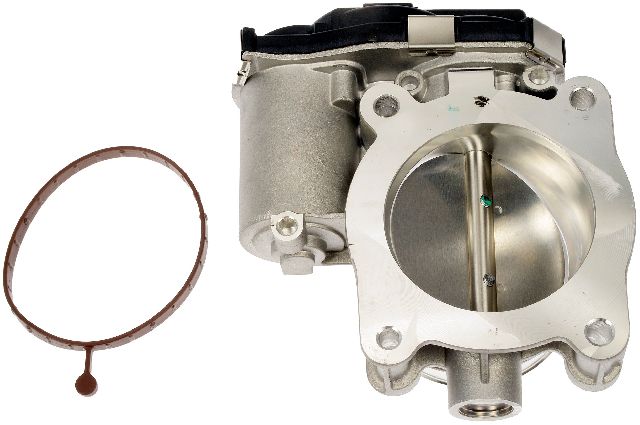
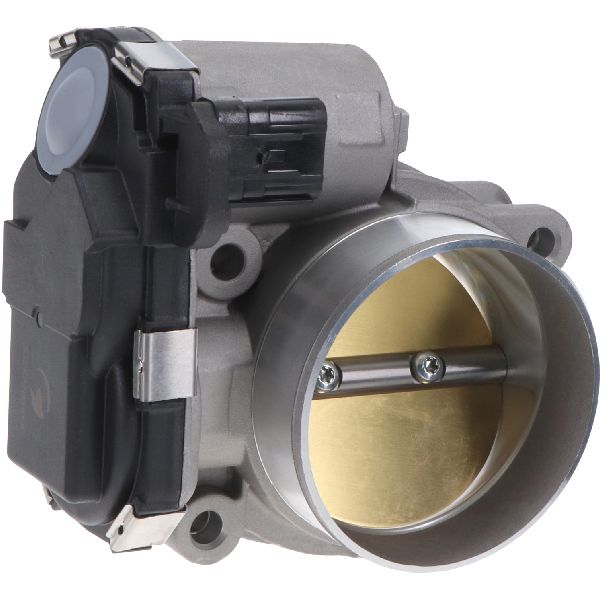
- If cleaning does not solve the problem, the most likely fix is to replace the entire electronic throttle body assembly (ACDelco part #12670839 is a common OEM number).
- Always check the wiring connector at the throttle body for a secure fit and signs of corrosion before replacing parts.
- This is a known issue acknowledged by GM through a Technical Service Bulletin.
What's Unique About the 2015-2018 Chevrolet COLORADO

The 2015-2018 second-generation Colorado and its twin, the GMC Canyon, are known to have issues with their electronic throttle control systems across both the 2.5L and 3.6L engines. General Motors issued a Technical Service Bulletin (TSB #PIE0444A) specifically to investigate the root cause of P2101 on 2017-2018 trucks with the 3.6L V6, indicating it's a recognized issue. Owners frequently report sudden limp mode events that are resolved, at least temporarily, by restarting the vehicle, which points directly to intermittent failures within the throttle body assembly or its related wiring.
Diagnostic Flowchart
Tap your situation to follow the diagnostic path that matches what you're seeing on this vehicle.
Symptoms You May Notice
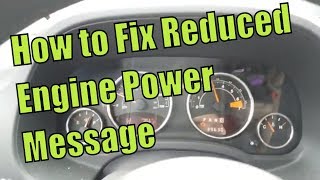
- Reduced Engine Power warning message 🎬 Watch: What to do when you see the Reduced Engine Power message. on the dashboard
- Check Engine Light is on
- Vehicle has very limited acceleration (limp mode)
- Unresponsive or hesitant throttle pedal
- Rough or unstable idle
- Engine may stall at low speeds
- Inability to accelerate past a certain speed
- Replacing the Accelerator Pedal Position (APP) Sensor. P2101 specifically points to a performance issue at the throttle body motor, not the pedal sensor. Other codes, like P2138, are more specific to the APP sensor.
Most Likely Causes

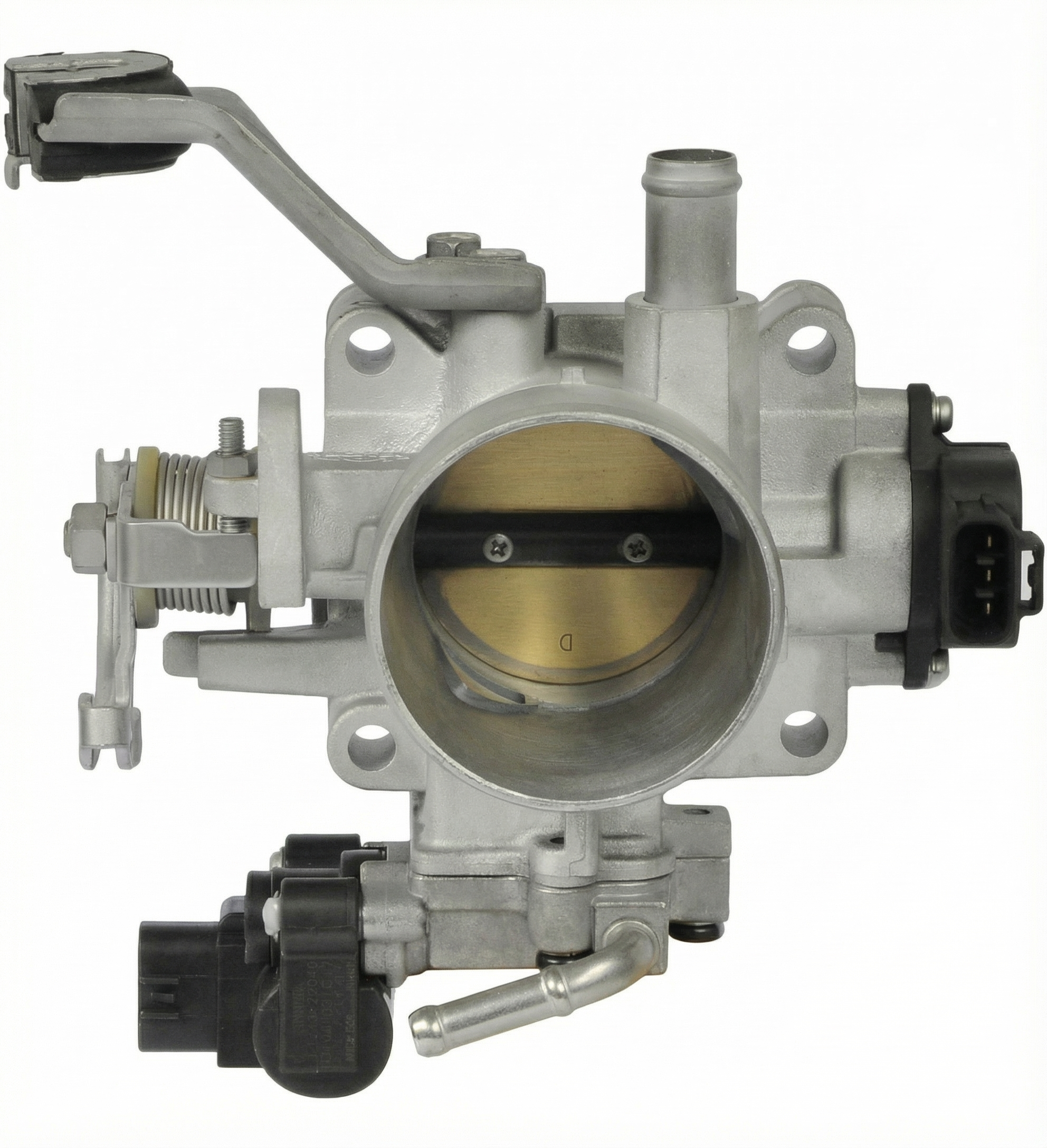
- Faulty Electronic Throttle Body Assembly 🔴 High Probability The internal electronics, motor, and position sensors within the throttle body assembly are a common failure point. Wear on the internal contact points, plastic gears, or motor can cause the performance deviation that triggers P2101. This issue is prevalent enough that different part numbers are well-documented for the 2.5L and 3.6L engines.
How to confirm: After ruling out wiring issues, the most definitive test is to replace the throttle body. A scan tool can monitor desired vs. actual throttle position to spot discrepancies in real-time.
Typical fix: Replace the entire throttle body assembly with the correct part for your engine. A 'throttle relearn' procedure is required after installation. 🎬 Watch: How to perform the GM electronic throttle body relearn procedure.
Est. part cost: $100-$280 - Dirty or Sticking Throttle Plate 🟡 Medium Probability Carbon and oil residue from the PCV (Positive Crankcase Ventilation) system can build up in the throttle body bore, causing the throttle plate to stick or move slowly. This can prevent it from reaching the position commanded by the ECM in the expected time, triggering the code, especially on higher-mileage vehicles.
How to confirm: Remove the air intake duct and visually inspect the throttle plate and bore for black carbon buildup. Manually move the plate (with the engine off and key out, or by having an assistant press the pedal with key-on-engine-off) to feel for any binding or sticking.
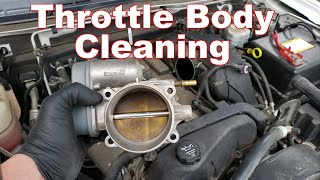
Typical fix: Thoroughly clean the throttle plate and bore using a dedicated throttle body cleaner and a soft cloth 🎬 See this walkthrough on how to properly clean your throttle body. or brush. A throttle relearn procedure should be performed after cleaning to prevent high idle issues.
Est. part cost: $5-$15 - Wiring or Connector Issue ⚪ Low Probability Vibrations and heat in the engine bay can lead to loose connections or broken wires in the harness leading to the throttle body. TSB #PIE0444A specifically calls out checking for a properly seated connector and terminal issues. Some owners have traced similar issues to bad ground connections on the engine or chassis.
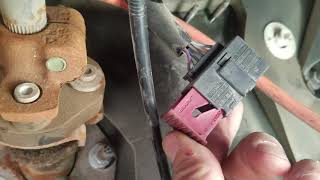
How to confirm: Inspect the throttle body electrical connector for corrosion, pushed-out pins, or a loose fit. Wiggle the harness while the engine is running to see if it triggers the fault. Check the wiring harness for any visible damage, chafing, or breaks.
Typical fix: Repair the damaged section of the wiring harness, clean/replace the connector pigtail, or clean and secure engine ground points.
Est. part cost: $10-$50
Rare But Worth Checking
- Faulty Powertrain Control Module (PCM): This is very rare. The PCM should only be considered after all other possibilities, including the throttle body and wiring, have been exhaustively ruled out.
Diagnosis Steps
- Scan the vehicle for any other stored trouble codes. Address other codes first if they are present.
- Inspect the air intake duct leading to the throttle body to ensure it is secure and not leaking, as instructed in TSB #PIE0444A.
- Visually inspect the throttle body electrical connector for looseness, corrosion, or damaged pins.
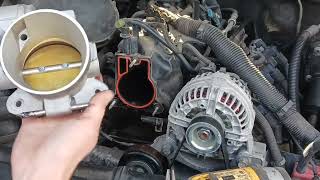
- Remove the air intake duct from the throttle body. Inspect the throttle bore and plate for heavy carbon buildup.
- If dirty, clean the throttle body thoroughly with a dedicated cleaner and a soft rag. Do not spray cleaner directly into the electronics or force the plate open manually; have an assistant press the gas pedal with the key on.
- After cleaning or replacement, perform a throttle relearn procedure. A reliable method is using a capable scan tool. A manual method that may work is to let the engine idle in Park for 3 minutes, turn the engine off for 60 seconds, then start and idle again for 3 minutes.
- If the code returns after cleaning, the throttle body assembly is the most likely culprit and should be replaced with the correct part for your engine.
- If a new throttle body does not resolve the issue, perform a detailed check of the wiring harness between the PCM and the throttle body for continuity and shorts. Also check engine and chassis ground connections, particularly G103 and G104 on the cylinder heads.
Parts You'll Likely Need

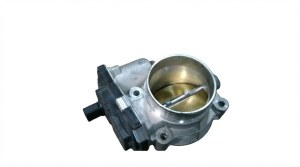
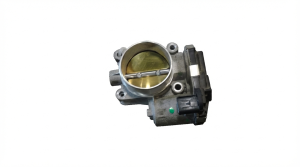
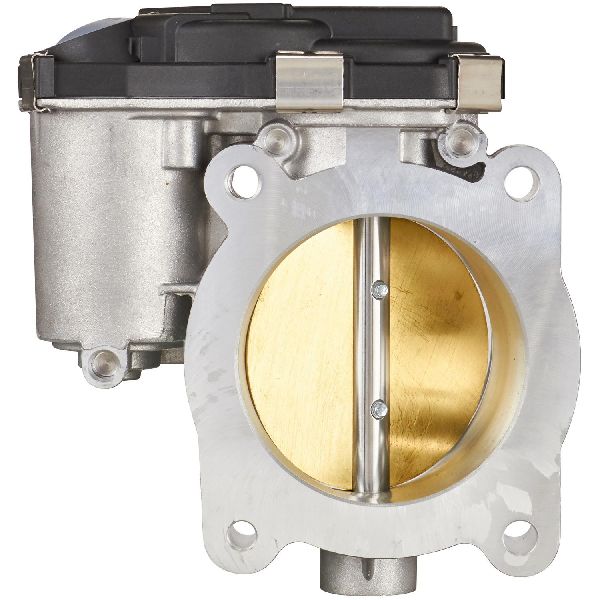
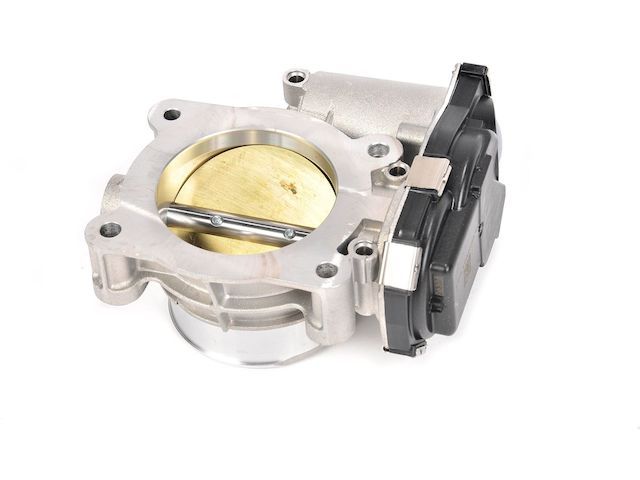
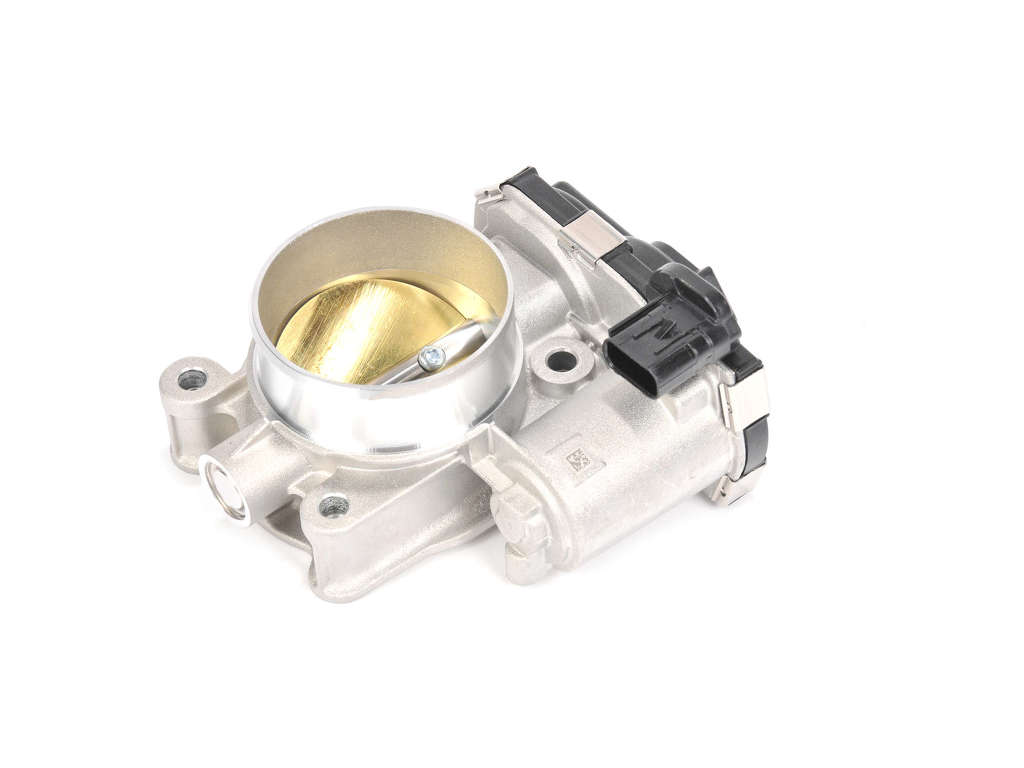
- Electronic Throttle Body Assembly (2.5L I4 Engine)
(OEM #12670839)— This is the most common cause of P2101 for Colorados with the 2.5L 4-cylinder engine. This part supersedes 12627217 and 12669073.
Trusted brands: ACDelco (OEM), Standard Motor Products, Hitachi
OEM price range: $150-$250
Aftermarket price range: $100-$180 - Electronic Throttle Body Assembly (3.6L V6 Engine)
(OEM #12670981)— This is the most common cause of P2101 for Colorados with the 3.6L V6 engine (LFX/LGZ). This part supersedes 12632172, 12669016, and 12671015.
Trusted brands: ACDelco (OEM), SKP, DriveBolt
OEM price range: $150-$280
Aftermarket price range: $90-$180
Related Codes That Often Appear With This One
- P2119 — This code for 'Throttle Closed Position Performance' is often seen with P2101, as both relate to the throttle plate not being where the ECM expects it to be. The official GM TSB for this issue lists both codes together.
- P1516 — This is a GM-specific code that is very similar to P2101, indicating a mismatch between the commanded and actual throttle position. They frequently appear together on GM trucks.
- P2176 — This code for 'Idle Position Not Learned' can appear after cleaning or replacing the throttle body if the required relearn procedure is not performed correctly.
Technical Service Bulletins (TSBs) & Recalls
- PIE0444A: 'Engineering Information — Malfunction Indicator Lamp Illuminated with DTCs P2101 Throttle Actuator Position Performance and/or P2119 Throttle Closed Position Performance'. This informational bulletin requested field data from 2017-2018 Colorado/Canyon trucks with the 3.6L V6 engine to help GM engineers find the root cause of this specific issue.
Platform-Specific Known Issues
- GM issued Technical Service Bulletin #PIE0444A for 2017-2018 models with the 3.6L V6 (LGZ) engine. This was an engineering information request, not a recall, to gather data on vehicles setting P2101 and/or P2119. The bulletin instructs technicians to check the air duct connection, throttle body connector, and for free movement of the throttle blade before reporting findings to GM engineering, confirming this is a known issue being investigated by the manufacturer.
Mechanic-Grade Diagnostic Values
- Throttle Actuator Control (TAC) Motor Resistance — expected: Approximately 3.0 to 4.4 Ω between the two motor control terminals on the throttle body connector.. Failure: A reading of infinite resistance (open circuit) or less than 1 Ω (short circuit) indicates a failed motor.
- Throttle Position Sensor (TPS) 1 & 2 Voltage Sweep — expected: With key on, engine off, one TPS signal voltage should sweep up from ~0.6V towards 5V as the throttle is opened, while the other TPS signal sweeps down from ~3.9V towards 1V.. Failure: Voltage that doesn't change, has gaps, or doesn't move smoothly indicates a faulty sensor within the throttle body assembly.
Scan Tool Commands That Help
- GDS2 (GM Global Diagnostic System 2): Throttle Position Control / Actuator Test — This bidirectional control allows a technician to command the throttle plate to open to specific percentages (e.g., 10%, 25%, 50%) while monitoring the 'Desired' vs 'Actual' throttle position PIDs. This directly tests the motor, sensors, and wiring, confirming if the throttle body responds correctly to ECM commands.
Wiring & Ground Locations

- G103 / G104 — Typically located on the rear of the cylinder heads.. These are critical ground points for the Engine Control Module (ECM) and its sensors. A loose or corroded ground here can introduce electrical noise or a voltage drop, causing the ECM to receive erratic signals from the throttle body, triggering a false P2101.
- ECM Connector X1 (3.6L LFX Engine) — Of the three main connectors on the ECM for the 2015-2016 LFX V6, X1 is identified by its Black connector body and Blue Terminal Position Assurance (TPA) lock.. Correctly identifying connector X1 is essential for performing pin-out testing of the circuits running between the ECM and the throttle body, such as the 5-volt reference, low reference, and motor control wires.
"I Checked Everything" — The Actual Cause
- In some GM vehicles, a P2101 code can persist despite the throttle body and its direct wiring checking out. An often-overlooked cause is a poor PCM ground connection at the main grounding point, which is sometimes located on the back of a cylinder head and is difficult to access. This poor ground causes a voltage drop across all PCM circuits, leading to unpredictable behavior in sensitive systems like the throttle actuator control, even though the specific circuit wires show continuity.
Model Year Variations Within This Range
- 2015-2016 vs. 2017-2018 (3.6L V6): In 2017, the 3.6L V6 engine was updated from the LFX to the LGZ. These engines are significantly different, and components like the electronic throttle body are not interchangeable between them. The LFX (2015-2016) and LGZ (2017-2018) use different throttle body part numbers and designs. The manufacturer TSB #PIE0444A specifically targets the newer LGZ engine, highlighting it as a point of focus for this code.
Helpful Videos
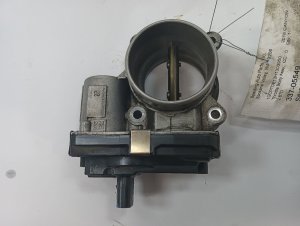
Used OEM Parts in Stock


New Aftermarket Parts Available


The information in this article is provided for general reference and educational purposes only. Vehicle specifications, procedures, and part compatibility can vary by production date, trim level, and region. Always consult your vehicle's factory service manual and verify part numbers before purchasing or performing repairs. Safety-critical components such as airbags, seat belts, and braking systems should be installed by a qualified professional.
- Chevrolet COLORADO:
- 🎬 Helpful Videos
- 🛍️ Shop This Part
- What's Unique About the 2015-2018 Chevrolet COLORADO
- Diagnostic Flowchart
- Symptoms You May Notice
- Most Likely Causes
- Rare But Worth Checking
- Diagnosis Steps
- Parts You'll Likely Need
- Related Codes That Often Appear With This One
- Technical Service Bulletins (TSBs) & Recalls
- Platform-Specific Known Issues
- Mechanic-Grade Diagnostic Values
- Scan Tool Commands That Help
- Wiring & Ground Locations
- "I Checked Everything" — The Actual Cause
- Model Year Variations Within This Range
- 🎟️ Get 5% Off