

P2101 on 2004-2007 Buick Rainier: Throttle Actuator Control Failure Causes and Fixes
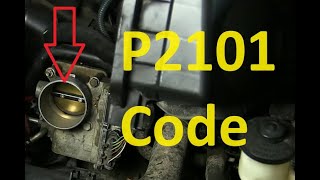
On a 2004-2007 Buick Rainier, code P2101 almost always points to a problem with the electronic throttle body, often causing the 'Reduced Engine Power' light to activate. The most common fix is thoroughly cleaning the throttle body of carbon buildup. If cleaning fails, the entire throttle body assembly must be replaced, which can cost between $150 and $400 for the part. A throttle 'relearn' procedure is necessary after either service.
- P2101 on a Buick Rainier almost always means there is an issue with the electronic throttle body, which will trigger the 'Reduced Engine Power' light.
- The first and cheapest step is to thoroughly clean the throttle body to remove carbon buildup, which often fixes the problem.
- If cleaning doesn't work, the entire throttle body assembly usually needs to be replaced.
- After cleaning or replacing the throttle body, a 'relearn' procedure is necessary to sync the component with the car's computer.
What's Unique About the 2004-2007 Buick RAINIER
The Buick Rainier shares its GMT360 platform with vehicles like the Chevy Trailblazer, GMC Envoy, and Saab 9-7X, all of which are known for throttle body issues. The primary cause is often not an immediate hard failure, but a gradual buildup of carbon and grime inside the throttle body that causes the butterfly valve to stick or bind. This, combined with the electronic components aging, leads to the erratic behavior that triggers the P2101 code and the dreaded 'Reduced Engine Power' mode. The problem is so common that cleaning the throttle body is considered routine maintenance on these trucks, and TSB #PIP4578B was issued specifically addressing this issue on high-mileage vehicles.
Diagnostic Flowchart
Tap your situation to follow the diagnostic path that matches what you're seeing on this vehicle.
Symptoms You May Notice
- "Reduced Engine Power" warning light illuminated on the dash
- Check Engine Light is on
- Vehicle will not accelerate properly and has very limited power (Limp Mode)
- Unstable, rough, or fluctuating idle
- Engine may stall when coming to a stop
- Delayed or hesitant response when pressing the gas pedal
- Shaking or vibrating engine at idle.
- Replacing the accelerator pedal position (APP) sensor. While the APP sensor is part of the same system, P2101 specifically points to a performance issue at the throttle body motor, not the pedal sensor. Other codes usually accompany a failing APP sensor.
Most Likely Causes
- Dirty or Sticking Throttle Body 🔴 High Probability Carbon and oil vapor from the PCV system build up in the throttle body bore and on the throttle plate, causing it to bind and not move smoothly. This is a very common issue on the GMT360 platform, as noted in GM TSB PIP4578B for high-mileage vehicles.
How to confirm: Remove the air intake duct from the throttle body and visually inspect for a thick black ring of carbon where the throttle plate closes. The plate may feel sticky or hard to move by hand (with the engine off). Forum users on GMTNation have posted before-and-after pictures showing significant buildup.
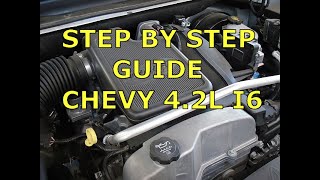
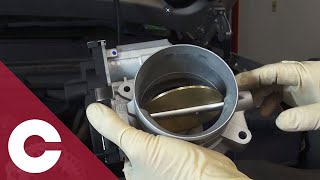
Typical fix: Thoroughly clean the throttle body bore and plate with a dedicated throttle body cleaner and a soft brush or cloth. Do not use harsh tools. 🎬 Watch: Step-by-step guide to cleaning your Rainier's throttle body. A throttle relearn procedure is mandatory after cleaning to reset the PCM's learned values.
Est. part cost: $5-$15 for cleaner - Failed Throttle Body Assembly 🟡 Medium Probability The internal electric motor or the integrated Throttle Position Sensor (TPS) can fail electronically. The TPS is not a separately replaceable part on these models; if it fails, the entire assembly must be replaced.
How to confirm: After cleaning, if the code returns quickly, and wiring is confirmed to be good, the throttle body itself is the most likely culprit. A scan tool can monitor commanded vs. actual throttle position to confirm a discrepancy. If they don't match, the unit has failed.
Typical fix: Replace the entire throttle body assembly. A 'relearn' procedure is mandatory after installation to sync the new part with the vehicle's computer.
Est. part cost: $150-$400 - Wiring or Connector Issues ⚪ Low Probability The wiring harness to the throttle body is subject to engine heat and vibration. Wires can break inside the insulation near the connector, or the female pins in the connector can lose tension, causing a poor connection. Some owners have also reported issues with main engine-to-chassis ground straps causing erratic electronic behavior.
How to confirm: Visually inspect the wiring harness for chafing, melting, or damage. Unplug the connector and check for corrosion or loose-fitting pins. Wiggling the harness with the engine running may trigger the fault. Some owners on forums suggest slightly twisting the male pins on the throttle body to ensure a tighter connection.
Typical fix: Repair the damaged section of wiring or replace the connector pigtail. In some cases, adding a redundant ground strap from the engine block to the firewall has resolved persistent issues.
Est. part cost: $15-$50
Rare But Worth Checking
- Powertrain Control Module (PCM) Failure: This is rare, but the PCM can fail internally and stop sending the correct signals to the throttle body. This should only be considered after all other possibilities (throttle body, wiring) have been definitively ruled out.
- Frozen PCV System / Throttle Body Icing: TSB #PIP4573B specifically addresses P2101 and other TAC codes that appear during cold starts in temperatures around -10°F (-23°C). Moisture from the PCV system can freeze inside the throttle body, causing the plate to stick. The fix involves cleaning the ice/sludge from the PCV hoses and throttle body.
Diagnosis Steps
- Verify the P2101 code is present using an OBD-II scanner.
- Check for other related codes (P1516, P2176, etc.) to get a complete picture of the fault.
- Turn the ignition off. Disconnect the air intake tube from the throttle body.
- Visually inspect the throttle body bore and plate for heavy carbon buildup. It will often be a thick, black, sticky residue.
- Gently try to move the throttle plate with your fingers. Note if it feels sticky, gritty, or if it binds.
- If dirty, perform a thorough cleaning using throttle body cleaner and a soft cloth/brush. Do not use harsh tools or solvents.
- Inspect the wiring harness and connector at the throttle body. Wiggle the harness while the engine is running to see if it induces the 'Reduced Engine Power' mode, which would indicate a bad connection.
- After cleaning or replacement, reassemble the intake, clear the codes, and perform the throttle relearn procedure.
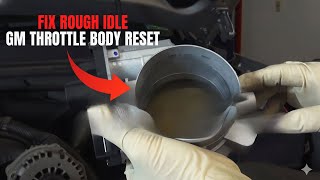
- Throttle Relearn Procedure (No Scan Tool): Start the engine and let it idle in Park for 3 minutes. The idle may be high. After 3 minutes, shut the engine off for 60 seconds. Restart the engine and let it idle in Park for another 3 minutes. The idle should now be normal. The procedure is complete. 🎬 Watch: How to perform a professional electronic throttle body relearn.
- Test drive the vehicle. If the code and symptoms return after cleaning and a successful relearn, the throttle body assembly is likely faulty and needs to be replaced.
Parts You'll Likely Need
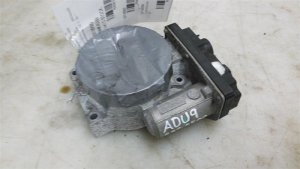
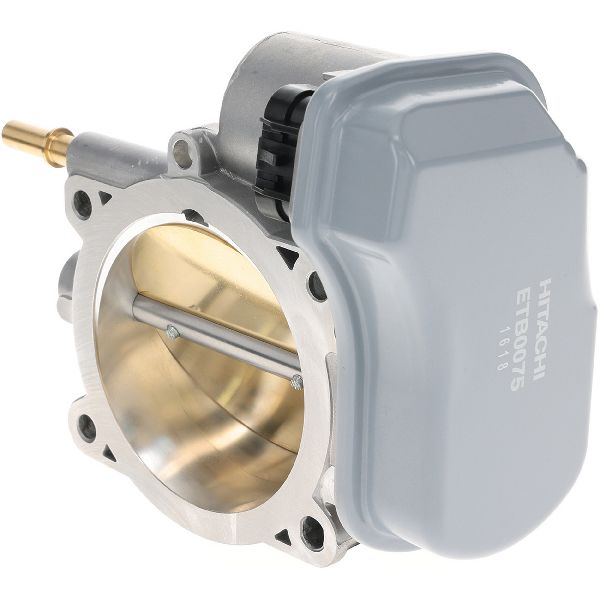
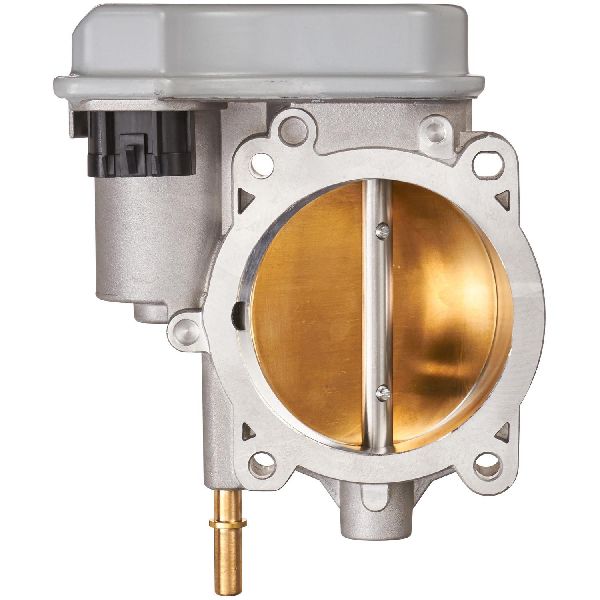
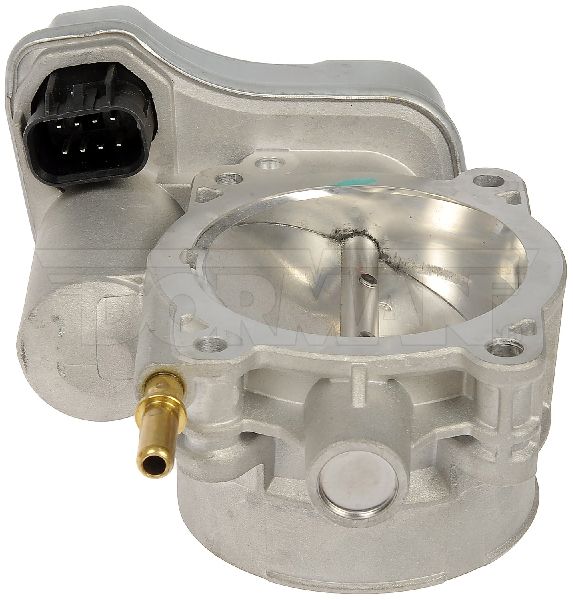
- Throttle Body Assembly
(OEM #ACDelco #217-3153 (for 4.2L I6) or ACDelco #217-3428 (for 5.3L V8). Always verify with VIN.)— This is the most common part to fail when cleaning does not resolve the issue. The internal motor or integrated sensors wear out, requiring replacement of the whole unit.
Trusted brands: ACDelco, Delphi, Hitachi
OEM price range: $250-$400
Aftermarket price range: $150-$250 - Throttle Body Cleaner — Required for the first and most common diagnostic/repair step, which is cleaning the throttle body to remove carbon buildup.
Trusted brands: CRC, Gumout
Aftermarket price range: $5-$15
Related Codes That Often Appear With This One
- P1516 — This is a GM-specific code for 'Throttle Actuator Control (TAC) Module Throttle Actuator Position Performance'. It is very commonly seen with P2101 as it indicates a similar fault within the electronic throttle system and is mentioned in the same TSBs.
- P2176 — This code means 'Throttle Actuator Control System - Idle Position Not Learned'. It often appears after a battery disconnect, a PCM replacement, or after cleaning/replacing the throttle body if the relearn procedure was not performed or was unsuccessful.
- P0121 — This code relates to 'Throttle/Pedal Position Sensor 'A' Circuit Range/Performance'. It can be triggered alongside P2101 if the PCM sees an issue with the sensor data that's integrated into the throttle body assembly.
- P2119 — This code for 'Throttle Actuator Control Throttle Body Range/Performance' indicates the throttle plate is not returning to its rest position correctly, often due to the same binding or electronic faults that cause P2101.
Technical Service Bulletins (TSBs) & Recalls
- PIP4578B: Mentions P2101 in relation to idle surge and reduced engine power on high-mileage vehicles due to carbon buildup.
- PIP4573B: Connects P2101 with cold-start issues in freezing temperatures due to PCV moisture icing or weak battery.
Platform-Specific Known Issues
- TSB #PIP4578B: High-Mileage Carbon Buildup: This GM bulletin directly addresses idle surge, reduced engine power mode, and a group of codes including P2101 on high-mileage vehicles. It states that as carbon builds up, the PCM learns to compensate, but can eventually reach a point where it can no longer adjust, triggering the fault. The prescribed fix is to clean the throttle body and perform an idle learn reset.
- TSB #PIP4573B: Extreme Cold Weather Starts: This bulletin notes that P2101 and related codes can be set during cold starts around -10°F (-23°C). This can be caused by a weak battery struggling in the cold or by moisture from the PCV system freezing inside the throttle body, causing the plate to stick.
Mechanic-Grade Diagnostic Values
- TPS 1 Resistance (4.2L Engine) — expected: Continuity (approx. 3 K Ohms) between terminals C and G on the throttle body.. Failure: An open circuit (OL) or a short circuit (less than 1 Ohm) indicates a failed TPS 1 sensor inside the throttle body assembly.
- Throttle Body Connector - 5V Reference — expected: Approximately 5 Volts DC at the specified 5V reference wire with the key on, engine off.. Failure: Significantly lower or no voltage suggests a wiring issue, a problem with the shared 5V reference circuit, or a faulty PCM.
- Throttle Body Connector - Ground Circuit — expected: Good continuity to ground (low resistance) or battery voltage when testing between the ground pin and the positive battery terminal.. Failure: High resistance or no continuity indicates a bad ground connection, which is a known issue on these vehicles.
Scan Tool Commands That Help
- GM Tech 2 / GDS2 or equivalent professional scanner: Idle Learn Reset — Use this function after cleaning or replacing the throttle body to erase the old learned throttle angle values from the PCM. This is a more reliable method than the manual relearn and is often required to fully resolve an idle issue or a P2176 code.
- GM Tech 2 / GDS2 or equivalent professional scanner: Engine Output Controls / Throttle Actuator Test — This bidirectional test allows a technician to command the throttle plate to specific angles (e.g., 10%, 25%, 50%) while the engine is off. It's used to verify if the actuator motor is responding correctly and if the TPS sensors are tracking the movement accurately, helping to confirm a failed throttle body.
Wiring & Ground Locations
- G107 / G108 / G109 / G110 — On the lower left side of the engine block.. These are the primary engine block grounds. A loose or corroded connection at these points can cause erratic voltage and faulty signals for the entire engine management system, including the Powertrain Control Module (PCM) and the throttle control system, leading to intermittent P2101 codes.
- G103 — On the left side of the radiator support in the front of the engine compartment.. This is a major chassis ground point for many components in the engine bay. While less direct than the engine block grounds, a poor connection here can contribute to overall electrical noise and instability that may affect sensitive electronics like the throttle control system.
- Throttle Body Connector — The electrical plug on the throttle body itself.. This is the single point of failure for all power, ground, and signal wires to the throttle actuator motor and position sensors. Check for backed-out pins, corrosion from moisture, or wire damage right at the connector.
- Shared 5V Reference Circuit — This is a circuit within the wiring harness, not a single physical point.. On the GMT360 platform, the throttle body's position sensors share a 5-volt reference signal from the PCM with other components, most notably the electronic fan clutch and the accelerator pedal position sensor. A fault in the fan clutch can disrupt this voltage, causing the PCM to misinterpret the throttle position and set a P2101 code.
Real Owner Repair Stories
- GMTNation forum user (GMC Envoy (same GMT360 platform)) — Reduced Engine Power (REP) and Service Engine Soon (SES) lights, rough idle.
❌ Tried (didn't work) Cleaning the throttle body., Restarting the vehicle after disconnecting the battery.
✅ What actually fixed it The user discovered the 5V reference circuit is shared between the throttle body, accelerator pedal, and the electronic fan clutch. Disconnecting the fan clutch harness allowed the engine to run (though still in REP mode), pointing towards the fan clutch causing electrical interference on the circuit that the throttle body relies on. The ultimate fix involves addressing the faulty component on that shared circuit. - YouTube channel 'Fix It Rich' (Chevy Trailblazer (same GMT360 platform)) — Low idle at 600 RPM, hesitation on acceleration, and a persistent ticking noise from the electronic fan clutch (which is often related to PCM/idle speed issues).
❌ Tried (didn't work) Replacing the fan clutch did not stop the ticking noise.
✅ What actually fixed it Replacing the Powertrain Control Module (PCM) with a pre-programmed unit for $89 resolved all issues. The idle speed corrected itself to ~650 RPM, the hesitation was gone, and the fan clutch ticking stopped, indicating the original PCM was the root cause of the incorrect idle and related electronic faults.
OEM Part Supersession History
12580760→ACDelco 217-3153— Part revision by GM to improve reliability and address common failure modes of the original throttle body.
Heads up: While this part number is correct for the 4.2L I6, always verify compatibility with the vehicle's VIN before ordering.
Model Year Variations Within This Range
- 2004-2007: The throttle body assembly can have either a 6-pin or an 8-pin electrical connector. It is critical to visually inspect the connector on the vehicle's original throttle body and count the pins before ordering a replacement part to ensure compatibility.
- 2004-2005 vs 2006-2007: The wiring diagrams for the Throttle Actuator Control (TAC) system are different for 2004-2005 models compared to 2006-2007 models with the 4.2L engine, indicating a mid-cycle update. While the core function is the same, wire colors and pin locations at the PCM may vary, which is important for advanced electrical diagnosis.
Helpful Videos

Used OEM Parts in Stock



New Aftermarket Parts Available




The information in this article is provided for general reference and educational purposes only. Vehicle specifications, procedures, and part compatibility can vary by production date, trim level, and region. Always consult your vehicle's factory service manual and verify part numbers before purchasing or performing repairs. Safety-critical components such as airbags, seat belts, and braking systems should be installed by a qualified professional.
- Buick RAINIER:
- 🎬 Helpful Videos
- 🛍️ Shop This Part
- What's Unique About the 2004-2007 Buick RAINIER
- Diagnostic Flowchart
- Symptoms You May Notice
- Most Likely Causes
- Rare But Worth Checking
- Diagnosis Steps
- Parts You'll Likely Need
- Related Codes That Often Appear With This One
- Technical Service Bulletins (TSBs) & Recalls
- Platform-Specific Known Issues
- Mechanic-Grade Diagnostic Values
- Scan Tool Commands That Help
- Wiring & Ground Locations
- Real Owner Repair Stories
- OEM Part Supersession History
- Model Year Variations Within This Range
- 🎟️ Get 5% Off