

P2098 on 2011-2015 Ram 1500: Downstream Lean Causes and Fixes
P2098 on a 2011-2015 Ram 1500 indicates a lean condition detected by the oxygen sensor after the catalytic converter on Bank 2. The most common causes are an exhaust leak, particularly from a cracked exhaust manifold or broken manifold bolts on the 5.7L HEMI, or a failing oxygen sensor. Repairing an exhaust leak is the most frequent fix, and this issue is so common it's often referred to as the 'Hemi tick'.
- For a 2011-2015 Ram 1500, P2098 is most often caused by an exhaust leak from a cracked passenger-side exhaust manifold.
- Before replacing any parts, perform a cold start and listen for a 'ticking' noise that would indicate an exhaust leak.
- If no leak is found, the next most likely culprit is a faulty downstream (post-catalyst) oxygen sensor on Bank 2.
- Check with a dealer to see if your truck's computer has the latest software, as updates have been released to address this code.
- Always replace exhaust manifold gaskets and bolts when servicing the manifold to prevent future leaks.
What's Unique About the 2011-2015 Ram 1500
On this generation of Ram 1500, particularly those with the 5.7L HEMI engine, P2098 is very frequently linked to exhaust leaks caused by cracked exhaust manifolds or broken manifold bolts. This is a well-documented issue where the cast iron manifold design and significant heat cycling cause the metal to warp, leading to cracks or snapping the rearmost mounting bolts. This allows outside air to be pulled into the exhaust stream. This extra oxygen fools the downstream O2 sensor into reporting a false lean condition, triggering the code even if the engine itself is running perfectly. While a bad O2 sensor is always possible, investigating for the signature "HEMI tick" of an exhaust leak—an audible ticking noise from the engine bay, especially on a cold start— 🎬 Watch: Listen to the HEMI tick to identify an exhaust leak.is a critical first step on these trucks.
Diagnostic Flowchart
Tap your situation to follow the diagnostic path that matches what you're seeing on this vehicle.
Generation note: The 2011-2015 year range covers the fourth generation of the Ram 1500. The primary engines available were the 3.7L V6, 4.7L V8, 5.7L HEMI V8, and the 3.6L Pentastar V6 (starting in 2013). The issue of cracked exhaust manifolds and broken bolts causing P2098 is most prevalent on the 5.7L HEMI V8 and is a known issue on later generations as well.
Symptoms You May Notice
- Check Engine Light is on
- A ticking noise from the engine bay (passenger side for P2098), especially when cold, that may quiet down as the engine warms up.
- Slightly rough idle or sputtering on startup.
- Reduced fuel economy.
- Poor or sluggish acceleration
- Exhaust smell in the cabin
- Replacing the O2 sensor without checking for exhaust leaks first. Given the high frequency of cracked manifolds on these trucks, an exhaust leak is a more probable cause and should be ruled out before spending money on sensors.
- Assuming the downstream (Sensor 2) O2 sensor is the problem when a faulty upstream (Sensor 1) O2 sensor is actually causing incorrect fuel adjustments, which are then flagged by the downstream sensor.
Most Likely Causes
- Exhaust Leak (Cracked Manifold or Broken Bolts) 🔴 High Probability The 5.7L HEMI engine in this generation is known for developing exhaust leaks at the manifolds due to broken mounting bolts (typically the rearmost ones) or cracks in the manifold itself from heat stress and warping. The factory cast iron manifolds are believed to not have been properly normalized after casting, making them prone to warping.
How to confirm: Perform a cold start and listen for an audible ticking or tapping sound from the passenger side of the engine bay that may diminish as the truck warms up. A visual inspection, often requiring removal of the heat shield, may reveal cracks on the manifold or broken bolt heads. A smoke test of the exhaust system can definitively pinpoint the leak.
Typical fix: Replace the cracked exhaust manifold and any broken bolts. It is highly recommended to replace the manifold gasket at the same time. Some owners opt to have the original warped manifold resurfaced (e.g., belt sanded flat) and reinstall it with new gaskets and bolts, as a heat-cycled manifold is less likely to warp again. Using high-quality gaskets like Fel-Pro or Remflex is also recommended by owners.
Est. part cost: $150-$400 - Faulty Downstream Oxygen (O2) Sensor 🟡 Medium Probability
How to confirm: Use a scan tool to monitor the voltage of the Bank 2, Sensor 2 (downstream) O2 sensor. A healthy downstream sensor on a warm, running engine should show a relatively steady voltage. If the voltage is stuck low (e.g., under 0.2V) or is not responding, the sensor is likely faulty. This should be done *after* confirming there are no exhaust leaks.
Typical fix: Replace the Bank 2, Sensor 2 oxygen sensor. This is the sensor located after the catalytic converter on the passenger side.
Est. part cost: $50-$120 - Vacuum Leak (Loose Intake Manifold Bolts) ⚪ Low Probability The intake manifold bolts on the 5.7L HEMI have a tendency to loosen over time, creating a vacuum leak. Some speculate this is due to the factory not using bolts with thread-locking material during certain production periods.
How to confirm: Inspect all vacuum hoses connected to the intake manifold for cracks or disconnection. A forum user on RamForum.com reported solving a persistent P2098 by tightening loose intake manifold bolts. The torque specification is low, around 108 in-lbs (9 ft-lbs), and they can be checked periodically. A smoke test of the intake system is the most effective way to find a leak.
Typical fix: Tighten the intake manifold bolts to the correct torque specification (108 in-lbs) in the proper sequence. If the gasket is damaged, it will need to be replaced. Replace any cracked vacuum hoses.
Est. part cost: $10-$100
Rare But Worth Checking
- PCM Software Glitch: Chrysler has issued Technical Service Bulletins (TSBs), such as #18-103-16 REV. B, that involve reprogramming the PCM. This update can improve the accuracy of the diagnostics for P2098 and related fuel trim codes, making the system less sensitive to minor fluctuations. If no physical faults are found, checking for an available update is a valid diagnostic step.
- Clogged or Failing Catalytic Converter: While less common, a partially clogged or inefficient catalytic converter can cause erratic readings from the downstream O2 sensor, potentially triggering a P2098 code. In severe cases, a clogged converter may glow red after the engine has been running.
- Fuel Delivery Issues: A lean condition can be caused by low fuel pressure from a weak fuel pump, clogged fuel filter, or dirty/failing fuel injectors on Bank 2. This is less common than exhaust or sensor issues for a single-bank code.
Diagnosis Steps
- Check for other DTCs: Use a scan tool to see if any other codes are present. Codes like P0153, P2096, or P0300 can provide valuable clues.
- Inspect for Exhaust Leaks: This is the most critical step for a 5.7L HEMI. Start the engine when it's cold and listen carefully for a 'ticking' sound from the passenger-side exhaust manifold. Visually inspect the manifold for cracks and the mounting bolts for breakage, especially the rearmost bolts near the firewall.
- Perform a Smoke Test: To definitively find leaks, introduce smoke into the exhaust system (when cool) and look for smoke escaping from the manifold, gaskets, or pipes upstream of the rear O2 sensor.
- Analyze O2 Sensor Data: Use a scan tool to graph the voltage of the Bank 2 Sensor 2 (downstream) O2 sensor. At operating temperature, the voltage should be relatively stable and high (typically >0.5V). If it's stuck low (e.g., below 0.2V), it confirms a lean reading. Compare it to the Bank 1 Sensor 2 reading for reference.
- Check for Vacuum Leaks: Inspect all vacuum lines. Pay special attention to the intake manifold bolts; check if they are loose. The correct torque is 108 in-lbs. A smoke test on the intake is the best way to confirm a leak.
- Inspect O2 Sensor Wiring: Visually inspect the wiring and connector for the Bank 2 downstream O2 sensor for any signs of damage, melting, corrosion, or being too close to hot exhaust components.
- Check Fuel Trims: Use a scan tool to observe short-term and long-term fuel trims for Bank 2. High positive numbers indicate the PCM is adding fuel to compensate for a lean condition, supporting the P2098 code.
- Check for PCM Updates: If no physical faults are found, contact a dealership or qualified shop to check if a PCM software update is available for your vehicle's VIN, as per TSB #18-103-16 REV. B.
Parts You'll Likely Need
- Exhaust Manifold (Bank 2 / Passenger Side)
(OEM #53013944AA (Check with dealer for exact fitment))— This is the most common point of failure leading to an exhaust leak that triggers P2098 on the 5.7L HEMI engine.
Trusted brands: Mopar, Dorman
OEM price range: $250-$400
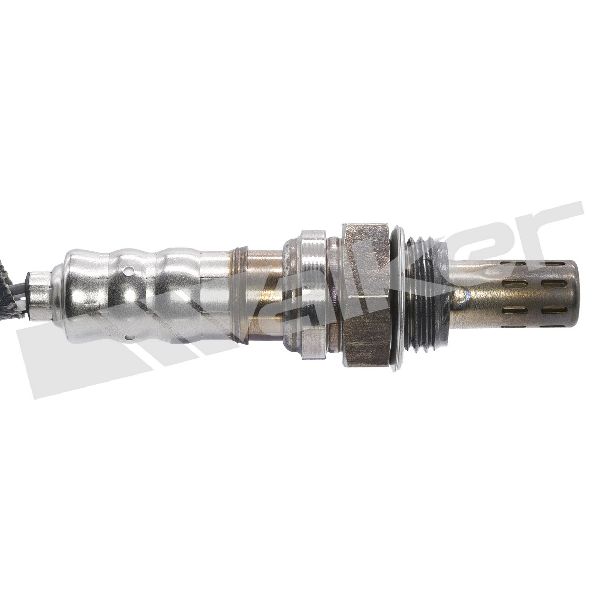
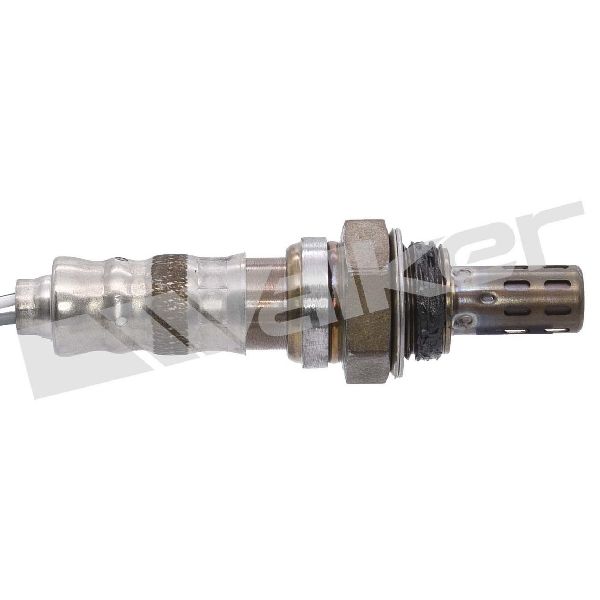
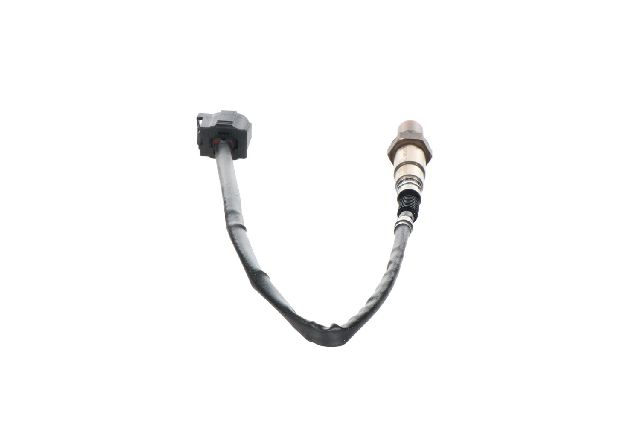
Aftermarket price range: $150-$250 - Downstream Oxygen Sensor (Bank 2, Sensor 2)
(OEM #Mopar 68090640AA (superseded by 68243213AA))— If an exhaust leak is not present, the next most likely cause is a faulty sensor providing incorrect lean readings.
Trusted brands: Mopar, NTK, Denso
OEM price range: $80-$120
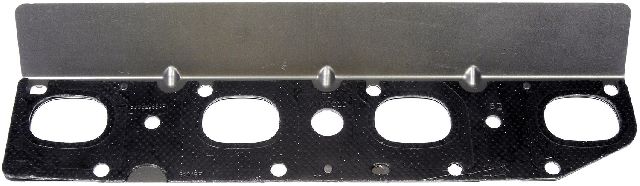
Aftermarket price range: $50-$90 - Exhaust Manifold Gasket Set — Always required when replacing the exhaust manifold to ensure a proper seal.
Trusted brands: Fel-Pro, Remflex, Mopar
OEM price range: $30-$50
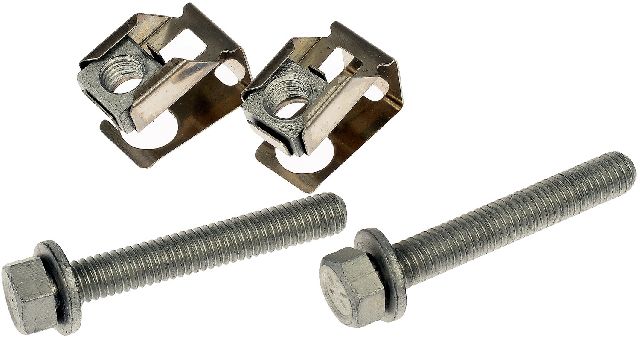
Aftermarket price range: $20-$40 - Exhaust Manifold Bolt & Stud Kit — The original bolts are prone to breaking and should be replaced when the manifold is serviced.
Trusted brands: Dorman, Mopar
OEM price range: $40-$60
Aftermarket price range: $25-$45
Related Codes That Often Appear With This One
- P2096 — This is the equivalent lean code for Bank 1 (driver's side). If both P2096 and P2098 appear, it strongly points to a systemic issue affecting the whole engine, such as a major vacuum leak (like loose intake manifold bolts), low fuel pressure, or a MAF sensor issue.
- P0153 — This code indicates a 'Slow Response' from the Bank 2, Sensor 1 (upstream) O2 sensor. A failing upstream sensor can cause the PCM to make incorrect fuel adjustments, which can then be flagged by the downstream sensor, triggering P2098. A user on RamForum.com reported having both codes appear together.
- P0300 — A random misfire code can be associated with lean conditions. A vacuum leak that triggers P2098 can also cause misfires. On platform mates like the Jeep Grand Cherokee with the 5.7L engine, P2098 is known to appear alongside misfire codes.
Technical Service Bulletins (TSBs) & Recalls
- 18-103-16 REV. B: Involves a PCM software update to improve diagnostic accuracy for a list of DTCs including P2098. It also includes improvements for shift quality and charging system voltage regulation.
- 1810316: An earlier version of the same TSB, also addressing PCM reprogramming for P2098 and other codes. [NHTSA Data]
- 18-077-14: A TSB for 2013 models that also involves a PCM flash to improve diagnostic accuracy for P2098 and other fuel trim codes. [NHTSA Data]
Platform-Specific Known Issues
- Chronic Exhaust Manifold Failure: The cast iron exhaust manifolds on 5.7L HEMI engines are highly susceptible to warping and cracking due to thermal stress and design. This is often accompanied by the snapping of the manifold mounting bolts, creating a significant exhaust leak right before the primary oxygen sensor. This issue is so common that many owners refer to the resulting sound as the 'Hemi Tick'.
- Sensitive PCM Software: Multiple Technical Service Bulletins (TSBs), including #18-103-16 REV. B, mention P2098 in the context of PCM software updates designed to improve diagnostic accuracy and reduce false MIL illumination, indicating that the original software may have been too sensitive to minor exhaust fluctuations.
- Loose Intake Manifold Bolts: A less common but notable issue on the 5.7L HEMI is the tendency for the intake manifold bolts to loosen over time, causing a vacuum leak that can trigger lean codes like P2098. Owners on forums recommend checking the torque on these bolts (108 in-lbs) periodically.
Mechanic-Grade Diagnostic Values
- Downstream O2 Sensor Voltage (at idle, warm engine) — expected: Relatively steady 0.7V - 0.8V.. Failure: Voltage is stuck low (below 0.2V) or fluctuating rapidly like an upstream sensor.
- O2 Sensor Circuit Test (KOEO, sensor disconnected) — expected: Scan tool should show 5.0 volts on the signal circuit. When jumping the signal circuit to the return circuit, voltage should drop to 2.5 volts.. Failure: Voltage does not read 5.0V or does not drop to 2.5V when jumped, indicating a wiring or PCM issue.
- Fuel Pressure (KOER - Key On, Engine Running) — expected: Approximately 58 psi +/- 5 psi.. Failure: Significantly lower pressure (e.g., below 40 psi) indicates a weak fuel pump or clogged filter.
- O2 Sensor Heater Control Circuit Resistance — expected: Resistance to ground should be above 5.0 ohms.. Failure: Resistance below 5.0 ohms indicates a short in the heater control circuit.
Wiring & Ground Locations
- Bank 2 Downstream O2 Sensor Connector — On the passenger side of the vehicle, following the exhaust pipe downstream from the catalytic converter. The connector is typically attached to a bracket on the transmission or frame rail.. This is the primary connector to inspect for corrosion, damage, or loose pins. It contains the signal, heater, and ground circuits for the sensor triggering the P2098 code.
- Engine Ground Strap — A primary ground strap connects from the back of the passenger side cylinder head to the firewall/body.. A poor or corroded engine ground can cause erratic sensor readings and phantom electrical issues. While not a direct cause, ensuring this ground is clean and tight is a crucial step in diagnosing any sensor-related trouble code.
- O2 Sensor Pinout (Typical 4-wire) — At the sensor connector.. Understanding the pinout is required for manual testing. A typical 4-wire sensor has two wires for the heater (power and ground), one for the signal voltage, and one for the sensor ground/return. For this specific vehicle, the signal circuit is (K243) and the return is (K904).
Real Owner Repair Stories
- RamForumZ.com user (2012 Ram 1500 5.7L HEMI) — P2098 code
❌ Tried (didn't work) Replaced Bank 2 downstream O2 sensor, Replaced Bank 2 upstream O2 sensor, Replaced catalytic converter on Bank 2
✅ What actually fixed it The user discovered a loose spark plug on cylinder #8 (passenger side, rearmost cylinder). After tightening the spark plug to the correct torque, the P2098 code was resolved.
"I Checked Everything" — The Actual Cause
- In one documented case, after replacing both O2 sensors and the catalytic converter to no avail, the root cause of a persistent P2098 was found to be a loose spark plug on the same bank. The unseated plug allowed unmetered air/unburnt fuel into the exhaust stream during the combustion cycle, which was then detected by the downstream O2 sensor as a lean condition, even though there were no leaks in the exhaust piping itself.
OEM Part Supersession History
68090640AA→68243213AA— Standard part number update by Mopar. The newer part is the current service replacement.
Model Year Variations Within This Range
- 2011-2015: These models do not have a Schrader valve on the fuel rail for easy fuel pressure testing. A special adapter that splices into the quick-disconnect fuel line is required to hook up a fuel pressure gauge.
Helpful Videos

We Have This Part in Stock


The information in this article is provided for general reference and educational purposes only. Vehicle specifications, procedures, and part compatibility can vary by production date, trim level, and region. Always consult your vehicle's factory service manual and verify part numbers before purchasing or performing repairs. Safety-critical components such as airbags, seat belts, and braking systems should be installed by a qualified professional.
- Ram 1500:
- 🎬 Helpful Videos
- 🛍️ Shop This Part
- What's Unique About the 2011-2015 Ram 1500
- Diagnostic Flowchart
- Symptoms You May Notice
- Most Likely Causes
- Rare But Worth Checking
- Diagnosis Steps
- Parts You'll Likely Need
- Related Codes That Often Appear With This One
- Technical Service Bulletins (TSBs) & Recalls
- Platform-Specific Known Issues
- Mechanic-Grade Diagnostic Values
- Wiring & Ground Locations
- Real Owner Repair Stories
- "I Checked Everything" — The Actual Cause
- OEM Part Supersession History
- Model Year Variations Within This Range
- 🎟️ Get 5% Off