

P2097 on 2016 Land Rover Discovery: Post-Catalyst Fuel Trim Too Rich (Bank 1) Causes & Fixes
On a 2016 Land Rover Discovery with the 3.0L V6, code P2097 is most often caused by a software error in the Powertrain Control Module (PCM). The primary fix is a software update from a Land Rover dealer, not a part replacement. Check for TSBs before buying any parts, as this is a well-documented issue across the JLR platform.
- For a 2016 Discovery, P2097 is very often a software problem, not a hardware failure.
- Always check with a Land Rover dealer for applicable TSBs and available PCM software updates before replacing any parts.
- If the software is up-to-date, the next most likely causes are an exhaust leak or a faulty downstream oxygen sensor on Bank 1.
- Ignoring the code can lead to reduced fuel economy and potential long-term damage to the catalytic converter.
What's Unique About the 2016-2016 Land Rover DISCOVERY
Unlike many vehicles where P2097 points to a bad oxygen sensor or exhaust leak, on this specific Land Rover platform, the manufacturer has issued multiple Technical Service Bulletins (TSBs) indicating the root cause is frequently a software issue. TSB SSM73051 notes a "concern in the PCM diagnostic software has been discovered, which when combined with a specific customer drive cycle can" trigger the code. [SSM73051, 8] This makes it critical for owners to investigate a PCM software update before spending money on parts, a common misdiagnosis.
Diagnostic Flowchart
Tap your situation to follow the diagnostic path that matches what you're seeing on this vehicle.
Symptoms You May Notice
- Check Engine Light (Malfunction Indicator Lamp) is illuminated.
- Reduced fuel economy.
- Poor engine performance, such as hesitation or rough idle.
- In rare cases, black smoke from the exhaust.
- A strong smell of fuel or 'rotten eggs' from the exhaust.
- Replacing the oxygen sensor without first checking for PCM software updates. Given the numerous TSBs, a software check should always be the first diagnostic step for this vehicle and code.
- Replacing the catalytic converter. The P2097 code indicates a problem with the fuel mixture *reported* by the post-cat sensor, not necessarily a problem with the converter itself. The converter is often the victim, not the cause.
Most Likely Causes
- Powertrain Control Module (PCM) Software Error 🔴 High Probability Multiple TSBs (N272NAS1, NAS18.12.016, SSM73051) confirm the original PCM software is overly sensitive and can incorrectly flag a rich condition. [SSM73051, N272NAS1, NAS18.12.016] This is the most widely reported and documented cause for this specific vehicle and engine family.
How to confirm: Contact a Land Rover dealer with your vehicle's VIN. Ask them to check if TSBs N272NAS1, NAS18.12.016, or SSM73051 are open for your vehicle and if a PCM software update is available. The dealer can connect their diagnostic tool to check the current software version.
Typical fix: Update the PCM software to the latest version. This is a labor-only task performed by the dealer using their proprietary diagnostic equipment.
Est. part cost: $0 - Failing Downstream Oxygen (O2) Sensor (Bank 1, Sensor 2) 🟡 Medium Probability Oxygen sensors are wear-and-tear items exposed to extreme heat. However, on this platform, it should only be considered after software issues are ruled out. A faulty sensor can send an incorrect rich signal even if the fuel mixture is normal.
How to confirm: Use a scan tool to monitor the live voltage data from the Bank 1, Sensor 2 O2 sensor. A healthy downstream sensor's voltage should be relatively steady around 0.45V to 0.7V when the engine is warm and in closed loop. If it's stuck high (above 0.8V) or fluctuating wildly like the upstream sensor, it is likely faulty.
Typical fix: Replace the Bank 1, Sensor 2 oxygen sensor. On this vehicle, it is the 'Rear Left' sensor.
Est. part cost: $80-$200 - Exhaust System Leak 🟡 Medium Probability Gaskets and pipe connections can degrade over time. On the Discovery 4 platform, leaks are sometimes reported at the exhaust manifold gaskets or the crossover pipe. A leak *before* the rear O2 sensor can draw in outside air, confusing the sensor and causing the PCM to make incorrect fuel adjustments that lead to a rich condition.
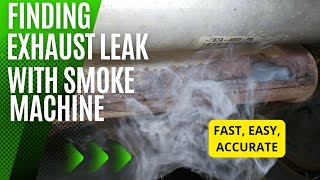
How to confirm: Perform a visual inspection of the exhaust system for soot trails, especially around gaskets and welds. Listen for ticking or hissing sounds that are more pronounced on a cold start. The most effective method is to have a shop perform an exhaust smoke test, 🎬 Watch: How to find an exhaust leak with a smoke machine. keeping test pressure below 7.5 PSI to avoid damage.
Typical fix: Tighten loose clamps or replace the leaking gasket or exhaust pipe section. Manifold gasket replacement can be labor-intensive. Exhaust manifold-to-catalytic-converter bolts should be torqued to 24Nm (18 lb-ft).
Est. part cost: $20-$300 - Leaking Fuel Injector(s) on Bank 1 ⚪ Low Probability While not a widespread issue, an injector can become stuck partially open, dumping excess fuel into a cylinder and creating a genuine rich condition.
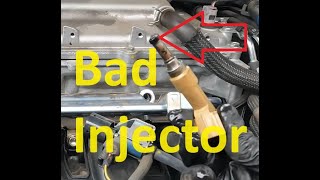
How to confirm: Analyze fuel trim data with a scan tool. If long-term fuel trims are highly negative for Bank 1 (e.g., -10% or more), it confirms the PCM is trying to correct a rich condition. A professional can perform a fuel pressure leak-down test or remove the injectors for flow testing and cleaning. 🎬 See this guide on how to test for a failed fuel injector.
Typical fix: Replace the faulty fuel injector(s) on Bank 1.
Est. part cost: $100-$250 per injector
Rare But Worth Checking
- Failing Catalytic Converter: While this code usually points to an issue *before* the converter, a partially clogged or contaminated converter can sometimes affect downstream sensor readings and trigger a P2097. This is more commonly associated with a P0420 (Catalyst Inefficiency) code, but it's a possibility if all other causes are ruled out.
- High Fuel Pressure: A faulty fuel pressure regulator could cause system-wide high pressure, leading to a rich condition. This would typically affect both engine banks and may set a P2099 (Bank 2 Rich) code as well.
Diagnosis Steps
- Connect an OBD-II scanner and verify that P2097 is the primary code. Note any other codes, such as P2096, P0170, or misfire codes.
- CRITICAL STEP: Contact a Land Rover dealership with your VIN. Inquire about open TSBs related to P2097, specifically N272NAS1, NAS18.12.016, and SSM73051. Ask if a PCM software update has been performed. If not, this is the most likely fix and should be done first.
- If the software is up-to-date, perform a thorough visual inspection of the exhaust system for any signs of leaks, cracks, or loose connections, particularly at the exhaust manifold and crossover pipe. A professional smoke test is the best method to find small leaks.
- Use a scan tool to observe live data. Monitor the voltage of the Bank 1 Sensor 2 (downstream) O2 sensor. It should be relatively stable between 0.45V and 0.7V. If it is stuck high (e.g., >0.82V), this confirms a rich reading is being sent to the PCM.
- Check the long-term fuel trim (LTFT) values for Bank 1. A significantly negative value (e.g., -10% or more) indicates the PCM is actively trying to reduce fuel to correct a perceived rich condition.
- If no exhaust leaks are found and fuel trims confirm a rich condition, consider testing or replacing the Bank 1 Sensor 2 O2 sensor, especially if its voltage readings were erratic or stuck high.
- If the problem persists after a software update and sensor replacement, more advanced diagnostics are needed to check for leaking fuel injectors or high fuel pressure, which are less common but possible causes.
Parts You'll Likely Need
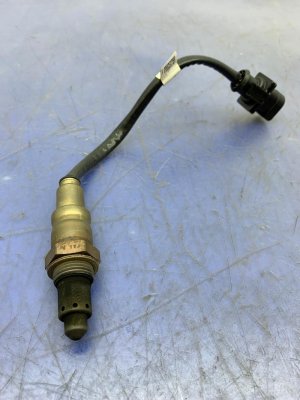
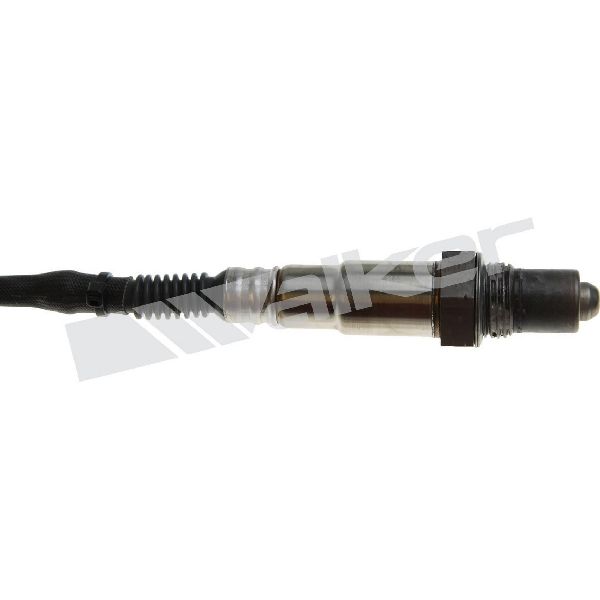
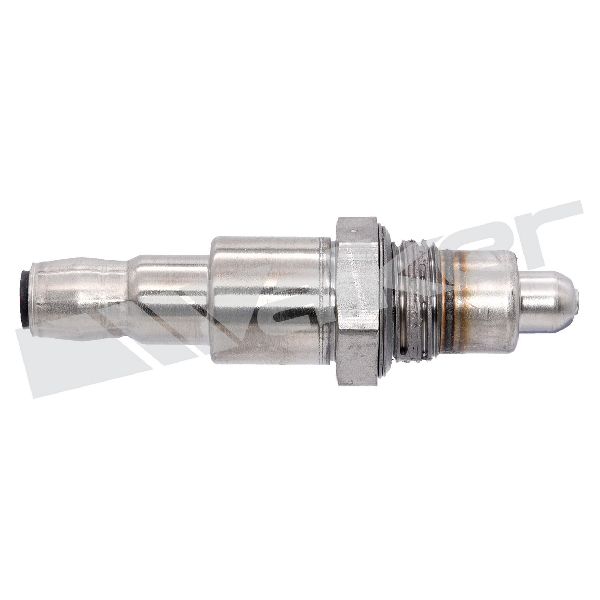
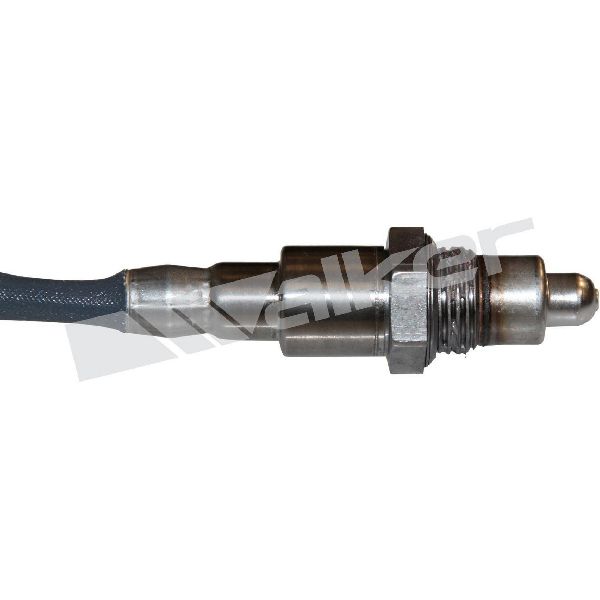
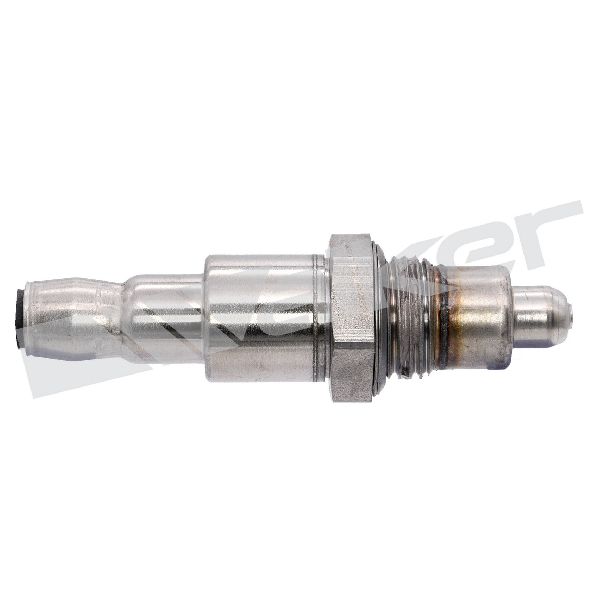
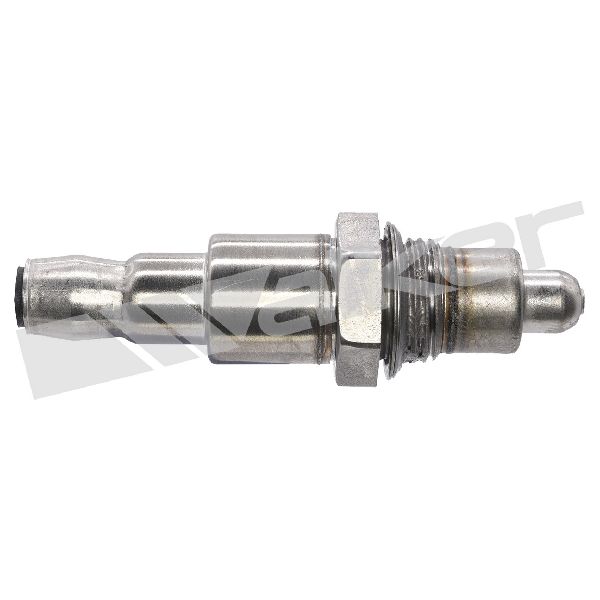
- Downstream Oxygen Sensor (Bank 1, Sensor 2)
(OEM #LR052425)— If a PCM software update does not resolve the issue, the sensor providing the reading is the next most likely culprit. It is a common wear item. This part is specified as the 'Rear Left' sensor.
Trusted brands: Bosch, Denso, Walker Products
OEM price range: $150-$220
Aftermarket price range: $80-$140
Related Codes That Often Appear With This One
- P2096 — This is the 'too lean' counterpart to P2097. The same TSBs from Land Rover mention that the PCM software issue can cause either P2096 or P2097 to be stored, as the core problem is 'incorrect catalyst fueling adaption'. [N272NAS1, 8]
- P0300-P0306 — These are misfire codes. TSB LTB00902NAS2 explicitly states that after P2097 is stored, misfire-related codes may also appear. [LTB00902NAS2] A persistent rich condition can foul spark plugs, leading to misfires.
- P0170 — This code for 'Fuel Trim Malfunction (Bank 1)' has been reported by owners in conjunction with P2097. It indicates a more general problem with the fuel control system on that bank, reinforcing the need to check fuel trims during diagnosis.
Technical Service Bulletins (TSBs) & Recalls
- N272NAS1 / NAS18.12.016: States that 'catalyst fueling adaption may be incorrect', causing the MIL to illuminate with P2096 or P2097.
- LTB00902NAS5: Notes 'Engine MIL Illumintaed with DTC P2096-00 or P2097-00 stored'.
- SSM73051: Identifies a 'concern in the PCM diagnostic software' related to specific drive cycles as a cause.
- LTB00902NAS2: Mentions that after P2097 is stored, misfire-related DTCs may also appear.
Platform-Specific Known Issues
- The primary vehicle-specific issue is the PCM's sensitivity to certain driving cycles, which can cause it to incorrectly store a P2097 code. TSB SSM73051 directly attributes the problem to 'A concern in the PCM diagnostic software... combined with a specific customer drive cycle'. [SSM73051, 8] This software calibration issue is the most unique aspect of this code on the JLR 3.0L SC V6 platform.
Mechanic-Grade Diagnostic Values
- Downstream O2 Sensor (Bank 1, Sensor 2) Voltage — expected: Relatively steady, around 0.45V to 0.7V on a warm, running engine in closed loop.. Failure: Stuck high (above 0.82V) or fluctuating rapidly like the upstream sensor.
- Exhaust Manifold-to-Catalytic-Converter Bolt Torque — expected: 24Nm (18 lb-ft).. Failure: Loose bolts can cause an exhaust leak, a potential cause of P2097.
- Exhaust System Smoke Test Pressure — expected: Test pressure should not exceed 0.5 bar (7.5 psi).. Failure: Exceeding this pressure during a smoke test can damage components.
Scan Tool Commands That Help
- JLR SDD (Symptom Driven Diagnostics) or Pathfinder: Reset Adaptations / Clear Fuel Trim Adaptations — After performing a repair such as replacing an O2 sensor or fixing an exhaust leak, the fuel trim adaptations must be reset. This forces the PCM to relearn long-term fuel strategies with the new or repaired components, preventing the old, incorrect learned values from re-triggering the code.
Wiring & Ground Locations
- Downstream O2 Sensor Connector — On the exhaust pipe, after the catalytic converter on the passenger side.. The connector shell for the downstream O2 sensor on Land Rover vehicles is typically grey, helping to distinguish it from the upstream sensor's orange connector during inspection or replacement.
- ECM Connector C0635 (Downstream O2 Sensor Signal) — At the Engine Control Module (ECM/PCM).. On similar JLR platforms, the signal for the downstream Bank 1 (LH) O2 sensor is routed to a specific pin (e.g., pin 17 on connector C0635 on a Discovery 2). This allows for targeted continuity and voltage checks at the ECM if a wiring fault is suspected between the sensor and the computer. It is critical to use the correct workshop manual for the 2016 Discovery 4 to verify the exact pin.
- Engine Ground Points (e.g., G1D130A) — Typically located on the chassis rails in the engine compartment.. The ECM and its sensors, including O2 sensors, rely on clean ground connections to function properly. A loose or corroded main engine ground can introduce electrical noise and cause erratic sensor readings, potentially leading to incorrect fuel trim calculations and codes like P2097.
Helpful Videos
Used OEM Parts in Stock


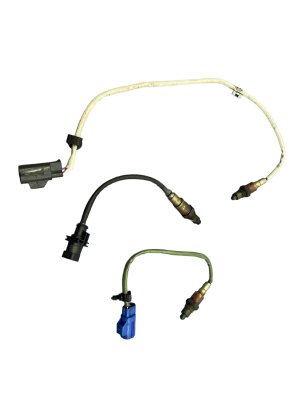
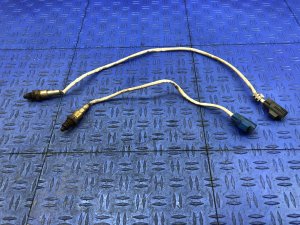
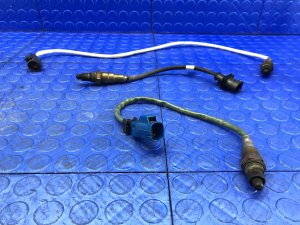
New Aftermarket Parts Available
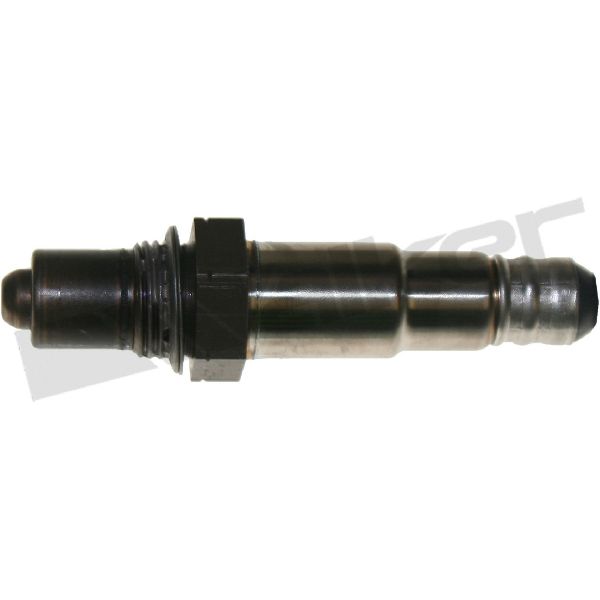

The information in this article is provided for general reference and educational purposes only. Vehicle specifications, procedures, and part compatibility can vary by production date, trim level, and region. Always consult your vehicle's factory service manual and verify part numbers before purchasing or performing repairs. Safety-critical components such as airbags, seat belts, and braking systems should be installed by a qualified professional.
- Land Rover DISCOVERY:
- 🎬 Helpful Videos
- 🛍️ Shop This Part
- What's Unique About the 2016-2016 Land Rover DISCOVERY
- Diagnostic Flowchart
- Symptoms You May Notice
- Most Likely Causes
- Rare But Worth Checking
- Diagnosis Steps
- Parts You'll Likely Need
- Related Codes That Often Appear With This One
- Technical Service Bulletins (TSBs) & Recalls
- Platform-Specific Known Issues
- Mechanic-Grade Diagnostic Values
- Scan Tool Commands That Help
- Wiring & Ground Locations
- 🎟️ Get 5% Off