

P2097 on 2019-2023 Genesis G70 3.3T: Causes and Fixes for Rich Fuel Trim
On a 2019-2023 Genesis G70 3.3T, code P2097 is most often caused by a failing downstream oxygen sensor on the passenger side (Bank 1) or an exhaust leak near that sensor. The OEM replacement sensor is part number 39210-3L550. Before replacing parts, check for exhaust leaks and verify if your VIN is part of the High-Pressure Fuel Pump (HPFP) recall (023G), as a faulty HPFP can also cause this rich condition.
- P2097 means the passenger side downstream O2 sensor is detecting a rich fuel mixture.
- The most likely cause is a bad O2 sensor itself (OEM P/N 39210-3L550), a straightforward DIY replacement for about $100-150.
- Before replacing any parts, check for exhaust leaks between the catalytic converter and the sensor.
- Check if your vehicle is affected by the High-Pressure Fuel Pump recall (023G), as this is a known platform issue that can cause a rich condition.
What's Unique About the 2019-2023 Genesis G70
While P2097 is a generic code, the Genesis G70 3.3T and its platform-mate, the Kia Stinger GT, have a specific issue to be aware of. Genesis issued a recall (023G / TSB 24-01-076G) for a potentially faulty High-Pressure Fuel Pump (HPFP) that can cause an excessively rich fuel mixture. While the recall primarily looks for code P0088 (Fuel Rail Pressure Too High), a failing HPFP could certainly be the underlying cause for a P2097 code if the condition isn't severe enough to set the pressure code. This is a key platform-specific check if the more common O2 sensor or exhaust leak diagnoses don't resolve the issue.
Symptoms You May Notice
- Check Engine Light is on
- Reduced fuel economy
- Rough or erratic idle
- Slight hesitation during acceleration
- A smell of gasoline or black smoke from the exhaust in some cases
- Replacing the catalytic converter without first thoroughly testing the oxygen sensors and checking for exhaust leaks. A bad sensor can mimic a bad converter.
Most Likely Causes
- Failing Bank 1 Downstream Oxygen (O2) Sensor 🔴 High Probability O2 sensors are wear-and-tear items that degrade over time from heat and contaminants, leading to inaccurate readings that trick the ECM.
How to confirm: Use a scan tool to monitor the live voltage data from the Bank 1 Sensor 2 (downstream, passenger side). A healthy downstream sensor should show a relatively steady voltage (around 0.45V). If it's fluctuating wildly like the upstream sensor or is stuck at a high voltage (above 0.8v), it's likely faulty. The best confirmation is to swap the downstream sensors from Bank 1 and Bank 2. If the code changes to P2099 (Bank 2 Rich), the sensor is confirmed bad.
Typical fix: Replace the Bank 1, Sensor 2 oxygen sensor. The OEM part number is 39210-3L550.
Est. part cost: $60-$150 - Exhaust Leak 🟡 Medium Probability Exhaust gaskets and welds can fail over time, allowing outside air to be pulled into the exhaust stream between the engine and the O2 sensor. This can trick the O2 sensor into providing an incorrect reading to the ECM.
How to confirm: Visually inspect the exhaust system from the passenger-side catalytic converter back. Look for black soot marks around flanges and welds, which indicate a leak. For small, hard-to-see leaks, a professional smoke test is the most effective diagnostic method.
Typical fix: Repair the leak, which may involve replacing a gasket, tightening a flange, or welding a cracked pipe.
Est. part cost: $10-$100 - Failing High-Pressure Fuel Pump (HPFP) ⚪ Low Probability A known issue covered by Genesis Recall 023G (TSB 24-01-076G) affects the HPFP on 2019-2023 models, which can cause an excessively rich fuel condition. This recall specifically mentions that gradual wear of the Fuel Control Valve (FCV) plunger can cause excess fuel to enter the pump.
How to confirm: Check with a Genesis dealer to see if recall 023G is open for your VIN. A technician can check for the related P0088 code and inspect fuel pressure data. If fuel pressure is abnormally high, the HPFP is the likely cause.
Typical fix: The dealer will perform the recall procedure, which involves an ECM update and, if necessary, replacement of the high-pressure fuel pump kit (P/N 35399-2C333QQH).
Est. part cost: $0 if covered by recall
Rare But Worth Checking
- Leaking Fuel Injector(s) on Bank 1: A fuel injector stuck open on one of the passenger-side cylinders will dump excess fuel, leading to a rich condition on that bank. This is less common than a sensor failure but is a possible cause.
- Failing Catalytic Converter: If the catalytic converter is clogged or inefficient, it may not be able to properly process the exhaust gases, leading to an incorrect reading from the downstream O2 sensor. This is an expensive part, so it should be the last thing to check after all other causes are ruled out.
- Mass Airflow (MAF) Sensor Malfunction: A dirty or failing MAF sensor can provide incorrect airflow readings to the ECU, causing it to command an improper fuel mixture that could lead to a rich condition.
Diagnosis Steps
- Scan for any other DTCs. If codes like P0088 or P2099 are present, they can help guide the diagnosis.
- Perform a thorough visual inspection of the Bank 1 (passenger side) exhaust system. Look for any signs of leaks, such as cracks or black soot, especially between the catalytic converter and the downstream O2 sensor.
- Use a scan tool to observe live data. Watch the voltage of the Bank 1 Sensor 2 (downstream O2). It should be relatively stable around 0.45V when the engine is warm. Compare it to Bank 2 Sensor 2. If the Bank 1 sensor is stuck high (above 0.8V) or fluctuating like the upstream sensor, it points to a problem.
- If accessible, swap the downstream O2 sensors between Bank 1 and Bank 2. Clear the codes and drive the vehicle. If the code returns as P2099 (for Bank 2), the O2 sensor you moved is faulty.
- If the code remains P2097 after the swap, the issue is not the sensor. The next step is to perform an exhaust smoke test to find any hard-to-see leaks.
- If no leaks are found, investigate fuel system issues. Check your vehicle's VIN for the HPFP recall (023G). If the recall is open or has been performed, have a technician verify fuel rail pressure to rule out the HPFP as the cause.
Parts You'll Likely Need
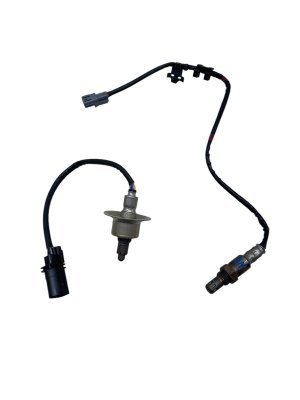
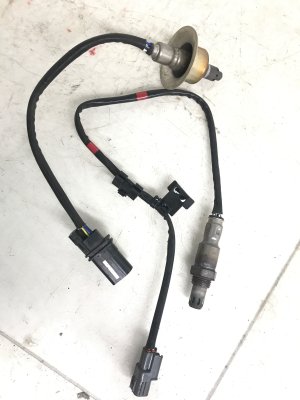
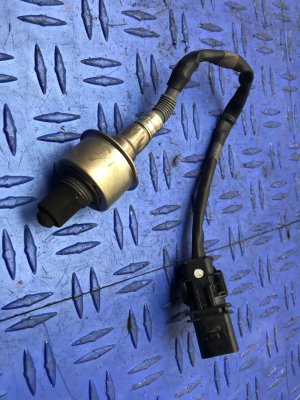
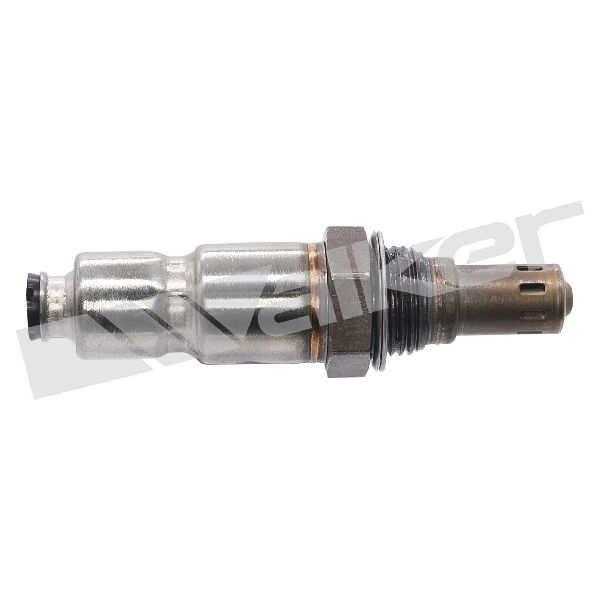
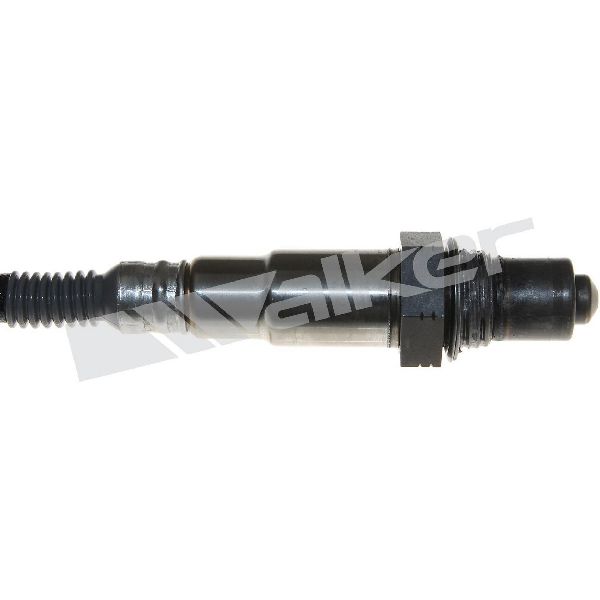
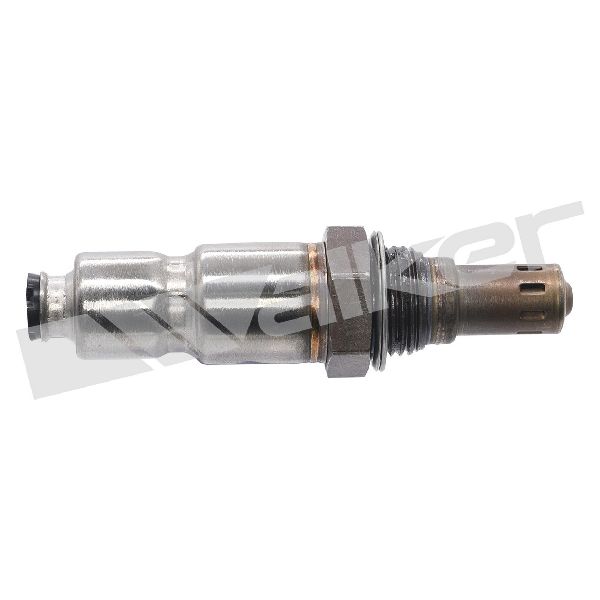
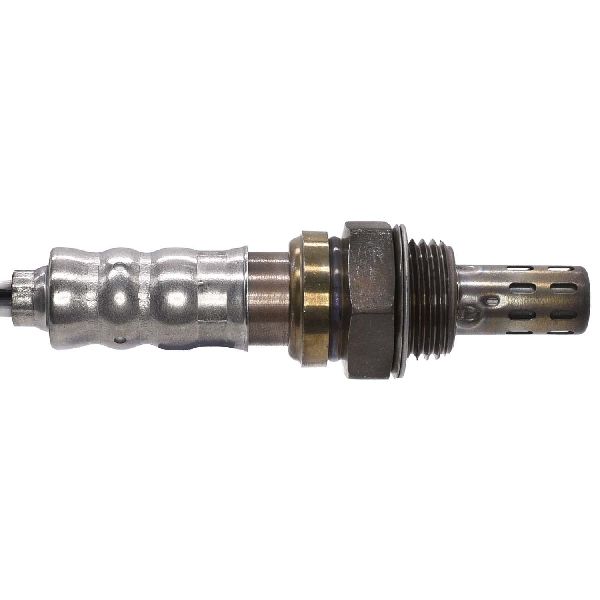
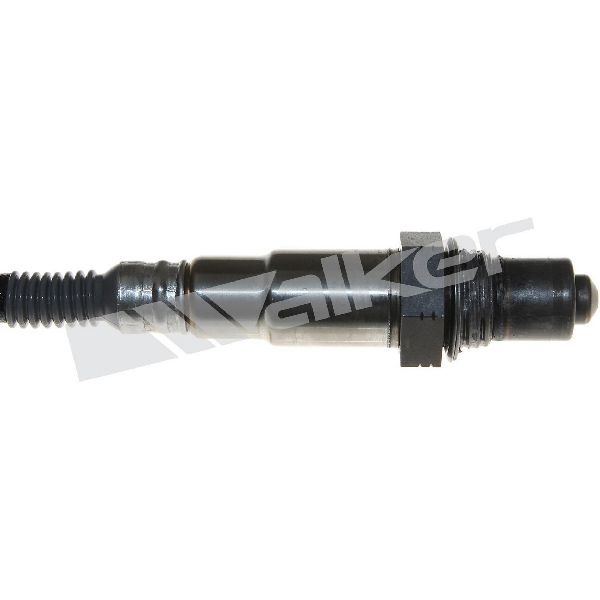
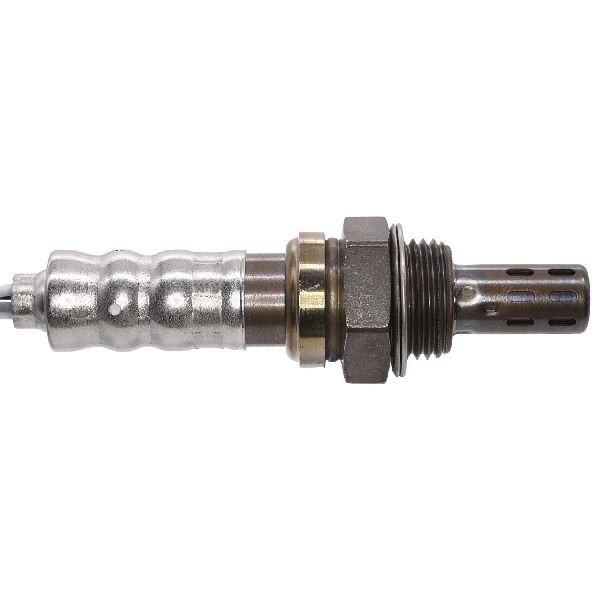
- Downstream Oxygen Sensor (Bank 1, Sensor 2)
(OEM #39210-3L550)— This sensor is directly responsible for the reading that triggers the P2097 code and is a common failure point.
Trusted brands: Bosch, Denso, NGK/NTK, Hyundai/Genesis OE
OEM price range: $120-$200
Aftermarket price range: $60-$150
Related Codes That Often Appear With This One
- P2099 — This is the same 'Post Catalyst Fuel Trim Too Rich' code but for Bank 2 (driver's side). If both appear, it suggests a systemic problem like a faulty fuel pressure regulator or MAF sensor affecting both banks.
- P0088 — This code for 'Fuel Rail/System Pressure - Too High' is directly related to the HPFP recall. If you see P2097 and P0088 together, the HPFP is the primary suspect.
Technical Service Bulletins (TSBs) & Recalls
- 24-01-076G - ECU Update and DTC P0088 Inspection/Repair (Recall 023G) for the High-Pressure Fuel Pump.
- 25-FL-002G - Warranty extension for the HPFP on 2.0T models, which shows a pattern of HPFP issues on the G70 platform.
- 26-01-007G - ECM update for DTC P019100 (Fuel Rail Pressure Sensor Circuit), indicating related fuel system software refinements.
Platform-Specific Known Issues
- Recall 023G / TSB 24-01-076G addresses a faulty High-Pressure Fuel Pump (HPFP) in 2019-2023 G70 models that can wear prematurely and cause an excessively rich fuel condition, potentially leading to a loss of power. While the primary code associated is P0088, this is a plausible underlying cause for P2097.
Mechanic-Grade Diagnostic Values
- Long Term Fuel Trim (LTFT) + Short Term Fuel Trim (STFT) — expected: Total fuel trim should not exceed ±10% at steady RPM.. Failure: A sustained value greater than +10% indicates the system is adding fuel to compensate for a perceived lean condition, while a value less than -10% indicates a rich condition where the system is pulling fuel. For P2097, you would expect to see a negative fuel trim.
- Downstream O2 Sensor (Bank 1, Sensor 2) Voltage — expected: A relatively steady voltage around 0.45V to 0.6V in a closed-loop, warm engine condition.. Failure: A voltage stuck high (e.g., >0.8V) indicates a rich condition. Wild fluctuations similar to the upstream sensor suggest a failing catalytic converter, not a rich condition.
Wiring & Ground Locations
- Dash Fusebox Plug B (ICU Junction Block) — Located at the dash fusebox.. For advanced diagnostics, this connector contains CAN Bus high and low signal wires (Pins 3, 4, 5, 6) which carry data from various modules, including the ECM. Tapping into these can help diagnose communication issues that might indirectly cause sensor reading problems, although this is a very advanced and unlikely diagnostic step for P2097.
Real Owner Repair Stories
- Reddit user on r/MechanicAdvice (Vehicle not specified, but symptoms and code are relevant.) — Check engine light with P2097. On startup, the engine would die as if not getting fuel. When warm, it would drive with stuttering below 3,000 RPM.
❌ Tried (didn't work) Initial self-diagnosis pointed towards fuel issues.
✅ What actually fixed it The dealership diagnosed and replaced a bad fuel pump.
OEM Part Supersession History
39210-3L550→Discontinued— End of life for the part number, though it is still used for vehicle fitment reference by parts suppliers.
Heads up: While the specific OEM part number is listed as discontinued by some Hyundai parts dealers, it is still the correct reference for ordering compatible aftermarket sensors from brands like NTK, Denso, or Bosch. Ensure any replacement cross-references this number.
Model Year Variations Within This Range
- 2022-2023: The G70 received a significant facelift for the 2022 model year, including new front and rear styling and a larger infotainment screen. However, the 3.3T V6 powertrain remained mechanically the same, carrying over the same horsepower and torque figures. A new 'Sport+' driving mode and an optional variable exhaust were added, but these do not fundamentally change the causes or diagnosis for code P2097.
Diagnostic Flowchart
Other Known Issues on This Vehicle
Issues unrelated to this code that are worth knowing about as an owner of this generation:
- Sunroof / Headliner Rattle 🟡 Low — Very common across all model years. Often worse in hot weather. Many owners report the issue. (Ref: No official TSB, but dealers have applied various fixes with mixed success. A common DIY fix involves applying foam tape.)
- Noisy Brakes / Excessive Brake Dust 🟡 Low — Common complaint, particularly with the Brembo brake package. Genesis considers some noise normal for high-performance brakes. (Ref: No specific recall, but general TSBs exist for brake servicing procedures.)
- Turbocharger Oil Feed Pipe Leak 🔴 High — Affects certain 2019-2022 models. Less frequent than other issues but high severity due to fire risk. (Ref: NHTSA Recall 23V-442 (Genesis Campaign 018G) was issued for potential cracking of the left-hand turbo oil supply pipe.)
- Intake Valve Carbon Buildup 🟠 Medium — Inherent to all Gasoline Direct Injection (GDI) engines, including the Lambda II. Becomes more noticeable at higher mileage (50k+ miles), potentially causing rough idle or misfires.
- Jerky Downshifts (3-2, 2-1) 🟡 Low — A common complaint about the 8-speed automatic transmission's behavior in stop-and-go traffic. (Ref: No TSB, but some owners report improvement after a transmission fluid change or TCU reset by the dealer.)
Used vs. New Parts: Buying Guide for This Vehicle
When a used part is the smart pick: For this code, using used parts is generally not recommended. The primary causes are wear-and-tear items (O2 sensor) or complex components (HPFP). A used exhaust component like a catalytic converter could be considered if from a very low-mileage donor, but the risk of it having reduced efficiency is high.
Donor-vehicle mileage cap: roughly under 30000 miles for the part to have meaningful remaining life.
What to inspect on the donor part:
- For an O2 sensor, never buy used. It's a wear item.
- If considering a used catalytic converter, inspect for any rattling (indicating broken substrate), heavy external corrosion, or signs of impact.
- For a used HPFP, there are no reliable visual cues. Given the recall, it's a high-risk part to buy used.
OEM-only on this vehicle (don't cheap out):
- High-Pressure Fuel Pump (HPFP): Due to the specific recall and extended warranty, this part should only be sourced through a Genesis dealer to ensure the latest revised part is used and covered under warranty.
- Catalytic Converter: Aftermarket converters often lack the precious metal loading of OEM units and can fail to meet the ECU's strict efficiency monitoring, leading to recurring codes.
Aftermarket brands forum-validated for this vehicle:
- NTK/NGK: Often the original equipment manufacturer for Hyundai/Genesis O2 sensors.
- Denso: A highly reputable OEM supplier of fuel and emission components.
- Bosch: A well-regarded manufacturer of O2 sensors.
Brands owners have reported issues with on this vehicle:
- Avoid unbranded, generic 'white-box' O2 sensors from online marketplaces. They frequently have high failure rates, incorrect voltage ranges, or short lifespans, leading to a quick return of the trouble code.
Real Owner Stories
Aggregated from forums and TSBs cited above. Mileages and costs reflect what owners reported in those sources.
2023 Kia Stinger GT (3.3T)
Symptoms: Check engine light with codes P2097 and P2099, related to having high-flow catalytic converters.
What fixed it: Clearing the code and disconnecting the battery's ground cable for 30 minutes.
Source hint: Reddit thread titled '2023 Stinger GT2 P042000 P043000' in r/StingerGT
2019-2023 Genesis G70 3.3T
Symptoms: Excessively rich fuel condition and potential loss of power.
What fixed it: Dealer performed Recall 023G, which included an ECM update and replacement of the high-pressure fuel pump kit (P/N 35399-2C333QQH).
Source hint: Recall 023G / TSB 24-01-076G
2019-2023 Genesis G70
Symptoms: Check Engine Light (P2097).
What fixed it: Checking for exhaust leaks and then replacing the downstream O2 sensor.
Source hint: genesisg70.com forum discussions
Related OBD-II Codes
Frequently Asked Questions
Is there a recall for the 2019-2023 Genesis G70 3.3T that could cause a P2097 code?
What is the specific OEM part number for the O2 sensor I need to replace for Bank 1 Sensor 2?
Does the Kia Stinger GT share this same P2097 issue with the G70?
If my G70 has the HPFP recall performed, what parts are replaced?
Can carbon buildup on my GDI engine cause the rich condition associated with P2097?
How can I confirm if the Bank 1 Sensor 2 is actually bad before buying a new one?
Helpful Videos
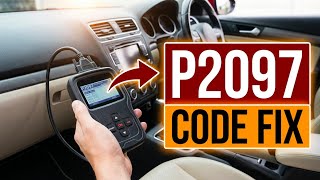

Used OEM Parts in Stock
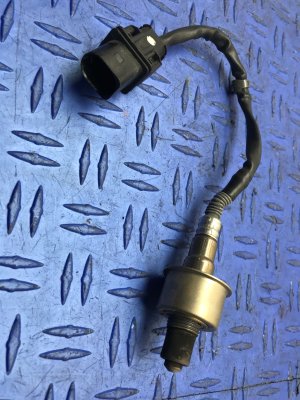
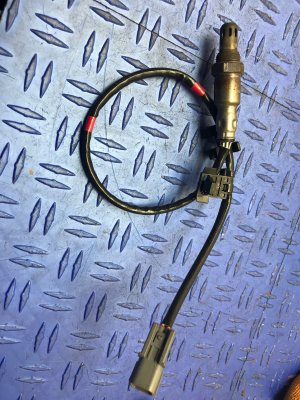
New Aftermarket Parts Available

The information in this article is provided for general reference and educational purposes only. Vehicle specifications, procedures, and part compatibility can vary by production date, trim level, and region. Always consult your vehicle's factory service manual and verify part numbers before purchasing or performing repairs. Safety-critical components such as airbags, seat belts, and braking systems should be installed by a qualified professional.
- Genesis G70:
- 🎬 Helpful Videos
- 🛍️ Shop This Part
- What's Unique About the 2019-2023 Genesis G70
- Symptoms You May Notice
- Most Likely Causes
- Rare But Worth Checking
- Diagnosis Steps
- Parts You'll Likely Need
- Related Codes That Often Appear With This One
- Technical Service Bulletins (TSBs) & Recalls
- Platform-Specific Known Issues
- Mechanic-Grade Diagnostic Values
- Wiring & Ground Locations
- Real Owner Repair Stories
- OEM Part Supersession History
- Model Year Variations Within This Range
- Diagnostic Flowchart
- Other Known Issues on This Vehicle
- Used vs. New Parts: Buying Guide for This Vehicle
- Real Owner Stories
- 2023 Kia Stinger GT (3.3T)
- 2019-2023 Genesis G70 3.3T
- 2019-2023 Genesis G70
- Related OBD-II Codes
- Frequently Asked Questions
- 🎟️ Get 5% Off