

P2097 on 2013-2015 Dodge Challenger: Causes and Fixes for Rich Fuel Trim
On a 2013-2015 Dodge Challenger, code P2097 is most often caused by a faulty downstream oxygen sensor on Bank 1 or outdated powertrain software. For certain 3.6L V6 models with a manual transmission, a dealer software update is a required first step, as confirmed by multiple TSBs. Otherwise, expect to replace the O2 sensor for around $130-$145 for an OEM part.
- For 2014-2015 Challengers (especially 3.6L V6 with manual transmission), your first step should be to check with a Dodge dealer for a required software update, as per multiple TSBs.
- If no software update is needed, the most common cause is a faulty downstream oxygen sensor on Bank 1 (passenger side, after the catalytic converter).
- Do not immediately assume the catalytic converter is bad. This expensive part is often replaced unnecessarily when the true fault lies with a cheaper sensor, an exhaust leak, or software.
- Symptoms are not just a Check Engine Light; you may notice real performance issues like engine hesitation, poor fuel mileage, and a rotten egg smell.
What's Unique About the 2013-2015 Dodge CHALLENGER
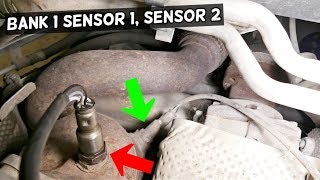
For the Dodge Challenger, particularly models from 2014-2015 equipped with the 3.6L V6 engine (Sales Code ESH) and a manual transmission (Sales Code DEC), this code is specifically addressed by manufacturer Technical Service Bulletins (TSBs). These TSBs, such as #18-094-16 and #18-039-15 REV-A, indicate that the primary fix is often a PCM software update to correct overly sensitive fuel trim logic, rather than a hardware failure. This makes checking for available software updates at a dealership a critical first step before replacing any parts, a unique consideration for this specific vehicle configuration. 🎬 Watch: Locate all four O2 sensors on your Challenger TSBs also exist for V8 models for similar software-related fuel trim and performance issues.
Diagnostic Flowchart
Tap your situation to follow the diagnostic path that matches what you're seeing on this vehicle.
Generation note: The 2013-2015 year range covers the pre-facelift (2013-2014) and the first year of the major facelift (2015) of the first generation (LC) Challenger. The 2015 model year introduced significant updates, including a revised interior, new styling, and an 8-speed automatic transmission. The provided TSBs cover models up to and including 2015, indicating the P2097 issue and its potential software fix are relevant to both pre and post-facelift vehicles within this range.
Symptoms You May Notice
- Check Engine Light is on
- Decreased fuel economy
- Engine bucking or delay feeling at low speeds
- Reduced or less than desired engine performance
- Rough idle
- Rotten egg or sulfur smell from the exhaust
- Black smoke from the tailpipe
- Hesitation during acceleration.
- Engine may stall at idle.
- Replacing the catalytic converter before thoroughly testing the oxygen sensors and checking for software updates.
- Replacing the upstream (Bank 1, Sensor 1) oxygen sensor when the code specifically points to the downstream (post-catalyst) sensor's readings, although it can sometimes be an indirect cause.
- Replacing fuel injectors without confirming they are leaking through proper diagnostic tests.
Most Likely Causes
- PCM Software Requires Update 🔴 High Probability Multiple TSBs (#18-073-20, #18-094-16, #18-039-15 REV-A) were issued by the manufacturer specifically to address this code with a software reflash, especially on 2014-2015 models with the 3.6L V6 and manual transmission. This is a known logic issue where the PCM is too sensitive.
How to confirm: Contact a Dodge dealership with your vehicle's VIN to determine if any open TSBs or software updates apply. The dealer can check this against their service records.
Typical fix: A technician reprograms the Powertrain Control Module (PCM) with the latest software using a proprietary scan tool like wiTECH. The process requires a stable power supply to the vehicle and takes approximately 6-10 minutes for the flash itself.
Est. part cost: $0 - Faulty Downstream Oxygen Sensor (Bank 1, Sensor 2) 🔴 High Probability The downstream O2 sensor's job is to monitor catalytic converter efficiency. Over time, sensors can degrade or fail, sending incorrect 'rich' signals to the PCM. It's a common wear-and-tear item.
How to confirm: Use an OBD-II scanner to monitor the live data for the Bank 1 Sensor 2 voltage. A healthy downstream sensor should show a relatively steady voltage (typically between 0.5V and 0.8V) once the engine is warm. If it's stuck high (above 0.8V) or fluctuating wildly like an upstream sensor, it is likely faulty or biased. A Reddit user with a similar code noted their downstream O2 voltage was steady at 0.65V, which can be a useful baseline, though their issue was on a different vehicle.
Typical fix: Replace the Bank 1, Sensor 2 oxygen sensor. This sensor is located in the exhaust pipe after the catalytic converter on the passenger side of the vehicle. An oxygen sensor socket is recommended for removal.
Est. part cost: $50-$145 - Exhaust Leak (Upstream of the O2 Sensor) 🟡 Medium Probability Leaks from cracked exhaust manifolds, flanges, or bad gaskets before or near the O2 sensors can allow outside air into the exhaust stream. This can fool the upstream O2 sensor into thinking the engine is lean, causing the PCM to add fuel and create an actual rich condition that the downstream sensor then correctly reports.
How to confirm: Perform a visual inspection of the exhaust system from the engine to the catalytic converter. Listen for hissing or ticking sounds that change with engine RPM. A smoke machine test is the most effective way to pinpoint a leak. You can also use soapy water on a cold exhaust and look for bubbles upon startup.
Typical fix: Repair the leak by replacing the faulty gasket, tightening bolts, or welding a crack. In some cases, the exhaust manifold or a section of pipe may need replacement. Exhaust putty can be a temporary fix for small holes.
Est. part cost: $10-$300 - Leaking Fuel Injector(s) on Bank 1 ⚪ Low Probability A fuel injector that is stuck open or leaking will dump excess fuel into one or more cylinders, creating a rich condition that the O2 sensors will detect. This is more common on higher mileage vehicles.
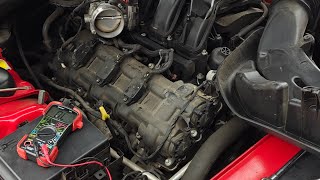
How to confirm: A professional can perform a fuel injector balance test. You can also check fuel trims with a scan tool; if short-term trims on Bank 1 are highly negative at idle, it may indicate excess fuel. Another method is to check the resistance of the injectors with a multimeter; a bad injector may show very low or no resistance. A user on a Challenger forum noted difficulty removing fuel rail bolts, suggesting the job can be mechanically challenging.
Typical fix: Identify and replace the faulty fuel injector(s). It is often recommended to replace all injectors on that bank at the same time. A YouTube video on a Challenger showed this repair fixed misfire and injector circuit codes.
Est. part cost: $50-$150 per injector
Rare But Worth Checking
- Failing Catalytic Converter: While a failing catalytic converter can cause this code, it's more often a symptom of a long-term rich condition rather than the root cause. A clogged converter can cause backpressure and affect sensor readings. Always rule out software, sensors, and leaks first before considering this expensive repair.
- High Fuel Pressure: A faulty fuel pressure regulator can cause system-wide high fuel pressure, forcing all injectors to deliver too much fuel. This would typically affect both engine banks and may trigger codes for Bank 2 (like P2099) as well.
- Faulty Upstream Oxygen Sensor (Bank 1, Sensor 1): Some diagnostic resources suggest a faulty *upstream* O2 sensor can be the culprit. If it incorrectly reads lean, it will command the PCM to add fuel, creating a genuinely rich environment that the downstream sensor accurately reports. This is a less direct cause but worth considering if other fixes fail.
Diagnosis Steps
- Check for TSBs: Contact a Dodge dealer with your VIN to see if software update TSBs #18-073-20, #18-094-16, #18-084-16, #18-039-15 REV-A, or #18-046-15 apply to your vehicle. If so, this is the first and most likely fix, especially for 3.6L manual transmission models.
- Scan Tool Analysis: Use an OBD-II scanner to review live data. Check the long-term and short-term fuel trims for Bank 1. Observe the voltage of the Bank 1 Sensor 2 (downstream) O2 sensor. It should be relatively stable once warm. If it's stuck high (e.g., >0.8V), the sensor is likely biased rich or there's a true rich condition.
- Inspect for Exhaust Leaks: Visually and audibly inspect the exhaust manifold and all piping leading to the catalytic converter for cracks, holes, or bad gaskets. A smoke test is the most reliable method to find small leaks that can throw off sensor readings.
- Inspect for Vacuum Leaks: Although less likely to cause a rich code (more often causes lean codes), check all vacuum hoses for cracks or disconnections, as the fuel system may overcompensate for unmetered air.
- Test Fuel Pressure: Connect a fuel pressure gauge to ensure the pressure is within the manufacturer's specifications. High pressure indicates a potential issue with the fuel pump or pressure regulator.
- Test Fuel Injectors: If other causes are ruled out, perform a fuel injector balance test or check injector resistance with a multimeter to check for leaking or stuck-open injectors on Bank 1.
Parts You'll Likely Need
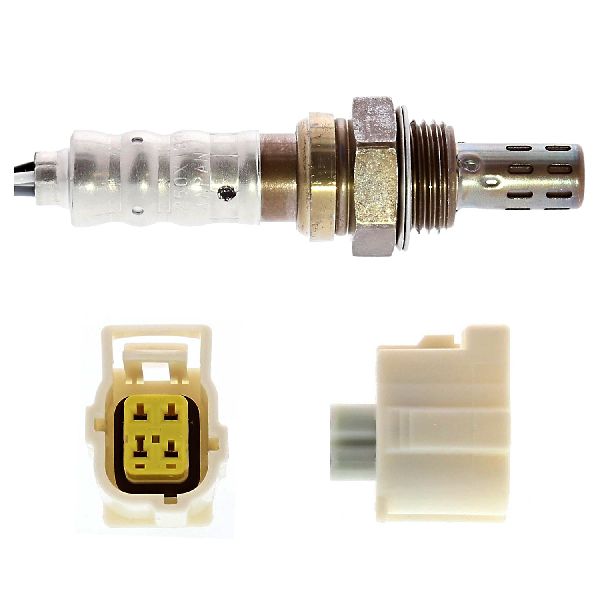
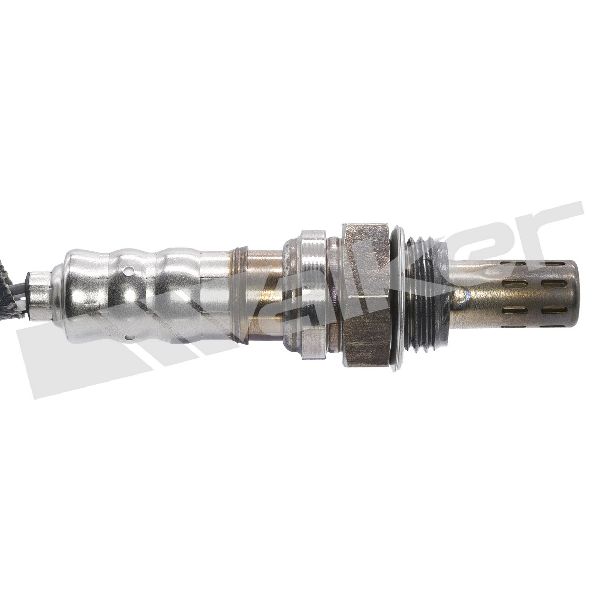
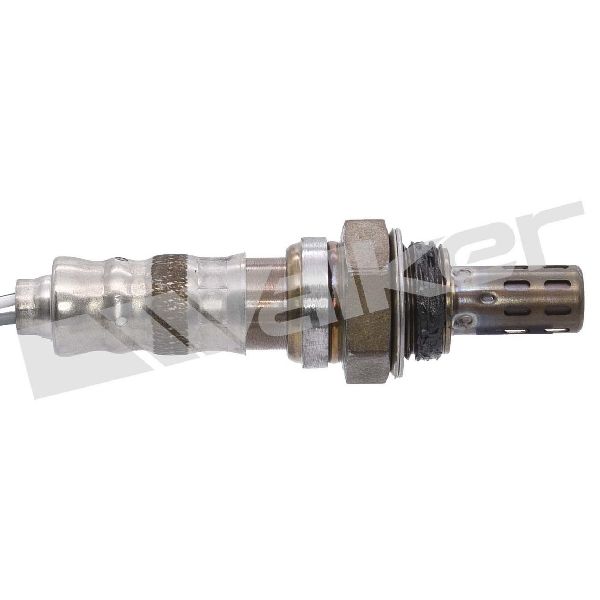
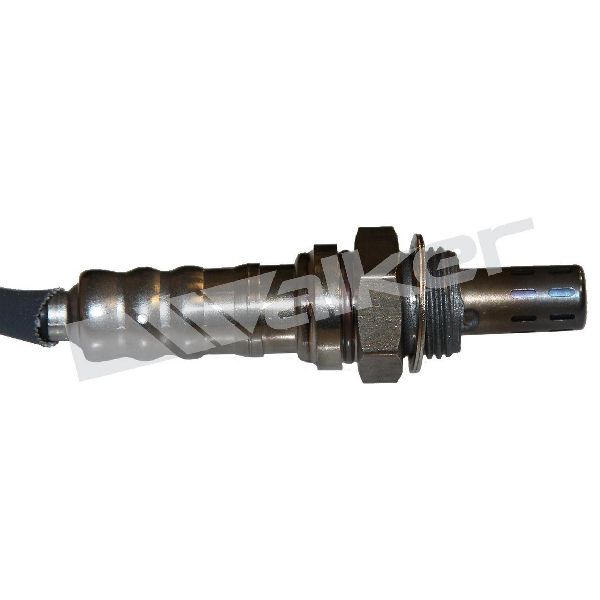
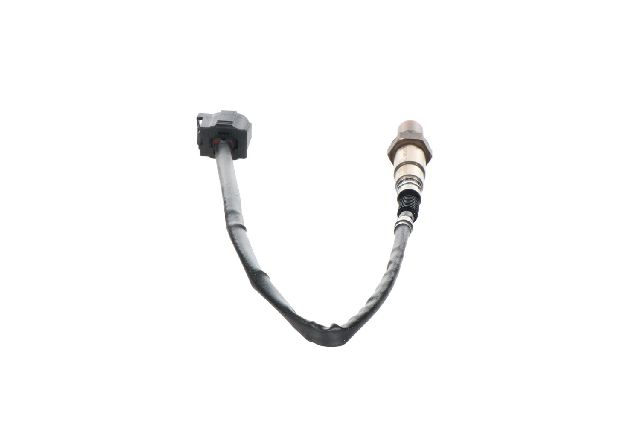
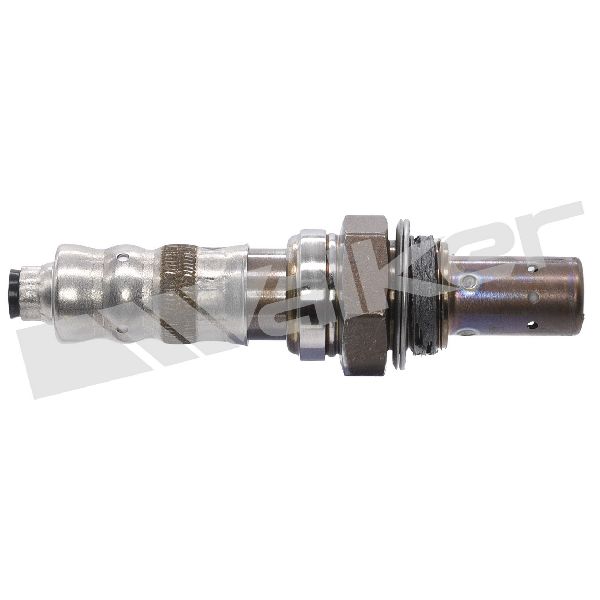
- Downstream Oxygen Sensor (Bank 1, Sensor 2)
(OEM #5149171AB, 05149171AB)— This sensor is the primary input for the P2097 code. It is a common wear item and is often the direct cause if a software update is not required.
Trusted brands: Denso, Bosch, NTK, Mopar
OEM price range: $131-$142.
Aftermarket price range: $50-$100
Related Codes That Often Appear With This One
- P2096 — This is the lean equivalent for Bank 1. Seeing both may indicate an erratic sensor or a complex issue. It is also mentioned alongside P2097 in several TSBs, pointing to a common software logic fault.
- P219A / P219B — These codes indicate an air-fuel ratio imbalance on Bank 1 or 2, respectively. They are listed in the same TSBs as P2097, suggesting a related software logic issue.
- P0300 / P0307 — Misfire codes (general or for a specific cylinder like #7) can occur with a rich condition. Unburnt fuel from a misfire can travel down the exhaust and be read as a rich mixture by the O2 sensor. These are also mentioned in the TSBs.
- P0420 — This code indicates 'Catalyst System Efficiency Below Threshold'. It often appears with P2097 because a long-term rich condition can damage or foul the catalytic converter, reducing its efficiency.
Technical Service Bulletins (TSBs) & Recalls
- 18-073-20
- 18-094-16
- 18-084-16
- 18-039-15 REV-A
- 18-046-15
- 18-037-14
- 18-037-14 REV. B
Platform-Specific Known Issues
- A series of Technical Service Bulletins (TSBs) were released for 2014-2015 models with the 3.6L V6 and manual transmission due to overly sensitive PCM software logic causing this code. A reflash is the prescribed fix.
- TSB 18-039-15 REV. A also addresses P2097 on 2014 models with the 6.4L engine and manual transmission, indicating the software issue was not limited to the V6.
Mechanic-Grade Diagnostic Values
- Downstream O2 Sensor (Bank 1, Sensor 2) Voltage — expected: Relatively steady at approximately 0.45 volts once the engine is at operating temperature.. Failure: A voltage that is stuck high (approaching 0.9 volts) indicates a rich condition or a biased sensor.
- Upstream O2 Sensor (Bank 1, Sensor 1) Voltage — expected: Should rapidly switch between 0.1 volts (lean) and 0.9 volts (rich) on a scan tool.. Failure: A slow-switching or flat-lined sensor is faulty and can cause incorrect fuel commands.
- Fuel Injector Resistance — expected: Typically between 12 and 16 ohms for high-impedance injectors used in most modern gasoline engines.. Failure: A reading significantly outside this range, or 'open' (infinite resistance), indicates a faulty injector.
- Fuel System Pressure — expected: Approximately 3 Bar (43.5 PSI) under normal operating conditions.. Failure: Significantly higher pressure could indicate a faulty fuel pressure regulator, forcing a rich condition.
Scan Tool Commands That Help
- wiTECH (or equivalent professional scan tool): PCM Reprogramming/Flash — This is a primary fix identified in multiple TSBs for the P2097 code on this vehicle. It should be performed by a dealer or qualified shop to update the PCM's logic for fuel trim monitoring, correcting overly sensitive thresholds.
- wiTECH (or equivalent professional scan tool): Live Data Graphing (O2 Sensors, Fuel Trims) — Essential for initial diagnosis to observe sensor behavior in real-time. Used to confirm if the downstream O2 sensor is stuck rich or if the upstream sensor is commanding an incorrect mixture.
Wiring & Ground Locations
- Front Fuse Box (Engine Bay, Passenger Side) — Located in the engine compartment on the passenger side.. Contains fuses and relays critical for engine management and sensor power. For the O2 sensor circuits, check fuses F31, F34, F35, F37, and relay R63.
- Rear Fuse Box (Trunk) — Located in the trunk, behind the battery.. Contains additional relays for engine controls. Check relay R29 for the O2 sensor circuit.
- G2a Ground — Located at the left front of the engine compartment on a 2014 R/T.. A poor engine ground can cause a variety of sensor issues and incorrect readings. Ensuring this ground is clean and tight is a crucial step in diagnosing electrical faults.
- O2 Sensor Heater Circuit Wires — At the O2 sensor connector itself.. A quick field check for the heater circuit, which is essential for sensor warm-up and proper function, can be done by identifying the two wires of the same color (often black) on the sensor side of the harness.
OEM Part Supersession History
68066160AA, 5149171AA→5149171AB— Standard part revision and consolidation by the manufacturer.
Heads up: The newest part number (5149171AB) is the correct replacement for the earlier versions and should be used for repairs.
Model Year Variations Within This Range
- 2015: The 2015 model year marked a significant facelift with revised exterior and interior styling, and the introduction of the 8-speed automatic transmission. While core engines carried over, the TSBs specifically mentioning 2014-2015 models suggest software logic was still being refined post-launch.
- 2014-2015: TSBs #18-094-16 and #18-039-15 REV-A specifically target P2097 on vehicles with the 3.6L V6 (Sales Code ESH) and a manual transmission (Sales Code DEC), indicating a unique software sensitivity for this specific powertrain combination within the larger model range.
Helpful Videos
![How to Fix P2097 Engine Code in 4 Minutes [2 DIY Methods / Only $9.84]](https://img.youtube.com/vi/rCwtzRmhMwY/mqdefault.jpg)

We Have This Part in Stock

The information in this article is provided for general reference and educational purposes only. Vehicle specifications, procedures, and part compatibility can vary by production date, trim level, and region. Always consult your vehicle's factory service manual and verify part numbers before purchasing or performing repairs. Safety-critical components such as airbags, seat belts, and braking systems should be installed by a qualified professional.
- Dodge CHALLENGER:
- 🎬 Helpful Videos
- 🛍️ Shop This Part
- What's Unique About the 2013-2015 Dodge CHALLENGER
- Diagnostic Flowchart
- Symptoms You May Notice
- Most Likely Causes
- Rare But Worth Checking
- Diagnosis Steps
- Parts You'll Likely Need
- Related Codes That Often Appear With This One
- Technical Service Bulletins (TSBs) & Recalls
- Platform-Specific Known Issues
- Mechanic-Grade Diagnostic Values
- Scan Tool Commands That Help
- Wiring & Ground Locations
- OEM Part Supersession History
- Model Year Variations Within This Range
- 🎟️ Get 5% Off