

P2097 on 2016-2018 Chevrolet Volt: Causes and Fixes for Post Catalyst Fuel Trim Too Rich
On a 2016-2018 Chevy Volt, code P2097 is almost always caused by a software issue in the Engine Control Module (ECM) and/or Power Inverter Module (PIM). The primary fix, documented in multiple GM Technical Service Bulletins, is to have a dealer reprogram the modules with an updated calibration. Do not replace any parts before performing this software update, which is often covered under the emissions warranty.
- For a 2016-2018 Chevy Volt, P2097 is most likely a software error, not a hardware failure.
- Your first step should always be to have a GM dealer check for and apply any available software updates for the Engine Control Module (ECM) and Power Inverter Module, referencing Service Update 17058 and TSB 18-NA-047.
- Do not replace the oxygen sensor or any other parts unless the software has been updated and the code still returns.
- The vehicle is safe to drive with this code, as it typically does not cause any performance issues.
- This repair should be covered under the federal or California emissions warranties; be prepared to discuss this with your service advisor.
What's Unique About the 2016-2018 Chevrolet VOLT

The second-generation Chevrolet Volt is unique because General Motors has officially acknowledged that the P2097 code is frequently triggered by a software glitch. Multiple Technical Service Bulletins (TSBs), including Service Update 17058, state that the diagnostic for the post-catalyst oxygen sensor is too sensitive and can falsely report a rich condition when none exists. This means that unlike most vehicles where P2097 would immediately suggest a hardware problem like an exhaust leak or bad sensor, the first and most critical step for a Volt is a software check and update of both the Power Inverter Module and the Engine Control Module.
🎬 Watch a technician diagnose this specific Volt software issue.Diagnostic Flowchart
Tap your situation to follow the diagnostic path that matches what you're seeing on this vehicle.
Symptoms You May Notice
- Check Engine Light (Malfunction Indicator Lamp) is on
- OnStar may send an email or text message reporting an emissions system issue.
- Replacing the downstream oxygen sensor before verifying the ECM and PIM software is up-to-date. Many owners and shops may replace the sensor as a first step, only for the code to return because the root cause is the software calibration.
Most Likely Causes

- Outdated Engine Control Module (ECM) or Power Inverter Module Software 🔴 High Probability GM has issued multiple TSBs (e.g., 18-NA-332, and Service Update 17058) confirming the diagnostic logic is overly sensitive and can falsely trigger the code. This is the most widely documented cause for this specific vehicle, affecting a large number of 2016-2017 models.
How to confirm: A GM dealer or a qualified shop with a subscription to GM's Service Programming System (SPS) must check the current calibration ID in the modules against the latest available versions. The dealer can check for 'open' status on Service Update #17058 in the GM Global Warranty Management system.
Typical fix: Reprogram the Power Inverter Module first, as per Service Update 17058, then reprogram the Engine Control Module (ECM) to the latest software version as specified in TSB 18-NA-047. No parts are typically required for this fix. One owner reported the successful ECM program code was 11YN112741660.
Est. part cost: $0 - Exhaust System Leak ⚪ Low Probability
How to confirm: Visually inspect the exhaust system for cracks or loose connections, especially between the catalytic converter and the downstream O2 sensor. A smoke test can be performed to pinpoint hard-to-see leaks. This should only be investigated after the software updates have been performed.
Typical fix: Repair the leak by replacing the faulty gasket, clamp, or section of exhaust pipe.
Est. part cost: $20-$150 - Failing Downstream Oxygen Sensor ⚪ Low Probability
How to confirm: After confirming the ECM and PIM software are up-to-date, monitor the sensor's voltage on a scan tool. A healthy downstream sensor should show a relatively stable voltage. If it's stuck high (rich) or switching erratically, it may be faulty.
Typical fix: Replace the downstream (post-catalyst) oxygen sensor.
Est. part cost: $50-$150
Diagnosis Steps

- Scan the vehicle for any other stored trouble codes. Address other codes first if they are present, though P2097 often appears alone.
- Crucial Step: Contact a GM dealership or a qualified repair shop to check if the vehicle's software is up to date. Specifically reference Service Update 17058 and TSB 18-NA-332. Ask the service advisor to check the vehicle's history for these specific updates.
- If the software is outdated, have the modules reprogrammed. TSBs specify to first perform the update for the Power Inverter Module (PIM) and then reprogram the Engine Control Module (ECM).
- Clear the codes and drive the vehicle to see if P2097 returns. For most owners, this permanently resolves the issue.
- If the software is current and the code persists, perform a thorough visual inspection of the exhaust system for any leaks between the engine and the downstream O2 sensor.
- If no leaks are found, use a scan tool to monitor the live data from the downstream oxygen sensor (Bank 1, Sensor 2). A healthy sensor's voltage should be relatively steady. If it is stuck high (above 0.8v) or fluctuating wildly, the sensor itself may be faulty.
- As a final, less likely check, inspect for issues that could cause a true rich condition, such as leaking fuel injectors or a faulty fuel pressure regulator.
Parts You'll Likely Need
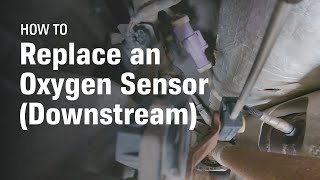
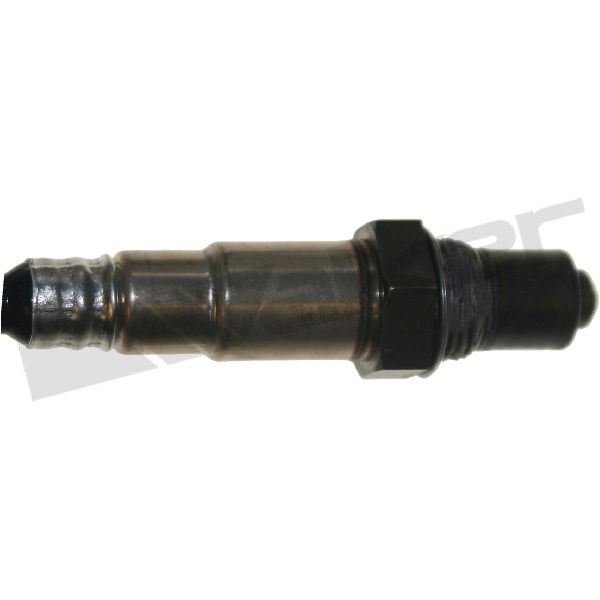
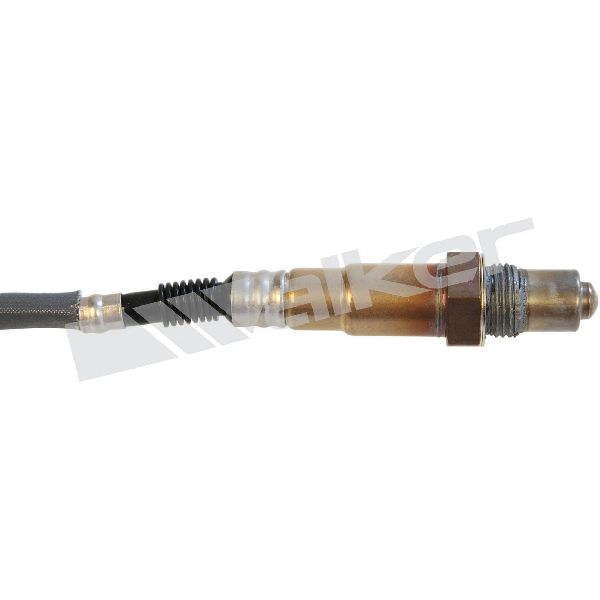
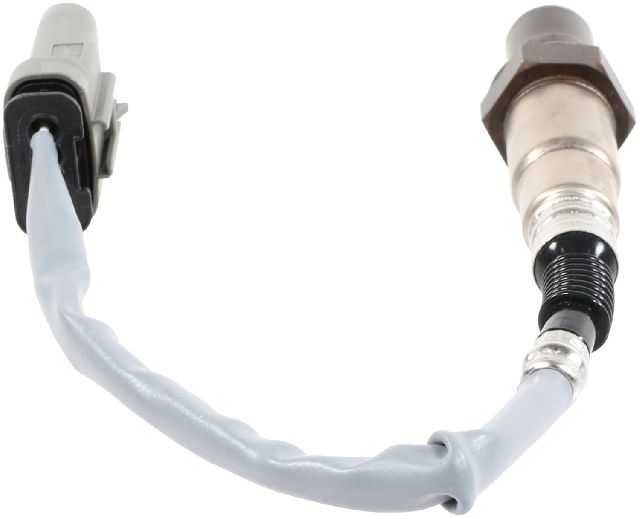
- Downstream Oxygen Sensor
(OEM #12669969)— This part is only needed if the primary software fix fails and the sensor is diagnosed as faulty. It is often replaced unnecessarily. This part is used for both upstream and downstream positions on various GM vehicles.
Trusted brands: ACDelco, Denso, NTK, Bosch
OEM price range: $90-$140
Aftermarket price range: $50-$100
Related Codes That Often Appear With This One
- P0401 (Exhaust Gas Recirculation Flow Insufficient Detected) has been reported by some owners alongside P2097, potentially indicating a separate EGR valve issue or a more complex diagnostic situation.
Technical Service Bulletins (TSBs) & Recalls
- 18NA332: Provides a procedure to reprogram the ECM to correct a condition of the MIL On, DTC P2097 Set.
- PIP5515A-02: Advises technicians not to attempt further repairs if the latest calibration fails to fix the issue, acknowledging a known problem.
- GCUS-3-842 (Service Update 17058): States the post O2 trim diagnostic may falsely fail, causing DTC P2097 to set with no other symptoms, and recommends reprogramming the Drive Motor Power Inverter Module.
- PIP5410D: Advises installing the latest Calibrations into the T6 Power Inverter Module to address a P2097 code.
- 18-NA-047: Instructs technicians to first perform Service Update 17058 (reprogramming the Power Inverter Module) and then to reprogram the Engine Control Module (ECM) to fully address the P2097 code.
Platform-Specific Known Issues
- A persistent software issue where the ECM's diagnostic parameters are too sensitive, leading to a false P2097 code. This is confirmed by GM TSBs #18NA332, #GCUS-3-842, and #PIP5410D.
- TSB #PIP5515A-02 from 2018 noted that even after installing the latest calibration, the code might return. At the time, GM advised technicians to stop repairs and inform the customer that a permanent resolution was still under investigation, highlighting the tricky nature of this software issue.
- Service Update 17058 (also known as GCUS-3-842) was a campaign that affected approximately 31,542 vehicles in the US (specifically 2016-2017 models) to correct the false P2097 code by reprogramming the Drive Motor Power Inverter Module.
- TSB 18-NA-047 clarifies the repair procedure, stating that after the Power Inverter Module is updated per SU 17058, the Engine Control Module (ECM) must also be reprogrammed.
Mechanic-Grade Diagnostic Values
- Downstream O2 Sensor (Sensor 2) Voltage at Idle (Hot Engine) — expected: A relatively stable voltage between 0.4V and 0.8V.. Failure: Voltage fluctuates rapidly similar to an upstream sensor, or is stuck consistently high (above 0.8V) or low (below 0.2V).
Scan Tool Commands That Help
- GM MDI with SPS (Service Programming System): Power Inverter Module – Programming — This is the specific function required to perform Service Update 17058, which is the primary fix for a false P2097 code. After this is complete, the ECM must also be reprogrammed.
Wiring & Ground Locations
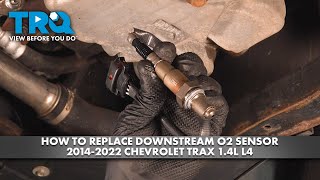
- Downstream O2 Sensor (Sensor 2) — Underneath the vehicle, screwed into the exhaust pipe after the catalytic converter.. This is the sensor that provides the reading that triggers the P2097 code. Its wiring is exposed to road debris and heat.
- G101 / G103 — G101 grounds the ECM and is located on the engine block. G103 is located on the cowl in the engine compartment, above the brake booster, and grounds the BCM and Data Link Connector (DLC).. A poor ground at these locations can cause erratic behavior from the control modules, potentially leading to false codes or communication issues during diagnosis and reprogramming.
- Engine Compartment Fuse Box — Located on the driver's side of the engine compartment.. Contains fuses and relays critical for the Engine Control Module (ECM) and other engine management components that could influence this code.
Real Owner Repair Stories
- YouTube video by a 2017 Volt owner (2017 Chevrolet Volt) — Solid Check Engine Light and an OnStar message about an emissions system issue.
❌ Tried (didn't work) The owner did not try other fixes first, and went to the dealer based on the OnStar alert.
✅ What actually fixed it The dealer identified TSB #18-NA-332 and reprogrammed the ECM with calibration #11YN112741660. The repair was performed for free under the emissions warranty and resolved the code. - Reddit user on r/volt (2017 Chevrolet Volt with 58,550 miles) — Check Engine Light with code P2097.
✅ What actually fixed it The dealer performed the software reprogram as per TSB 18-NA-332, which fixed the code. However, the dealer charged the owner $160 for labor, leading to a dispute over whether it should have been covered by the emissions warranty. - Reddit user on r/volt (2017 Chevrolet Volt LT with 99,600 miles) — Check Engine Light with code P2097, which appeared after a 'Reduced Propulsion' message.
❌ Tried (didn't work) The code temporarily disappeared after fully charging the battery and filling the gas tank.
✅ What actually fixed it The thread provided a clear diagnostic path rather than a final repair confirmation from the original poster. An experienced user advised that the first step should be to check for an ECM software update, and only if that fails to resolve the issue should one consider replacing the post-catalyst O2 sensor.
OEM Part Supersession History
12669969→N/A— This appears to be the current and correct OEM part number for the downstream oxygen sensor.
Heads up: This part number is listed for multiple GM vehicles and positions; however, for the 2016-2019 Volt, it is specified for the 1.5L engine. No supersession information was found during research.
Model Year Variations Within This Range
- 2016-2017: Service Update #17058, a specific campaign to reprogram the Power Inverter Module to fix the false P2097 code, was targeted specifically at 2016 and 2017 model year Volts. This suggests 2018 models may have received an updated calibration from the factory.
Helpful Videos



![How to Fix P2097 Engine Code in 4 Minutes [2 DIY Methods / Only $9.84]](https://img.youtube.com/vi/rCwtzRmhMwY/mqdefault.jpg)
We Have This Part in Stock



The information in this article is provided for general reference and educational purposes only. Vehicle specifications, procedures, and part compatibility can vary by production date, trim level, and region. Always consult your vehicle's factory service manual and verify part numbers before purchasing or performing repairs. Safety-critical components such as airbags, seat belts, and braking systems should be installed by a qualified professional.
- Chevrolet VOLT:
- 🎬 Helpful Videos
- 🛍️ Shop This Part
- What's Unique About the 2016-2018 Chevrolet VOLT
- Diagnostic Flowchart
- Symptoms You May Notice
- Most Likely Causes
- Diagnosis Steps
- Parts You'll Likely Need
- Related Codes That Often Appear With This One
- Technical Service Bulletins (TSBs) & Recalls
- Platform-Specific Known Issues
- Mechanic-Grade Diagnostic Values
- Scan Tool Commands That Help
- Wiring & Ground Locations
- Real Owner Repair Stories
- OEM Part Supersession History
- Model Year Variations Within This Range
- 🎟️ Get 5% Off