

P2097 on 2013-2019 Chevrolet Malibu: Causes and Fixes for Post Catalyst Rich Fuel Trim
On 2013-2019 Malibus, P2097 is often caused by a needed software update, an exhaust leak, loose intake manifold bolts, or a failing downstream O2 sensor. Before replacing parts, check with a dealer for TSB-related ECU reprogramming and inspect for intake/exhaust leaks. If replacing the O2 sensor, use an OEM part and expect to pay $60-$130.
- Before buying any parts for a P2097 code on a 2013-2019 Malibu, contact a dealer to check for required software updates, as this is a very common and low-cost fix.
- If no software update is needed, the most likely culprits are a failing downstream O2 sensor or an exhaust leak before the sensor.
- Do not immediately assume the catalytic converter is bad; it is an expensive part and should be the last item to consider after all other diagnostic steps are completed.
- This code indicates a 'moderate' severity issue. While the car is drivable, ignoring it can lead to failed emissions tests, poor fuel economy, and eventual damage to the catalytic converter.
What's Unique About the 2013-2019 Chevrolet Malibu

For this specific generation of Malibu with the 2.0L and 2.5L engines, P2097 is a well-documented issue with several GM Technical Service Bulletins (TSBs) issued. Unlike many other vehicles where this code points directly to a bad O2 sensor, on the Malibu it can frequently be caused by a software anomaly that requires an ECM reprogram at a dealership. Additionally, TSBs point to specific diagnostic paths involving loose intake manifold bolts, fuel injector testing, and even note that certain driving habits (heavy stop-and-go or rapid acceleration/coasting) can trigger the code without a mechanical fault.
Generation note: The 2013-2019 year range covers two generations of the Chevrolet Malibu: the 8th generation (2013-2016 'Limited' model) and the 9th generation (2016-2019). The causes for P2097, particularly those related to software updates and mechanical issues like faulty injectors and loose intake bolts, are common across both generations affecting the 2.0L LTG and 2.5L LCV engines.
Symptoms You May Notice
- Check Engine Light illuminated.
- Reduced fuel economy.
- Poor or rough idling.
- Hesitation or stumbling during acceleration.
- In some cases, no noticeable drivability issues other than the light.
- Odor of fuel from the exhaust.
- Black smoke from the tailpipe in extreme cases.
- Replacing the upstream (pre-catalyst) O2 sensor. While related, this code specifically refers to the reading from the downstream sensor.
- Immediately replacing the catalytic converter without diagnosing leaks, sensors, or software issues first.
- Replacing the downstream O2 sensor when the actual fault is an exhaust leak, vacuum leak, or software issue.
Most Likely Causes


- ECM Software Anomaly 🔴 High Probability GM has released multiple TSBs (e.g., 19-NA-017, PIP5393A) to address software logic issues that can falsely trigger P2097. The original calibrations can be overly sensitive. This repair may be covered under the 8-year/80,000-mile federal emissions warranty.
How to confirm: Contact a Chevrolet dealership and provide your VIN to see if any open service bulletins or required software updates apply to your vehicle.
Typical fix: Reprogramming the Engine Control Module (ECM) with the latest software version.
Est. part cost: $0-$200 - Failing Downstream Oxygen (O2) Sensor 🔴 High Probability The downstream O2 sensor is the component that directly measures the post-catalyst exhaust. It can fail or develop a bias over time, sending incorrect 'rich' signals to the ECM. Using non-OE sensors is a known cause for this code to return; an OEM part is highly recommended.
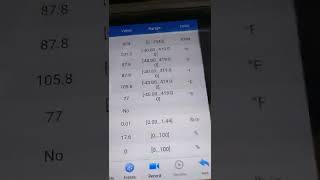
How to confirm: Use a scan tool to monitor the live data for the Bank 1 Sensor 2 voltage. 🎬 Watch: Using a scan tool to diagnose P2097 live data. On a warm engine at steady RPM, the voltage should be relatively stable (typically 0.45V - 0.7V). If it's stuck high (above 0.8V) or fluctuating wildly like the upstream sensor, the sensor is likely faulty.
Typical fix: Replace the downstream (post-catalyst) oxygen sensor. Also inspect wiring and connectors for damage per TSB PIP5445A.
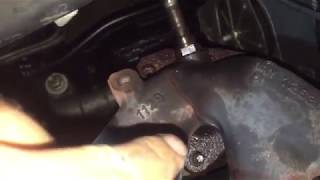
Est. part cost: $60-$130 - Exhaust Leak 🟡 Medium Probability Leaks at the exhaust manifold, flex pipe, or gaskets before the downstream O2 sensor can allow outside air to be pulled into the exhaust stream. This confuses the upstream sensor, causing the ECM to over-fuel the engine and trigger a rich code downstream. A cracked exhaust manifold has been identified as a root cause even when a smoke test shows no leaks. 🎬 See how a cracked exhaust manifold causes this specific code.
How to confirm: Perform a visual inspection of the exhaust system for soot marks, cracks, or rust holes, especially on the manifold and flex pipe. A professional can use a smoke machine to pressurize the exhaust and easily spot leaks.
Typical fix: Repair the leak by replacing the faulty gasket, welding the crack, or replacing the damaged exhaust component (e.g., manifold, flex pipe).
Est. part cost: $10-$400 - Loose Intake Manifold Bolts 🟡 Medium Probability A known issue on the 2.5L engine where intake manifold bolts can loosen over time, creating a vacuum leak. The ECM detects the resulting lean condition from the unmetered air and compensates by adding excess fuel, which triggers P2097 downstream. One owner spent over $1,000 on other repairs before finding this was the cause.
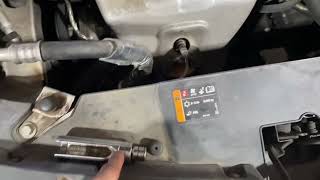
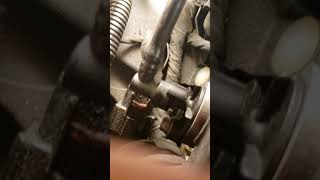
How to confirm: Physically check the tightness of the intake manifold bolts. A TSB suggests they should be torqued to 108 in-lbs (12 Nm). 🎬 Watch: How to find and tighten loose intake manifold bolts. A smoke test of the intake system can also reveal a leak at the gasket.
Typical fix: Torque the intake manifold bolts to the factory specification. The gasket typically does not need to be replaced unless it is damaged.
Est. part cost: $0-$70 - Leaking or Faulty Fuel Injectors ⚪ Low Probability GM TSBs PIP4964F and PIP5534A specifically mention fuel injectors as a potential cause for the 2.0L LTG and 2.5L LCV engines. An injector can leak excess fuel into a cylinder, creating a true rich condition.
How to confirm: A fuel injector balance test (AFIT test) must be performed by a technician with a capable scan tool. The TSBs note that if a single bad injector cannot be isolated, all four may need to be replaced.
Typical fix: Replace the faulty fuel injector(s).
Est. part cost: $50-$200 per injector
Rare But Worth Checking
- Failing Catalytic Converter: While less common, a deteriorating or contaminated catalytic converter can lose efficiency and fail to properly process exhaust gases, leading to a P2097 code. This should only be considered after all other causes are ruled out due to the high cost.
- Specific Driving Habits: TSB PIP5534A notes that a 'digital driver' style (rapid acceleration followed by coasting) or extensive stop-and-go city driving can induce a P2097 code without any mechanical fault present in the vehicle. GM states there is no fix for this driving style.
- EVAP System Fault: TSB PIP5534A explicitly directs technicians to verify the EVAP purge system is not stuck open before proceeding with other diagnostics, as this can create a vacuum leak that leads to a rich compensation.
Diagnosis Steps
- Check with a Chevrolet dealer using your VIN to see if TSB #19-NA-017, #PIP5393A, or other software updates apply. If so, have the ECM reprogrammed first.
- Perform a thorough visual inspection of the exhaust system from the engine to the rear O2 sensor. Look for any signs of cracks, rust, or black soot indicating a leak, paying close attention to the exhaust manifold and flex pipe.
- Check the intake manifold bolts for proper torque (108 in-lbs / 12 Nm). Consider a smoke test on the intake if a vacuum leak is suspected.
- Use a scan tool to observe the live data from the downstream O2 sensor (Bank 1, Sensor 2). A healthy sensor on a warm engine should show a relatively steady voltage (0.45V-0.7V). If it's stuck high (>0.8V) or fluctuating erratically, it's likely faulty.
- Inspect the O2 sensor wiring for any damage, melting, or corrosion on the connector, as advised by TSB PIP5445A.
- If sensors, software, and leaks are ruled out, investigate potential causes of a true rich condition, such as leaking fuel injectors. This requires a professional diagnosis with an injector balance test (AFIT) as outlined in TSB PIP5534A.
- As a final step, if all else fails, the catalytic converter's efficiency should be tested.
Parts You'll Likely Need

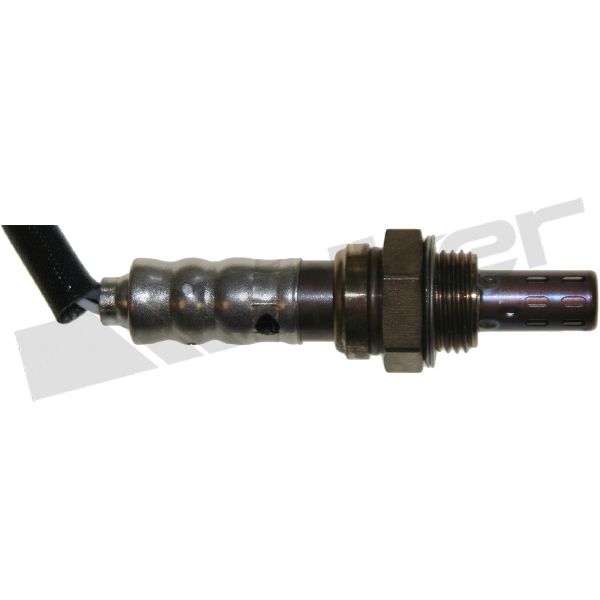
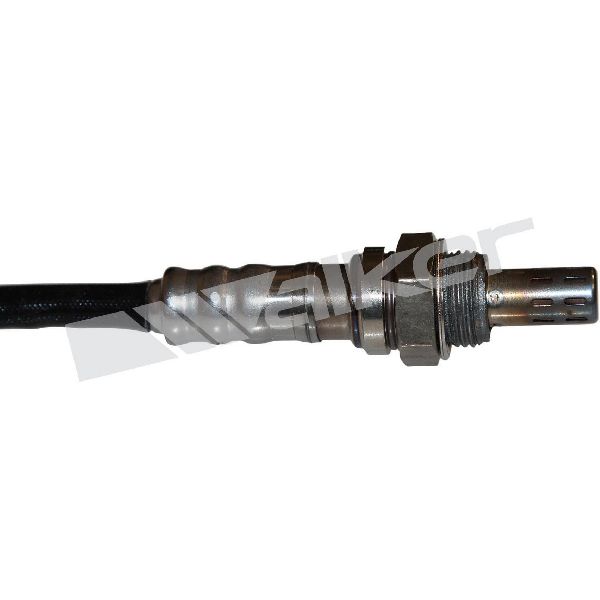
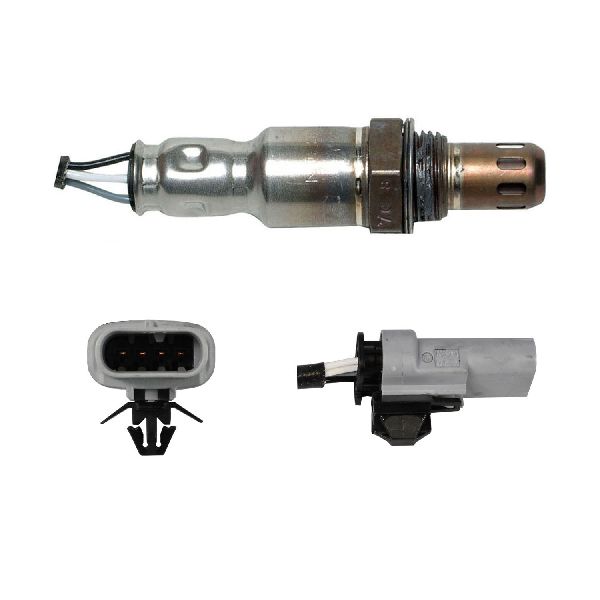
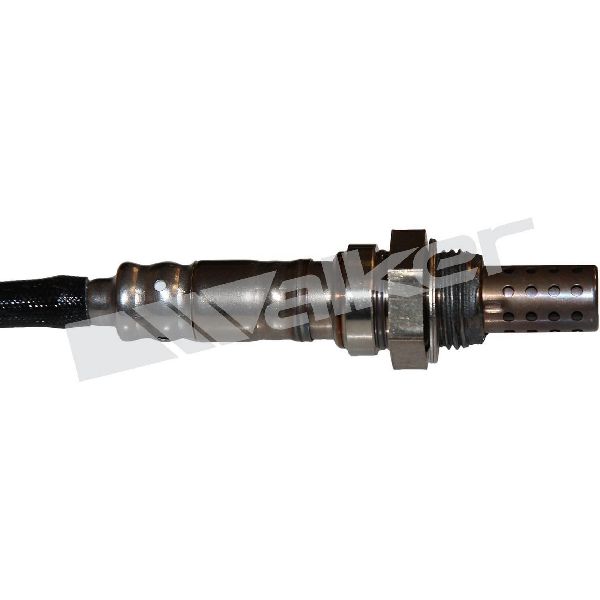
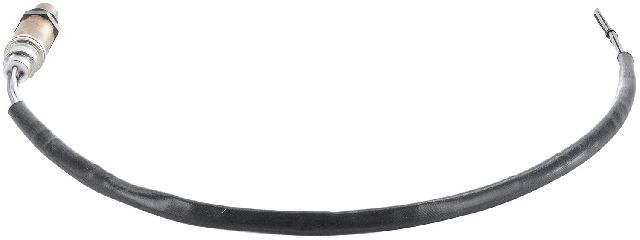
- Downstream Oxygen Sensor (Bank 1, Sensor 2)
(OEM #12661898)— This sensor is the primary input for the code and is a common failure point. It directly measures the condition that is being reported as out of range. Using an OEM part is strongly recommended.
Trusted brands: ACDelco (OEM), Denso, Bosch, NTK
OEM price range: $100-$150
Aftermarket price range: $60-$100 - Intake Manifold Gasket
(OEM #12627910)— If the intake manifold bolts are found to be loose, the gasket may need replacement if it is damaged or if retorquing the bolts does not solve the vacuum leak.
Trusted brands: ACDelco (OEM), Fel-Pro
Related Codes That Often Appear With This One
- P2096 — This is the opposite code for 'Post Catalyst Fuel Trim System Too Lean'. TSB 19-NA-017 lists P2096 and P2097 together as a software anomaly can cause either code to set.
- P0171 — This code for 'System Too Lean' can be a root cause. An intake or vacuum leak (like loose intake bolts) can trigger P0171, causing the ECM to overcompensate with fuel, which then leads to the P2097 code being set downstream.
- P0131 — This code for 'O2 Sensor Circuit Low Voltage' can point to a wiring issue or a failing oxygen sensor itself, which can accompany the P2097 code. An NHTSA complaint linked these codes to loose intake bolts.
Technical Service Bulletins (TSBs) & Recalls
- 19-NA-017: Malfunction Indicator Lamp (MIL) Illuminated - DTC P2096 and/or P2097. Recommends reprogramming the ECM due to a software anomaly. Affects 2017 models specifically but the principle applies more broadly.
- PIP5534A: Provides extensive diagnostic guidance for P2097 on 2.0L LTG and 2.5L LCV/LKW engines, mentioning driving habits, injector tests, and vacuum leaks as key areas to investigate after checking the EVAP system.
- PIP5393A: Recommends an ECM software update for intermittent P2097 on 2013 models with the 2.5L LCV engine if long-term fuel trims are within +/- 13%.
- PIP5445A: Directs technicians to check the rear O2 sensor circuit wiring and connections for high resistance or damage before replacing the sensor itself.
- PIP5535B: Notes that P2097 can reappear even after software updates and instructs technicians to verify the engine oil level is correct, as incorrect levels can affect engine breathing and fuel trim.
Platform-Specific Known Issues
- A software anomaly is a very common cause for P2097 on these vehicles, as documented in TSB 19-NA-017. The fix is a simple ECM reprogram.
- TSB PIP5534A gives specific diagnostic instructions for the 2.0L and 2.5L engines, pointing towards checks for vacuum leaks (including loose intake bolts), skewed MAF sensors, and faulty fuel injectors.
- Certain driving styles (heavy stop-and-go, or rapid acceleration/coasting) have been known to set this code without an actual vehicle fault, as noted in TSB PIP5534A.
Mechanic-Grade Diagnostic Values
- Long Term Fuel Trim (LTFT) — expected: Within +/- 13% at idle, in drive, and at steady speed.. Failure: If LTFT is high but drops into the normal range when RPM is held at 2000, it suggests a vacuum leak, skewed MAF, or air filter issue.
- Low-Side Fuel Pressure (In-tank pump) - 2.5L Engine — expected: 50-94 PSI. Failure: Pressure below 50 PSI indicates a weak in-tank pump or clogged filter. A freeze frame showing pressure near 43 PSI was considered low.
- High-Side Fuel Pressure (GDI pump) at Idle - 2.5L Engine — expected: 2.96–3.24 MPa (429–470 PSI). Failure: Pressure significantly outside this range points to an issue with the high-pressure fuel pump or rail pressure sensor.
- Intake Manifold Bolt Torque - 2.5L Engine — expected: 12 Nm or 108 in-lbs. Failure: Bolts that are looser than this specification confirm a likely vacuum leak.
- Intake Air Temperature Sensor (Freeze Frame Data) — expected: Ambient air temperature. Failure: A reading of -40°F in freeze frame data indicates a sensor or circuit fault at the time the code was set, which can cause incorrect fuel calculations.
Scan Tool Commands That Help
- GDS2/Tech2: Fuel Trim Reset — After replacing a component that affects the air-fuel ratio (like an O2 sensor, fuel injector, or fixing a leak), this command forces the ECM to relearn the fuel strategy immediately.
- GDS2/Tech2: EVAP Purge/Seal — TSB PIP5534A specifies using this command to manually operate the purge valve to check if it is stuck open, which can be a root cause of P2097 before moving to other diagnostics.
- GDS2: AFIT (Active Fuel Injector Test) — This is a specific injector balance test. TSB PIP5534A recommends performing this test if a vacuum leak is ruled out to identify lean or leaking injectors.
- GDS2/Tis-2Web: ECM Reprogramming/Update — Per TSB PIP5393A, if fuel trims are within +/- 13% and the code is intermittent, checking for and applying an ECM software update is the first step.
Wiring & Ground Locations
- Downstream O2 Sensor Connector (2.5L) — On 2013-2015 models, it's located near the thermostat housing, just below the upstream sensor connector. The downstream connector is often white.. TSB PIP5445A requires checking terminal tension and crimps at this specific connector to rule out a wiring fault before replacing the sensor.
- G103 Ground — Located on the cowl at the left rear of the engine compartment, above the brake booster.. This is a primary ground for the ECM. A poor connection here can cause erratic ECM behavior and potentially trigger false diagnostic codes like P2097.
- Engine Harness Chafe Points — A GM bulletin identifies potential chafing of the engine harness against the ECM/TCM bracket, the driver's side upper control arm, and a shock tower bolt.. Damage to the wiring harness in these areas can cause short circuits for any number of engine sensors, including those that influence fuel control, leading to rich or lean conditions.
Real Owner Repair Stories
- NHTSA Owner Complaint ODI #11242893 (2014 Chevrolet Malibu) — Intermittent P0171 (System Too Lean) code, which can be a precursor to P2097.
❌ Tried (didn't work) Not specified
✅ What actually fixed it A technician found and tightened loose intake manifold bolts, resolving the lean condition that was causing the ECM to over-fuel.
OEM Part Supersession History
12643903→12661898— Standard part update and consolidation across multiple GM platforms.
Heads up: Some vendors note that this part requires programming or special setup procedures, which may refer to performing a Fuel Trim Reset with a scan tool after installation to ensure the ECM learns the new sensor's characteristics correctly.
Model Year Variations Within This Range
- 2013-2016 (8th Gen 'Limited'): These models primarily used the 2.5L LCV engine, which is particularly known for the loose intake manifold bolt issue causing a vacuum leak that leads to P2097.
- 2016-2019 (9th Gen): These models introduced the 2.0L LTG engine alongside the 2.5L. TSBs for this generation more frequently point towards software updates and complex diagnostics involving fuel injectors and driving habits as causes for P2097.
Diagnostic Flowchart

Other Known Issues on This Vehicle
Issues unrelated to this code that are worth knowing about as an owner of this generation:
- PCV System Issues / High Oil Consumption (2.5L LCV) 🔴 High — Common issue, can lead to fouled spark plugs and catalytic converter damage. Some owners report consumption of 1 quart per 1,000-2,000 miles. (Ref: Multiple TSBs exist, including recommendations for updated valve covers or PCV orifice cleaning.)
- Cracked Pistons (2.0L LTG) 🔴 High — A known, severe failure mode for earlier LTG engines, often occurring between 60,000 and 100,000 miles. It typically happens on cylinder #2 or #3 and requires an engine replacement. (Ref: No recall, but it is a widely documented failure in owner forums and by engine rebuilders.)
- Reduced Engine Power / Stalling 🟠 Medium — Often related to throttle body or accelerator pedal position sensor failures. Can happen intermittently and cause the vehicle to enter a limp mode. (Ref: Various TSBs address wiring harness and sensor issues that can cause this symptom.)
- Premature Timing Chain Wear/Failure 🔴 High — Affects both 2.0L and 2.5L engines. Chain stretch or guide failure can occur, often signaled by a rattling noise on startup. If it fails, catastrophic engine damage can result. (Ref: TSBs exist for diagnosing timing chain noise and wear.)
- Shudder or Vibration from Torque Converter (8-speed/9-speed Auto) 🟠 Medium — Common complaint on models equipped with 8-speed and 9-speed automatic transmissions. Feels like driving over rumble strips at low speeds. Often caused by contaminated transmission fluid. (Ref: TSBs recommend a specific transmission fluid flush procedure to resolve the issue.)
Used vs. New Parts: Buying Guide for This Vehicle
When a used part is the smart pick: For this repair, used parts are generally not recommended. The primary fixes involve software, labor (tightening bolts), or replacing wear items like sensors and gaskets which should always be new.
Donor-vehicle mileage cap: roughly under 50000 miles for the part to have meaningful remaining life.
What to inspect on the donor part:
- If sourcing an exhaust component, inspect for cracks, heavy rust, or previous repairs.
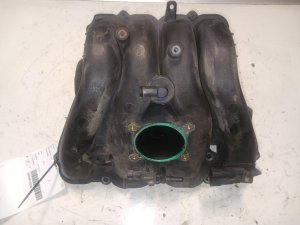
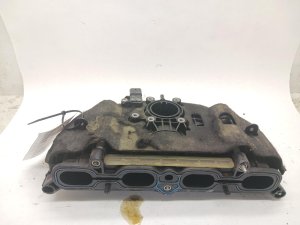
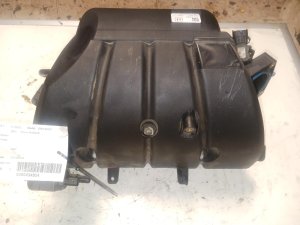
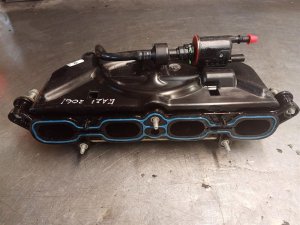
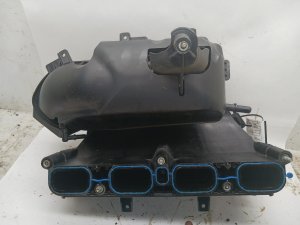
- For an intake manifold, ensure no cracks, all bolt holes are intact, and the gasket surface is flat and clean.
OEM-only on this vehicle (don't cheap out):
- Downstream Oxygen Sensor: Multiple sources indicate that non-OE sensors can cause the P2097 code to return. Using an OEM ACDelco part is strongly advised.
- Fuel Injectors: Given the specific TSBs regarding injector performance, using OEM injectors is critical to ensure correct flow rates and spray patterns.
Aftermarket brands forum-validated for this vehicle:
- NTK/NGK (for Oxygen Sensors)
- Denso (for Oxygen Sensors)
- Fel-Pro (for Gaskets)
Brands owners have reported issues with on this vehicle:
- Unbranded or 'white box' oxygen sensors and catalytic converters are known to have high failure rates or cause incorrect readings.
Real Owner Stories
Aggregated from forums and TSBs cited above. Mileages and costs reflect what owners reported in those sources.
2014 Chevrolet Malibu 2.5L
Symptoms: Chasing a P2097 code; replaced both O2 sensors and performed a smoke test with no success.
What fixed it: Replacing a cracked exhaust manifold that was not easily visible.
Source hint: Chevy Malibu Forum - P2097 Fixed by Exhaust Manifold Replacement
2017 Chevrolet Malibu
Symptoms: Experienced a persistent P2097 code.
What fixed it: Tightening loose intake manifold bolts to the factory torque specification.
Cost: $1,000-$1,100
Source hint: NHTSA ODI Complaint #11581909 - Loose Intake Manifold Bolts
2014 Cadillac ATS 2.0L
Symptoms: Experienced both P2097 (rich) and P0171 (lean) codes simultaneously.
What fixed it: Diagnosing a vacuum leak that caused the ECM to overcompensate with fuel.
Source hint: Reddit r/MechanicAdvice - P2097 and P0171 on Cadillac ATS
Related OBD-II Codes
Frequently Asked Questions
Is the P2097 fix covered under warranty for my 2013-2019 Chevrolet Malibu?
Which TSBs address the P2097 code specifically for the 2.0L LTG and 2.5L LCV engines?
Can my driving style cause a P2097 code on my Malibu?
Should I use an aftermarket oxygen sensor to fix this code?
What should I check on my 2.5L Malibu if I suspect a vacuum leak is causing P2097?
Does the engine oil level affect the P2097 code?
Helpful Videos

Used OEM Parts in Stock

New Aftermarket Parts Available


The information in this article is provided for general reference and educational purposes only. Vehicle specifications, procedures, and part compatibility can vary by production date, trim level, and region. Always consult your vehicle's factory service manual and verify part numbers before purchasing or performing repairs. Safety-critical components such as airbags, seat belts, and braking systems should be installed by a qualified professional.
- Chevrolet Malibu:
- 🎬 Helpful Videos
- 🛍️ Shop This Part
- What's Unique About the 2013-2019 Chevrolet Malibu
- Symptoms You May Notice
- Most Likely Causes
- Rare But Worth Checking
- Diagnosis Steps
- Parts You'll Likely Need
- Related Codes That Often Appear With This One
- Technical Service Bulletins (TSBs) & Recalls
- Platform-Specific Known Issues
- Mechanic-Grade Diagnostic Values
- Scan Tool Commands That Help
- Wiring & Ground Locations
- Real Owner Repair Stories
- OEM Part Supersession History
- Model Year Variations Within This Range
- Diagnostic Flowchart
- Other Known Issues on This Vehicle
- Used vs. New Parts: Buying Guide for This Vehicle
- Real Owner Stories
- 2014 Chevrolet Malibu 2.5L
- 2017 Chevrolet Malibu
- 2014 Cadillac ATS 2.0L
- Related OBD-II Codes
- Frequently Asked Questions
- 🎟️ Get 5% Off