

P2097 on 2017-2018 Alfa Romeo Giulia: Causes and Fixes for Rich Fuel Trim
On the 2017-2018 Alfa Romeo Giulia with the 2.0L Turbo engine, code P2097 is most often caused by a software issue requiring a PCM update from the dealer, as outlined in Technical Service Bulletin #18-030-17. This TSB applies to vehicles built on or before June 29, 2017. Before replacing any parts, checking the vehicle's VIN for this TSB is the most critical first step.
- For a 2017-2018 Alfa Romeo Giulia, the first step for a P2097 code should always be to check if TSB #18-030-17 applies and has been performed.
- This code is frequently part of a group of codes that are resolved with a simple PCM software update at the dealership.
- Do not replace the expensive catalytic converter unless all other possibilities, including the software update and a faulty downstream O2 sensor, have been definitively ruled out.
- Common symptoms include a lit Check Engine Light, poor fuel economy, and a rough idle.
- If a hardware repair is needed, the most likely part is the downstream (post-catalyst) oxygen sensor.
What's Unique About the 2017-2018 Alfa Romeo GIULIA
For the 2017-2018 Alfa Romeo Giulia with the 2.0L turbo engine, the P2097 code is uniquely and strongly tied to a specific Technical Service Bulletin (TSB #18-030-17). This TSB groups P2097 with a diverse set of other codes related to the crankcase ventilation, charge air cooler, and EVAP system for vehicles built on or before June 29, 2017. This pattern strongly suggests the root cause is often not a single failed part, but rather a powertrain control module (PCM) software calibration that is overly sensitive. The official fix in many cases is a software reflash performed by a dealer, rather than a mechanical repair. The 2018+ Alfa Romeo Stelvio, which shares the same engine, is also a platform mate that can experience similar issues. Additionally, some owners report issues with a corroded main engine-to-chassis ground strap, which can cause a variety of electrical faults.
Diagnostic Flowchart
Tap your situation to follow the diagnostic path that matches what you're seeing on this vehicle.
Symptoms You May Notice 🎬 Watch: A quick breakdown of P2097 symptoms and common causes.
- Check Engine Light illuminated
- Reduced fuel economy
- Rough or erratic idle
- Hesitation or stumbling during acceleration
- Possible black smoke from the exhaust
- Strong tailpipe odor 🎬 Watch this video to help diagnose smoke coming from the tailpipe.
- Replacing the catalytic converter when the actual fault is a bad O2 sensor or a software issue.
- Replacing the upstream (pre-catalyst) O2 sensor when the code is being reported based on the downstream (post-catalyst) sensor's readings.
- Immediately replacing the O2 sensor without first checking if the vehicle is eligible for the TSB #18-030-17 software update, which is the most probable fix for 2017 models.
Most Likely Causes
- Powertrain Control Module (PCM) Software Update Needed 🔴 High Probability Manufacturer TSB #18-030-17 specifically addresses P2097 along with other codes, indicating a known issue with the factory software calibration on vehicles built on or before June 29, 2017. This is the most common and well-documented cause for this specific vehicle and year range.
How to confirm: A dealer or a shop with access to Alfa Romeo's service information (using a tool like wiTECH) can check the vehicle's VIN to see if TSB #18-030-17 is applicable and has not yet been performed.
Typical fix: Reprogramming the PCM with the latest software version. This is typically done at an Alfa Romeo dealership and may be covered under warranty.
Est. part cost: $0 - Faulty Downstream Oxygen (O2) Sensor 🟡 Medium Probability O2 sensors are a common wear item. A failing sensor can send incorrect rich signals to the ECM. While the software issue is more prevalent for this specific car, a sensor failure is the next logical hardware culprit if the TSB does not apply or has already been performed.
How to confirm: Use a scan tool to monitor the voltage of the Bank 1 Sensor 2. A healthy downstream sensor on a warm engine should show a relatively steady voltage, typically around 0.45V. If it's stuck high (above ~0.8V) or fluctuating wildly like the upstream sensor, it may be faulty.
Typical fix: Replace the Bank 1 downstream (post-catalyst) oxygen sensor.
Est. part cost: $40-$150 - Exhaust System Leak ⚪ Low Probability
How to confirm: Visually inspect the exhaust system for cracks, rust, or loose connections, especially at gaskets and flanges between the catalytic converter and the downstream O2 sensor. A smoke test is the most effective way to pinpoint small leaks. 🎬 See how to use a smoke machine to find exhaust leaks.
Typical fix: Repair the leak by replacing the faulty gasket, clamp, or section of pipe.
Est. part cost: $20-$200 - Leaking Fuel Injector(s) ⚪ Low Probability While not common, a mechanically stuck-open injector can dump excess fuel, causing a rich condition. This would typically be accompanied by other symptoms like misfires (e.g., P030X codes).
How to confirm: This is a more complex diagnosis. It may involve monitoring fuel trims for a specific bank, checking spark plugs for signs of a rich condition in one cylinder, and performing a fuel injector balance test.
Typical fix: Replace the leaking fuel injector(s).
Est. part cost: $100-$300 per injector
Rare But Worth Checking
- Failing Catalytic Converter: While possible, a catalytic converter failure is less common for a rich code and is often misdiagnosed. A clogged converter can sometimes cause strange sensor readings. The converter should only be replaced after all other possibilities, especially sensors and software, have been ruled out.
- Faulty Mass Air Flow (MAF) Sensor: A dirty or failing MAF sensor can under-report the amount of air entering the engine, causing the ECM to inject too much fuel. This often sets other codes as well and is a less likely cause for a single post-catalyst code.
- Low-Pressure Fuel Pump Failure: There is a known issue with low-pressure fuel pumps on 2017-2018 Giulias that can lead to stalling and loss of power, investigated under NHTSA PE24000. While this typically sets a P008A (low pressure) code, erratic fuel supply could potentially contribute to fuel trim issues in some scenarios.
Diagnosis Steps
- Check for TSBs: This is the most critical first step. Use the vehicle's VIN to check with an Alfa Romeo dealer if TSB #18-030-17 (for vehicles built on or before June 29, 2017) or #18-027-20 applies and if the software update has been performed. If it applies and is open, having the PCM reflashed is the prescribed repair.
- Scan for All Codes: Use an OBD-II scanner to confirm P2097 and check for any other codes, especially those listed in the TSBs. The presence of codes like P04DB, P024A, etc., strongly points to the software issue.
- Inspect for Exhaust Leaks: Visually and audibly inspect the exhaust system from the engine to the tailpipe for any signs of leaks, paying close attention to the area around the O2 sensors and catalytic converter gaskets.
- Analyze Live Data: Use a scan tool to monitor the live data stream for the upstream (Sensor 1) and downstream (Sensor 2) oxygen sensors. The downstream sensor's voltage should be relatively stable and steady on a warm, running engine. If it is stuck high (e.g., >0.8V), the sensor may be faulty or there is a true rich condition.
- Test the O2 Sensor: If the sensor's readings are suspect, test its wiring and connections for damage or corrosion. If the wiring is good, the sensor itself is the likely culprit.
- Check Fuel System: If sensors and exhaust are fine, investigate the fuel system. Check fuel pressure and consider having fuel injectors tested for leaks, especially if misfire codes are also present.
- Inspect MAF Sensor: Check the Mass Air Flow sensor for contamination and proper readings as a final step if other causes are ruled out.
Parts You'll Likely Need
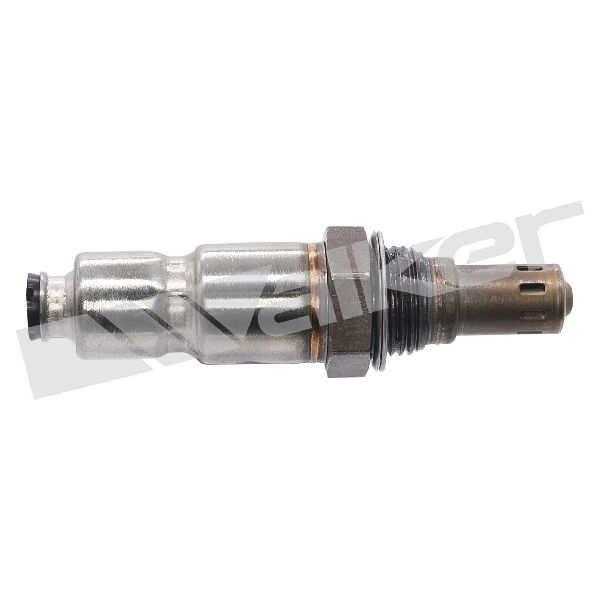
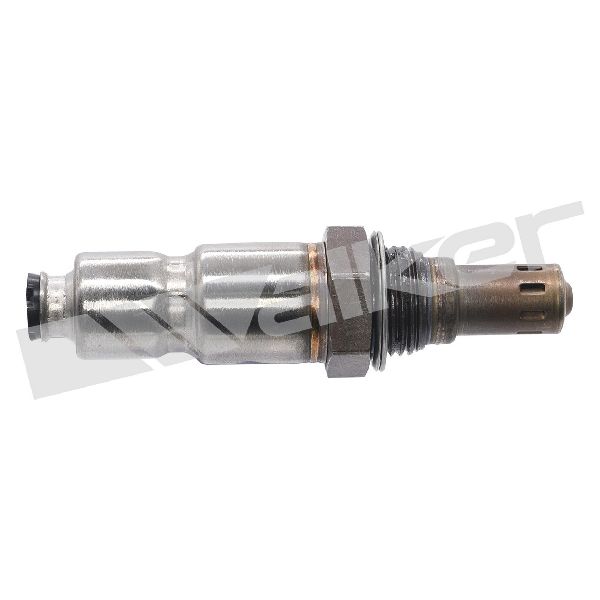
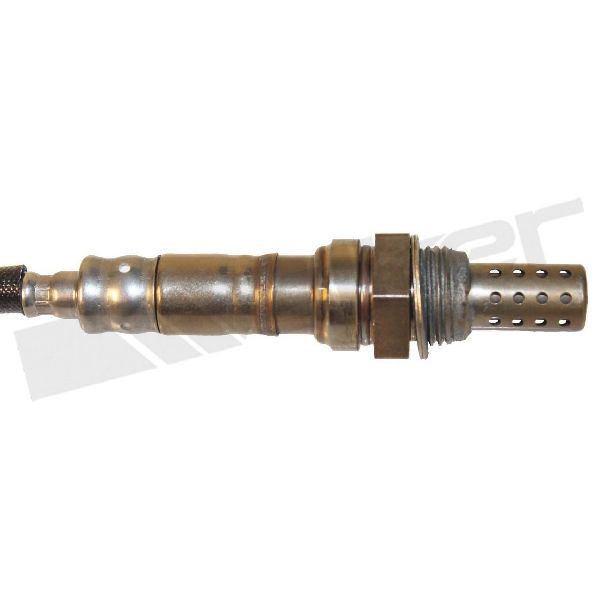
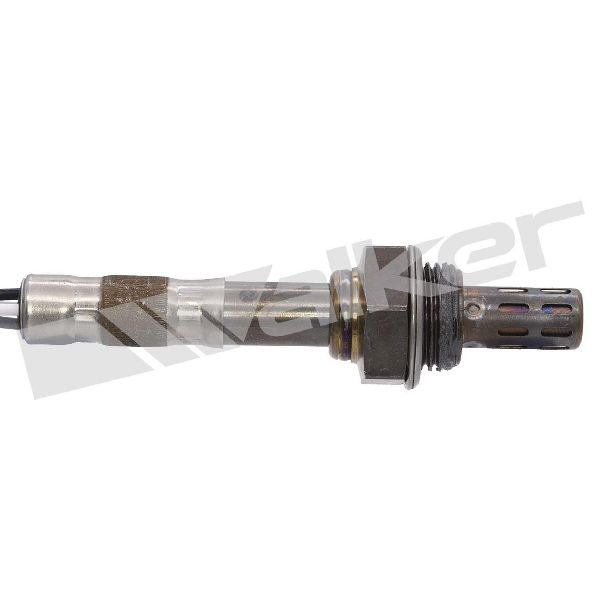
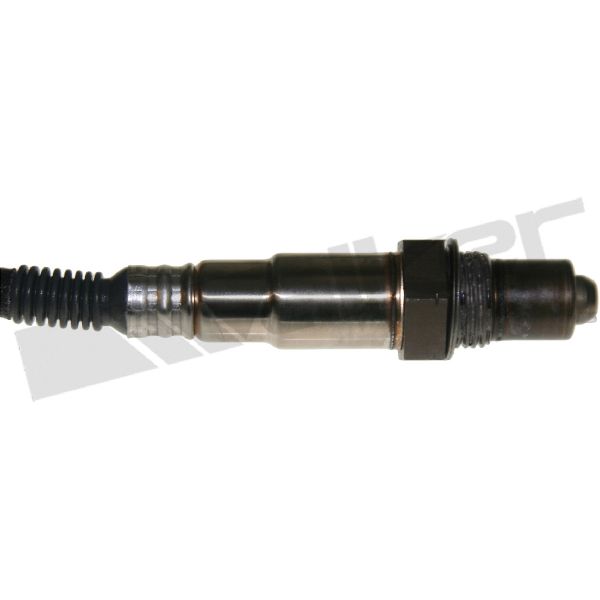
- Downstream Oxygen Sensor (Bank 1, Sensor 2)
(OEM #68315196AA)— If a software update doesn't apply or doesn't fix the issue, a failing O2 sensor is the next most likely hardware cause, as it provides the direct measurement that triggers the code.
Trusted brands: Mopar, Bosch, NTK, Autopart Premium
OEM price range: $150-$250
Aftermarket price range: $40-$150
Related Codes That Often Appear With This One
- P04DB-00 — Crankcase Ventilation System Disconnected. Grouped with P2097 in TSB #18-030-17, suggesting a common software-related cause.
- P024A-00 — Charge Air Cooler Bypass Control 'A' Range/Performance. Grouped with P2097 in TSB #18-030-17, suggesting a common software-related cause.
- P2B2F-00 — Fan 1 Performance/Stuck Off. Grouped with P2097 in TSB #18-030-17, suggesting a common software-related cause.
- P24D6-00 — EVAP System Pressure Sensor/Switch 'B' Circuit Range/Performance. Grouped with P2097 in TSB #18-030-17, suggesting a common software-related cause.
Technical Service Bulletins (TSBs) & Recalls
- 18-030-17 REV. D: Flash: Powertrain Diagnostic and System Improvements. Addresses P2097 and other codes for 2017 Giulia 2.0L models built on or before June 29, 2017. The fix is a PCM software update.
- 18-027-20: AP Purge System Performance. Also lists P2097 among other codes, suggesting a software update may be the solution for related issues.
Platform-Specific Known Issues
- A significant number of 2017 Giulia models with the 2.0L engine were subject to TSB #18-030-17, which involved a PCM software update to correct the logic for P2097 and several other diagnostic trouble codes. This TSB specifically applies to vehicles built on or before June 29, 2017.
- Some owners on forums report that even after an O2 sensor replacement, the code returned, further suggesting a deeper root cause like software or a hard-to-find exhaust leak.
- The 2.0L engine is also used in the Alfa Romeo Stelvio, which may share this sensitivity.
Mechanic-Grade Diagnostic Values
- Downstream O2 Sensor (Narrowband) Voltage at Idle — expected: Relatively steady voltage around 0.45V on a fully warmed-up engine.. Failure: Voltage is stuck high (e.g., > 0.8V), stuck low (< 0.2V), or fluctuating rapidly like the upstream sensor.
- Upstream O2 Sensor (Narrowband) Voltage at Idle — expected: Rapidly fluctuating between approximately 0.1V and 0.9V.. Failure: Sluggish, stuck, or not switching.
- O2 Sensor Heater Circuit Resistance — expected: Typically between 2 and 16 ohms, but varies by manufacturer. Check vehicle-specific repair manual.. Failure: No reading (open circuit) or resistance outside of the specified range.
Scan Tool Commands That Help
- wiTECH (OEM FCA Tool): Catalytic Converter Efficiency Test — To functionally test the catalytic converter's performance after ruling out sensor and exhaust leak issues. This can help avoid unnecessary converter replacement.
- wiTECH (OEM FCA Tool): PCM Reflash/Update — This is the specific fix called for by TSB #18-030-17 for vehicles built on or before June 29, 2017, that present with code P2097, often alongside other codes.
Wiring & Ground Locations
- Downstream O2 Sensor (Bank 1, Sensor 2) — Located on the exhaust pipe, after the catalytic converter.. This is the sensor that measures the post-catalyst exhaust gas composition and triggers the P2097 code when a rich condition is detected.
- Main Engine Ground Strap — Connects the transmission/engine block to the vehicle's chassis, often located underneath the car and exposed to the elements.. Several Giulia/Stelvio owners have reported this strap corroding and failing, leading to a host of electrical problems, including starting issues and melted wiring harnesses. A poor ground can cause erratic sensor readings and is a plausible, though not primary, contributor to fuel trim codes.
Real Owner Repair Stories
- GiuliaForums.com user (2017 Alfa Romeo Giulia 2.0T) — Check Engine Light with code P2097.
❌ Tried (didn't work) Dealer performed the software update TSB., Replaced the downstream O2 sensor.
✅ What actually fixed it The user discovered a crack in the exhaust manifold. Replacing the exhaust manifold resolved the P2097 code. - Reddit user r/AlfaRomeo (Alfa Romeo Stelvio (shared platform/engine)) — No-start condition, smoke from wheel arch.
❌ Tried (didn't work) Attempting to jump-start the vehicle.
✅ What actually fixed it The main engine ground strap had corroded and failed, causing the starter motor to ground through a smaller wire, melting the engine wiring harness. The fix was replacing the ground strap and the damaged wiring harness.
"I Checked Everything" — The Actual Cause
- In one documented case on GiuliaForums, a persistent P2097 code that was not resolved by a software update or O2 sensor replacement was ultimately caused by a cracked exhaust manifold. This type of leak can be difficult to detect with a smoke test if the crack only opens under specific temperature and pressure conditions, leading a technician to believe the exhaust system is sealed when it is not.
When the Usual Fixes Don't Work
- While the TSB for a PCM software update is the most common fix for the 2017 model year, it is not a guaranteed solution. There are multiple owner reports where the code returned after the software update was performed. In one such case, the final repair was replacing a cracked exhaust manifold, which was allowing unmetered air to enter the exhaust stream before the O2 sensors, mimicking a rich condition to the downstream sensor. This highlights the importance of performing a thorough physical inspection of the entire exhaust system for cracks, especially if software and sensor replacement do not resolve the issue.
Model Year Variations Within This Range
- 2017 models built on or before June 29, 2017: These vehicles are specifically called out in TSB #18-030-17 as potentially having a sensitive PCM calibration that can falsely trigger P2097 and other codes. The primary fix is a software update, which is less likely to be the cause on later 2017 and 2018 models.
- 2017-2018: Some forum users have noted the presence of an unusual sensor, appearing to be an O2 sensor, located in the charge pipe between the turbocharger and the intake. Its exact function is not widely documented in standard service information and can be a source of confusion during diagnosis, though it is not directly related to the post-catalyst P2097 code.
Helpful Videos
Used OEM Parts in Stock


New Aftermarket Parts Available


The information in this article is provided for general reference and educational purposes only. Vehicle specifications, procedures, and part compatibility can vary by production date, trim level, and region. Always consult your vehicle's factory service manual and verify part numbers before purchasing or performing repairs. Safety-critical components such as airbags, seat belts, and braking systems should be installed by a qualified professional.
- Alfa Romeo GIULIA:
- 🎬 Helpful Videos
- 🛍️ Shop This Part
- What's Unique About the 2017-2018 Alfa Romeo GIULIA
- Diagnostic Flowchart
- Symptoms You May Notice
- Most Likely Causes
- Rare But Worth Checking
- Diagnosis Steps
- Parts You'll Likely Need
- Related Codes That Often Appear With This One
- Technical Service Bulletins (TSBs) & Recalls
- Platform-Specific Known Issues
- Mechanic-Grade Diagnostic Values
- Scan Tool Commands That Help
- Wiring & Ground Locations
- Real Owner Repair Stories
- "I Checked Everything" — The Actual Cause
- When the Usual Fixes Don't Work
- Model Year Variations Within This Range
- 🎟️ Get 5% Off