

P2096 on 2000-2007 Volvo V70 T5: Post-Catalyst Lean Code Causes and Fixes
On the V70 T5, code P2096 is most often caused by an exhaust leak, especially from the exhaust manifold gasket, or a failing rear oxygen sensor. Inspect for exhaust leaks before replacing any parts. A new OEM-quality rear O2 sensor costs around $150-$300.
- Always check for exhaust leaks before replacing parts. A leak at the exhaust manifold is a known issue on the Volvo V70 T5 and a likely cause for P2096.
- If you must replace the oxygen sensor, use a high-quality, direct-fit part from a brand like Bosch or Genuine Volvo. Generic sensors may not work correctly.
- Symptoms can be subtle, sometimes limited to just the Check Engine Light. Ignoring the code can lead to reduced fuel economy and eventual damage to the catalytic converter.
- A smoke test is the most effective way to diagnose both exhaust leaks and intake-side vacuum leaks.
What's Unique About the 2000-2007 Volvo V70
On this P2 platform Volvo, the B5254T2 engine is known for developing exhaust manifold leaks. The manifold nuts, particularly at the outer cylinders (1 and 5), can loosen over time, or the gasket itself can fail, leading to a false lean reading that triggers P2096. While a bad rear O2 sensor is also a common cause, a thorough inspection for exhaust leaks around the manifold, flex pipe, and turbo downpipe is a critical first step that can prevent a misdiagnosis.
Symptoms You May Notice
- Check Engine Light is on.
- Reduced fuel economy.
- Rough or unstable idle.
- Audible ticking or hissing sound from the engine bay, especially when cold, indicating an exhaust leak.
- Hesitation or surging during acceleration.
- In severe cases, the catalytic converter may glow red-hot due to the unburned fuel igniting inside it.
- Immediately replacing the rear O2 sensor without first checking thoroughly for exhaust leaks. An exhaust leak is a very common cause on this specific engine and will make a new sensor read lean as well.
- Replacing the front O2 sensor. P2096 specifically relates to the reading from the rear (post-catalyst) sensor. While a bad front sensor can cause fuel trim issues, it usually sets other codes.
Most Likely Causes
- Exhaust Leak (Manifold, Gasket, or Downpipe) 🔴 High Probability Forum discussions consistently point to the exhaust manifold nuts on the B5254T2 engine loosening over time, causing the gasket to fail. Leaks can also develop in the flex pipe or other connections between the engine and the rear O2 sensor, allowing outside air to be drawn in and skewing the sensor's reading.
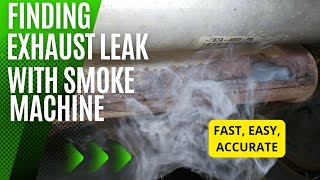
How to confirm: Perform a cold start and listen for a distinct 'ticking' or 'puffing' sound from the rear of the engine that may quiet down as the metal expands. A visual inspection may reveal black soot trails near the manifold-to-head connection or at exhaust flanges. The most definitive method is to introduce smoke into the exhaust system (with the engine off) and watch for leaks. A shop can perform this, or a DIY smoke machine can be made. 🎬 Watch: How to find exhaust leaks with a smoke machine
Typical fix: First, attempt to tighten the exhaust manifold nuts to the correct torque specification. If this doesn't solve the leak, the exhaust manifold gasket must be replaced. This is an involved job due to tight access between the engine and firewall. For smaller leaks in pipes, exhaust putty or a heat wrap can be a temporary fix.
Est. part cost: $20-$50 for a new gasket set. - Failing Rear (Post-Catalyst) Oxygen Sensor 🟡 Medium Probability Oxygen sensors are a wearable component and typically have a finite lifespan of 60,000 to 90,000 miles. An aging sensor can become slow or biased, sending incorrect 'lean' signals to the ECM.
How to confirm: Use an OBD-II scanner with live data capability to monitor the voltage of the rear O2 sensor (Sensor 2). On a fully warmed-up engine at a steady 2,500 RPM, a healthy sensor should show a relatively stable voltage, typically between 0.5V and 0.8V. If the voltage is stuck low (e.g., below 0.2V) or fluctuates wildly like the front O2 sensor, the sensor is likely faulty or there is a significant exhaust leak upstream.
Typical fix: Replace the rear oxygen sensor. It is highly recommended to use a direct-fit, OEM-quality sensor from brands like Bosch or Denso, as these cars can be sensitive to universal or off-brand sensors. Ensure the threads are treated with anti-seize compound for easier future removal.
Est. part cost: $100-$300 - Engine Vacuum Leak ⚪ Low Probability The numerous vacuum hoses on these turbocharged engines, especially those connected to the PCV system, can become brittle and crack with age, allowing unmetered air to enter the intake system. While this typically throws a P0171 first, a small leak might contribute to a P2096.
How to confirm: The best method is to use a smoke machine to feed smoke into the intake system with the engine off and watch for where it escapes. Listening for hissing sounds around the engine bay at idle can also help pinpoint a leak.
Typical fix: Replace the cracked or broken vacuum hose(s). The PCV system hoses are a common culprit.
Est. part cost: $5-$50
Rare But Worth Checking
- Low Fuel Pressure: While possible, a fuel delivery issue from a weak fuel pump, clogged filter, or failing fuel pressure sensor would typically trigger a P0171 (System Too Lean) code before or alongside P2096. On P2 models, the fuel pressure sensor and pump control module (PEM) can corrode, leading to erratic fuel pressure. Check fuel pressure if other causes are ruled out.
- Failing Mass Airflow (MAF) Sensor: A dirty or failing MAF sensor can under-report the amount of air entering the engine, causing the ECM to inject too little fuel, leading to a lean condition. This would often be accompanied by other codes like P0101. Cleaning the sensor with dedicated MAF cleaner is a worthwhile diagnostic step.
- Clogged or Failing Catalytic Converter: A partially clogged or inefficient catalytic converter can sometimes cause erratic readings from the rear O2 sensor, potentially triggering a P2096 before a P0420 (Catalyst Efficiency) code appears.
Diagnosis Steps
- Read all fault codes with an OBD-II scanner. Note any other codes that are present, especially P0171, as this will change your diagnostic path.
- With the engine cold, start it and listen carefully for any ticking or puffing sounds from the exhaust manifold area between the engine and firewall. Also listen for whistling sounds that could indicate a vacuum leak.
- Visually inspect the entire exhaust system from the engine to the rear O2 sensor. Look for black soot trails at gaskets and flanges, or rust holes in pipes.
- If no obvious leaks are found, use a scanner to monitor the live voltage data for the rear (post-catalyst) O2 sensor. A healthy sensor on a warm engine should have a relatively steady voltage above 0.5V. If it's stuck low (below 0.2V), it points to a bad sensor or a real lean condition (like an exhaust leak).
- The most reliable way to find leaks is to perform a smoke test. Test the exhaust system first by introducing smoke into the tailpipe. Then, test the intake system by introducing smoke into the intake tract after the MAF sensor. 🎬 See how to use a smoke machine for intake and exhaust leaks
- If no air leaks (intake or exhaust) are found and the O2 sensor appears to function, check fuel pressure using a fuel pressure gauge connected to the fuel rail to rule out a delivery problem. The fuel pressure sensor on these cars can also be a failure point.
- As a final, less common check, inspect the MAF sensor for contamination and clean it with a dedicated cleaner. A failing MAF sensor would likely have other symptoms and codes.
Parts You'll Likely Need
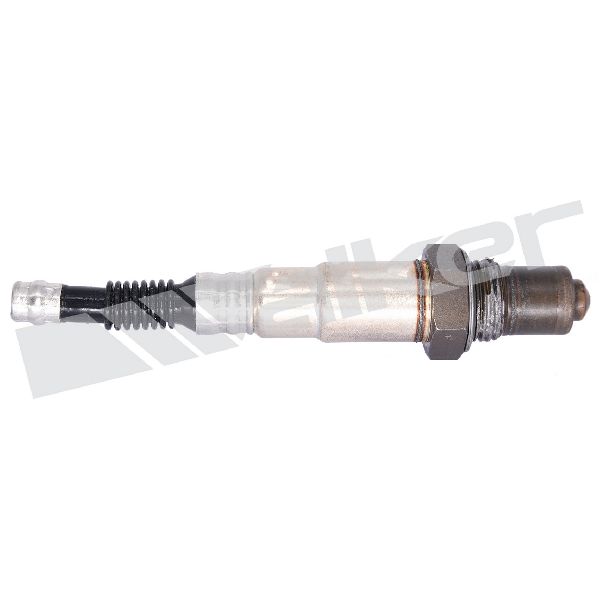
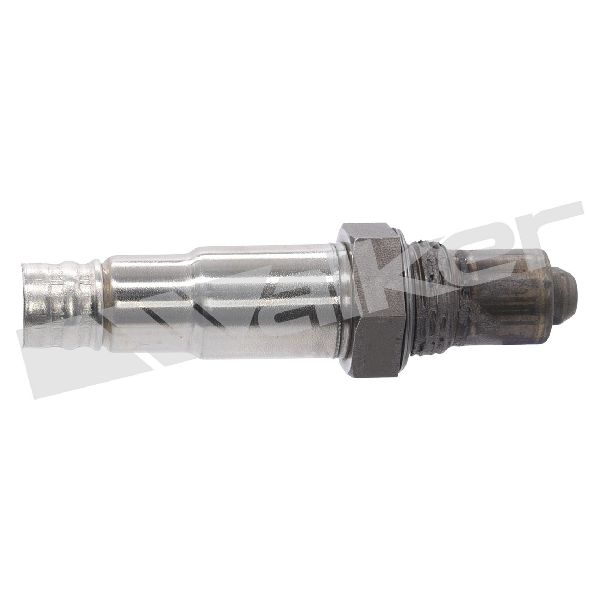
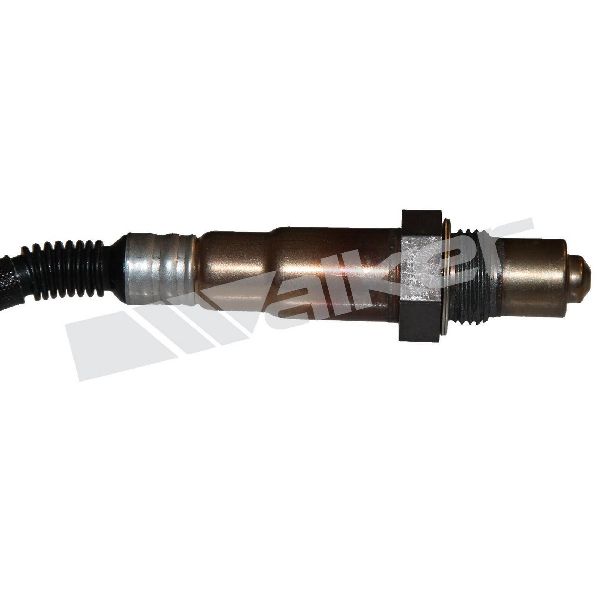
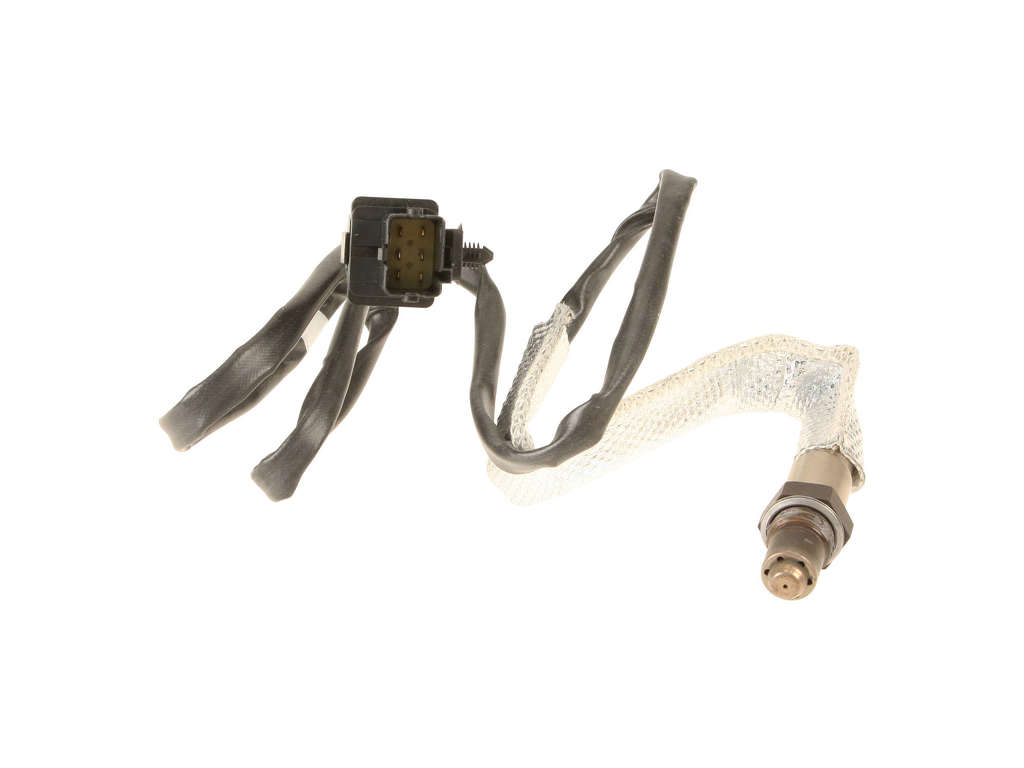
- Rear Oxygen Sensor
(OEM #8642230)— This sensor measures the post-catalyst exhaust and is a common failure point. It is often replaced to fix P2096, but should only be done after confirming no exhaust leaks exist.
Trusted brands: Genuine Volvo, Bosch, Denso
OEM price range: $280-$330
Aftermarket price range: $100-$180 - Exhaust Manifold Gasket
(OEM #8699467)— Leaks at the exhaust manifold gasket are a known issue on this platform and a primary cause of P2096.
Trusted brands: Genuine Volvo, Victor Reinz, Elring
OEM price range: $30-$50
Aftermarket price range: $15-$30
Related Codes That Often Appear With This One
- P0171 — If a significant vacuum leak or fuel delivery issue exists, it will cause a system-wide lean condition detected by the front O2 sensor (P0171) in addition to the post-catalyst reading (P2096). The presence of P0171 strongly suggests the root cause is on the intake or fuel side, not the exhaust.
Platform-Specific Known Issues
- The exhaust manifold on the B5254T2 engine is known to have its mounting nuts loosen over time, especially on the cylinders at either end (1 and 5), 🎬 Watch: Volvo exhaust manifold leak smoke test demonstration causing gasket leaks.
- The Positive Crankcase Ventilation (PCV) system on these engines is a known failure point. A clogged PCV system can create excess crankcase pressure, leading to blown seals and potentially vacuum leaks that can contribute to lean codes.
Mechanic-Grade Diagnostic Values
- Rear (Post-Catalyst) O2 Sensor Voltage — expected: On a fully warmed engine at steady RPM (e.g., 2000 RPM), the voltage should be relatively stable between 0.6V and 0.8V. This indicates the catalytic converter is working and the fuel mixture is correct.. Failure: A voltage that is consistently low (stuck below 0.3V) indicates the sensor is detecting excess oxygen, which the ECM interprets as a lean condition. This can be caused by an exhaust leak upstream or a faulty sensor.
- Long Term Fuel Trim (LTFT) - Bank 1 — expected: Ideally, this value should be close to 0%, with a normal operating range typically within +/- 5%.. Failure: When P2096 is set, the LTFT will often be at or near its maximum positive limit (e.g., +20% to +25%). This shows the ECM has been adding as much fuel as it's allowed to over a long period to compensate for the perceived lean condition.
- Fuel Pressure (at fuel rail schrader valve) — expected: Approximately 380 kPa (55 PSI) at idle with the engine running.. Failure: Significantly lower pressure indicates a problem with the fuel pump, filter, or regulator. However, for P2096, it's also critical to check the Fuel Pressure Sensor's reading via a scan tool, as a faulty sensor can report low pressure even when the mechanical pressure is correct.
Hidden / Shadow Codes Worth Checking
- ECM-290D: Rear heated oxygen sensor (HO2S), bank 1 - signal too low. This is the Volvo-specific Diagnostic Trouble Code that directly corresponds to the generic P2096. (see via This code is visible using Volvo-specific diagnostic software like VIDA (Vehicle Information & Diagnostics for Aftersales).)
Scan Tool Commands That Help
- VIDA (Volvo): Reset adaptation, Engine Control Module (ECM) — This function should be used after replacing a component that affects fuel mixture, such as an oxygen sensor, MAF sensor, fuel injector, or after fixing a significant vacuum/exhaust leak. Failing to reset the learned fuel trims can cause the vehicle to run poorly or for the code to return temporarily as the ECM uses old, invalid data before it has a chance to relearn.
Wiring & Ground Locations
- Engine Ground Strap (near starter) — Main engine ground strap is typically located between the engine block, near the starter motor, and the chassis frame rail.. A corroded or loose main engine ground can cause a host of electrical issues, including incorrect sensor readings. The ECM and its sensors rely on a clean ground reference. A poor ground can create a voltage offset, making the O2 sensor signal appear lower than it actually is, which can trigger a false lean code.
- Ground Point 31/15 — On the engine block, below the thermostat housing.. This is a primary grounding point for multiple engine sensors. Corrosion or looseness here can directly affect sensor performance and lead to erratic readings, including those from the oxygen sensors.
- Rear O2 Sensor Connector — Typically found attached to a bracket on the firewall, near the top of the transmission bellhousing. It's a 4-pin connector.. Water intrusion and corrosion at this connector can cause a poor signal or heater circuit failure for the rear O2 sensor. It's a critical point to inspect for bent pins or green/white corrosion before replacing the sensor itself.
Real Owner Repair Stories
- MatthewsVolvoSite Forum User (2004 Volvo S60 2.5T (same engine and platform)) — Persistent P2096 and P0171 codes, slight hesitation.
❌ Tried (didn't work) Replaced front and rear O2 sensors, Replaced PCV system, Smoke tested intake and exhaust with no leaks found
✅ What actually fixed it A hairline crack in the black plastic turbo intake pipe, located between the MAF sensor and the turbo inlet. The crack was not visible on initial inspection and did not show up on a smoke test at atmospheric pressure, but would open slightly under engine torque and vibration, allowing unmetered air to enter. - SwedeSpeed Forum User (2002 Volvo V70 T5) — P2096 code that would return within a week of being cleared.
❌ Tried (didn't work) Replaced rear O2 sensor with a new Bosch unit, Smoke tested exhaust multiple times, finding no leaks, Cleaned MAF sensor
✅ What actually fixed it A tiny, almost invisible pinhole leak in the braided exhaust flex pipe. The leak was so small it didn't show up on a smoke test but was finally discovered by spraying soapy water on the flex pipe while a helper briefly and gently applied throttle in gear to torque the engine, causing the hole to open up and create bubbles. - VolvoForums User (2005 Volvo V70 T5) — P2096 code, no other symptoms.
❌ Tried (didn't work) Checked for exhaust leaks (none found), Replaced rear O2 sensor, Checked for vacuum leaks (none found)
✅ What actually fixed it The fuel pressure sensor on the end of the fuel rail was faulty. A mechanical gauge showed correct fuel pressure (55 PSI), but a scan tool showed the sensor was reporting a much lower value to the ECM. This tricked the ECM into thinking the system was lean. Replacing the fuel pressure sensor resolved the code.
"I Checked Everything" — The Actual Cause
- A common scenario for this code on the B5254T2 is a smoke test (both intake and exhaust) coming back clean, yet a leak is the actual cause. The most frequent culprits are hairline cracks in the plastic turbo intake pipe that only open under load/vibration, or pinhole leaks in the exhaust flex pipe that are too small to be detected by smoke but still allow enough oxygen to be drawn in to trigger the code.
OEM Part Supersession History
N/A→N/A— For the rear oxygen sensor (PN 8642230), there are no major supersessions, but it's critical to note compatibility. The Bosch direct-fit equivalent is 17070.
Heads up: Universal oxygen sensors are a known point of failure on this platform. They often have incorrect heater resistance or response times, which can either fail to fix the P2096 code or introduce new codes. Always use a direct-fit sensor from an OEM supplier like Bosch or Denso.
Model Year Variations Within This Range
- 2000-2004: The Fuel Pump Electronic Module (PEM) is located under the vehicle, near the fuel tank. This location makes it highly susceptible to water damage and corrosion, which can lead to erratic fuel pressure and trigger lean codes like P2096. For the 2005 facelift and later years, Volvo relocated the PEM to a protected position inside the vehicle, under the rear seat cushion or in the trunk area, largely eliminating this failure mode.
Diagnostic Flowchart
Other Known Issues on This Vehicle
Issues unrelated to this code that are worth knowing about as an owner of this generation:
- Clogged PCV / Crankcase Ventilation System 🔴 High — Very common, recommended to service every 70,000-100,000 miles. Clogging leads to high crankcase pressure, blowing out cam and main seals, causing major oil leaks.
- Electronic Throttle Module (ETM) Failure 🔴 High — Primarily affects 1999-2002 models. Failure causes erratic idle, stalling, and 'limp-home' mode. A class-action lawsuit led to an extended warranty, but most cars are now beyond that coverage. (Ref: Volvo Extended Warranty/Recall)
- AWD Angle Gear Collar Sleeve Stripping 🟠 Medium — On AWD models, the splined sleeve connecting the transmission to the angle gear for the rear driveshaft can wear out and strip, resulting in a loss of all-wheel-drive. Typically occurs after 100,000 miles.
- Upper Strut Mount / Spring Seat Failure 🟠 Medium — The rubber in the front upper spring seats degrades and separates, causing clunking noises over bumps. If ignored, the strut can eventually break through the mount.
- Automatic Transmission B4 Servo Cover (5-speed) 🟠 Medium — The cover for the B4 servo, which controls the 2-3 shift, can fail, leading to harsh shifting or flaring between 2nd and 3rd gears. An updated part is available.
Used vs. New Parts: Buying Guide for This Vehicle
When a used part is the smart pick: For this repair, used parts are a smart choice for non-wear items. An exhaust manifold from a low-mileage donor is a great option if inspected for cracks. The plastic turbo intake pipe is also a good candidate for a used part, as a new one from Volvo can be expensive.
Donor-vehicle mileage cap: roughly under 100000 miles for the part to have meaningful remaining life.
What to inspect on the donor part:
- For an exhaust manifold, check for any hairline cracks, especially around the turbo flange and collector.
- For a plastic intake pipe, inspect carefully for cracks, especially near connection points and mounting tabs. Flex the pipe to reveal hidden cracks.
- Check for signs of a front-end collision on the donor car, which could have stressed these components.
OEM-only on this vehicle (don't cheap out):
- Rear Oxygen Sensor: Aftermarket or universal sensors are a very common source of continued problems. Stick to Genuine Volvo, Bosch, or Denso direct-fit parts.
- Mass Airflow (MAF) Sensor: If needed, only use the OEM Bosch part. Aftermarket MAF sensors are known to cause performance and fuel trim issues.
- Fuel Pressure Sensor: Given its critical role in reporting to the ECM, using an OEM or OEM-supplier part is highly recommended to avoid repeat diagnostics.
Aftermarket brands forum-validated for this vehicle:
- Bosch (for O2 sensors, MAF, fuel pressure sensor)
- Denso (for O2 sensors)
- Victor Reinz / Elring (for exhaust manifold gasket)
Brands owners have reported issues with on this vehicle:
- Universal (cut-and-splice) oxygen sensors
- Unbranded or 'white-box' electronic sensors from online marketplaces.
Real Owner Stories
Aggregated from forums and TSBs cited above. Mileages and costs reflect what owners reported in those sources.
2002 Volvo V70 T5
Symptoms: P2096 code present; diagnostic path involved checking for vacuum and exhaust leaks.
What fixed it: Following the standard diagnostic path of checking for leaks and then sensors, while avoiding cheap generic lambda sensors.
Source hint: Volvo Owners Club Forum: A 2012 thread on a 2002 V70 T5 with P2096
2004-2006 Volvo S60R (B5254T2 variant)
Symptoms: Potential vacuum leaks from complex breather and vacuum hose routing.
What fixed it: PCV system replacement to address brittle and leaking hoses.
Source hint: SwedeSpeed.com: A DIY guide for PCV system replacement on an S60R
2003-2007 Volvo XC70 2.5T
Symptoms: P2096 code triggered by exhaust leaks before the rear O2 sensor.
What fixed it: Repairing exhaust leaks located before the rear O2 sensor to prevent misdiagnosis of a faulty sensor.
Source hint: MatthewsVolvoSite.com: Multiple threads for P2 platform vehicles
Related OBD-II Codes
Frequently Asked Questions
I hear a ticking sound from the engine bay of my V70 T5 when it's cold. Could this be related to the P2096 code?
Can I use a universal oxygen sensor to fix the P2096 code on my 2002 V70?
Is there a specific part of the exhaust manifold that fails on the B5254T2 engine?
Could my V70's PCV system be causing this lean code?
My 2001 V70 has an erratic idle and P2096; could it be the Electronic Throttle Module (ETM)?
How can I definitively tell if the leak is in the exhaust manifold or a vacuum line?
Helpful Videos

We Have This Part in Stock



The information in this article is provided for general reference and educational purposes only. Vehicle specifications, procedures, and part compatibility can vary by production date, trim level, and region. Always consult your vehicle's factory service manual and verify part numbers before purchasing or performing repairs. Safety-critical components such as airbags, seat belts, and braking systems should be installed by a qualified professional.
- Volvo V70:
- 🎬 Helpful Videos
- 🛍️ Shop This Part
- What's Unique About the 2000-2007 Volvo V70
- Symptoms You May Notice
- Most Likely Causes
- Rare But Worth Checking
- Diagnosis Steps
- Parts You'll Likely Need
- Related Codes That Often Appear With This One
- Platform-Specific Known Issues
- Mechanic-Grade Diagnostic Values
- Hidden / Shadow Codes Worth Checking
- Scan Tool Commands That Help
- Wiring & Ground Locations
- Real Owner Repair Stories
- "I Checked Everything" — The Actual Cause
- OEM Part Supersession History
- Model Year Variations Within This Range
- Diagnostic Flowchart
- Other Known Issues on This Vehicle
- Used vs. New Parts: Buying Guide for This Vehicle
- Real Owner Stories
- 2002 Volvo V70 T5
- 2004-2006 Volvo S60R (B5254T2 variant)
- 2003-2007 Volvo XC70 2.5T
- Related OBD-II Codes
- Frequently Asked Questions
- 🎟️ Get 5% Off