

P2096 on 2015-2022 Subaru WRX: Post-Catalyst Lean Condition Causes and Fixes
On a 2015-2022 Subaru WRX, code P2096 is most often caused by an exhaust leak before the rear oxygen sensor (check the turbo-to-downpipe gasket) or a failing front air/fuel ratio sensor. An exhaust gasket is a cheap part but can be labor-intensive, while a new sensor costs between $120-$250.
- Always check for exhaust leaks between the engine and the rear O2 sensor before replacing any parts. This is the most common cause on a Subaru WRX.
- Understand that the P2096 code comes from the *rear* O2 sensor, but the problem is often an exhaust leak or a faulty *front* A/F sensor.
- If you have an aftermarket downpipe or exhaust, be extra suspicious of leaks at the gaskets and flanges.
- Use a scan tool to watch live sensor data. This can help you determine if a sensor is faulty or if it's accurately reporting a problem that exists elsewhere.
What's Unique About the 2015-2022 Subaru WRX
The Subaru WRX is one of the most frequently modified cars on the road. This code is often triggered after installing an aftermarket downpipe or exhaust system, which can create small leaks at gasket flanges. Even on stock vehicles, the gasket between the turbocharger and the downpipe is a common failure point that allows unmetered air to be sucked into the exhaust, creating a false lean reading by the rear O2 sensor.
Diagnostic Flowchart
Tap your situation to follow the diagnostic path that matches what you're seeing on this vehicle.
Generation note: This range covers the VA generation WRX (2015-2021) with the FA20DIT engine and the first year of the VB generation (2022) with the FA24F engine. The principles and most common causes remain the same, as the basic exhaust and sensor layout is conceptually similar. The FA20DIT is also shared with the 2014-2018 Forester XT, which experiences the same issues.
Symptoms You May Notice
- Check Engine Light illuminated
- Reduced fuel economy
- Rough or unstable idle
- Hesitation or poor acceleration
- Audible ticking or hissing from the exhaust, especially when cold
- In some cases, no noticeable symptoms other than the Check Engine Light
- Immediately replacing the rear oxygen sensor without first checking for exhaust leaks. An exhaust leak is more common and will cause the new sensor to report the same P2096 code.
- Replacing the rear O2 sensor when the front A/F sensor is the actual cause of the lean condition.
Most Likely Causes
- Exhaust Leak (before the rear O2 sensor) 🔴 High Probability The gasket between the turbocharger and downpipe is a frequent failure point. Aftermarket exhausts often have imperfect flange seals, leading to leaks. The constant heat cycles can cause the stock gasket to degrade and fail over time.
How to confirm: Perform a visual and audible inspection of the exhaust system from the turbo back to the rear O2 sensor with the engine running. A professional smoke test is the most effective method to find small leaks. A DIY method involves using a shop vacuum on its blower setting, sealing it to the tailpipe, and spraying soapy water on exhaust flanges to look for bubbles.
Typical fix: Replace the faulty gasket(s) and ensure all flange bolts are torqued to spec. The turbo-to-downpipe gasket is the most common culprit.
Est. part cost: $15-$50 - Faulty Front Air/Fuel (A/F) Ratio Sensor 🟡 Medium Probability The front A/F sensor is responsible for primary fuel control. If it becomes lazy or biased, it can incorrectly tell the ECM the mixture is richer than it is, causing the ECM to lean out the mixture. The rear O2 sensor then accurately reports this lean condition, setting the P2096 code. This is a common failure pattern on many modern Subarus.
How to confirm: Use a scan tool to monitor the live data for the front A/F sensor (Bank 1, Sensor 1). Its Lambda or equivalence ratio value should fluctuate rapidly around 1.0 at idle. If it's stuck high (e.g., >1.2) or responds slowly to throttle changes, it is likely faulty.
Typical fix: Replace the front A/F ratio sensor (Bank 1, Sensor 1).
Est. part cost: $120-$250 - Faulty Rear Oxygen Sensor ⚪ Low Probability While less common than the front sensor failing, the rear O2 sensor can fail and send an incorrect lean signal to the ECM. This is often misdiagnosed when the real issue is an exhaust leak.
How to confirm: Monitor the rear O2 sensor's voltage with a scan tool. A healthy sensor on a warm, running engine should show a relatively stable voltage (typically between 0.5V and 0.8V). If it's stuck low (e.g., under 0.2V), it indicates a persistent lean reading, which could be the sensor itself or another issue.
Typical fix: Replace the rear oxygen sensor (Bank 1, Sensor 2).
Est. part cost: $80-$180 - Fuel Delivery Issues ⚪ Low Probability
How to confirm: Test fuel pressure with a gauge to ensure it's within the manufacturer's specifications. Listen for injector operation. A clogged injector or failing fuel pump can cause a true lean condition.
Typical fix: This could involve replacing a weak fuel pump, clogged fuel filter, or cleaning/replacing a faulty fuel injector.
Est. part cost: $50-$400
Rare But Worth Checking
- Intake System Vacuum Leak: A significant leak of unmetered air after the Mass Airflow (MAF) sensor can cause the engine to run lean system-wide, which the rear O2 sensor will detect. This would typically be accompanied by a P0171 code.
- Failing Catalytic Converter: A damaged or inefficient catalytic converter can cause erratic readings from the rear O2 sensor. This is more likely if P2096 is accompanied by a P0420 code.
- Improper Tune: On modified vehicles, an improper or off-the-shelf (OTS) tune, especially with aftermarket downpipes, may not correctly account for changes in exhaust flow and sensor readings, leading to the code.
Diagnosis Steps
- Read all stored trouble codes with an OBD-II scanner. Note any other codes that are present.
- Carefully inspect the entire exhaust system for signs of leaks, such as black soot around flanges, audible hissing or ticking sounds, or loose hardware. Pay close attention to the turbo-to-downpipe gasket.
- If no obvious leaks are found, a smoke test of the exhaust system is the most reliable way to identify small cracks or gasket failures.
- Using a scan tool, observe live data. Watch the Lambda/equivalence ratio of the front A/F sensor (Bank 1 Sensor 1) and the voltage of the rear O2 sensor (Bank 1 Sensor 2).
- The front sensor's Lambda value should fluctuate quickly around 1.0. The rear sensor's voltage should be relatively steady. If it is stuck low (e.g., under 0.2V), it confirms a lean reading.
- If an exhaust leak is ruled out, the front A/F sensor is the next most likely culprit. Test its response and consider replacement if it appears slow, 🎬 Watch: Step-by-step guide to replacing both Subaru O2 sensors biased, or stuck.
- If the front sensor is confirmed good and there are no exhaust leaks, test or replace the rear O2 sensor.
- If the code persists, investigate the fuel system by performing a fuel pressure test.
Parts You'll Likely Need
- Exhaust Gasket (Turbo to Downpipe)
(OEM #44011AG000)— This is the most common point for an exhaust leak to develop on a WRX with the FA20DIT engine, which directly causes the P2096 code.
Trusted brands: Subaru OE, GrimmSpeed, Cobb Tuning
OEM price range: $20-$30
Aftermarket price range: $15-$25 - Front Air/Fuel Ratio Sensor
(OEM #22641AA610 (Denso 234-9136 is a common direct replacement))— This sensor is critical for fuel control. Its failure is a common root cause of a true lean condition that triggers P2096.
Trusted brands: Denso (OEM supplier), Subaru OE
OEM price range: $180-$250
Aftermarket price range: $120-$180 - Rear Oxygen Sensor
(OEM #22690AB010 (Denso 234-4596 may be an equivalent, but fitment should be verified))— This sensor is what detects the lean condition and reports the code. It can fail, but is often misdiagnosed when the real issue is an exhaust leak or the front sensor.
Trusted brands: Denso (OEM supplier), Subaru OE
OEM price range: $120-$180
Aftermarket price range: $80-$130
Related Codes That Often Appear With This One
- P0171 — P0171 (System Too Lean Bank 1) is detected by the *front* A/F sensor. If both codes are present, it strongly suggests a true lean condition caused by a vacuum leak or fuel delivery issue, rather than just a sensor or exhaust leak problem.
- P0420 — P0420 (Catalyst System Efficiency Below Threshold) can appear alongside P2096 if the lean condition has persisted long enough to affect or damage the catalytic converter's performance.
- P0137 / P0140 — These codes (O2 Sensor Circuit Low Voltage / No Activity) can appear with P2096, especially on modified cars, pointing towards an issue with the rear O2 sensor itself, its wiring, or its interaction with a non-stock exhaust and tune.
Technical Service Bulletins (TSBs) & Recalls
- 18-228-25R: 'This bulletin announces the diagnostic procedures to be used when DTCs P2096 (POST CATALYST FUEL TRIM SYSTEM TOO LEAN BANK 1) and P2097 (POST CATALYST FUEL TRIM SYSTEM TOO RICH BANK 1) are detected by the Engine Control Module…'
Platform-Specific Known Issues
- The use of aftermarket downpipes, exhausts, and tunes significantly increases the likelihood of this code appearing due to small exhaust leaks at connection points or improper ECU calibration.
- Subaru issued TSB #18-228-25R which outlines diagnostic procedures for P2096, indicating it's a recognized issue. The procedure is a standard diagnostic tree, starting with exhaust leak checks, then sensor data analysis, rather than pointing to a single faulty component.
- On the FA20DIT engine, the turbo-to-downpipe gasket (P/N 44011AG000) is a known weak point even on stock vehicles.
Mechanic-Grade Diagnostic Values
- Low-Pressure Fuel System (In-tank pump to HPFP) — expected: 50-60 psi at idle.. Failure: Pressure significantly below 50 psi may indicate a weak in-tank pump or clogged filter.
- High-Pressure Fuel System (Direct Injection) — expected: 400-700 psi at idle; can exceed 2,500 psi under load.. Failure: Readings significantly outside the idle range could point to a failing High-Pressure Fuel Pump (HPFP).
- Rear O2 Sensor Heater Circuit Resistance — expected: 5-6 ohms on a good sensor.. Failure: A reading of infinite resistance (open circuit) or zero resistance (short) indicates a failed heater element, requiring sensor replacement.
- Rear O2 Sensor Voltage (Forced Lean Test) — expected: Approximately 200mV (0.2V).. Failure: If the voltage does not drop to the 200mV range when a vacuum leak is introduced (e.g., by disconnecting the PCV hose), the sensor may be slow or faulty.
- Rear O2 Sensor Voltage (Forced Rich Test) — expected: Approximately 800mV (0.8V).. Failure: If the voltage does not rise to the 800mV range when the intake is partially blocked to create a rich mixture, the sensor may be slow or faulty.
Wiring & Ground Locations
- E25 — The electrical connector for the rear oxygen sensor (Bank 1, Sensor 2) is located under the front left (driver's side for USDM) of the car. The harness runs up from the J-pipe (downpipe) and the connector is typically found behind the plastic splash shield.. This connector is a key test point for checking voltage, resistance, and signal from the rear O2 sensor. Corrosion or damage at this connector can cause faulty readings and trigger P2096 or related sensor circuit codes.
Real Owner Repair Stories
- Quora User Response (2014 WRX (concept applies to 2015+)) — P2096 code after installing a catless exhaust and using an Off-The-Shelf (OTS) tune.
❌ Tried (didn't work) Running the car with the OTS tune designed for a catted exhaust.
✅ What actually fixed it The recommended fix was one of two options: 1) Replace the catless exhaust with a catted version compatible with the OTS tune, or 2) Get a professional custom tune ('protune') where the tuner can adjust the ECU parameters to properly work with the catless setup and prevent the code.
"I Checked Everything" — The Actual Cause
- In many cases where an exhaust smoke test comes back clean, the P2096 code is ultimately caused by a lazy or failing front Air/Fuel (A/F) sensor. The front sensor provides incorrect data, causing a true lean condition that the rear sensor accurately reports. Since this is not an air leak, a smoke test will not find the issue, leading to misdiagnosis if the technician only focuses on leaks.
OEM Part Supersession History
44011AG000→44011AG001— Standard part revision by Subaru.
Heads up: The new part number (44011AG001) is a direct replacement for the old one and should be used for repairs.
Helpful Videos
Used OEM Parts in Stock

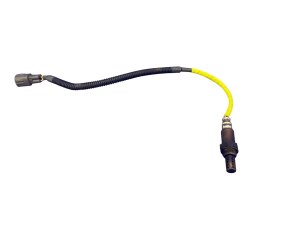
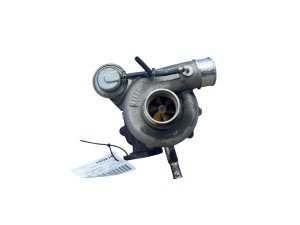

New Aftermarket Parts Available
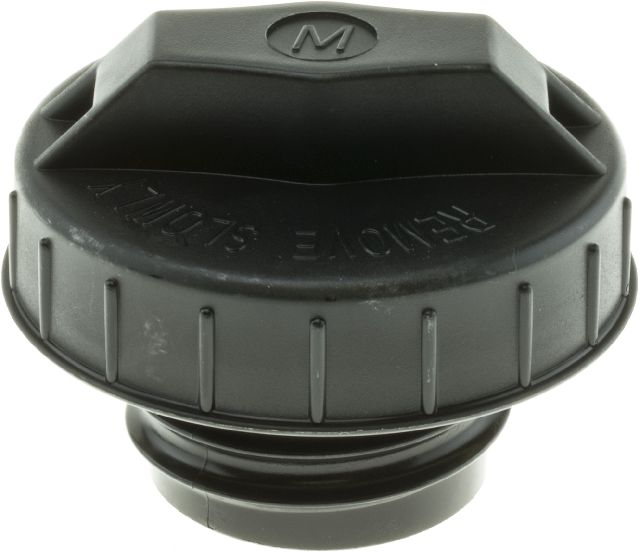

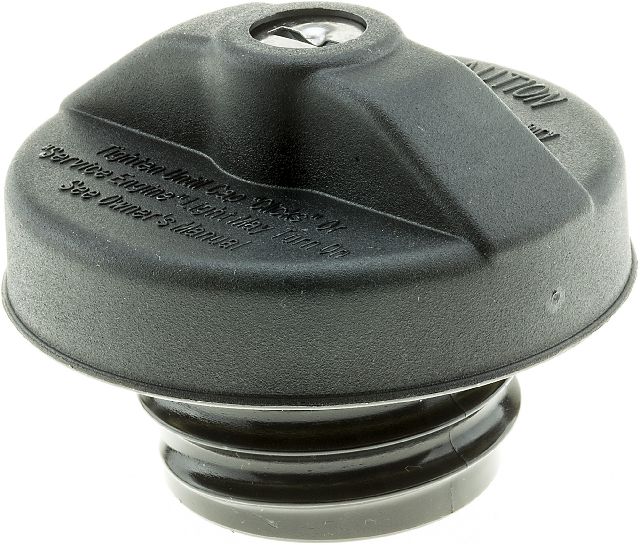

The information in this article is provided for general reference and educational purposes only. Vehicle specifications, procedures, and part compatibility can vary by production date, trim level, and region. Always consult your vehicle's factory service manual and verify part numbers before purchasing or performing repairs. Safety-critical components such as airbags, seat belts, and braking systems should be installed by a qualified professional.
- Subaru WRX:
- 🎬 Helpful Videos
- 🛍️ Shop This Part
- What's Unique About the 2015-2022 Subaru WRX
- Diagnostic Flowchart
- Symptoms You May Notice
- Most Likely Causes
- Rare But Worth Checking
- Diagnosis Steps
- Parts You'll Likely Need
- Related Codes That Often Appear With This One
- Technical Service Bulletins (TSBs) & Recalls
- Platform-Specific Known Issues
- Mechanic-Grade Diagnostic Values
- Wiring & Ground Locations
- Real Owner Repair Stories
- "I Checked Everything" — The Actual Cause
- OEM Part Supersession History
- 🎟️ Get 5% Off