

P2096 on 2015-2022 Subaru Outback: Lean Fuel Trim Causes and Fixes
On a 2015-2022 Subaru Outback, code P2096 is most often caused by an exhaust leak before the rear oxygen sensor or a failing rear O2 sensor itself. Exhaust leaks are particularly common. Inspect for exhaust leaks first using a smoke machine, then consider replacing the rear O2 sensor, which costs about $90-$150 for a quality aftermarket part like Denso or NGK.
- P2096 means the exhaust is too lean after the catalytic converter.
- The most likely cause on your Outback is either an exhaust leak or a bad rear oxygen sensor.
- Always check for exhaust leaks before replacing any parts; a smoke test is the best method.
- If there are no leaks, the rear O2 sensor (Bank 1, Sensor 2) is the most probable part to have failed.
- Avoid immediately replacing the front A/F sensor, as it's a common misdiagnosis for this specific code.
What's Unique About the 2015-2022 Subaru OUTBACK

On these Subaru Outback models, the P2096 code is notoriously difficult to diagnose, sometimes referred to as a 'shotgun code' by technicians because the official diagnostic procedure can involve checking and replacing numerous parts. While many issues can cause it, the most common culprits are small, hard-to-find exhaust leaks or a failing rear oxygen sensor. Owners and technicians on forums frequently report that this code can appear intermittently, sometimes taking thousands of miles to return after being cleared, which adds to the diagnostic frustration. The issue is so prevalent that Subaru issued a Technical Service Bulletin (TSB 18-228-25R) to provide a more structured diagnostic procedure.
Diagnostic Flowchart

Tap your situation to follow the diagnostic path that matches what you're seeing on this vehicle.
Generation note: This range covers the end of the 5th generation (2015-2019) and the beginning of the 6th generation (2020-2022) Subaru Outback, both of which primarily use a version of the FB25 engine. The causes and diagnostic principles for P2096 are consistent across these generations and also apply to other Subarus with the same powertrain.
Symptoms You May Notice
- Check Engine Light is on
- Blinking cruise control light and other warning lights (like ABS and traction control) may illuminate simultaneously with the CEL.
- Reduced fuel economy
- Rough idle
- Poor acceleration
- No noticeable symptoms other than the Check Engine Light
- Replacing the front Air/Fuel Ratio sensor when the actual fault is the rear O2 sensor or an exhaust leak. The code specifically references the 'Post Catalyst' system, so the rear sensor and exhaust integrity should be the first suspects.
- Replacing the catalytic converter. A P2096 code is a fuel trim code, not a catalyst efficiency code (like P0420). Replacing the converter is an expensive and usually incorrect fix for P2096.
Most Likely Causes

- Exhaust System Leak 🔴 High Probability Exhaust components like gaskets (especially the donut gasket between the catalytic converter and mid-pipe) and flex pipes can degrade over time, leading to small cracks or leaks that are common triggers for this code on Subarus. These leaks introduce unmetered oxygen into the exhaust stream, which the rear O2 sensor reads as a lean condition.
How to confirm: Perform a visual inspection of the exhaust system from the engine to the rear O2 sensor, looking for soot trails or cracks. A professional will use a smoke machine to feed smoke into the exhaust and watch for where it escapes; this is the most reliable method for finding small leaks. You can also sometimes hear a ticking or hissing sound from the leak, especially when the engine is cold.
Typical fix: Repair the leak. This may involve replacing a gasket, welding a crack, or replacing a section of the exhaust pipe. Sealing small leaks with exhaust paste can be a temporary fix.
Est. part cost: $10-$200 - Failing Rear Oxygen Sensor (Bank 1, Sensor 2) 🔴 High Probability Oxygen sensors are wear items and have a finite lifespan. A sensor can become slow, biased, or contaminated, sending inaccurate lean readings to the ECM. This is a very frequent fix reported by owners, often after exhaust leaks have been ruled out.
How to confirm: A technician can use a scan tool to monitor the voltage of the rear O2 sensor. A healthy post-catalyst sensor should show a relatively stable voltage. A sensor that is stuck low (e.g., below 0.2V) or does not respond correctly to changes in the air/fuel mixture is likely faulty.
Typical fix: Replace the rear oxygen sensor (Bank 1, Sensor 2). It is highly recommended to use OEM or a reputable brand like Denso or NTK, as some aftermarket sensors can cause compatibility issues.
Est. part cost: $90-$180 - Failing Front Air/Fuel Ratio Sensor (Bank 1, Sensor 1) 🟡 Medium Probability The front A/F sensor is critical for primary fuel control. If it provides incorrect (biased lean) data, it can cause the entire system to run lean, which the rear sensor then correctly reports. This is often the culprit if replacing the rear sensor and fixing exhaust leaks doesn't resolve the code.
How to confirm: Monitor the sensor's live data on a scan tool. A lazy or biased front sensor will not react quickly to engine changes. A mechanic might introduce propane into the intake to create a rich condition and verify the sensor responds accordingly.
Typical fix: Replace the front Air/Fuel Ratio sensor (Bank 1, Sensor 1).
Est. part cost: $100-$220 - Intake System Vacuum Leak ⚪ Low Probability
How to confirm: Listen for hissing noises around the engine bay at idle. A smoke machine can be used to fill the intake manifold with smoke to pinpoint the source of the unmetered air leak, such as a cracked hose or bad intake manifold gasket.
Typical fix: Replace the leaking vacuum hose or intake gasket.
Est. part cost: $5-$50 - Low Fuel Pressure / Fuel Delivery Issue ⚪ Low Probability
How to confirm: Connect a fuel pressure gauge to the fuel rail and check if the pressure is within the manufacturer's specifications. This checks for a weak fuel pump, failing regulator, or clogged filter/injectors.
Typical fix: Replace the failing component, such as the fuel pump, fuel filter, or a clogged fuel injector.
Est. part cost: $50-$400
Rare But Worth Checking
- Failing Catalytic Converter: While not a common cause for a lean code, a partially clogged or inefficient converter can sometimes lead to unusual readings from the post-cat O2 sensor. This is typically considered after all other possibilities have been exhausted. A P0420 code is a more direct indicator of catalyst failure.
- Dirty or Faulty Mass Airflow (MAF) Sensor: A dirty MAF sensor can under-report airflow, causing the ECM to command less fuel and create a lean condition. Cleaning the MAF sensor with a dedicated cleaner is a simple and inexpensive diagnostic step.
Diagnosis Steps
- Read the code with an OBD-II scanner to confirm P2096 is present and check for any other codes.
- Thoroughly inspect the exhaust system for any signs of leaks (soot, cracks, rust holes) between the engine and the rear oxygen sensor. A smoke test is the most effective method for finding small leaks. Pay close attention to the gaskets.
- If no leaks are found, use a scan tool to observe the live data from both the front (A/F) and rear (O2) sensors. The rear O2 sensor voltage should be relatively stable and above 0.5V. If it's stuck low (e.g., <0.2V), the sensor is a strong suspect.
- If the rear O2 sensor seems to be working but consistently reading lean, and an exhaust leak has been ruled out, consider replacing the rear O2 sensor. This is the most common repair.
- If a new rear sensor does not fix the issue, re-examine the live data for the front A/F sensor. If it appears lazy, biased, or doesn't respond to induced rich/lean conditions, it may be the root cause.
- If sensors and exhaust are confirmed good, check for intake vacuum leaks using a smoke machine.
- As a final step, check fuel pressure and injector function to rule out a fuel delivery problem.
Parts You'll Likely Need

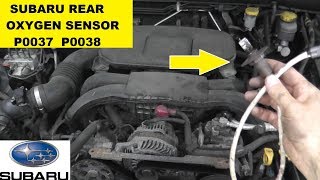
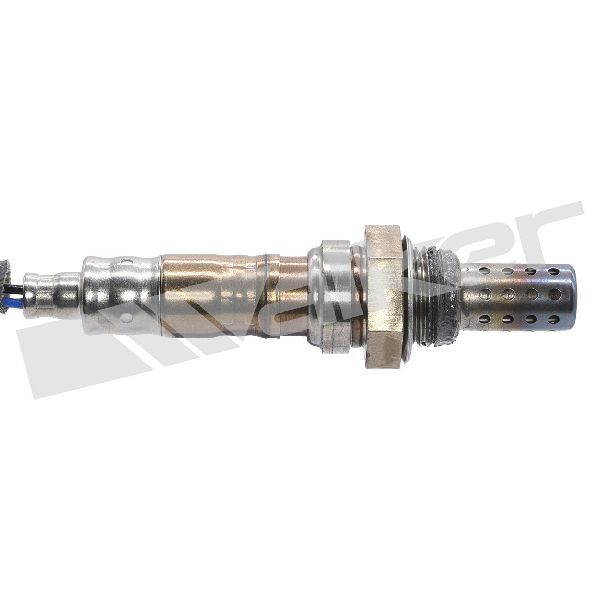
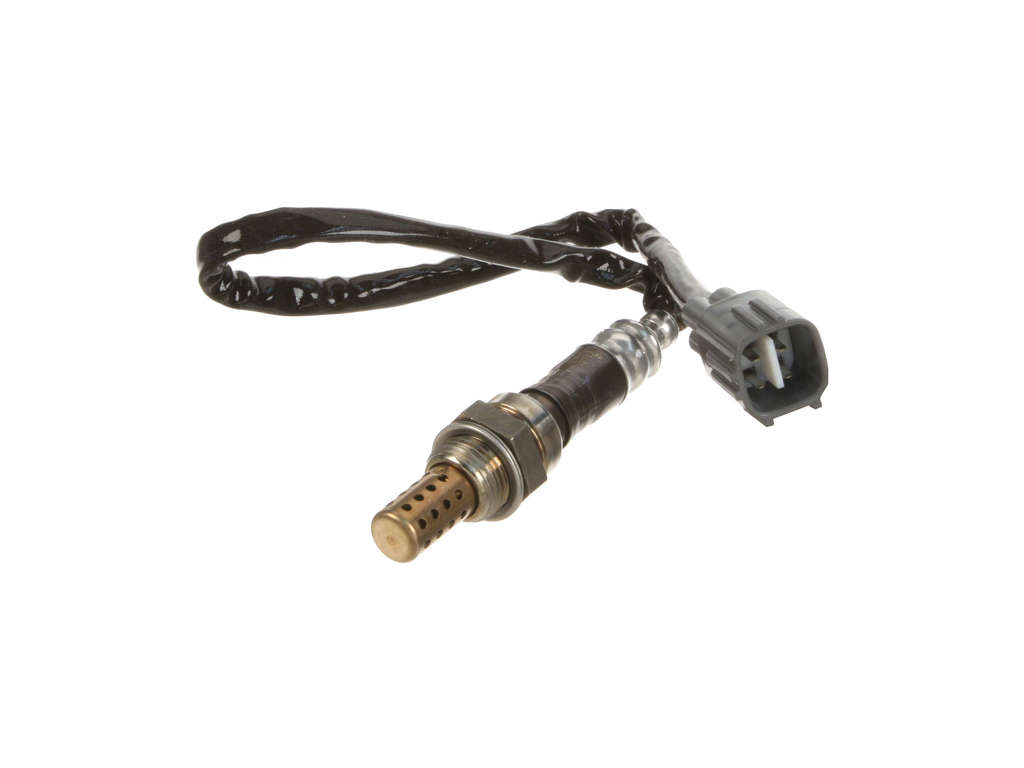
- Rear Oxygen Sensor (Bank 1, Sensor 2)
(OEM #22690AA96A)— This sensor is directly responsible for the measurement that triggers the P2096 code and is a common failure point. Its failure or slow response is the most cited repair.
Trusted brands: Denso (OEM supplier), NGK/NTK
OEM price range: $150-$200
Aftermarket price range: $90-$150 - Front Air/Fuel Ratio Sensor (Bank 1, Sensor 1)
(OEM #22641AA54A)— A faulty front sensor can cause a true lean condition, which the rear sensor correctly reports. It is often the next part to be replaced if a new rear sensor doesn't fix the issue.
Trusted brands: Denso (OEM supplier)
OEM price range: $180-$280
Aftermarket price range: $100-$220 - Exhaust Gasket
(OEM #44616AA330 (Example, varies by location))— Exhaust leaks are a primary cause of P2096, and failed gaskets, particularly the one after the catalytic converter, are a common source of these leaks.
Trusted brands: Fel-Pro, Walker Exhaust
OEM price range: $15-$40
Aftermarket price range: $10-$25
Related Codes That Often Appear With This One
- P0137 - O2 Sensor Circuit Low Voltage (Bank 1, Sensor 2): This code can appear alongside P2096 and further points towards a failing rear oxygen sensor or a related wiring issue.
Technical Service Bulletins (TSBs) & Recalls
- 18-228-25R: Announces updated diagnostic procedures for DTCs P2096 (Post Catalyst Fuel Trim System Too Lean Bank 1) and P2097. It applies to a wide range of Subaru models, including the 2015-2022 Outback, and aims to prevent unnecessary parts replacement by providing a more logical diagnostic flow.
Platform-Specific Known Issues
- Subaru issued Technical Service Bulletin #18-228-25R which outlines updated diagnostic procedures for code P2096, indicating it's a recognized and often misdiagnosed issue.
Mechanic-Grade Diagnostic Values
- Rear O2 Sensor (Bank 1, Sensor 2) Heater Resistance — expected: 5 to 6 Ohms. Failure: No reading (open circuit) or a very high reading, typically over 50 Ohms.
- Rear O2 Sensor (Bank 1, Sensor 2) Voltage (Live Data) — expected: Relatively stable voltage between 0.03V and 1.2V.. Failure: Voltage reading below 0.03V or above 1.2V.
- Front A/F Sensor (Bank 1, Sensor 1) Voltage (Live Data) — expected: Should remain steady at approximately 2.5V on a stable engine.. Failure: Significant deviation from 2.5V at idle.
- Long Term Fuel Trim (Bank 1) — expected: Close to 0%, typically within +/- 10%.. Failure: Consistently positive values above 10% indicate the ECM is adding significant fuel to compensate for a lean condition. Readings as high as +28% have been observed with this code.
Hidden / Shadow Codes Worth Checking
- P2096P: This is a 'Pending' code. It indicates a fault was detected on the first 'trip' for a two-trip detection fault. If the fault is not detected on the second consecutive trip, the code may be automatically erased. (see via Standard OBD-II scanner, may be displayed in a 'Pending Codes' or 'Mode $07' section.)
Wiring & Ground Locations
- ECU Grounding Point — The primary ground points for the ECU are located on the top of the intake manifold.. Subarus are known for having sensitive grounding systems. A poor ground connection at the intake manifold can cause a variety of strange electrical issues and fault codes, including incorrect sensor readings that could trigger a P2096.
- Main Engine Bay Grounds — Key grounding points include: 1) The main chassis point where the negative battery cable attaches, 2) The alternator housing, and 3) The engine block itself.. A weak ground at any of these locations can create voltage drops and electrical noise, affecting sensor performance and potentially leading to a false lean code. Ensuring all grounds are clean and tight is a crucial, often overlooked, diagnostic step.
Real Owner Repair Stories
- Reddit user Chippy569 (2012 Subaru Outback) — Check Engine Light with code P2096.
❌ Tried (didn't work) The owner first replaced the front Air/Fuel Ratio sensor (Part 22641AA54A).
✅ What actually fixed it The code returned after replacing the front sensor. The commenter, a technician, noted that in their experience, the P2096 code is caused by the rear O2 sensor in approximately 80% of cases, making it the next logical part to replace. - YouTube channel 'DR...' (2013 Subaru Impreza (similar powertrain logic)) — Check Engine Light with code P2096.
❌ Tried (didn't work) Initial diagnosis focused on major vacuum or exhaust leaks.
✅ What actually fixed it The final fix was replacing two small, cracked rubber hoses in the engine bay. One was a PCV hose that had been taped, and the other was a nearby cracked vacuum line. These small leaks of unmetered air were the root cause. - Ultimate Subaru Message Board user 'brus brother' (2005 Subaru (demonstrates principle)) — Check Engine Light with code P2096.
❌ Tried (didn't work) The user was trying to solve a P0420 (Catalyst Efficiency) code.
✅ What actually fixed it The P2096 code was *caused* by installing an O2 sensor anti-fouler (a spacer that pulls the sensor out of the direct exhaust stream) on the rear O2 sensor. This modification, intended to 'fix' the P0420 code, tricked the ECU into seeing a false lean condition, triggering P2096. The fix is to remove the anti-fouler and address the P0420 code correctly.
"I Checked Everything" — The Actual Cause
- In some cases, the P2096 code is not caused by a leak in the exhaust or main intake tract that a smoke test would find. A confirmed repair for this code on a similar Subaru engine was the replacement of small, cracked vacuum hoses, specifically including the PCV hose. These minor air leaks can be difficult to spot and may not be the focus of a standard smoke test, yet they allow enough unmetered air into the engine to trigger the lean code.
When the Usual Fixes Don't Work
- While exhaust leaks and faulty O2 sensors are the most common causes, there are numerous owner accounts where fixing these issues does not resolve the P2096 code. In one documented case, a 2012 Outback owner replaced the front A/F sensor first, but the code returned, with forum consensus pointing to the rear O2 sensor as the more likely culprit. In another instance on a similar engine, the final fix was not a sensor or major leak, but small, cracked PCV and vacuum hoses, demonstrating that minor, hard-to-find air leaks can be the root cause after more obvious parts have been checked.
OEM Part Supersession History
22690AA960→22690AA96A— Standard part revision/update by the manufacturer.
Model Year Variations Within This Range
- 2020-2022: The 6th generation Outback (2020+) introduced a new platform and a 2.4L Turbo (FA24) engine option alongside the 2.5L non-turbo (FB25). The interior is also significantly different, featuring a large, tablet-style touchscreen for most controls. However, TSB 18-228-25R applies to both the 2.5L and 2.4L Turbo models, suggesting the diagnostic logic for P2096 is similar for both engines within this generation.
Helpful Videos
We Have This Part in Stock


The information in this article is provided for general reference and educational purposes only. Vehicle specifications, procedures, and part compatibility can vary by production date, trim level, and region. Always consult your vehicle's factory service manual and verify part numbers before purchasing or performing repairs. Safety-critical components such as airbags, seat belts, and braking systems should be installed by a qualified professional.
- Subaru OUTBACK:
- 🎬 Helpful Videos
- 🛍️ Shop This Part
- What's Unique About the 2015-2022 Subaru OUTBACK
- Diagnostic Flowchart
- Symptoms You May Notice
- Most Likely Causes
- Rare But Worth Checking
- Diagnosis Steps
- Parts You'll Likely Need
- Related Codes That Often Appear With This One
- Technical Service Bulletins (TSBs) & Recalls
- Platform-Specific Known Issues
- Mechanic-Grade Diagnostic Values
- Hidden / Shadow Codes Worth Checking
- Wiring & Ground Locations
- Real Owner Repair Stories
- "I Checked Everything" — The Actual Cause
- When the Usual Fixes Don't Work
- OEM Part Supersession History
- Model Year Variations Within This Range
- 🎟️ Get 5% Off