

P2096 on 2012-2017 Hyundai Accent 1.6L GDI: Causes for Lean Fuel Trim and Fixes
On a 2012-2017 Hyundai Accent, code P2096 is most often caused by an exhaust leak before the downstream O2 sensor. Carefully inspect the exhaust flex pipe for cracks or soot before replacing any sensors. A new downstream O2 sensor is the next most likely fix. This issue is also common on the Kia Rio and Hyundai Veloster with the same engine.
- Do not immediately replace the oxygen sensor. P2096 on this Accent is very often caused by an exhaust leak.
- Thoroughly inspect the exhaust flex pipe for cracks or soot. This is the most likely culprit.
- A smoke test is the most reliable way to confirm an exhaust or intake vacuum leak.
- If no leaks are found, the downstream (post-catalyst) oxygen sensor is the next most probable cause of failure.
- Driving with this code active will negatively impact fuel economy and can cause more expensive damage over time.
What's Unique About the 2012-2017 Hyundai Accent
While P2096 is a generic code, Hyundai and Kia vehicles with the 1.6L GDI engine are particularly prone to cracks in the exhaust flex pipe. This allows outside air to be sucked into the exhaust stream, which fools the downstream oxygen sensor into reporting a false lean condition. 🎬 Watch: A breakdown of what P2096 really means for your car. Owners should be highly suspicious of an exhaust leak as the root cause on this platform before assuming a sensor has failed.
Symptoms You May Notice
- Check Engine Light is on
- Reduced fuel economy
- Rough idle
- Poor or hesitant acceleration
- Engine misfires in some cases
- Louder exhaust noise or ticking sound from the engine bay
- Immediately replacing the downstream oxygen sensor without first checking for exhaust leaks. An exhaust leak is very common on this platform and will cause the new sensor to report the same P2096 code, leading to wasted time and money.
Most Likely Causes
- Exhaust Leak (especially the flex pipe) 🔴 High Probability The braided flex pipe on the front exhaust section is a well-documented failure point on the Accent and its platform-mate, the Kia Rio. Constant vibration and heat cycles cause the flexible joint to crack, allowing unmetered air to enter the exhaust and trigger the P2096 code.
How to confirm: Visually inspect the exhaust system between the engine and the rear O2 sensor for black soot marks, cracks, or holes, especially around the flexible braided pipe. Listen for a ticking or hissing noise that gets louder with RPM. A professional smoke test is the most definitive way to find a leak. Some owners report feeling air puffing out from the leak area.
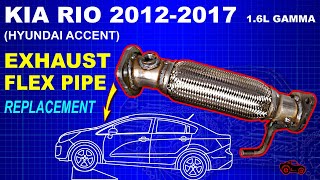
Typical fix: Weld the leak or, more commonly, replace the entire front pipe assembly that includes the flex section. 🎬 See this walkthrough on replacing the exhaust flex pipe. Aftermarket direct-fit pipes are widely available. Replace any failed gaskets during the repair.
Est. part cost: $80-$250 - Faulty Downstream Oxygen Sensor (Bank 1, Sensor 2) 🟡 Medium Probability Oxygen sensors are wear items that degrade over time from heat and contaminants. After an exhaust leak is ruled out, a 'lazy' or failed sensor is the next logical culprit.
How to confirm: If no exhaust leaks are found, the sensor itself is suspect. Use a scan tool to monitor the downstream O2 sensor's voltage. A healthy sensor on a warm engine at steady RPM should show a relatively stable voltage (typically 0.6-0.8V). If it's stuck low (e.g., below 0.2V) or mimics the rapid switching of the upstream sensor, it's likely faulty.
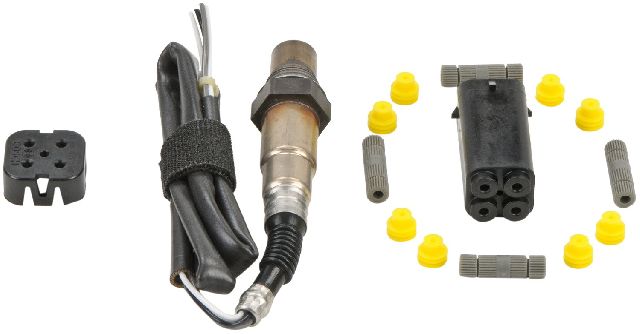
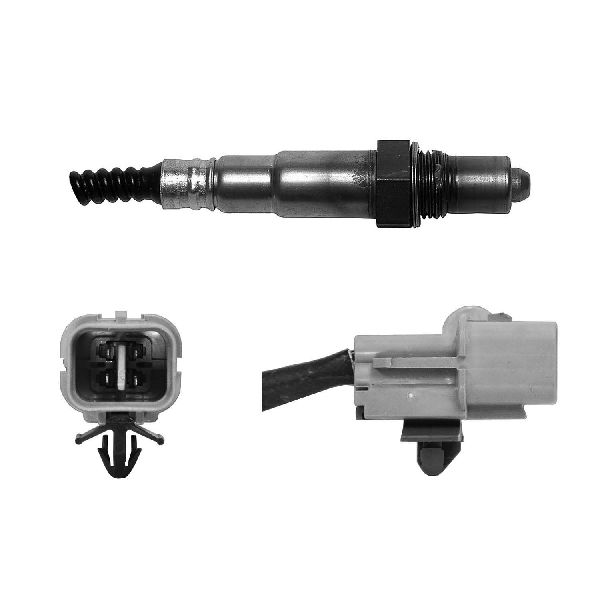
Typical fix: Replace the downstream oxygen sensor. The OEM part number is 39210-2B220. 🎬 Watch: How to replace the downstream oxygen sensor yourself.
Est. part cost: $70-$150 - Intake Air (Vacuum) Leak ⚪ Low Probability Vacuum leaks can occur on any vehicle as rubber hoses and gaskets age and crack. While less common for this specific code than an exhaust leak, it's still a possibility.
How to confirm: Listen for a hissing sound around the engine bay at idle. Spray short bursts of brake cleaner or an unlit propane torch around intake manifold gaskets, vacuum hoses, and the air intake tube after the MAF sensor. A change in engine idle indicates you've found the leak.
Typical fix: Replace the cracked hose or failed gasket.
Est. part cost: $10-$100
Rare But Worth Checking
- Clogged or Failing Catalytic Converter: This is an expensive repair and should be the last thing to check. A clogged converter can restrict exhaust flow and cause strange sensor readings. Use an infrared thermometer to check the temperature of the pipe before and after the converter when the engine is hot. The outlet should be significantly hotter than the inlet.
- Low Fuel Pressure or Clogged Injectors: If the engine is truly running lean, the cause could be fuel-related. This would likely be accompanied by other symptoms like misfires or a P0171 code. Check fuel pressure with a gauge to ensure it's within spec (approx. 40-75 PSI for the low-pressure pump in GDI systems).
- Faulty Upstream Oxygen Sensor (Bank 1, Sensor 1): A failing upstream O2 sensor can send incorrect data to the PCM, causing it to lean out the fuel mixture excessively, which is then detected by the downstream sensor. This is less common than the downstream sensor failing but is possible.
- Damaged O2 Sensor Wiring: On the related Hyundai Veloster, owners report the downstream O2 sensor wiring harness can sag and melt on the hot exhaust pipe. It is worth visually inspecting the harness for any signs of melting, chafing, or damage.
Diagnosis Steps
- Scan for any other trouble codes. If other codes like P0171 or P0137 are present, their diagnosis may lead to the root cause.
- Perform a thorough visual and audible inspection of the exhaust system from the engine manifold to the downstream O2 sensor. Look for black soot stains and listen for hissing/ticking noises. Pay close attention to the braided flex pipe section.
- If an exhaust leak is suspected but not obvious, perform a smoke test to pinpoint its location.
- If no exhaust leaks are found, inspect the engine's air intake system for cracks in hoses or loose connections that could cause a vacuum leak.
- Inspect the downstream O2 sensor wiring harness for any signs of melting, chafing, or damage where it might contact the exhaust.
- Use a scan tool to observe the live data from both the upstream (Sensor 1) and downstream (Sensor 2) oxygen sensors. The upstream sensor should switch rapidly between high and low voltage, while the downstream should be relatively steady and above 0.5V on a warm, running engine.
- If the downstream O2 sensor voltage is stuck low (e.g., below 0.2V) and does not respond, and no exhaust leaks are present, it is likely faulty and needs replacement.
- If all else fails, test fuel pressure to rule out a weak fuel pump or clogged filter.
- As a final step, inspect the catalytic converter for signs of clogging or damage.
Parts You'll Likely Need
- Front Exhaust Pipe with Flex Joint
(OEM #28610-1R220)— This is the most common point of failure leading to P2096 on this platform. The original flex pipe cracks, causing a pre-sensor exhaust leak. Replacement involves the entire front pipe assembly.
Trusted brands: Walker, AP Exhaust, Bosal
OEM price range: $250-$360
Aftermarket price range: $80-$150 - Downstream Oxygen Sensor
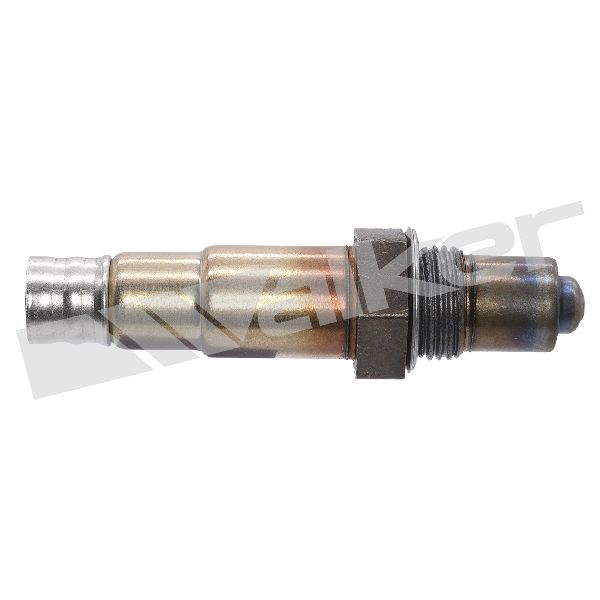
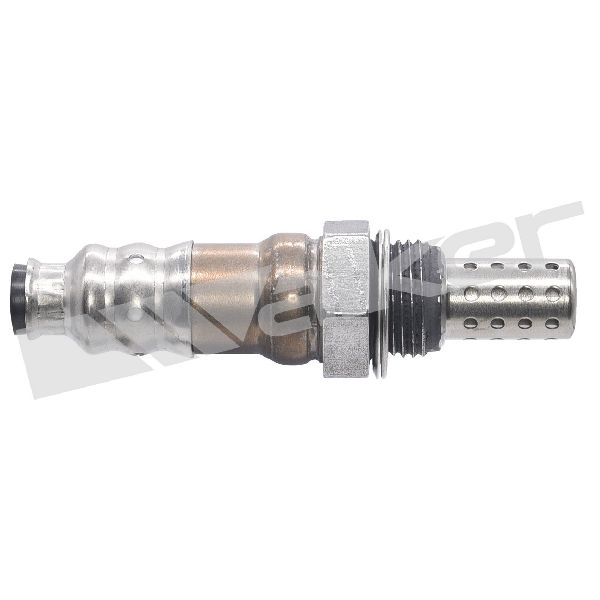
(OEM #39210-2B220)— This sensor is responsible for triggering the code. If it becomes slow or contaminated, it can send false lean readings. It is a common failure item after exhaust leaks are ruled out.
Trusted brands: Denso, Bosch, NTK
OEM price range: $120-$180
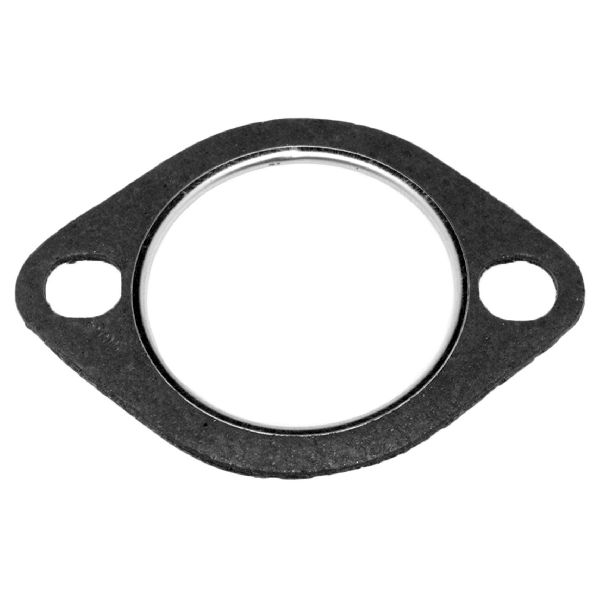
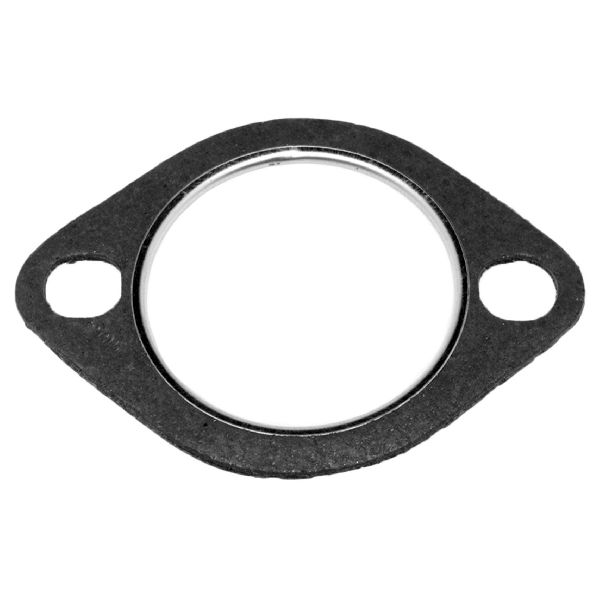
Aftermarket price range: $70-$120 - Exhaust Gasket / Seal — If an exhaust leak is found at a flange connection, or if the front pipe is replaced, new gaskets will be required to ensure a proper seal.
Trusted brands: Fel-Pro, Walker
OEM price range: $15-$30
Aftermarket price range: $5-$15
Related Codes That Often Appear With This One
- P0171 — This code means 'System Too Lean (Bank 1)' and indicates the *upstream* O2 sensor is also detecting a lean condition. It points towards a true lean condition caused by a vacuum leak or fuel delivery issue, rather than a false reading from an exhaust leak.
- P0420 — This code means 'Catalyst System Efficiency Below Threshold'. If the catalytic converter is failing or clogged, it can trigger both P0420 and P2096 as exhaust gases are not being processed correctly.
- P0137 — 'O2 Sensor Circuit Low Voltage (Bank 1, Sensor 2)'. This code directly points to a problem with the downstream O2 sensor or its circuit and often appears alongside P2096 if the sensor itself has failed.
Technical Service Bulletins (TSBs) & Recalls
- TSB ENG222: While not directly for code P2096, this TSB addresses excessive oil consumption for multiple Hyundai/Kia engines, including the 1.6L Gamma. It provides a diagnostic flowchart for dealers. Severe oil consumption could potentially affect emissions components long-term.
Platform-Specific Known Issues
- A recurring theme in owner forums is the misdiagnosis of this code. Many owners replace the downstream O2 sensor first, only to have the P2096 code return shortly after. The actual cause is then discovered to be a hairline crack in the exhaust flex pipe, which is difficult to see without a thorough inspection or smoke test.
Mechanic-Grade Diagnostic Values
- Downstream O2 Sensor (B1S2) Heater Resistance — expected: Approx. 9.0 Ω at 20°C (68°F). General acceptable range is 4-20 Ω.. Failure: An open circuit (infinite resistance/OL on multimeter) or a short circuit (near 0 Ω) indicates a failed heater element.
- Upstream O2 Sensor (B1S1) Heater Resistance — expected: 2.4 - 4.0 Ω at 20°C (68°F).. Failure: A reading outside this range indicates a fault in the upstream sensor's heater, which can indirectly affect downstream readings.
- Downstream O2 Sensor (B1S2) Voltage — expected: Relatively steady voltage between 0.6V and 1.0V on a fully warmed-up engine at steady RPM.. Failure: Voltage is stuck low (e.g., < 0.2V) or fluctuates rapidly, mimicking the upstream sensor.
- High-Pressure Fuel Rail Pressure (at idle) — expected: 2.0 - 15 MPa (290 - 2175 psi).. Failure: Pressure significantly below or above this range indicates a problem with the high-pressure fuel pump (HPFP) or rail pressure sensor.
- Low-Pressure Fuel Pump Supply Pressure — expected: 40 - 75 psi.. Failure: Pressure below this range indicates a weak in-tank fuel pump, clogged filter, or faulty regulator.
- ECM Power Ground at Connector — expected: Max. 50 mV between the ECM's ground pins and the chassis ground.. Failure: Higher voltage indicates a poor ground connection, which can cause erratic sensor readings.
Wiring & Ground Locations
- ECM Pin 25 — At the main Engine Control Module (ECM) harness connector.. This pin is the heater control output for the downstream O2 sensor (Bank 1, Sensor 2). A break in the wire to this pin would cause the heater to fail, affecting sensor accuracy and potentially contributing to the P2096 code.
- ECM Pin 41 — At the main Engine Control Module (ECM) harness connector.. This is the dedicated sensor ground for the downstream O2 sensor (Bank 1, Sensor 2). A poor connection or break in this wire will cause incorrect voltage readings, leading to a false lean code.
- Downstream O2 Sensor Connector — Located at the top rear of the engine bay, clipped to a metal bracket. It is accessible from above the engine.. Knowing the physical location is critical for testing voltage/resistance at the harness and for replacing the sensor. It allows for inspection of the connector for corrosion or damage without raising the vehicle.
Real Owner Repair Stories
- YouTube video by 'Alex's Garage' (2014 Hyundai Accent) — Check engine light, needed to replace downstream O2 sensor.
❌ Tried (didn't work) Attempting to remove the seized oxygen sensor with a standard O2 sensor socket while the exhaust pipe was still on the car.
✅ What actually fixed it The downstream oxygen sensor was seized in the exhaust pipe. The mechanic's tip was to unbolt and remove the entire front pipe/catalytic converter section, place it in a vise, and then use heat (a torch) and penetrating oil (like PB Blaster) to safely remove the seized sensor without damaging the exhaust pipe.
Model Year Variations Within This Range
- 2012-2015: Earlier models of the 1.6L GDI engine are noted to be more susceptible to carbon buildup and excessive oil consumption. This can lead to premature failure of O2 sensors and the catalytic converter due to contamination, making them a more likely root cause for P2096 on these earlier years compared to later models.
Diagnostic Flowchart
Other Known Issues on This Vehicle
Issues unrelated to this code that are worth knowing about as an owner of this generation:
- Engine Misfires / Rough Idle 🟠 Medium — Commonly reported, can occur at various mileages. Often caused by failing ignition coils or carbon buildup.
- Automatic Transmission Hard Shifting / Slipping 🔴 High — A significant number of owners report harsh shifting, jerking, or hesitation, particularly in the 2012-2015 model years. Often attributed to failing transmission solenoids.
- Faulty Canister Purge Control Valve (PCSV) 🟡 Low — Can cause a rough idle, difficulty starting after refueling, and other evaporative emissions codes. It's a relatively common and inexpensive fix.
- No Sound from Stereo / Radio Failure 🟡 Low — Widespread reports of the factory radio unit failing, where sound cuts out and eventually stops working entirely across all inputs (FM, CD, Bluetooth).
- Excessive Oil Consumption 🟠 Medium — Some Gamma GDI engines may consume oil. Hyundai/Kia have a TSB (ENG222) outlining a procedure for dealers to diagnose and address oil consumption complaints. (Ref: TSB ENG222)
- Premature Rear Shock Wear 🟡 Low — Owners have noted that rear shocks can wear out prematurely, leading to a bouncy ride and noise from the rear suspension.
Used vs. New Parts: Buying Guide for This Vehicle
When a used part is the smart pick: A used front exhaust pipe assembly (with the flex pipe) can be a cost-effective repair if sourced from a low-mileage vehicle that was not operated in a region where road salt is used heavily.
Donor-vehicle mileage cap: roughly under 60000 miles for the part to have meaningful remaining life.
What to inspect on the donor part:
- Inspect the flex pipe's braided mesh for fraying, looseness, or black soot marks which indicate a crack.
- Check all welds for signs of rust-through or cracking.
- Ensure mounting flanges are flat and not severely corroded.
- Avoid parts with heavy surface rust, as this suggests it may be brittle.
OEM-only on this vehicle (don't cheap out):
- Oxygen Sensors: These are wear items with a finite lifespan. A used sensor has unknown life remaining and is not worth the labor cost to install, as it may fail shortly after.
Aftermarket brands forum-validated for this vehicle:
- Oxygen Sensors: Denso, NTK, Bosch
- Exhaust Pipe: Walker, AP Exhaust, Bosal
Brands owners have reported issues with on this vehicle:
- Cheap, unbranded 'universal' oxygen sensors have a high failure rate and can cause the code to return.
Real Owner Stories
Aggregated from forums and TSBs cited above. Mileages and costs reflect what owners reported in those sources.
2013 Hyundai Accent 1.6L
Symptoms: Check engine light goes on and off intermittently.
What fixed it: No fix was performed; the owner was advised the code was emissions-related and not critical for vehicle operation unless passing an emissions test.
Source hint: Reddit r/MechanicAdvice
2012-2017 Kia Rio 1.6L Gamma GDI
Symptoms: P2096 code triggered by exhaust system issues identical to the Accent platform.
What fixed it: Repairing a cracked exhaust flex pipe or replacing the downstream O2 sensor.
Source hint: Platform-mate data for Kia Rio 1.6L Gamma GDI
Related OBD-II Codes
Frequently Asked Questions
Is there a specific part number for the downstream oxygen sensor on my 2012-2017 Hyundai Accent?
I've heard the flex pipe is a common issue on the Accent; how can I check it for a P2096 code?
Does TSB ENG222 relate to my P2096 code on the 1.6L Gamma engine?
Can I use a scan tool to verify if my downstream O2 sensor is actually bad before replacing it?
Why did my P2096 code return after I already replaced the downstream oxygen sensor?
Are there any other common issues on the 2012-2017 Accent that might cause a rough idle alongside P2096?
Helpful Videos


We Have This Part in Stock

The information in this article is provided for general reference and educational purposes only. Vehicle specifications, procedures, and part compatibility can vary by production date, trim level, and region. Always consult your vehicle's factory service manual and verify part numbers before purchasing or performing repairs. Safety-critical components such as airbags, seat belts, and braking systems should be installed by a qualified professional.
- Hyundai Accent:
- 🎬 Helpful Videos
- 🛍️ Shop This Part
- What's Unique About the 2012-2017 Hyundai Accent
- Symptoms You May Notice
- Most Likely Causes
- Rare But Worth Checking
- Diagnosis Steps
- Parts You'll Likely Need
- Related Codes That Often Appear With This One
- Technical Service Bulletins (TSBs) & Recalls
- Platform-Specific Known Issues
- Mechanic-Grade Diagnostic Values
- Wiring & Ground Locations
- Real Owner Repair Stories
- Model Year Variations Within This Range
- Diagnostic Flowchart
- Other Known Issues on This Vehicle
- Used vs. New Parts: Buying Guide for This Vehicle
- Real Owner Stories
- 2013 Hyundai Accent 1.6L
- 2012-2017 Kia Rio 1.6L Gamma GDI
- Related OBD-II Codes
- Frequently Asked Questions
- 🎟️ Get 5% Off