

P2096 on 2021-2022 Genesis G80 3.5L: Post-Catalyst Lean Code Fixes
For the 2021-2022 Genesis G80 3.5L, code P2096 is most often caused by a software glitch in the engine computer. The primary fix is a simple software update performed by a Genesis dealer, as outlined in a technical service bulletin (TSB #22-FL-001G).
- The first and most important step for a P2096 code on a 2021-2022 Genesis G80 3.5L is to have a dealer perform the software update specified in TSB 22-FL-001G.
- This code is often triggered by a software issue, not a failed part.
- Do not replace the oxygen sensor or other parts before the software update has been completed.
- The vehicle is generally safe to drive with this code, as it usually does not cause performance problems.
- The issue is also present on the 2021-2022 GV80 and 2022 GV70 with the same 3.5L engine, and is covered by the same TSB.
What's Unique About the 2021-2022 Genesis G80
Unlike many vehicles where P2096 points to exhaust leaks or bad sensors, on the 2021-2022 G80 with the 3.5L T-GDI engine, Genesis has identified a specific software issue. A technical service bulletin was issued because the engine control module's logic was overly sensitive, triggering the code without an actual mechanical fault. This makes a dealer software update the most common and necessary first step, often resolving the issue without replacing any parts.
🎬 Watch: What this code means and how to fix itSymptoms You May Notice
- Check Engine Light illuminated
- No noticeable drivability issues in most cases
- Replacing the Bank 1 downstream oxygen sensor before performing the ECM software update. Owners of other Hyundai vehicles have reported this failing to fix the issue.
- Searching for an exhaust leak when no audible signs are present, 🎬 Watch: How to find any exhaust leak in minutes before verifying the software version.
- Replacing the catalytic converter without ruling out the O2 sensor and software first.
Most Likely Causes
- Outdated Engine Control Module (ECM) Software 🔴 High Probability Genesis released Technical Service Bulletin 22-FL-001G specifically to address this code being triggered due to sensitive ECM logic. The bulletin's purpose is to update the ECM for vehicles that 'experience check engine light, no drivability issue, and with either... P2096... or P2098... found stored in the ECM'.
How to confirm: A Genesis dealer can check the vehicle's software version against the latest version specified in the TSB. The update is performed using the Genesis Diagnostic System (GDS).
Typical fix: Reprogramming the ECM with the updated software (Event #746 for the G80). This is a dealer-level service and is typically covered under the emissions warranty.
Est. part cost: $0
Rare But Worth Checking
- Exhaust System Leak: An exhaust leak between the upstream and downstream oxygen sensors can allow extra air to enter the exhaust, fooling the downstream sensor into reading a lean condition. This is a common generic cause but is much less likely than the software issue on this specific vehicle.
- Faulty Downstream Oxygen Sensor (Bank 1): The sensor itself could be failing or contaminated, sending incorrect readings to the ECM. This is a common cause on other vehicles but should only be considered after the TSB has been performed on the G80. Forum users with other Hyundai models have reported replacing the O2 sensor, sometimes with non-OEM parts, without resolving the code, highlighting the importance of proper diagnosis.
- Leaking Fuel Injectors: While uncommon, a leaking fuel injector can cause a lean condition. In one instance on a Genesis Coupe forum, an owner with a P2096 code and rough acceleration found that replacing the fuel injectors solved the problem, which was also accompanied by a fuel smell in the engine oil.
- Clogged or Failing Catalytic Converter: A failing catalytic converter might not process the exhaust gases correctly, leading to abnormal oxygen readings downstream. This is an expensive and uncommon failure on a late-model vehicle. This may also be accompanied by a P0420 catalyst efficiency code.
Diagnosis Steps
- Scan the ECM for any other stored trouble codes. Note them, but prioritize P2096.
- Contact a Genesis dealer and reference TSB #22-FL-001G.
- Have the dealer verify the current ECM software version and perform the update (Event #746 for G80) if it is outdated.
- After the update, clear all DTCs and perform a test drive to confirm the fix.
- If the code returns after the software update, proceed with standard diagnostics for a lean condition.
- Inspect the exhaust system for leaks, especially at gaskets and flex pipes between the front and rear O2 sensors on Bank 1.
- Using a capable scan tool, monitor the live data for the Bank 1 downstream oxygen sensor. A healthy sensor should show a relatively stable voltage, while a sensor reading a lean condition will be consistently low (under 0.4V). 🎬 See this guide on how to test an oxygen sensor
- If other causes are ruled out, inspect the catalytic converter for damage or clogging. A clogged converter may glow red after the engine has been running.
Parts You'll Likely Need
- No parts typically needed — The most common fix is a software update (TSB 22-FL-001G) that requires no physical parts. The dealer performs this as a warranty or customer satisfaction campaign.
OEM price range: $0
Aftermarket price range: $0 - Oxygen Sensor (Downstream, Bank 1)
(OEM #Not verifiable in searches. Must confirm with dealer via VIN.)— If the code persists after the software update, a faulty oxygen sensor is the next most likely component to fail. It is critical to use a high-quality OEM or equivalent sensor, as some owners of other models have had issues with aftermarket sensors not resolving the code.
Trusted brands: Bosch, Denso, Hyundai/Genesis OE
OEM price range: $150-$250
Aftermarket price range: $80-$150
Related Codes That Often Appear With This One
- P2098 — This is the same 'Post Catalyst Fuel Trim System Too Lean' code but for Bank 2. The Genesis TSB 22-FL-001G addresses both P2096 and P2098, as the software logic affects both banks.
Technical Service Bulletins (TSBs) & Recalls
- 22-FL-001G: Titled 'G80/GV80/GV70 3.5L DTC P2096/P2098', this TSB provides the ECM software update to improve the detection logic for these lean codes. It is the primary and most crucial fix for this specific issue. Manufacturer Bulletin #22-FL-001G specifically notes that affected vehicles may experience a check engine light with no drivability issues while storing P2096 or P2098 in the ECM.
Platform-Specific Known Issues
- A known software anomaly in the Engine Control Module can cause this code to set without any mechanical fault, as documented in Genesis TSB 22-FL-001G. The bulletin describes the issue as the ECM logic being too sensitive.
Mechanic-Grade Diagnostic Values
- Downstream O2 Sensor (Lambda) Heater Resistance — expected: Approximately 4 to 15 Ohms when cold. Some sources indicate a new sensor is around 9 Ohms.. Failure: A reading of infinity or 'OL' (Open Loop) on a multimeter indicates a failed, open heater circuit. A very high resistance (e.g., over 200 Ohms) when hot can also indicate a problem.
- ECM Code Setting Threshold (Lambda Shift Controller) — expected: The ECM sets DTC P2096 if the post-catalyst fuel trim adaptation is not occurring and the lambda shift controller value exceeds a threshold, such as > 2.5% for a duration of 15 seconds.. Failure: Observing this value persistently exceeding the threshold on a dealer-level (GDS) scan tool would confirm the condition that triggers the code.
Wiring & Ground Locations
- Battery Location — The 12V battery is located in the trunk, on the right side, behind a cover panel.. For any electrical diagnosis of the O2 sensor circuits or if replacing the sensor, it is standard procedure to disconnect the negative battery terminal. Knowing its location in the trunk is essential for safety and to prevent accidental shorts.
- ECM Connector — The ECM and its main connectors are located in the engine bay. Service procedures, such as one for replacing A/C components on the 3.5T engine, require disconnecting the ECM connector for access.. If advanced circuit integrity testing (checking for continuity or shorts between the O2 sensor and the ECM) is required, technicians will need to access and disconnect this connector to probe the pins.
Diagnostic Flowchart
Used vs. New Parts: Buying Guide for This Vehicle
When a used part is the smart pick: For this specific P2096 issue on the G80, buying used parts is generally not recommended as the first step. The primary cause is a software update. If a hardware fault is confirmed *after* the TSB is performed, a used part may be considered for cost savings, but with caution.
Donor-vehicle mileage cap: roughly under 50000 miles for the part to have meaningful remaining life.
What to inspect on the donor part:
- For an O2 sensor, ensure the donor vehicle was not involved in a collision near the exhaust system.
- Check for any visible damage to the sensor's wiring, connector, and ceramic insulator.
- Avoid sensors from vehicles that had known engine issues (e.g., burning oil, coolant leaks) as this can contaminate the sensor tip.
OEM-only on this vehicle (don't cheap out):
- Oxygen Sensor: While not strictly 'OEM-only,' forums for various Hyundai/Genesis models contain numerous reports of aftermarket O2 sensors failing to resolve P2096/P2098 codes, or failing prematurely. Using a genuine Hyundai/Genesis part is strongly advised to avoid repeat repairs.
Aftermarket brands forum-validated for this vehicle:
- Denso
- Bosch (often the OEM supplier)
Brands owners have reported issues with on this vehicle:
- Unbranded or generic 'white-box' sensors from online marketplaces are frequently cited as problematic in forum discussions for similar Hyundai/Genesis lean codes.
Real Owner Stories
Aggregated from forums and TSBs cited above. Mileages and costs reflect what owners reported in those sources.
Genesis Coupe
Symptoms: Owner experienced a lengthy and expensive diagnostic process that included testing the fuel pump, catalytic converter, and O2 sensors.
What fixed it: The issue was not confirmed resolved in the report, but the final step was an investigation into the fuel injectors, highlighting the complexity of the code when it's not a simple software issue.
Source hint: Reddit r/genesiscoupe thread titled 'Code P2096'
2013 Hyundai Tucson
Symptoms: The P2096 code kept returning despite the owner replacing the gas cap and O2 sensor and seeking multiple professional opinions.
What fixed it: The issue was not resolved. This serves as a cautionary tale against replacing parts without a definitive diagnosis.
Source hint: Reddit r/AskMechanics thread titled 'Hyundai with P2096 Code'
Hyundai i30
Symptoms: The P2096 code returned even after a mechanic replaced the downstream O2 sensor.
What fixed it: The issue was not resolved. The mechanic blamed the non-OEM replacement part, emphasizing the potential for part quality sensitivity.
Source hint: Reddit r/MechanicAdvice thread titled 'Persistant P2096'
Related OBD-II Codes
Frequently Asked Questions
My 2021 G80 3.5L has a Check Engine Light for P2096 but it drives perfectly fine. What's the most likely cause?
Is there a TSB or recall for the P2096 code on my Genesis G80?
Will the software update to fix P2096 be covered under my G80's warranty?
What is the first step I should take to get this P2096 code fixed on my 2022 G80?
The dealer performed the software update, but the P2096 code came back. What should be checked next?
Does this P2096 software issue affect other Genesis models besides the G80?
If it turns out I need a new oxygen sensor, is it okay to use a cheaper aftermarket one?
Helpful Videos
Used OEM Parts in Stock
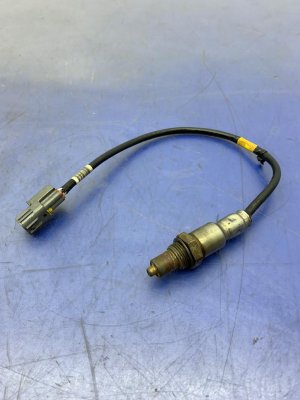
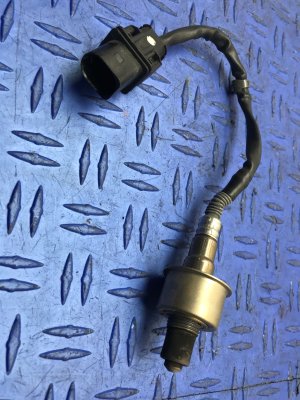
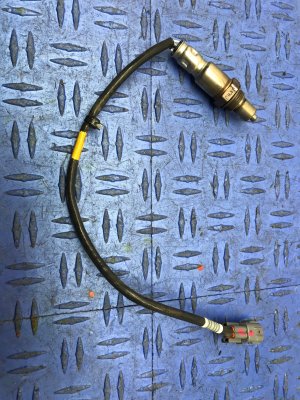
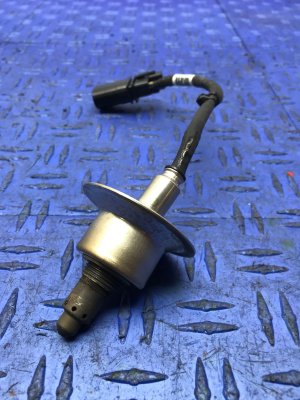
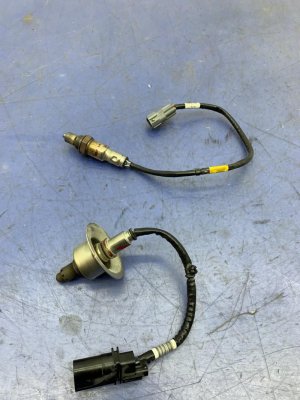
New Aftermarket Parts Available
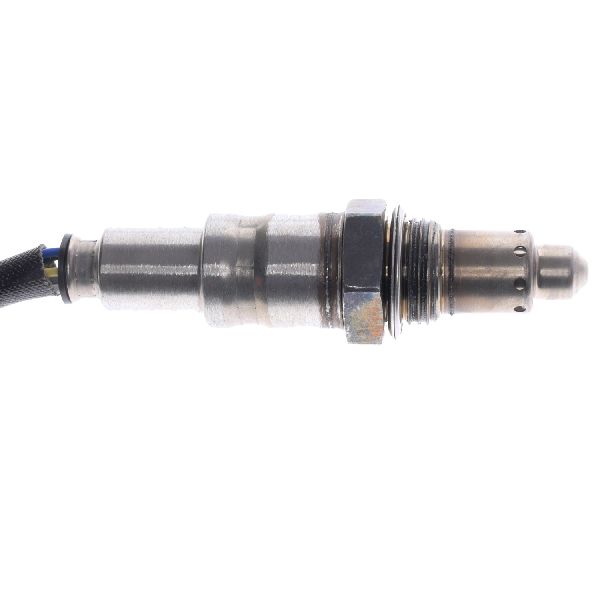

The information in this article is provided for general reference and educational purposes only. Vehicle specifications, procedures, and part compatibility can vary by production date, trim level, and region. Always consult your vehicle's factory service manual and verify part numbers before purchasing or performing repairs. Safety-critical components such as airbags, seat belts, and braking systems should be installed by a qualified professional.
- Genesis G80:
- 🎬 Helpful Videos
- 🛍️ Shop This Part
- What's Unique About the 2021-2022 Genesis G80
- Symptoms You May Notice
- Most Likely Causes
- Rare But Worth Checking
- Diagnosis Steps
- Parts You'll Likely Need
- Related Codes That Often Appear With This One
- Technical Service Bulletins (TSBs) & Recalls
- Platform-Specific Known Issues
- Mechanic-Grade Diagnostic Values
- Wiring & Ground Locations
- Diagnostic Flowchart
- Used vs. New Parts: Buying Guide for This Vehicle
- Real Owner Stories
- Genesis Coupe
- 2013 Hyundai Tucson
- Hyundai i30
- Related OBD-II Codes
- Frequently Asked Questions
- 🎟️ Get 5% Off