

P2084 on 2014 Ram 1500 EcoDiesel: EGT Sensor Circuit Performance Causes and Fixes
This code indicates a performance problem with the Exhaust Gas Temperature (EGT) Sensor located before the catalytic converter (Bank 1, Sensor 2). The most common fix is replacing the faulty EGT sensor itself. Expect to pay between $80 and $150 for a quality aftermarket sensor. In some cases, a PCM software update may be required per a Technical Service Bulletin.
- P2084 on a 2014 Ram 1500 EcoDiesel points to a performance issue with the EGT sensor located at Bank 1, Sensor 2.
- The most likely cause is a failed EGT sensor, which is a common wear item.
- Before replacing parts, check for any available PCM software updates, as Ram has issued TSBs that address this specific code.
- Always verify you are diagnosing and replacing the correct sensor, as there are several in the exhaust system.
- Inspect the wiring harness for heat damage or corrosion, as this is another common cause.
What's Unique About the 2014-2014 Ram 1500

The 3.0L EcoDiesel in the 2014 Ram 1500 uses a complex aftertreatment system with at least four EGT sensors to manage emissions and DPF regeneration. P2084 specifically points to sensor 1/2, which is located in the inlet of the Diesel Particulate Filter (DPF)/Diesel Oxidation Catalyst (DOC) assembly. This specific code is frequently mentioned in manufacturer Technical Service Bulletins (TSBs) alongside a host of other potential emissions-related codes. This indicates that the issue can be part of a larger pattern and that software updates released by Ram may be relevant. The TSBs suggest that in some cases, a PCM software update is required to correct how the system interprets sensor data, and may be performed in conjunction with cleaning or replacing the sensor.
Diagnostic Flowchart

Tap your situation to follow the diagnostic path that matches what you're seeing on this vehicle.
Symptoms You May Notice
- Check Engine Light (MIL) is illuminated.
- No noticeable drivability symptoms in many cases.
- Potential for the DPF regeneration cycle to be disabled by the PCM.
- Possible reduced engine performance or fuel economy over time.
- In some cases, white smoke from the exhaust may be observed.
- Replacing the wrong EGT sensor. The 3.0L EcoDiesel has multiple EGT sensors. P2084 specifically refers to Bank 1, Sensor 2, which is pre-DPF.
- Replacing the O2 sensor instead of the EGT sensor. While they are both in the exhaust, they serve different functions and are not interchangeable.
- Assuming the sensor is bad when the root cause is a wiring/connector issue. Wiggling the harness while watching live data can sometimes reveal an intermittent connection.
Most Likely Causes

- Faulty Exhaust Gas Temperature (EGT) Sensor (Bank 1, Sensor 2) 🔴 High Probability EGT sensors are exposed to extreme temperatures, vibration, and exhaust contaminants, leading to eventual failure. Soot buildup can also insulate the sensor, causing slow or inaccurate readings.
How to confirm: Use a scan tool to monitor live data for EGT Bank 1 Sensor 2. Compare its readings to other EGT sensors during warmup and driving. If the reading is stuck (often at -40°F or a max value like 999°C), erratic, or doesn't rise with engine temperature, the sensor is likely bad. You can also test the sensor's internal resistance with a multimeter once removed; a reading between 200-240 ohms at room temperature is expected per TSBs. Physically removing the sensor for inspection may reveal heavy soot buildup, which can sometimes be cleaned as a temporary fix.
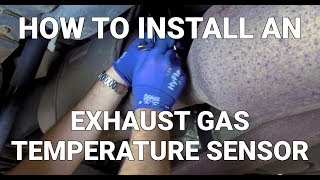
Typical fix: Replace the EGT sensor. The sensor is located in the exhaust pipe, just before the main DPF/DOC assembly. Access is often easier by removing the passenger side front wheel and wheel well liner. Applying penetrating oil before attempting removal is highly recommended due to rust.
Est. part cost: $80-$150 - Damaged Wiring or Connector 🟡 Medium Probability The wiring harness is routed near hot exhaust components and is subject to road debris and corrosion. On EcoDiesel platforms, there are known issues with harnesses rubbing against frame components or brackets, such as the EGR tube clamp, causing wires to chafe and short out.
How to confirm: Visually inspect the entire circuit from the EGT sensor to the PCM. Pay close attention to where the harness passes near the passenger side upper control arm mount and EGR components. Look for burnt, chafed, or broken wires and damaged or corroded connector pins. Perform a continuity test on the signal and ground wires if a visual fault isn't obvious.
Typical fix: Repair the damaged section of the wiring harness or replace the connector pigtail. In some forum-documented cases, owners have had dealers replace entire harness sections to resolve recurring issues. Ensure the repaired harness is properly secured away from any sharp edges or heat sources with zip ties.
Est. part cost: $15-$50 for a pigtail, potentially much higher for a full harness section. - Outdated PCM Software ⚪ Low Probability Ram has issued multiple TSBs (e.g., 18-021-15 REV. E) that bundle a PCM software update to address clusters of emissions-related DTCs, including P2084. The original software may have overly sensitive thresholds for sensor performance, leading to false codes.
How to confirm: A Ram dealership or a properly equipped independent shop can check your vehicle's current software version against the latest available updates using a wiTECH scan tool. The TSB specifically notes that this flash may be done in conjunction with sensor cleaning or replacement.
Typical fix: Reprogram the Powertrain Control Module (PCM) with the latest software version. This is typically a dealer-only or specialist repair.
Est. part cost: $0-$250, depending on dealer labor rates and warranty status.
Rare But Worth Checking
- Exhaust Leak: An exhaust leak upstream of the EGT sensor can introduce ambient air, causing the sensor to report lower-than-actual temperatures. The PCM may interpret this discrepancy compared to other sensors as a performance fault. Check for soot trails or listen for hissing noises around exhaust flanges and gaskets between the turbo and the sensor.
- Faulty Powertrain Control Module (PCM): This is very rare. Before condemning the PCM, all other possibilities, including the sensor, wiring, software, and exhaust leaks must be exhaustively ruled out.
Diagnosis Steps
- Connect an OBD-II scanner and confirm that P2084 is present. Check for any other stored codes and review freeze-frame data.
- Using the scanner's live data function, monitor the readings for all EGT sensors. On the 2014 EcoDiesel, P2084 refers to EGT sensor 1/2.
- Start the engine and watch the EGT 1/2 reading. It should rise steadily with the engine and exhaust temperature. Compare its behavior to EGT 1/1 and 1/3.
- If the reading is stuck (often at -40°F or a maximum value like 999°C), does not change, or is wildly different from the others, the sensor is the primary suspect.
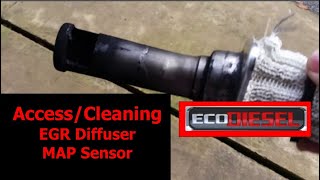
- Perform a thorough visual inspection of the EGT sensor's wiring harness and connector. Trace the wiring from the sensor up towards the main harness, looking for signs of melting, corrosion, or physical damage, especially near the EGR tube clamp 🎬 See this video for EGR diffuser location and cleaning tips. and frame brackets.
- If wiring looks good and the sensor is suspected, turn off the vehicle and allow the exhaust to cool completely.
- Disconnect the sensor and test its resistance with a multimeter. Per TSB 18-021-15 REV. E, the resistance should be between 200 and 240 ohms at room temperature (65-75°F). If the reading is outside this range, the sensor is faulty. An open circuit (infinite resistance) also indicates a failed sensor.
- If the sensor and wiring appear to be in good condition, check for any available TSBs or software updates for the PCM related to emissions systems, such as TSB 18-021-15 REV. E.
- As a final step, inspect for exhaust leaks between the turbocharger and the sensor location by looking for soot trails or listening for hissing sounds.
Parts You'll Likely Need
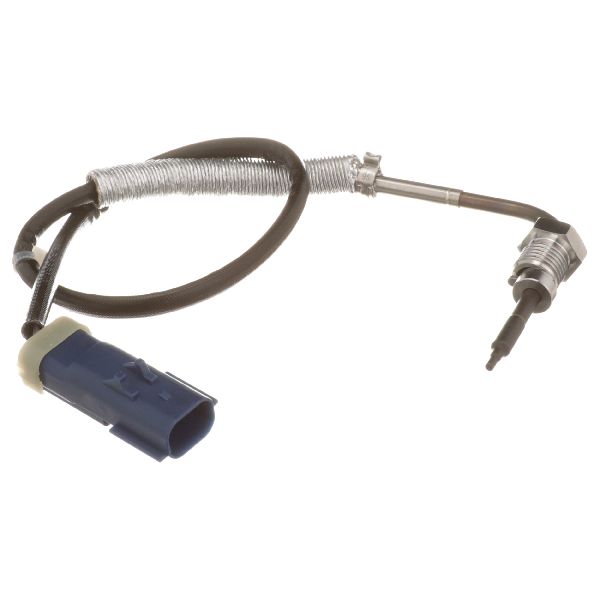
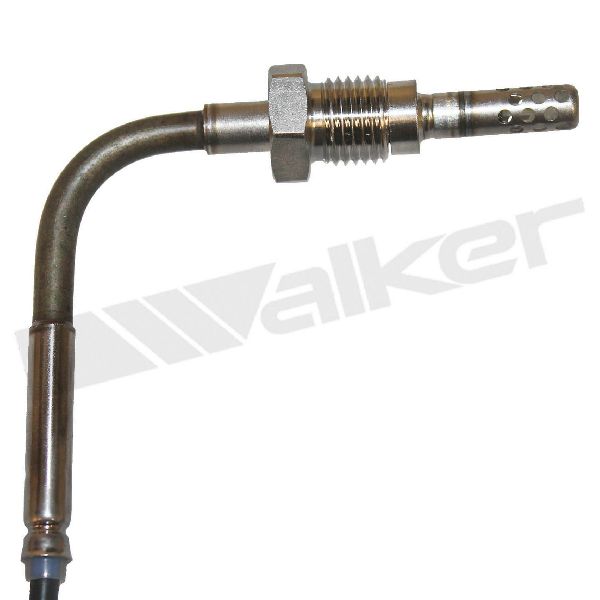
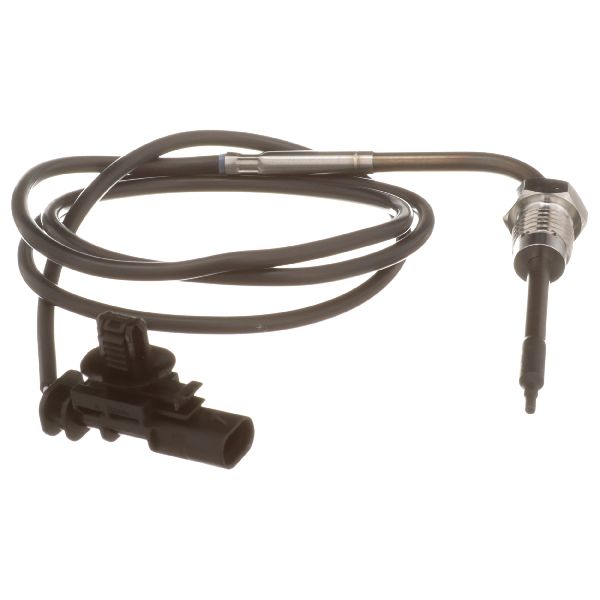
- Exhaust Gas Temperature (EGT) Sensor (Bank 1, Sensor 2)
(OEM #05146662AC, superseded by 05146662AD)— This is the component that directly measures the temperature and is the most frequent point of failure for this code due to the harsh environment it operates in and susceptibility to soot contamination.
Trusted brands: Mopar, Bosch, Walker Products, Dorman, OMIX
OEM price range: $120-$180
Aftermarket price range: $80-$150
Related Codes That Often Appear With This One
- P2459 — Diesel Particulate Filter Regeneration Frequency. An issue with an EGT sensor can disrupt the DPF regeneration process, causing this code to appear. It is listed in the same TSBs as P2084.
- P0133 — O2 Sensor 1/1 Slow Response. This code is listed alongside P2084 in several TSBs, suggesting a related software or system issue that can be corrected with a PCM flash.
- P0426 — Catalyst Temperature Sensor Circuit Performance (1/1). This indicates a problem with another temperature sensor in the exhaust, suggesting a potential systemic issue or wiring problem. It is also listed in TSBs with P2084.
- P2080 — Exhaust Gas Temp Sensor Circuit Performance – Bank 1 Sensor 1. If both sensor 1 and sensor 2 codes appear, it could point towards a wiring harness issue common to both sensors or a significant exhaust leak affecting both readings.
Technical Service Bulletins (TSBs) & Recalls

- 18-021-15 REV. E: Lists P2084 as part of a group of DTCs related to powertrain diagnostic and system enhancements. The fix involves a PCM reprogram and, if necessary, cleaning or replacing the EGT 1/2 sensor and/or the O2 sensor.
- 18-028-14 REV. D (and earlier revisions): Also lists P2084 in a similar group of DTCs that may be resolved with a PCM flash.
- 18-018-14 REV. B: Another bulletin for the 3.0L Diesel that includes P2084 in a list of codes related to diagnostic and system improvements.
Platform-Specific Known Issues
- Several Technical Service Bulletins (TSBs) issued by Ram, including #18-021-15 REV. E, list P2084 as one of several DTCs that can be addressed with a PCM software update. One TSB specifically mentions that the EGT Sensor 1/2 may need to be cleaned or replaced in conjunction with the software update.
- Wiring harness chafing is a known problem. The harness can rub against the EGR tube clamp or other brackets on the passenger side of the engine, leading to shorts or open circuits.
Mechanic-Grade Diagnostic Values

- EGT Sensor 1/2 Resistance — expected: 200 - 240 Ohms at room temperature (65-75°F / 18-25°C). Failure: A resistance reading outside of this specified range, or an open/infinite reading, indicates a faulty sensor.
- EGT Sensor 1/2 Live Data (Scan Tool) — expected: A temperature reading that rises steadily from ambient temperature as the engine warms up.. Failure: The reading is stuck at a default low (-40°F/C) or a fixed high value (e.g., 999.94°C), or does not change with engine temperature.
Scan Tool Commands That Help
- wiTECH: Reset of SCR Long Term Adaptation Factor — This procedure is required after reprogramming the PCM, which is a common step outlined in multiple TSBs for resolving a cluster of DTCs that includes P2084.
Wiring & Ground Locations
- EGT Sensor 1/2 Connector — Located on the passenger's side, almost on top of the transmission. It is a black connector, often with a yellow locking tab, and may be near a brown connector for an O2 sensor.. Correctly identifying this specific connector is crucial for performing resistance and voltage tests to diagnose the P2084 code without confusing it with other nearby exhaust sensors.
Real Owner Repair Stories
- EcoDieselRam.com user 'andrei' (2015 Ram 1500 EcoDiesel, 46k miles) — Check Engine Light with codes P0426 and P0428. When viewing live data, the 'Inlet DPF Exhaust Gas Temperature Sensor (C)' was reading a fixed 999.94 degrees.
❌ Tried (didn't work) Attempting to clear the codes with a scanner was unsuccessful.
✅ What actually fixed it The thread strongly indicates that the sensor had failed with an open circuit, causing the maximum temperature reading. The definitive fix is to replace the sensor that is providing the erroneous, maxed-out reading.
OEM Part Supersession History
05146662AC→05146662AD— Unspecified, but typically for improvements in reliability or materials.
Heads up: None. The new part number is a direct replacement for the original.
Model Year Variations Within This Range
- 2014 (early production): TSB #18-028-14 REV. C, which involves a potential PCM software update for P2084, applies specifically to vehicles built on or before September 08, 2014 (MDH 0908XX). Vehicles built after this date may have the updated software from the factory, making a software update less likely to be the fix.
Helpful Videos
We Have This Part in Stock


The information in this article is provided for general reference and educational purposes only. Vehicle specifications, procedures, and part compatibility can vary by production date, trim level, and region. Always consult your vehicle's factory service manual and verify part numbers before purchasing or performing repairs. Safety-critical components such as airbags, seat belts, and braking systems should be installed by a qualified professional.
- Ram 1500:
- 🎬 Helpful Videos
- 🛍️ Shop This Part
- What's Unique About the 2014-2014 Ram 1500
- Diagnostic Flowchart
- Symptoms You May Notice
- Most Likely Causes
- Rare But Worth Checking
- Diagnosis Steps
- Parts You'll Likely Need
- Related Codes That Often Appear With This One
- Technical Service Bulletins (TSBs) & Recalls
- Platform-Specific Known Issues
- Mechanic-Grade Diagnostic Values
- Scan Tool Commands That Help
- Wiring & Ground Locations
- Real Owner Repair Stories
- OEM Part Supersession History
- Model Year Variations Within This Range
- 🎟️ Get 5% Off