

P2074 on 2016-2019 Ford F-250 SD 6.7L: Causes and Fixes for MAP/MAF Correlation
On 2017-2019 F-250s with the 6.7L engine, code P2074 is most often caused by outdated PCM software. Ford issued multiple Technical Service Bulletins (TSBs) for this exact issue on trucks built on or before January 9, 2019. The fix is a software update and MAF parameter reset performed by a Ford dealer, which typically costs around one hour of labor. Before replacing parts, check for a clogged air filter or a soot-blocked MAP sensor port, which are also very common, low-cost fixes.
- For 2017-2019 models, check for a PCM software update with a Ford dealer before replacing any parts.
- Do not automatically replace the MAF sensor; Ford specifically advised against this as a first step.
- If software is not the issue, thoroughly inspect the entire air intake system for cracks or leaks, especially the charge air cooler pipes.
- A dirty or soot-clogged MAP sensor is another possible hardware cause that can often be fixed by cleaning.
- This code indicates a problem under high load, so test drives should include hard acceleration to try and replicate the fault.
What's Unique About the 2016-2019 Ford F-250 SD
For the 2017-2019 Ford F-250 with the 6.7L Power Stroke engine, this code is very frequently a software issue, not a hardware failure. Ford released several Technical Service Bulletins (TSBs) acknowledging that the original PCM software was too sensitive and could set a P2074 code erroneously on vehicles built on or before January 9, 2019. Before spending money on parts like MAF or MAP sensors, it is critical to check if the vehicle's software has been updated per the TSBs, as this is the most common and manufacturer-documented fix.
Diagnostic Flowchart
Tap your situation to follow the diagnostic path that matches what you're seeing on this vehicle.
Generation note: This range covers the end of the third generation (2016) and the beginning of the fourth generation (2017-2019) of the Ford F-Series Super Duty. The TSBs specifically apply to the 2017-2019 models with the 6.7L engine built on or before a specific date.
Symptoms You May Notice
- Illuminated Malfunction Indicator Lamp (Check Engine Light)
- Reduced engine power or "limp mode"
- Weaker throttle response
- Increased fuel consumption
- Audible 'whooshing' or hissing sound during acceleration if caused by a CAC leak
- Replacing the Mass Air Flow (MAF) sensor without checking for TSBs. Ford Special Service Message SSM 47541 specifically advises *not* to replace the MAF sensor 🎬 Watch: Why you shouldn't replace the MAF sensor first. for this concern on its own.
- Replacing the MAP sensor without cleaning the heavily-sooted port in the intake manifold. A new sensor cannot read pressure through a complete blockage.
- Replacing the Powertrain Control Module (PCM). The issue is typically the software *on* the PCM, not the hardware itself.
Most Likely Causes
- Outdated Powertrain Control Module (PCM) Software 🔴 High Probability Ford issued multiple TSBs (19-2343, 19-2029, SSM 47541) for 2017-2019 models with the 6.7L engine built on or before Jan 9, 2019, stating the PCM software could cause this code.
How to confirm: A Ford dealer can check the vehicle's build date and current PCM software version to see if it's covered by the TSBs.
Typical fix: Reprogramming the PCM with the latest software level and performing a MAF parameter reset using a Ford diagnostic tool. Note: TSB 19-2343 states this update will increase Diesel Exhaust Fluid (DEF) consumption and may cause firmer transmission shifts for several days while the adaptive strategy relearns.
Est. part cost: $0 - Cracked or Leaking Charge Air Cooler (CAC) Pipe 🟡 Medium Probability The factory plastic 'cold-side' CAC pipe connecting the intercooler to the throttle body is a known failure point. High boost pressure and heat cycles can cause it to crack or the retaining clips to fail.
How to confirm: Visually inspect all intake piping, especially the plastic pipe leading to the throttle body, for cracks, loose clamps, or signs of oil residue (which indicates a leak). A loud whooshing sound under acceleration is a common symptom. A smoke test can pressurize the system to reveal hard-to-see leaks.
Typical fix: Replace the cracked or leaking CAC pipe and associated O-rings/seals. Many owners upgrade to more durable aftermarket metal pipes.
Est. part cost: $100-$300 - Dirty or Clogged Manifold Absolute Pressure (MAP) Sensor Port 🟡 Medium Probability The MAP sensor is exposed to exhaust gas recirculation (EGR) byproducts. Soot can build up and completely block the small port in the intake manifold where the sensor reads pressure, causing inaccurate readings even if the sensor itself is fine.
How to confirm: Remove the MAP sensor (held by a single 8mm bolt on top of the intake) and visually inspect its port for heavy soot buildup. The hole may be completely blocked.
Typical fix: Carefully clean the MAP sensor tip with MAF sensor cleaner. More importantly, gently clean the clogged port in the intake manifold using a pick or small screwdriver, then vacuum out the debris. 🎬 See how to clean a soot-clogged MAP sensor port. If cleaning doesn't resolve the issue, replace the sensor.
Est. part cost: $50-$120 - Dirty or Faulty Mass Air Flow (MAF) Sensor ⚪ Low Probability While less common than other causes for this specific code, a MAF sensor can become contaminated with dirt, debris, or oil from aftermarket 'oiled' air filters, causing it to read airflow incorrectly.
How to confirm: Remove and inspect the MAF sensor. Clean with dedicated MAF sensor cleaner. If the problem persists, monitor the MAF sensor data with a scan tool to check for erratic readings.
Typical fix: Clean the MAF sensor. If cleaning doesn't work, replace the sensor. Ford's SSM 47541 specifically advises *not* to replace the MAF sensor for this code without performing other diagnostics first.
Est. part cost: $100-$250
Rare But Worth Checking
- Clogged Engine Air Filter: A severely clogged air filter can restrict airflow enough to cause a correlation error. This is a simple and cheap item to check first. One owner on the Ford Truck Enthusiasts forum fixed a P2074 code simply by cleaning a clogged pre-filter on their aftermarket air filter.
- Faulty Exhaust Gas Temperature (EGT) Sensor: In a rare case documented on a forum, a persistent P2074 code was only resolved after a failed EGT sensor was replaced, which then allowed the main code to be properly cleared.
Diagnosis Steps
- Check for Technical Service Bulletins (TSBs). For any 2017-2019 model, the first step is to contact a Ford dealer with your VIN to see if TSB 19-2343 or others apply. If so, a PCM reflash and MAF reset is the prescribed fix.
- Inspect the Engine Air Filter. A dirty or clogged air filter is a common and simple cause. Replace if dirty.
- Inspect and Clean the MAP Sensor and Port. Remove the MAP sensor (one 8mm bolt) and inspect its port for heavy soot buildup. Clean the sensor and, more importantly, the port in the intake manifold.
- Inspect the Air Intake System. Thoroughly inspect all charge air cooler (CAC) pipes and connections from the turbo to the intake manifold for cracks, loose clamps, or signs of leaks. The plastic cold-side pipe is a common failure point.
- Perform a Smoke Test. If a leak is suspected but not visible, a smoke test will pressurize the intake system with smoke, making small leaks easy to spot. 🎬 Watch this diagnostic story to avoid common repair mistakes.
- Inspect and Clean the MAF Sensor. Remove the MAF sensor and clean it with dedicated MAF sensor cleaner. Do not touch the sensitive wires.
- Monitor Sensor Data. Use an OBD-II scan tool to monitor live data from the MAP, MAF, and Throttle Position sensors during a test drive to see if any sensor is providing erratic or illogical readings.
Parts You'll Likely Need
- Charge Air Cooler (CAC) Pipe (Cold Side)
(OEM #HC3Z-6F073-B (supersedes HC3Z-6F073-A))— If the cause is not the PCM software, a cracked factory plastic intake pipe is the next most likely culprit, causing a boost leak that triggers the code.
Trusted brands: Motorcraft, Mishimoto, SPE Motorsport
OEM price range: $150-$250
Aftermarket price range: $80-$300 - Manifold Absolute Pressure (MAP) Sensor
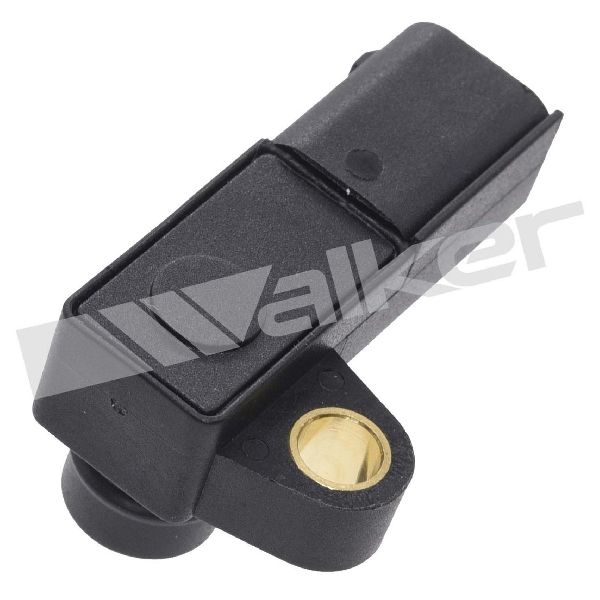
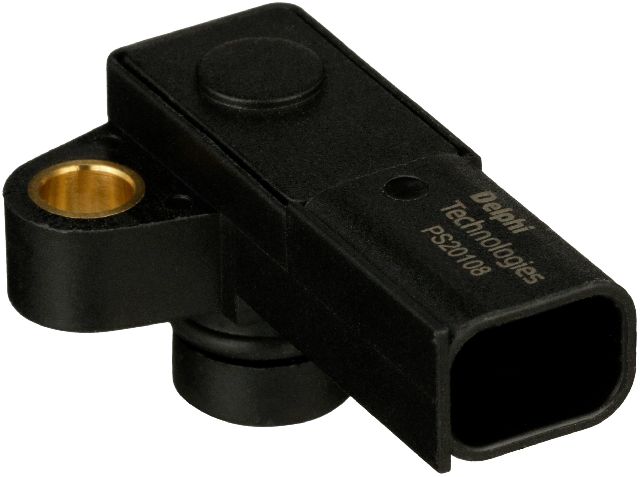
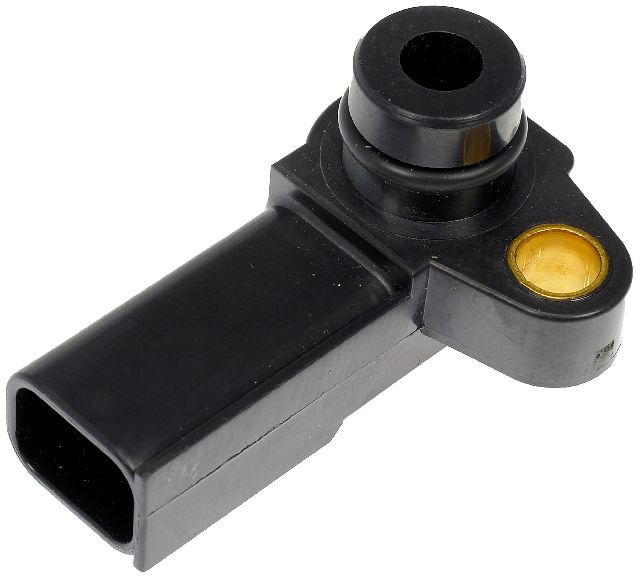
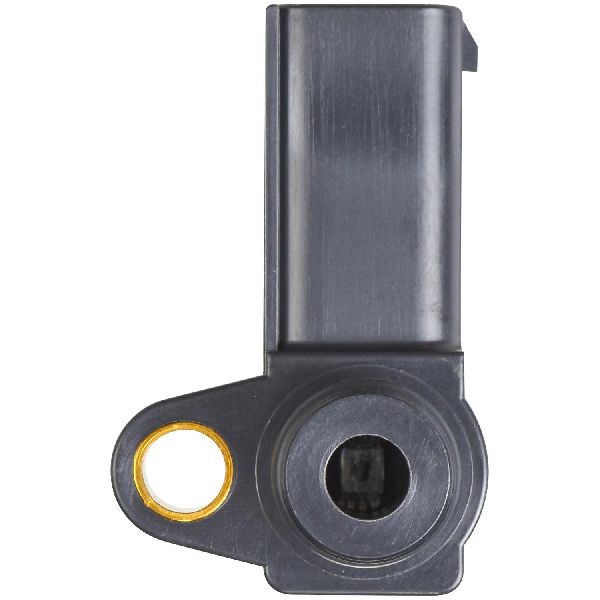
(OEM #BC3Z-9F479-B (also known as CX2432))— Can get clogged with soot from the EGR system, leading to incorrect readings. Often it can be cleaned, but if it fails or the port is irrevocably clogged, it needs replacement.
Trusted brands: Motorcraft, Bosch, Alliant Power
OEM price range: $70-$120
Aftermarket price range: $40-$80
Related Codes That Often Appear With This One
- P0170 — Fuel Trim Malfunction. This code often appears with P2074 in Ford TSBs (19-2029, 19-2343), indicating the software issue affects the PCM's ability to calculate proper fuel mixtures.
- P0401 — Exhaust Gas Recirculation (EGR) Flow Insufficient Detected. Also mentioned in TSB 19-2343, suggesting the software glitch can impact EGR system monitoring.
- P0402 — Exhaust Gas Recirculation (EGR) Flow Excessive Detected. Also mentioned in TSB 19-2343, another related code triggered by the same PCM software issue.
- P0299 — Turbocharger/Supercharger Underboost. A significant air leak from a cracked CAC pipe will cause both an underboost condition and a MAP/MAF correlation error.
Technical Service Bulletins (TSBs) & Recalls
- TSB 19-2343
- TSB 19-2271
- TSB 19-2160
- TSB 19-2112
- TSB 19-2029
- SSM 47541
- SSM 47597
Platform-Specific Known Issues
- TSB 19-2343: For 2017-2019 F-Super Duty trucks with the 6.7L engine built on or before 9-Jan-2019, this TSB addresses DTCs P2074, P0401, P0402, and/or P0170 being caused by PCM software. The fix is a PCM reprogram and MAF parameter reset. Ford notes this update increases DEF consumption and may cause temporary firm shifting.
- TSB 19-2029: A similar TSB for the same vehicles and build dates that specifically calls out DTCs P2074 and/or P0170.
Mechanic-Grade Diagnostic Values
- MAP Sensor Voltage, Key On Engine Off (KOEO) — expected: ~14.7 psi (Atmospheric pressure at sea level). Failure: A reading that is significantly different from the barometric pressure indicates a skewed or faulty sensor.
- MAP Sensor Wiring (at sensor connector) — expected: Pin 1: Ground, Pin 2: Signal, Pin 3: 5V Reference.. Failure: Absence of 5V reference or ground indicates a wiring or PCM issue, not a sensor failure.
Scan Tool Commands That Help
- Ford IDS/FDRS: MAF Parameter Reset — This function is required after reprogramming the PCM per TSB 19-2343 or replacing the air filter to resolve P2074. The path is: Toolbox > Powertrain > Service Functions > Reset/Clear Specified Function > MAF Sensor.
Wiring & Ground Locations
- PCM — Top right side of the engine bay bulkhead.. This is the location of the Powertrain Control Module which is the source of the TSB-related software updates and provides power/ground to the relevant sensors.
- MAP Sensor Connector — On top of the upper intake manifold, near the cowl.. The three wires are the 5V reference, signal, and ground for the MAP sensor. A visual inspection of the connector and wiring for damage is a key diagnostic step.
Real Owner Repair Stories
- YouTube channel 'PISTONSHACK' (2011-2019 Ford F-Series with 6.7L Power Stroke) — P2074 code, possibly with secondary turbo-related codes.
❌ Tried (didn't work) The video advises against immediately starting complex circuit testing.
✅ What actually fixed it The port in the intake manifold for the MAP sensor was almost completely blocked with soot. The fix was to remove the sensor and thoroughly clean the soot from the port and the sensor tip. The repair was confirmed to have lasted over six months. - PowerStrokeArmy forum user 'jwanck11' (2015 F-Series with 6.7L, full delete, No Limit Stage 2 CAI, IDP tunes) — Persistent P2074 that returns after a couple of days, under heavy acceleration or steady cruise.
❌ Tried (didn't work) Replacing the MAP sensor, Replacing the MAF sensor, Checking for vacuum leaks
✅ What actually fixed it The issue was related to the aftermarket tuning software. Another user reported the same issue was resolved by switching to a different tuner (from IDP to PIP tunes). The discussion concluded the code was being caused by the tune itself, not a mechanical fault.
"I Checked Everything" — The Actual Cause
- In a documented repair by a technician for related codes (P0401), the root cause was a severe, overlooked restriction deep in the intake tract that was missed during initial checks. While the air filter was checked, a deeper blockage was the actual problem, which would not be found by a smoke test designed to find leaks.
OEM Part Supersession History
HC3Z-6F073-A→HC3Z-6F073-B— Standard part revision for the cold-side charge air cooler pipe.BC3Z-9F479-A→BC3Z-9F479-B (Motorcraft CX2432)— Standard part revision for the MAP sensor.
Helpful Videos

We Have This Part in Stock


The information in this article is provided for general reference and educational purposes only. Vehicle specifications, procedures, and part compatibility can vary by production date, trim level, and region. Always consult your vehicle's factory service manual and verify part numbers before purchasing or performing repairs. Safety-critical components such as airbags, seat belts, and braking systems should be installed by a qualified professional.
- Ford F-250 SD:
- 🎬 Helpful Videos
- 🛍️ Shop This Part
- What's Unique About the 2016-2019 Ford F-250 SD
- Diagnostic Flowchart
- Symptoms You May Notice
- Most Likely Causes
- Rare But Worth Checking
- Diagnosis Steps
- Parts You'll Likely Need
- Related Codes That Often Appear With This One
- Technical Service Bulletins (TSBs) & Recalls
- Platform-Specific Known Issues
- Mechanic-Grade Diagnostic Values
- Scan Tool Commands That Help
- Wiring & Ground Locations
- Real Owner Repair Stories
- "I Checked Everything" — The Actual Cause
- OEM Part Supersession History
- 🎟️ Get 5% Off