

OBD-II Code P2002: Diesel Particulate Filter Efficiency Below Threshold
What P2002 means, why it triggers, and how to fix it
- Frequent short trips cause soot to clog the Diesel Particulate Filter (DPF), making it the #1 trigger for code P2002.
- Never replace a $3,000+ DPF without first checking the $50 DPF pressure sensor and its rubber hoses for cracks or hard soot blockages.
- Wipe the inside of your tailpipe with a white cloth; if it comes out covered in black soot, the internal DPF ceramic is cracked and requires full replacement.
- Driving with an active P2002 code creates excessive exhaust backpressure that will destroy a $2,000 turbocharger within 3 to 6 months.
What Does P2002 Mean?

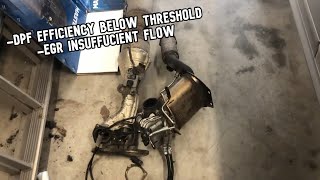
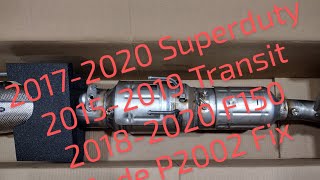
Code P2002 means your diesel vehicle's Engine Control Module (ECM) detects the Diesel Particulate Filter (DPF) is not trapping enough exhaust soot. The DPF captures over 98% of harmful soot particles. This code triggers when efficiency on engine bank 1 🎬 Watch: A quick breakdown of P2002 and DPF efficiency issues. falls below a set threshold, indicating a clogged filter, cracked substrate, or faulty sensor data.
Technical definition: The SAE/OBD-II definition for P2002 is "Diesel Particulate Filter Efficiency Below Threshold (Bank 1)". The ECM monitors this by comparing pressure readings from a differential pressure sensor before and after the DPF to calculate soot load and exhaust restriction.
Can I Drive With P2002?
Yes, But With Caution. You can drive up to 100 miles, but it is not recommended. Ignoring the code forces the vehicle into a reduced-power 'limp mode' and destroys the turbocharger due to excessive exhaust backpressure. A damaged turbocharger adds $1,500 to $3,000 to your repair bill.
Common Causes

- Clogged or Overloaded DPF (Very Common) — Frequent short trips, city driving, or extended idling prevent the exhaust from reaching 500°C (932°F). Without this heat, the self-cleaning 'regeneration' cycle fails, and soot clogs the filter.
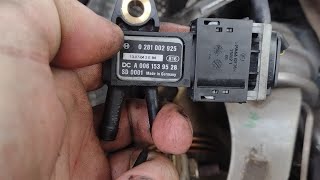
- Faulty DPF Pressure Sensor or Hoses (Common) — The pressure sensor measures how full the filter is. If the sensor fails, or its rubber hoses crack, leak, or clog with hard soot, it sends incorrect readings to the ECM, triggering P2002 even if the DPF is fine.
- Cracked or Damaged DPF (Common) — The internal ceramic filter cracks or melts due to extreme thermal stress. Soot bypasses the filter entirely, dropping efficiency and leaving visible black soot in the tailpipe. This is a known issue on Ford, GM, and VW models.
- Faulty Upstream Components (EGR/Injectors) (Less Common) — Leaking fuel injectors or a stuck-open EGR valve create an incorrect air/fuel mixture, producing excess soot that overwhelms the DPF. A faulty EGR valve is a known underlying cause on Ram Cummins engines.
- Exhaust System Leaks (Less Common) — A cracked pipe, failed gasket, or loose clamp located before the DPF alters the pressure readings. The computer assumes the filter is inefficient when the real problem is escaping exhaust gas.
- Faulty Exhaust Gas Temperature (EGT) Sensors (Less Common) — The ECM relies on EGT sensors to monitor regeneration temperatures. If a sensor fails, the ECM aborts the regeneration cycle, leading to rapid soot buildup.
- Incorrect Engine Oil or Fuel (Rare) — Using non-diesel-rated oil (not 'low-ash') or high-sulfur diesel fuel creates excess ash that permanently clogs the DPF.
- Failed DPF 'Delete' or Software Issue (Rare) — If a previous owner physically removed the DPF but failed to properly reprogram the ECU, the system still monitors a non-existent filter and sets P2002. Occasionally, an OEM software update is required to fix logic errors.
Symptoms

- Check Engine Light On — The Malfunction Indicator Lamp (MIL) illuminates. A specific DPF warning light may also flash, indicating a severe blockage.
- Reduced Engine Power / Limp Mode — The computer limits engine speed and power to prevent damage from excessive backpressure, resulting in poor acceleration.
- Decreased Fuel Economy — A clogged DPF increases exhaust backpressure, forcing the engine to work harder and burn up to 20% more fuel.
- Black Smoke from Exhaust — If the DPF is cracked, it no longer traps soot, resulting in visible black smoke from the tailpipe during acceleration.
- Frequent Regeneration Cycles (also visible on scanner) — Cooling fans run at high speed constantly, and a 'Regeneration in Progress' message appears frequently as the vehicle repeatedly attempts to clean the DPF.
- Engine Oil Dilution (scan-tool only — no driver-felt sign) — During frequent regeneration attempts, excess diesel fuel seeps past the piston rings, thinning the engine oil and reducing lubrication.
Diagnostic Flowchart

Tap your situation to follow the diagnostic path that matches what you're seeing on this code.
Common Fixes & Costs
- Replace DPF Pressure Sensor and/or Hoses
— Parts: $50-$200, Labor: $100-$200 (Shop Labor), ~0.8 hr book time
(DIY)
Ford F-Series (6.7L Power Stroke): OEM DC3Z-9J460-D / DPFE24 (Alt: Bosch, Walker, Bostech (BTS023528))
Ram 2500/3500 (6.7L Cummins): OEM 68312096AB (2019+), 05149229AA (07-12) (Alt: Bosch, Denso, Walker)
Chevrolet/GMC (6.6L Duramax LML): OEM 12630257 (Alt: ACDelco, Walker (274-1025)) - Perform a Forced DPF Regeneration — Parts: $0, Labor: $150-$350 (Shop Labor), ~1.2 hr book time (Professional)
- Replace the Diesel Particulate Filter (DPF)
— Parts: $1,500-$5,000+ (Aftermarket vs OEM), Labor: $250-$600 (Shop Labor), ~3.5 hr book time
(Professional)
Ford F-Series (6.7L Power Stroke): OEM LC3Z-5H270-F, HC3Z-5H270-A (Alt: Walker (73151), Dorman, AP-Dura)
Ram 2500/3500 (6.7L Cummins): OEM Contact dealer with VIN (Alt: Walker, MagnaFlow, AP-Dura)
Chevrolet/GMC (6.6L Duramax): OEM Contact dealer with VIN (Alt: Walker, Dorman, AP-Dura) - Professional DPF Cleaning — Parts: $0, Labor: $300-$700 (Shop Labor), ~2.5 hr book time (Professional)
- Repair Upstream Component Faults (EGR, Injectors, etc.) — Parts: $150-$800+, Labor: $200-$600 (Shop Labor), ~3 hr book time (Professional)
Used vs. New Parts: Buying Guide
When a used part is worth it: A professionally reconditioned used DPF is a cost-effective option for older, high-mileage vehicles where a new OEM part is cost-prohibitive. It only makes sense if the donor vehicle was not scrapped due to engine or turbo failure.
Donor-vehicle mileage cap: roughly under 100000 miles for the part to have meaningful remaining life.
Donor quality checklist:
- Verify the donor vehicle was not scrapped for turbo failure, head gasket leaks, or high oil consumption.
- Ask for before-and-after flow test results if the part was professionally reconditioned.
- Match the part number exactly. DPFs are specifically matched to an engine's duty cycle.
- Avoid filters from regions with heavy rust or corrosion.
Decision logic:
- If Vehicle is under warranty or covered by a manufacturer's extended policy (like Ford's 20M06) → Use a new OEM part installed by a dealer to ensure coverage.
- If Vehicle is older (>150,000 miles) and budget is the primary concern → A reconditioned DPF from a reputable supplier with a warranty is a viable option.
- If The original DPF failed due to cracking or melting, not just clogging → Favor a new aftermarket or OEM part, as the failure indicates extreme stress that affects used parts.
Warranty tradeoff: Used/reconditioned parts typically offer a 30-day to 1-year warranty. New aftermarket parts offer a 1-3 year warranty. New OEM parts carry the manufacturer's standard warranty, which is longer if installed by a dealer.
Worst-case if a used part fails: $500-$1500, which includes repeat labor costs and a replacement part if the used unit fails shortly after the warranty period.
What Happens If You Wait — Timeline
- 0-1 month: Check Engine Light illuminates. Vehicle attempts regeneration cycles more frequently. No major drivability symptoms are present. (MPG impact: 0-5%% · Added cost: $0-$50 in wasted fuel.)
- 1-3 months: Engine power drops as the ECU enters 'limp mode' to prevent damage. Fuel economy worsens. The DPF becomes heavily saturated with soot, spiking backpressure. (MPG impact: 5-15%% · Added cost: $150-$350 for a professional forced regeneration.)
- 3-6 months: Sustained high backpressure destroys the turbocharger's seals and bearings. Fuel from repeated, failed regenerations dilutes the engine oil, accelerating internal engine wear. (MPG impact: 15-25%% · Added cost: $1,500-$3,500 for turbocharger replacement.)
- 6+ months: Catastrophic failure. The DPF substrate melts into a solid blockage. Extreme backpressure blows engine gaskets and guarantees turbo failure. (MPG impact: >25%% · Added cost: $5,000-$10,000+ for combined DPF, turbocharger, and engine repairs.)
Cost of Not Fixing It
- 0-1 Month: Reduced fuel economy (5-20% drop) and vehicle enters 'limp mode,' limiting speed and acceleration. Increased frequency of active regeneration cycles. (Added cost: Negligible, but fuel costs increase.)
- 1-6 Months: Excessive exhaust backpressure destroys the turbocharger seals and bearings. Engine oil becomes diluted with fuel from failed regeneration attempts, accelerating engine wear. (Added cost: $1,500-$3,500 for turbocharger replacement.)
- 6+ Months: Catastrophic DPF failure where the filter becomes completely blocked or melts internally. Extreme backpressure causes severe internal engine damage. (Added cost: $4,000-$10,000+ for combined DPF, turbo, and engine repairs.)
Diagnosis Steps
- Check for Other Codes
Use an OBD-II scanner to read all trouble codes. Codes for EGR (P0401), DPF pressure sensors (P2453), or regeneration frequency (P2459) are critical clues. Always diagnose and fix these accompanying codes first.
Tools: OBD-II Scanner (Beginner) - Inspect the Tailpipe for Soot
With the engine off and cool, wipe the inside of the tailpipe with a clean white cloth. A clean tailpipe is normal. If the cloth comes out covered in black, greasy soot, the DPF's internal filter is cracked and must be replaced.
Tools: Clean cloth, gloves (Beginner) - Inspect DPF Pressure Sensor Hoses and Pipes
Visually inspect the small rubber hoses connecting to the DPF pressure sensor for cracks, brittleness, or loose connections. Remove the hoses and use a pick tool to verify the metal pipes are not blocked with hard soot deposits.
Tools: Flashlight, Pliers, Pick tool (Intermediate) - Attempt a Manual (Highway) Regeneration
If your driving is mostly short trips, the DPF is likely clogged. Drive the vehicle at sustained highway speeds (55-65 mph) for 30-45 minutes to allow the passive regeneration cycle to complete and clear the code.
Tools: None (Beginner) - Analyze Live Sensor Data (Pressure & Soot Load)
Monitor live data PIDs. Check 'DPF Soot Load'; a value over 80% that doesn't decrease after regeneration indicates a failure. Monitor 'DPF Differential Pressure'. At idle, it should be 0-15 mbar (0-0.2 PSI). A pressure greater than 200-300 mbar (~3-4.5 PSI) under load confirms a severe clog.
Tools: Advanced OBD-II Scanner (Intermediate) - Inspect the Exhaust System for Leaks
With the engine cool, inspect the exhaust system from the engine to the DPF. Look for black soot stains around flanges, clamps, and welds, indicating an exhaust leak that skews sensor readings.
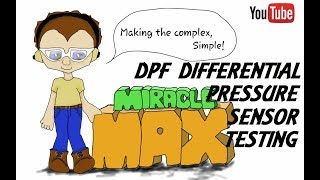
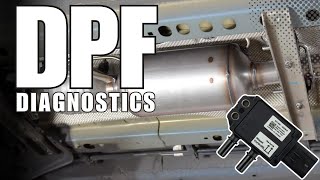
Tools: Flashlight, safety glasses (Intermediate) - Test DPF Pressure Sensor Voltage 🎬 Watch this pro guide to testing your DPF pressure sensor.
With ignition on and engine off, back-probe the sensor's signal wire. Voltage should be around 0.5V. Start the engine and increase RPM to 2500; voltage should rise smoothly up to 4.5V under load. If voltage is stuck at 0V or 5V, the sensor or wiring is faulty.
Tools: Advanced OBD-II Scanner, Multimeter, Back-probe kit (Advanced) - Test Exhaust Gas Temperature (EGT) Sensors
Monitor live data for all EGT sensors. During a drive, readings should rise smoothly. A sensor stuck on a single temperature or showing erratic values has failed, preventing the 500°C+ temperatures required for regeneration.
Tools: Advanced OBD-II Scanner (Advanced) - Perform a Forced (Stationary) Regeneration
If highway regeneration fails, use an advanced scan tool to command a 'forced' regeneration while parked. This runs the engine at high RPM and temperature for 30-60 minutes. Perform this only in a well-ventilated area away from flammable materials.
Tools: Advanced OBD-II Scanner (Professional)
When This Code Triggers (Freeze-Frame Conditions)
- Engine Coolant Temp: 180-210°F (82-99°C) (The engine must be at full operating temperature for the DPF monitor to run.)
- Engine RPM: 1500-2500 RPM (The code sets during steady-state cruise conditions, not during idle or heavy acceleration.)
- Engine Load: 30-70% (A moderate, consistent engine load is required for the ECU to accurately measure DPF pressure differential.)
- Vehicle Speed: 45-65 mph (72-105 km/h) (The test is performed at sustained highway speeds, aligning with conditions needed for passive regeneration.)
Related Codes
- P2463 — P2463 ('DPF Restriction - Soot Accumulation') means the filter is excessively full. A full filter is also inefficient, so these codes appear together. If you only have P2463, a regeneration fixes it. P2002 without P2463 points to a cracked filter or sensor issue.
- P2459 — P2459 ('DPF Regeneration Frequency') means the ECM is trying to run the cleaning cycle too often. This is a direct symptom that the DPF is unable to clean itself effectively, which eventually causes the P2002 efficiency fault.
- P2453 — P2453 ('DPF Differential Pressure Sensor Circuit Performance') points directly to a problem with the sensor or its wiring. A bad reading causes the computer to falsely trigger P2002. Diagnose and fix P2453 first.
- P2003 — Identical to P2002 but for 'Bank 2'. It only appears on V-style engines (V6 or V8 diesels) that have two separate exhaust banks and two DPFs.
Climate & Environmental Factors
- High Altitude: Reduced oxygen density leads to less efficient combustion, creating more soot. Lower air pressure makes it difficult for the exhaust to reach regeneration temperatures, causing frequent clogs.
- Cold Climates: The engine and exhaust take much longer to reach optimal operating temperature. During short trips, passive regeneration cannot occur, leading to a gradual buildup of soot.
How to Talk to a Mechanic About This Code
Say this: "I have a P2002 code on my diesel. I'd like to book a diagnostic appointment. Please start by inspecting the DPF pressure sensor, its hoses, and the connecting pipes for leaks or blockages, and check the live pressure sensor data before recommending a DPF replacement."
This signals that you know the most common, inexpensive failure points and prevents a shop from immediately quoting a costly DPF replacement. It directs them to perform a proper diagnosis first.
Avoid saying:
- 'My check engine light is on.' (Too vague, invites a wide-ranging and expensive diagnostic).
- 'My truck is smoking and has no power.' (Describes symptoms, not the code, which leads them down the wrong path).
- 'Just replace the DPF.' (You are asking for a $3,000+ part you may not need).
Questions to ask before authorizing the repair:
- What were the DPF differential pressure readings at idle and under load? Were they too high or too low?
- Did you find any cracks or blockages in the pressure sensor hoses or pipes?
- If you are recommending a DPF replacement, is there soot inside the tailpipe to confirm it has cracked?
- Have you checked for any Technical Service Bulletins (TSBs) or warranty extensions for this code on my vehicle?
- What is the warranty on the recommended repair and the parts?
Where to Take It: Dealer vs Independent vs Chain
- Dealer:
Best for: Vehicles still under the emissions warranty or covered by a specific TSB/extended warranty program., Complex, brand-specific issues on newer vehicles that require proprietary software.
Downsides: Highest labor rates., Quick to replace an entire DPF assembly rather than diagnosing cheaper peripheral components. (Typical cost: +50% vs. baseline) - Independent Shop:
Best fit, provided it is a reputable independent shop specializing in diesel repair. They are more likely to diagnose and replace a faulty sensor or hose, saving you from an unnecessary DPF replacement.
Best for: Out-of-warranty vehicles where cost is a major factor., Shops that specialize in diesel engines, as they have advanced diagnostic tools and experience with DPF systems.
Downsides: Quality and expertise vary widely. You must vet the shop's reputation., May not have access to the latest manufacturer software updates. (Typical cost: +0% vs. baseline) - Chain Shop:
AVOID for P2002 diagnosis. The risk of misdiagnosis is very high. They cannot perform a forced regeneration or properly interpret DPF-specific live data.
Best for: Simple, unrelated maintenance like oil changes or tire rotations.
Downsides: Technicians lack the specialized training and expensive diagnostic tools required for complex DPF systems., High pressure to upsell leads to incorrect recommendations, like suggesting a DPF replacement without proper diagnosis. (Typical cost: -10% vs. baseline)
When to Walk Away From the Repair
If the estimated repair cost for the DPF system exceeds 40-50% of the truck's current private-party value, seriously consider selling the vehicle as-is or trading it in rather than repairing it.
- Car worth $25000, fix is $4000: Fix it. The repair cost is 16% of the vehicle's value and is well below the walk-away threshold.
- Car worth $10000, fix is $4500: Borderline. At 45% of the vehicle's value, get a second opinion. If confirmed, consider selling it 'as-is' to a buyer willing to do the repair.
- Car worth $6000, fix is $4000: Walk away. The repair cost is 67% of the truck's value. It is not economically sensible to proceed with the repair.
What Scan Tool You Need for This Code
Minimum: A scanner that reads engine-specific live data, specifically 'DPF Soot Load' and 'DPF Differential Pressure'. A basic code reader is not sufficient.
A $20 code reader only tells you the P2002 code is present. It cannot show live sensor data (pressure, soot level, temperature) needed to determine if the filter is clogged, a sensor failed, or regeneration is working.
Budget: BlueDriver Pro (~$100) — Connects to your smartphone and graphs critical DPF live data like soot load and regeneration status. It does not perform a forced regeneration.
Mid-range: Foxwell NT510 Elite / NT530 (~$180) — A handheld scanner providing manufacturer-specific diagnostics. It reads detailed DPF data and commands a forced DPF regeneration, a key diagnostic and service step.
Professional: Autel MaxiCOM MK808 / MK808S (~$500) — A professional tablet scanner offering full bidirectional control. It performs forced DPF regenerations, DPF component replacement teach-in, and resets DPF values after a new filter is installed.
Rent vs buy: For a one-time diagnosis to read live data, renting a scanner from an auto parts store suffices. However, because DPF systems require ongoing monitoring, buying a capable scanner is a wise investment for any modern diesel owner.
How to Clear the Code After You Fix It
- Use an OBD-II scan tool to clear all fault codes after the physical repair is complete.
- Perform a DPF reset or re-initialization procedure with an advanced scan tool if the DPF or related sensors were replaced.
- Perform a complete drive cycle to allow the readiness monitors to run.
Drive cycle (~30 minutes): Start with a cold engine. Idle for 2-3 minutes. Drive at a steady 55-60 mph for 15-20 minutes to ensure the exhaust is hot enough for regeneration and to run the catalyst monitor. Perform several smooth accelerations and decelerations. Drive in stop-and-go city conditions for 5-10 minutes.
Readiness monitors affected: Catalyst Monitor, Exhaust Gas Sensor Monitor, Diesel Particulate Filter Monitor
Before emissions retest: drive at least 100 miles to fully set monitors.
Watch out for:
- Clearing the code without fixing the root cause results in the code returning quickly.
- Disconnecting the battery clears the code but resets all OBD-II readiness monitors, causing an immediate emissions test failure.
- Failing to perform the DPF-specific reset procedure after replacing the filter causes the new DPF to clog prematurely.
Will This Fail Emissions / State Inspection?
Yes — this code typically fails an OBD-II emissions inspection.
- California: An active P2002 code is an automatic test failure. California prohibits the sale and installation of used or non-certified DPFs, carrying heavy fines.
- New York: The NYS DMV inspection includes an OBD-II scan. An illuminated Check Engine Light and an active P2002 code result in an automatic failure.
- Texas: In the 17 counties requiring emissions testing, a vehicle with an active P2002 code fails the OBD-II portion of the state inspection.
Most Commonly Affected Vehicles
- Ford F-Series Power Stroke (F-250, F-350), F-150 Diesel, Transit (2015-2020) — A cracked DPF substrate is a very common cause. Ford issued TSB 21-2332 for this known issue on 6.7L, 3.0L, and 3.2L engines, recommending DPF replacement. See Customer Satisfaction Program 20M06.
- Ram 2500/3500 Cummins (2014-2018) — Known for DPF pressure sensor hoses becoming brittle and cracking. TSB 18-045-15 REV A includes a PCM software update for 2014 models. A faulty EGR valve is also a common underlying cause.
- Chevrolet/GMC Silverado/Sierra Duramax (2010-2021) — GM service bulletin 16-NA-380 notes a cracked DPF is a common cause, confirmed by soot in the tailpipe. For 2020 models, TSB 21-NA-214 is a software update that resolves P2002.
- Volkswagen Jetta, Passat, Golf, Amarok (TDI) (2009-2015) — A cracked DPF is a common failure that triggers P2002 alongside P0401 (EGR Insufficient Flow), as soot from the broken DPF clogs the low-pressure EGR filter. Faulty G450 pressure sensors are also common.
- Mercedes-Benz Sprinter (2010-2018) — Sprinters used for stop-and-go deliveries suffer from clogged DPFs due to incomplete regeneration cycles. Faulty sensors are also a frequent cause.
- BMW 3-Series, 5-Series, X5 (Diesel Models) (2009-2018) — Susceptible to DPF clogging from city driving. The issue is often related to failed thermostats preventing the engine from reaching the required temperature for regeneration.
- Nissan Qashqai, X-Trail (2014-2020) — Triggers P2002 due to a heavily clogged DPF, faulty differential pressure sensors, or split sensor hoses. Boost leaks from cracked intake pipes are a common underlying cause.
- Kia / Hyundai Sportage, Sorento / Santa Fe, i30 (2009-2016) — P2002 is frequently caused by blocked metal pipework leading to the DPF pressure sensor, rather than a failure of the sensor or DPF itself.
- Land Rover Range Rover Sport, Discovery (TD6) (2016-2020) — Regeneration often provides only a temporary fix. The underlying cause is frequently a jammed intake throttle body, leading to improper combustion and excess soot.
Manufacturer-Specific Notes
- General Motors (Chevrolet/GMC): GM service bulletin 16-NA-380 recommends a 'cheesecloth test' to confirm a cracked DPF. If soot is present in the tailpipe after sharp throttle snaps, the DPF has failed internally and needs replacement.
- Ford: Ford has a documented issue with cracked DPF substrates (TSB 21-2332). Customer Satisfaction Program 20M06 extends the DPF warranty for certain 2015-2019 6.7L trucks if code P2002 is present. Always check dealer eligibility before paying.
- Ram (Cummins): Technicians frequently find that the rubber hoses for the DPF pressure sensor are the first component to fail. It is a common misdiagnosis to replace the entire DPF when only the inexpensive hoses are bad.
- Volkswagen (TDI): A cracked DPF allows soot to travel downstream and clog the low-pressure EGR filter, causing P2002 and P0401 (EGR flow) to appear simultaneously. Factory-defective pressure sensors (G450) are also common.
Real Owner Stories
2016 Ram 2500 Cummins at 27k miles - The Easy Fix
Owner experienced a noticeable loss of power without a check engine light. A scanner revealed a pending P2002 code. The truck was primarily used for city driving.
What they tried:
- The owner drove the truck on the highway at sustained speeds for 45 minutes.
Outcome: The highway drive heated the exhaust system enough to initiate a successful passive regeneration, burning off the soot buildup. Power was restored, and the code cleared itself.
Lesson: City driving clogs DPFs quickly. Before assuming a component failed, attempt a 30-45 minute highway drive to see if a passive regeneration cycle clears the code.
2013 VW Jetta TDI at 87k miles - The Misdiagnosis
Check Engine Light illuminated with codes P2002 and P0401 (EGR Insufficient Flow). The car drove normally, but the tailpipe interior was coated in black soot.
What they tried:
- Owner initially suspected a faulty EGR valve based on the P0401 code.
- Diagnostics showed normal EGR valve performance and low DPF pressure readings.
Outcome: The combination of P2002, P0401, and tailpipe soot confirmed a cracked DPF. The crack allowed soot to escape and clog the downstream low-pressure EGR filter, triggering P0401. The DPF required full replacement.
Lesson: On VW TDI engines, P0401 is a symptom of a failed DPF, not the root cause. Soot in the tailpipe is the definitive sign that the DPF is cracked and needs replacement, not cleaning.
2017 Ford F-450 Power Stroke at 105k miles - The Unusual Root Cause
P2002 appeared, but the truck still performed active regenerations successfully. Regeneration cycles became more frequent, and the exhaust tips turned slightly black.
What they tried:
- Owner suspected an ash-full DPF or a failing pressure sensor.
- Forum members advised that successful regens alongside P2002 on a Power Stroke indicate a cracked substrate.
Outcome: A dealer confirmed the DPF substrate was cracked. This is a known issue covered by Ford's TSB 21-2332 and Customer Satisfaction Program 20M06. The DPF assembly was replaced under the extended warranty program.
Lesson: A successful regeneration does not rule out a physically broken DPF. Always check for applicable Technical Service Bulletins (TSBs) or extended warranty programs before paying out of pocket.
How to Prevent This Code From Triggering
- Perform regular highway drives (At least once a week for 30+ minutes) — Sustained driving over 50 mph allows the exhaust to reach 500°C (932°F), triggering passive regeneration to burn off accumulated soot.
- Use 'low-ash' engine oil (Every oil change) — Standard oils introduce metallic additives into the DPF. This ash cannot burn off during regeneration and permanently clogs the filter. Always use API CK-4 or equivalent Low SAPS oil.
- Avoid excessive idling and short trips (Daily habit) — Short trips and long idle times prevent the exhaust from reaching regeneration temperatures, causing soot to build up faster than it clears.
- Address upstream engine faults immediately (As needed) — Leaking injectors, a failing turbo, or a stuck EGR valve cause the engine to produce excessive soot, quickly overwhelming and clogging the DPF.
Frequently Asked Questions
Can I just clear the P2002 code and keep driving?
You can clear it, but the code returns within a few drive cycles if the underlying problem remains. P2002 is a 'soft code' that clears itself after a successful highway regeneration. A persistent return indicates a hard fault requiring diagnosis.
What is the most common misdiagnosis for a P2002 code?
The most expensive misdiagnosis is replacing the entire $3,000+ DPF assembly when the actual fault is a $50 sensor. Technicians frequently find the root cause is cracked rubber hoses for the pressure sensor or blocked metal sensor pipes.
Will a fuel additive fix a clogged DPF?
Over-the-counter fuel additives are not a reliable fix for a significantly clogged DPF. While they lower the temperature at which soot burns, they cannot repair a damaged filter or fix a faulty sensor. A professional cleaning or forced regeneration is required for heavy clogs.
My mechanic quoted thousands to replace the DPF. What should I do first?
Before agreeing to a costly DPF replacement, insist on further diagnosis. Ask the mechanic to verify the pressure sensor hoses are clear and to check for exhaust leaks or a faulty EGR valve. A regeneration only clears soot; it cannot fix a cracked filter.
Why did the P2002 code appear after I just drove in the city?
City driving involves low speeds and frequent stops, preventing the exhaust from reaching the 500°C (932°F) needed for DPF regeneration. This allows soot to build up faster than it burns off, clogging the filter and triggering the code.
Will I fail an emissions test with a P2002 code?
Yes. The P2002 code indicates an emissions control fault, and the active Check Engine Light guarantees an automatic failure during an emissions inspection.
Is it better to clean or replace the DPF?
If the DPF is clogged with soot but physically intact, professional 'bake and blast' cleaning is a cost-effective solution. If the internal ceramic structure is cracked or melted—confirmed by soot in the tailpipe—it cannot be repaired and requires replacement.
Can a bad EGT sensor cause a P2002 code?
Yes. The regeneration process relies on accurate temperature readings from Exhaust Gas Temperature (EGT) sensors. If an EGT sensor provides incorrect data, the ECM aborts regeneration, causing the DPF to clog and trigger P2002.
Is it illegal to remove or 'delete' the DPF?
Yes. Removing a DPF or any emissions control device from a road-going vehicle violates the federal Clean Air Act in the United States. It causes automatic emissions inspection failures and carries fines exceeding $4,000.
Will a P2002 code trigger a 'countdown to limp mode'?
Yes. While P2002 initially triggers reduced power, accompanying codes like P2463 (DPF excessively clogged) initiate a mileage countdown. Once the countdown expires, the engine forces a severe 5-mph 'limp mode' until repaired.
Key Takeaways
- Frequent short trips cause soot to clog the Diesel Particulate Filter (DPF), making it the #1 trigger for code P2002.
- Never replace a $3,000+ DPF without first checking the $50 DPF pressure sensor and its rubber hoses for cracks or hard soot blockages.
- Wipe the inside of your tailpipe with a white cloth; if it comes out covered in black soot, the internal DPF ceramic is cracked and requires full replacement.
- Driving with an active P2002 code creates excessive exhaust backpressure that will destroy a $2,000 turbocharger within 3 to 6 months.
Helpful Videos
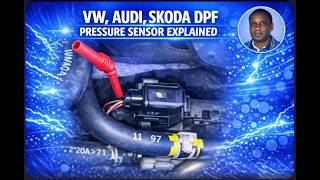
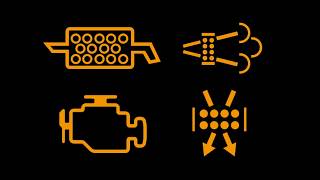

The information in this article is provided for general reference and educational purposes only. Vehicle specifications, procedures, and part compatibility can vary by production date, trim level, and region. Always consult your vehicle's factory service manual and verify part numbers before purchasing or performing repairs. Safety-critical components such as airbags, seat belts, and braking systems should be installed by a qualified professional.
- 🎬 Helpful Videos
- What Does P2002 Mean?
- Can I Drive With P2002?
- Common Causes
- Symptoms
- Diagnostic Flowchart
- Common Fixes & Costs
- Used vs. New Parts: Buying Guide
- What Happens If You Wait — Timeline
- Cost of Not Fixing It
- Diagnosis Steps
- When This Code Triggers (Freeze-Frame Conditions)
- Related Codes
- Climate & Environmental Factors
- How to Talk to a Mechanic About This Code
- Where to Take It: Dealer vs Independent vs Chain
- When to Walk Away From the Repair
- What Scan Tool You Need for This Code
- How to Clear the Code After You Fix It
- Will This Fail Emissions / State Inspection?
- Most Commonly Affected Vehicles
- Manufacturer-Specific Notes
- Real Owner Stories
- 2016 Ram 2500 Cummins at 27k miles - The Easy Fix
- 2013 VW Jetta TDI at 87k miles - The Misdiagnosis
- 2017 Ford F-450 Power Stroke at 105k miles - The Unusual Root Cause
- How to Prevent This Code From Triggering
- Frequently Asked Questions
- Can I just clear the P2002 code and keep driving?
- What is the most common misdiagnosis for a P2002 code?
- Will a fuel additive fix a clogged DPF?
- My mechanic quoted thousands to replace the DPF. What should I do first?
- Why did the P2002 code appear after I just drove in the city?
- Will I fail an emissions test with a P2002 code?
- Is it better to clean or replace the DPF?
- Can a bad EGT sensor cause a P2002 code?
- Is it illegal to remove or 'delete' the DPF?
- Will a P2002 code trigger a 'countdown to limp mode'?
- Key Takeaways
- 🎟️ Get 5% Off