

OBD-II Code P1872: Transmission Mechanical Fault & Slippage Guide
What P1872 means, why it triggers, and how to fix it on GM, Porsche, Ford, and more
- P1872 is a manufacturer-specific code meaning transmission slippage on GM vehicles, a PDK sensor fault on Porsches, or a 4WD light circuit failure on Fords.
- On 1996-2006 GM trucks with the 4L60E transmission, P1872 is almost exclusively caused by a worn TCC regulator valve bore requiring a $500-$1,200 valve body repair.
- Driving with an active P1872 code causes extreme heat buildup that destroys clutches and torque converters, turning a targeted $800 repair into a $3,500+ full transmission rebuild.
- Never accept a $20,000+ full transmission replacement quote for a Porsche PDK without first consulting an independent specialist about a $2,500-$5,000 distance sensor repair.
What Does P1872 Mean?

P1872 is a manufacturer-specific code, meaning its definition changes depending on your vehicle. For millions of General Motors vehicles, it indicates the computer detects significant slipping inside the transmission. For brands like Ford, Porsche, or Mercedes-Benz, it points to a problem with the four-wheel-drive system, an internal fault in the transmission's advanced control unit, or a critical communication error.
Technical definition: The official SAE/ISO definition for P1872 varies by manufacturer. The most common interpretation, particularly for General Motors, is 'Transmission Component Slippage,' set when the Powertrain Control Module (PCM) detects a difference between the transmission input speed and output speed exceeding a pre-programmed limit. Other manufacturers define it differently: 'Transmission Mechanical 4-Wheel Drive Axle Lock Lamp Circuit Failure' (Ford), 'PDK Control Unit, internal fault' (Porsche), or a CAN bus communication error with the gear selector module (Mercedes-Benz).
Can I Drive With P1872?
no_not_recommended. Driving is strongly discouraged. This code triggers a 'limp mode,' locking the transmission in a single gear (usually 2nd or 3rd), which severely limits acceleration and is dangerous in traffic. On Porsche vehicles, the shifter locks in Park, stranding the vehicle. Continuing to drive with a slipping transmission generates excessive heat, quickly destroying clutches, seals, and the torque converter. This turns a targeted $800 valve body repair into a $3,500+ full transmission rebuild. The excessive heat and inconsistent engine load also damage the catalytic converter over time, adding $800-$2,500 to the final repair bill.
Common Causes


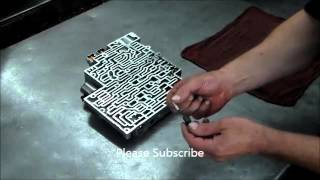
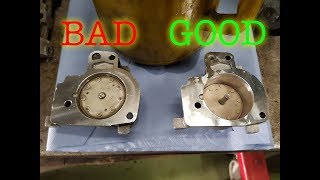
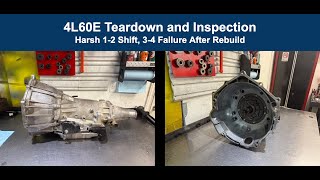
- Worn TCC Regulator Valve Bore in Valve Body (GM 4L60E) (Very Common) — This is the number one cause on GM vehicles with the 4L60E/4L65E transmission. The aluminum bore housing the torque converter clutch regulator valve wears into an oval shape over time. This allows hydraulic fluid to leak, preventing the TCC from locking up firmly. The PCM detects this as slippage and triggers the code, commanding maximum line pressure to compensate, which causes a harsh 1-2 shift.
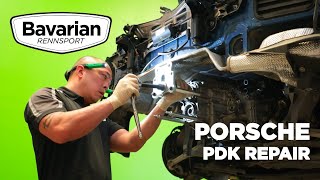
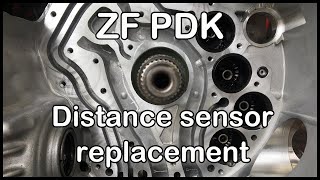
- Faulty PDK Distance Sensor or Internal Wiring (Porsche) (Common) — On Porsche models with the PDK transmission (2009-2016), P1872 is an internal electronic fault. The internal distance sensor (shift rod sensor) fails or its wiring harness becomes brittle in the 🎬 See this walkthrough on replacing the Porsche PDK distance sensor. hot transmission fluid. When it provides implausible data, the TCU cannot confirm gear positions, triggering limp mode.
- Failed Torque Converter Clutch (TCC) Solenoid (GM) (Common) — This electronic solenoid controls fluid flow to the torque converter clutch. It fails electrically (short or open circuit) or clogs with debris, preventing correct lockup. It is frequently misdiagnosed as the sole problem when the valve bore is actually worn.
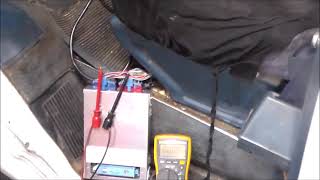
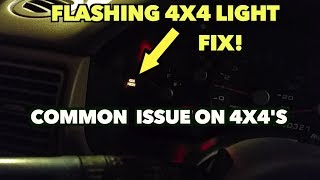
- Faulty 4WD Axle Lock Lamp Circuit (Ford) (Less Common) — On specific Ford 4x4 models, this code is unrelated to transmission function. It points to an electrical fault in the circuit for the 4-Wheel Drive axle lock indicator lamp on the dashboard. 🎬 Watch: How to diagnose and repair the 4WD indicator wiring. Diagnosis requires testing the 4WD system wiring and transfer case switch.
- CAN Bus Communication Failure (Mercedes-Benz, Mitsubishi) (Less Common) — For Mercedes-Benz cars with the 722.7 transmission and Mitsubishi models with the TC-SST, P1872 indicates a communication network (CAN bus) error between the gear selector module and the transmission control unit. This is an electrical networking problem, not a mechanical slip.
- Faulty Transmission Control Module (TCM) (Rare) — The TCM itself occasionally fails. On Porsche PDKs, P1872 is defined as a 'PDK control unit, internal fault', and a true internal failure of the control unit is possible. On other vehicles, a faulty TCM causes a wide range of bizarre symptoms and codes.
- Low, Burnt, or Incorrect Transmission Fluid (Rare) — Extremely low or degraded fluid leads to overheating and slipping, eventually triggering the code as a symptom of poor maintenance. However, P1872 usually points to a specific component failure rather than just old fluid.
Symptoms
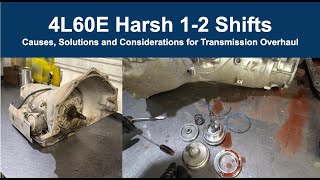
- Harsh 1-2 Shift (GM) — When the PCM detects TCC slip, it commands maximum line pressure to prevent further damage, resulting in a very harsh, banging shift from 1st to 2nd gear.
- Transmission Stuck in One Gear (Limp Mode) — To protect itself, the transmission defaults to a single gear (often 2nd or 3rd). This results in very poor acceleration from a stop and high engine RPMs at highway speeds.
- Vehicle Will Not Shift Out of Park — With Porsche PDK faults or Mercedes CAN communication errors, system safety interlocks prevent the driver from moving the shifter out of Park, completely immobilizing the vehicle.
- 4WD Indicator Light Malfunction (Ford) — On applicable Ford models, the primary symptom is an inoperative or constantly illuminated four-wheel-drive axle lock light on the dash, with no noticeable transmission shifting issues.
- Check Engine Light or Transmission Warning Light On — The vehicle's computer illuminates a warning light on the dashboard to alert the driver of the fault.
- No Torque Converter Lock-Up at Highway Speed (also visible on scanner) — At steady cruising speeds, engine RPMs are higher than normal because the torque converter is not creating a 1:1 mechanical link. The transmission feels like it is constantly slipping.
Diagnostic Flowchart
Tap your situation to follow the diagnostic path that matches what you're seeing on this code.
Common Fixes & Costs
- Install Valve Body Repair Kit (for worn TCC bore on GM)
— Parts: $60-$200, Labor: $350-$600, ~4.5 hr book time
(Professional)
: OEM
: OEM - Replace Transmission Valve Body
— Parts: $300-$1,500, Labor: $400-$800, ~3.5 hr book time
(Professional)
: OEM
: OEM - Replace PDK Distance Sensor and/or Harness (Porsche)
— Parts: $500-$1,500, Labor: $1,500-$3,000, ~12 hr book time
(Professional)
: OEM
: OEM - Replace TCC Solenoid
— Parts: $20-$100, Labor: $200-$400, ~2.5 hr book time
(Intermediate)
: OEM - Repair 4WD Axle Lock Lamp Circuit (Ford)
— Parts: $20-$80, Labor: $100-$200, ~1 hr book time
(Intermediate)
: OEM - Replace Transmission Fluid and Filter — Parts: $75-$400, Labor: $150-$350, ~1.5 hr book time (DIY)
Used vs. New Parts: Buying Guide
When a used part is worth it: A used 4L60E valve body from a low-mileage donor (under 80k miles) is a budget-friendly option if the vehicle was scrapped for non-transmission reasons. However, this is a high-risk part because the primary failure (bore wear) is invisible.
Donor-vehicle mileage cap: roughly under 80000 miles for the part to have meaningful remaining life.
Donor quality checklist:
- Verify the exact part number and year, as internal components changed.
- Ask for the donor vehicle's VIN to check its history.
- A remanufactured valve body from a reputable supplier (like Sonnax) is a much safer bet, as it is updated with oversized valves and sleeves to correct the known wear issues.
Decision logic:
- If The rest of the transmission is healthy and the budget is extremely tight. → A low-mileage used valve body is a gamble, but possible. Expect no warranty.
- If You want a reliable, long-term fix without replacing the whole transmission. → Buy a quality remanufactured valve body. This corrects the original design flaw.
- If The transmission fluid is burnt or the vehicle has high mileage (>150k). → Consider a fully remanufactured transmission assembly. Other components are likely worn and a new valve body is not enough.
Warranty tradeoff: Used parts from a salvage yard typically have a 30-90 day functional warranty, which does not cover labor costs. Aftermarket remanufactured parts come with a 1-year to lifetime warranty, providing much better protection.
Worst-case if a used part fails: $400-$800 if a used valve body fails after installation, as you pay for the labor a second time plus the cost of another part.
What Happens If You Wait — Timeline
- 0-1 month: Code P1872 is set. On GM, a harsh 1-2 shift occurs intermittently when hot. On Porsche, a 'Transmission Fault' message appears and disappears after a restart. No mechanical damage yet. (MPG impact: 3-5%% · Added cost: $0-50 in wasted fuel)
- 1-4 months: Torque converter slip becomes more frequent, causing engine RPM to fluctuate at highway speeds. This generates significant excess heat. Transmission fluid begins to darken and acquire a burnt smell. (MPG impact: 5-10%% · Added cost: $50-200 in wasted fuel)
- 4-8 months: Extreme heat from constant slipping cooks the transmission fluid and damages clutch friction material and internal seals. The torque converter is permanently damaged. The vehicle enters 'limp mode' more frequently. (MPG impact: 10-15%% · Added cost: $1,500-$2,500 (A simple valve body fix is no longer enough; a more significant rebuild including clutches and a new torque converter is required).)
- 8+ months: Catastrophic failure. Widespread internal damage has occurred, including burnt clutches, warped steels, damaged hard parts, and a failed torque converter. The transmission no longer engages. (MPG impact: 15-25%+% · Added cost: $2,500-$5,000+ (The only option is a complete transmission rebuild or a full remanufactured replacement unit).)
Cost of Not Fixing It

- 0-1 month: Erratic shifting, harsh 1-2 shift (on GM), and a potential 5-15% drop in fuel economy due to lack of torque converter lockup. Vehicle is unpredictable and unsafe to drive. (Added cost: $0-50 in wasted fuel.)
- 1-6 months: Constant slipping generates extreme heat, burning the transmission fluid and accelerating wear on clutches and seals. The catalytic converter is damaged from the inconsistent load and heat. (Added cost: $1200-$2800 for catalytic converter replacement.)
- 6+ months: Catastrophic transmission failure. The initial, repairable issue has caused widespread internal damage, requiring a complete transmission rebuild or replacement. (Added cost: $2500-$5000+ for a full transmission replacement.)
Diagnosis Steps
- Read Codes and Verify Manufacturer Definition
Use a professional OBD-II scanner to check codes in the engine (PCM) and Transmission Control Module (TCM). Confirm exactly what P1872 means for your specific make, model, and year before proceeding to avoid diagnosing the wrong system.
Tools: Professional OBD-II Scanner, Internet Access (Beginner) - Check Transmission Fluid Level and Condition
Verify the fluid level is correct. On a GM, check the dipstick with the engine running and transmission warm. Fluid should be bright red. Dark brown or burnt-smelling fluid indicates severe internal wear. Sealed transmissions require a lift and specific procedure.
Tools: Rag, Gloves, Lift (for sealed units) (Beginner) - Monitor TCC Slip Speed with a Scan Tool (GM)
Using a scan tool with live data, monitor the 'TCC Slip Speed' PID. When the torque converter is commanded to lock (typically 3rd or 4th gear under steady throttle), this value must drop near zero RPM. A consistent slip over 60-100 RPM confirms the slippage condition.
Tools: OBD-II Scanner with Live Data (Advanced) - Perform a Line Pressure Test (GM 4L60E)
Connect a transmission pressure gauge to the main line pressure port. At idle in Drive, pressure should be 55-65 PSI. Pressures exceeding 80 PSI at idle confirm the PCM is commanding max pressure to compensate for an internal hydraulic leak.
Tools: Transmission Pressure Gauge Kit (Advanced) - Inspect the Valve Body and TCC Regulator Bore (GM)
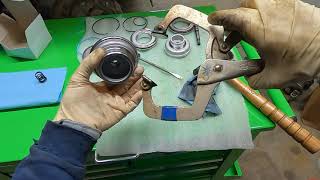
Remove the transmission pan and valve body. Extract the TCC regulator valve and inspect its bore. Use a small light and pick to feel for a ridge or worn step inside the bore. Any detectable wear requires a reaming tool and sleeve or a remanufactured valve body.
Tools: Socket Set, Torque Wrench, Flashlight, Small Pick (Professional) - Advanced TCC Circuit and Solenoid Testing (GM)
Disconnect the TCC PWM solenoid and measure resistance across its pins. A good solenoid reads 10-11 Ohms when cool. Test the solenoid both cold and after warming it with a heat gun; resistance must not change dramatically.
Tools: Multimeter, Heat Gun (Advanced) - PDK Sensor and Calibration Diagnosis (Porsche)
Navigate to the PDK module using a PIWIS scanner and monitor live data for the distance sensors. Command gear changes and watch for erratic values. If a sensor or valve body is replaced, a 'Calibration after part replacement' MUST be performed or the code will return.
Tools: Porsche PIWIS or equivalent Advanced Scan Tool (Professional) - CAN Bus Resistance Check (Mercedes-Benz)
For CAN-related faults, disconnect the battery. Measure resistance between CAN High and CAN Low pins at the diagnostic port. A healthy network reads approximately 60 Ohms. 120 Ohms indicates a missing terminating resistor; 0 Ohms indicates a short.
Tools: Multimeter, Vehicle-Specific Wiring Diagram (Advanced) - Inspect External Wiring and Connectors
Visually inspect the transmission's main electrical connector for damage, corrosion, or fluid contamination. Check the main ground straps from the engine/transmission to the chassis for tightness and corrosion.
Tools: Flashlight, Socket Set (Intermediate)
When This Code Triggers (Freeze-Frame Conditions)
- Engine Coolant Temp: 185-210°F (85-99°C) (Fully warmed up after 15-20 minutes of driving.)
- RPM: 1500-2500 RPM (Steady cruise or light acceleration.)
- Engine Load: 25-50% (Maintaining speed on a flat road or slight incline.)
- Vehicle Speed: 45-65 mph (72-105 kph) (Highway driving in 3rd or 4th gear when TCC lockup is commanded.)
Related Codes
- P1870 — On GM vehicles, this code is functionally identical to P1872, also meaning 'Transmission Component Slipping.' They point to the exact same failure cause (worn TCC valve bore) and are diagnosed identically.
- P0700 — This is a generic code meaning the Transmission Control Module (TCM) has stored a fault. If you see P0700, you must scan the TCM itself to find the specific underlying code like P1872.
- P0741 — This code means 'Torque Converter Clutch Circuit Performance or Stuck Off.' While P1872 is set when the computer detects physical slip, P0741 is set when the computer sees an electrical problem in the TCC control circuit.
- P0894 — This is a generic code for 'Transmission Component Slipping.' It describes the same condition as the GM-specific P1872. The diagnostic path is identical.
Climate & Environmental Factors
- High Ambient Temperature: As the transmission heats up, the aluminum valve body expands more than the steel valves. This expansion enlarges the worn area in the TCC regulator valve bore, worsening the hydraulic leak and causing the TCC to slip. The code often appears only after driving for 20-30 minutes.
- Heavy Towing or Hauling: Towing significantly increases the operational temperature of the transmission. This added heat accelerates fluid breakdown and exacerbates wear on internal components, making a pre-existing valve body issue much more likely to trigger a fault code.
- Cold Weather: In extremely cold climates, transmission fluid becomes too thick, leading to delayed engagement and harsh shifts on startup. While less likely to trigger the slip code directly, this stresses seals and components over time.
How to Talk to a Mechanic About This Code
Say this: "I have a [Your Year/Make/Model] with a P1872 code. My research shows for this car, it likely points to [select one: 'a worn TCC valve bore' for GM / 'a faulty PDK distance sensor' for Porsche / 'a 4WD indicator light circuit fault' for Ford]. I need a proper diagnosis to confirm this before any parts are replaced."
This immediately signals that you are an informed customer. It filters out shops that are not equipped for your specific problem and prevents them from starting with a generic, expensive 'transmission rebuild' quote. It steers the conversation toward a specific, targeted diagnosis.
Avoid saying:
- 'Just fix my transmission'
- 'My check engine light is on, can you look at it?'
- 'Do whatever you think is best'
Questions to ask before authorizing the repair:
- For GM: Did you monitor the TCC slip RPM on a scan tool to confirm the slip? What were the line pressure readings?
- For Porsche: Are you quoting a repair of the mechatronics unit or a full transmission replacement? Do you have a PIWIS or equivalent tool to perform the mandatory post-repair calibration?
- For Ford: Have you confirmed the transmission itself is okay and the fault is isolated to the 4WD indicator circuit?
- Can you provide a detailed breakdown of parts and labor costs?
- What is the warranty on this specific repair, for both parts and labor?
Where to Take It: Dealer vs Independent vs Chain
- Dealer:
Use for warranty work. For out-of-warranty Porsche, get the dealer diagnosis but seek a second opinion from an independent specialist before authorizing a full replacement. For GM, an independent transmission shop is usually better and more cost-effective.
Best for: Vehicles under warranty, Complex electronic or software-related issues where proprietary tools are essential (e.g., initial diagnosis on a Porsche)
Downsides: Highest labor rates., Often default to full component replacement instead of repair (e.g., quoting a $20,000+ new PDK transmission instead of a $4,000 sensor repair). (Typical cost: +50% vs. baseline) - Independent Shop:
Excellent choice, but you MUST choose the right type. For GM, go to a dedicated transmission specialist. For Porsche, go to an independent Porsche specialist with proven PDK experience. For a Ford 4WD circuit, any reputable general mechanic is fine.
Best for: Out-of-warranty vehicles where cost is a factor., Common, well-documented problems on domestic vehicles (like the GM 4L60E).
Downsides: Quality and expertise vary greatly. A general mechanic may not have the specific knowledge for this code. (Typical cost: +0% vs. baseline) - Chain Shop:
AVOID. This code requires specialist knowledge that is rarely found at chain shops. The risk of a costly misdiagnosis is too high.
Best for: Simple, routine maintenance like oil changes and tires.
Downsides: Technicians are often not equipped or trained for complex internal transmission or electronic diagnosis., High likelihood of misdiagnosis or recommending an unnecessary, expensive transmission replacement from a supplier. (Typical cost: -10% vs. baseline)
When to Walk Away From the Repair
If the estimated repair cost exceeds 50% of the car's private-party market value, and you are not confident the repair will provide at least two more years of reliable service, you should seriously consider selling or trading in the vehicle.
- Car worth $5000, fix is $1200: Fix it. This is a common repair for a GM truck of this value, and the cost is well below the 50% threshold.
- Car worth $28000, fix is $4500: Fix it. For a Porsche PDK repair, this is significantly cheaper than a dealer replacement and keeps a high-value car on the road.
- Car worth $3000, fix is $2800: Walk away. The repair cost is nearly the entire value of the vehicle. This money is better put towards a replacement vehicle.
What Scan Tool You Need for This Code
Minimum: For GM, a scanner that reads live transmission data, specifically 'TCC Slip RPM'. For Porsche, a tool that performs a 'PDK Calibration' is mandatory for any repair. For Ford, a basic code reader is sufficient.
A simple $20 code reader only shows the P1872 code. It cannot show the live data needed to confirm a GM slip, nor can it perform the mandatory post-repair calibration on a Porsche, leaving the car undrivable even after a successful mechanical fix.
Rent vs buy: For a Ford, renting a basic scanner is fine. For a GM, you must ensure the rental tool displays live data. For a Porsche, renting is not an option; the specialized calibration function means you must either buy a capable tool or go to a shop that already has one.
How to Clear the Code After You Fix It
- Use an OBD-II scan tool to clear all diagnostic trouble codes (DTCs).
- Perform a complete GM drive cycle to allow the readiness monitors to run.
- For Porsche PDK repairs, a PIWIS tool MUST be used to perform a transmission calibration.
Drive cycle (~20 minutes): From a cold start (coolant temp below 122°F), idle for 2-3 minutes with A/C on. Accelerate to 55 mph and hold steady for 3 minutes. Coast down to 20 mph without using the brake. Accelerate again to 55-60 mph and hold steady for 5 minutes. Coast down again.
Readiness monitors affected: Catalyst Monitor, Evaporative System Monitor, Oxygen Sensor Monitor, Comprehensive Component Monitor
Before emissions retest: drive at least 50 miles to fully set monitors.
Watch out for:
- Disconnecting the battery clears the code but resets all readiness monitors to 'Not Ready', guaranteeing an emissions test failure.
- The code returns immediately if the underlying mechanical or electrical fault has not been properly repaired.
- Failing to perform the mandatory PDK calibration after a sensor or mechatronics replacement on a Porsche causes the code to set again.
Will This Fail Emissions / State Inspection?
Yes — this code typically fails an OBD-II emissions inspection.
- California: An active P1872 code causes an automatic failure of the smog check. After repair, a complete drive cycle must be performed to set all readiness monitors before a retest is possible.
- New York: The NYS DMV emissions inspection includes an OBD-II scan. Any active powertrain fault code, including P1872, results in an immediate failure.
- Texas: In the 17 counties requiring emissions testing, an active Check Engine Light and a stored code like P1872 causes the vehicle to fail the OBD-II portion of the inspection.
Most Commonly Affected Vehicles
- Chevrolet / GMC Silverado, Sierra, Tahoe, Yukon, Suburban, S-10, Blazer, Camaro (1996-2006) — Vehicles using the 4L60E (and 4L65E) are extremely prone to P1870/P1872 due to the TCC regulator valve bore wearing out in the valve body. TSB 01-07-30-038B addresses the accompanying harsh 1-2 shift.
- Porsche Panamera, 911, Boxster, Cayman (2009-2016) — On models with the ZF 7DT45/7DT70 PDK transmission, P1872 indicates an internal mechatronics fault. It is often the distance sensor, requiring specialist diagnosis and a mandatory post-repair calibration with a PIWIS tool.
- Ford F-Series, Expedition, Explorer (4x4 models) (1997-2004) — For many Ford 4x4 trucks and SUVs, P1872 is not a transmission slip code but points to a circuit failure for the 4WD axle lock indicator lamp. Diagnosis focuses entirely on the 4WD system wiring and switch.
- Mercedes-Benz A-Class (W168), Vaneo (W414) (1997-2005) — On models with the 722.7 transmission, P1872 signifies a CAN bus communication fault between the transmission and the electronic selector lever module (EWM), an electrical issue, not a mechanical one.
- Mitsubishi Lancer Evolution X, Lancer Ralliart (2008-2015) — On models with the Getrag Twin-Clutch Sportronic Shift Transmission (TC-SST), P1872 indicates a communication abnormality between the shift lever and the transmission ECU. Diagnosis begins with a CAN bus system check.
- BMW 3-Series (E46), 5-Series (E39), X3 (E83), X5 (E53) (1999-2006) — In BMWs using GM-sourced transmissions like the 5L40E, P1872 is defined as '3-2 Shift Circuit High,' indicating a specific electrical fault with a shift solenoid circuit, not a general slip code.
- Isuzu Rodeo, Ascender, Hombre (1998-2004) — These vehicles use GM-sourced powertrains, including the 4L60E transmission. They are susceptible to the same P1872 slippage code caused by valve body wear as their Chevrolet/GMC counterparts.
- Cadillac Escalade, CTS, SRX, STS (2002-2006) — Cadillacs equipped with the 4L60E/4L65E or 5L40E/5L50E transmissions are prone to this code, either for component slippage or specific shift solenoid circuit faults.
Manufacturer-Specific Notes
- General Motors: The code almost always points to wear in the TCC isolator/regulator valve bore inside the aluminum valve body. As the transmission heats up, the metal expands, and the hydraulic leak worsens, causing the TCC to slip. GM released TSB 01-07-30-038B to address the accompanying harsh 1-2 shift.
- Porsche: This code indicates a significant internal fault within the PDK's control unit (mechatronics), not a clutch pack failure. The issue is almost always electronic (distance sensor, harness) or hydraulic (valve body). A post-repair calibration with a PIWIS tool is mandatory.
- Ford: P1872 on many Ford trucks is completely unrelated to transmission slipping. It specifically indicates a fault in the electrical circuit for the 4-Wheel Drive axle lock indicator light. Diagnosing the transmission internals for this code on a Ford is a waste of time.
- Mercedes-Benz: For Mercedes with the 722.7 transmission, P1872 points to a communication breakdown (CAN bus fault) between the electronic gear selector module (EWM) and the transmission control unit. This is a complex electrical or network fault, not a mechanical one.
Real Owner Stories
2002 Chevy Silverado 1500 at 145K miles with P1870/P1872
Owner experienced a harsh shift from 1st to 2nd gear, especially after driving on the highway for 20+ minutes. The Check Engine Light was on.
What they tried:
- A local shop initially replaced the TCC solenoid and performed a fluid/filter change. The problem went away for about a week but then returned exactly as before.
Outcome: Owner took the truck to a transmission specialist. The specialist diagnosed a worn TCC regulator valve bore. They removed the valve body, reamed the bore, and installed a Sonnax repair kit (77754-04K). Total cost was ~$850. The harsh shift was eliminated, and the code did not return.
Lesson: On a GM 4L60E, P1872 with a hot-only harsh 1-2 shift is almost certainly the valve body bore. Replacing only the TCC solenoid is a common misdiagnosis that wastes money and time.
2013 Porsche Panamera 3.6L at 98K miles with P1872
After buying the car and replacing a dead battery, the car ran perfectly for 200 miles. Then, 'Transmission Fault' appeared on the dash, and shifting became rough. The car drove fine for about 30 minutes after clearing codes, then the fault returned.
What they tried:
- Owner used an Autel scanner and found code P1872. Attempting a PDK calibration with the scanner failed during the 'Hydraulic Test' phase.
Outcome: Forum feedback suggested the intermittent nature pointed to a failing electronic component, likely the PDK distance sensor or the internal wiring harness, which fail with heat soak. The owner replaced the sensor at a specialist shop for $3,800, far less than the dealer's quote for a full transmission replacement.
Lesson: On a Porsche PDK, an intermittent P1872 that appears when hot is a classic sign of a failing internal electronic sensor, not necessarily a catastrophic mechanical failure. Do not accept a full replacement quote without getting a second opinion from an independent Porsche specialist.
1999 Ford F-150 4x4 with P1872
Check Engine Light came on, but the transmission shifted perfectly with no noticeable issues. The 4WD system also seemed to work correctly when tested.
What they tried:
- Owner was initially confused, as online searches for P1872 pointed to GM transmission slippage. Further research specific to Ford trucks revealed the code's true meaning.
Outcome: The owner diagnosed a faulty 4WD indicator light switch on the transfer case. The switch was electrically failing, triggering the code, even though the light on the dash and the 4x4 system itself still functioned. Replacing the switch for under $50 and 30 minutes of labor resolved the Check Engine Light.
Lesson: The definition of P1872 is highly manufacturer-specific. Always research the code for your exact make and model. For many Ford trucks, this code has nothing to do with the transmission's performance and is a simple electrical circuit fault.
How to Prevent This Code From Triggering
- Install an auxiliary transmission cooler. (Once, especially for trucks used for towing.) — Heat is the #1 enemy of the 4L60E. An external cooler keeps fluid temperatures stable, preventing fluid breakdown and reducing expansion of the aluminum valve body, which slows the rate of bore wear.
- Perform regular transmission fluid and filter changes. (Every 30,000-50,000 miles for GM; Every 40,000-60,000 miles for Porsche PDK.) — Clean fluid maintains its hydraulic properties and removes abrasive wear particles. On a PDK, dirty fluid is a leading cause of sensor and mechatronic failure. On a 4L60E, it keeps solenoids and valves from sticking.
- Install an upgraded valve body kit proactively. (During any transmission service or rebuild on a 4L60E with >100k miles.) — Installing an oversized TCC regulator valve and sleeve before the code appears permanently fixes the known design flaw, preventing the hydraulic leak from ever starting.
- Avoid excessive heat generation. (Daily driving habit.) — Avoid prolonged heavy towing in overdrive. When towing, using the 'Tow/Haul' mode adjusts shift points and increases line pressure to reduce clutch slippage and heat buildup, extending the life of all internal components.
Frequently Asked Questions
What is the difference between code P1870 and P1872 on a Chevy?
For General Motors vehicles, there is no practical difference. Both codes indicate 'Transmission Component Slippage' and are triggered by the same failure, which is almost always a worn TCC regulator valve bore in the valve body.
Can I fix code P1872 just by changing the transmission fluid?
It is extremely unlikely. While low or old fluid causes shifting problems, P1872 indicates a specific mechanical or electrical failure has already occurred. A fluid change is good maintenance but will not repair a worn valve body or a bad sensor.
What is the most common misdiagnosis for P1872?
On GM vehicles, the most common mistake is replacing only the TCC solenoid, which fails to fix the underlying hydraulic leak in the valve body. On Porsche PDKs, the code is often misdiagnosed as a catastrophic transmission failure requiring a $20,000+ replacement, rather than a repairable sensor issue.
Why does my transmission only act up when it's hot?
This is a classic symptom of a worn TCC valve bore in GM transmissions. As the aluminum valve body heats up, it expands more than the steel valve, increasing the size of the worn area in the bore. This loss of fluid pressure prevents the torque converter from locking up correctly.
Does a P1872 code mean I need a new transmission?
Usually not. For GM vehicles, repair the valve body and TCC solenoid. On Porsches, it is typically a repairable sensor, and on Fords, a simple light circuit.
How much does it cost to fix code P1872?
Costs vary widely by manufacturer. A proper GM valve body repair costs between $500 and $1,200. A Porsche PDK distance sensor repair at a specialist shop ranges from $2,500 to $5,000+, while fixing a Ford 4WD light circuit is under $200.
Can a bad ground cause code P1872?
Yes. A poor ground connection to the transmission case or TCM causes voltage drops that lead to incorrect sensor readings, solenoid malfunctions, or communication errors, triggering a P1872 code.
Key Takeaways
- P1872 is a manufacturer-specific code meaning transmission slippage on GM vehicles, a PDK sensor fault on Porsches, or a 4WD light circuit failure on Fords.
- On 1996-2006 GM trucks with the 4L60E transmission, P1872 is almost exclusively caused by a worn TCC regulator valve bore requiring a $500-$1,200 valve body repair.
- Driving with an active P1872 code causes extreme heat buildup that destroys clutches and torque converters, turning a targeted $800 repair into a $3,500+ full transmission rebuild.
- Never accept a $20,000+ full transmission replacement quote for a Porsche PDK without first consulting an independent specialist about a $2,500-$5,000 distance sensor repair.
Helpful Videos



The information in this article is provided for general reference and educational purposes only. Vehicle specifications, procedures, and part compatibility can vary by production date, trim level, and region. Always consult your vehicle's factory service manual and verify part numbers before purchasing or performing repairs. Safety-critical components such as airbags, seat belts, and braking systems should be installed by a qualified professional.
- 🎬 Helpful Videos
- What Does P1872 Mean?
- Can I Drive With P1872?
- Common Causes
- Symptoms
- Diagnostic Flowchart
- Common Fixes & Costs
- Used vs. New Parts: Buying Guide
- What Happens If You Wait — Timeline
- Cost of Not Fixing It
- Diagnosis Steps
- When This Code Triggers (Freeze-Frame Conditions)
- Related Codes
- Climate & Environmental Factors
- How to Talk to a Mechanic About This Code
- Where to Take It: Dealer vs Independent vs Chain
- When to Walk Away From the Repair
- What Scan Tool You Need for This Code
- How to Clear the Code After You Fix It
- Will This Fail Emissions / State Inspection?
- Most Commonly Affected Vehicles
- Manufacturer-Specific Notes
- Real Owner Stories
- 2002 Chevy Silverado 1500 at 145K miles with P1870/P1872
- 2013 Porsche Panamera 3.6L at 98K miles with P1872
- 1999 Ford F-150 4x4 with P1872
- How to Prevent This Code From Triggering
- Frequently Asked Questions
- What is the difference between code P1870 and P1872 on a Chevy?
- Can I fix code P1872 just by changing the transmission fluid?
- What is the most common misdiagnosis for P1872?
- Why does my transmission only act up when it's hot?
- Does a P1872 code mean I need a new transmission?
- How much does it cost to fix code P1872?
- Can a bad ground cause code P1872?
- Key Takeaways
- 🎟️ Get 5% Off