

P1870 on 1998-2002 GMC Sonoma: Transmission Slipping Causes and Fixes
On a 1998-2002 GMC Sonoma, code P1870 almost always points to a worn Torque Converter Clutch (TCC) regulator valve bore inside the 4L60E transmission's valve body. This common design flaw causes fluid pressure loss, preventing torque converter lockup and triggering high-pressure, harsh shifts. The definitive fix is to repair the valve body with an aftermarket kit (like the Sonnax 77754-04K for this specific year range) or replace the valve body, which is a moderately difficult DIY job.
- P1870 on your Sonoma means the transmission is slipping, specifically when the torque converter should be locked.
- The most common cause is a worn-out TCC regulator valve bore in the transmission's valve body, a known issue with the 4L60E transmission.
- Symptoms include a harsh shift from 1st to 2nd gear, no overdrive (4th gear), and an active Check Engine Light.
- The standard fix is to repair the valve body with an aftermarket kit or replace the valve body entirely.
- Ignoring this code will lead to further transmission damage and a much more expensive repair.
What's Unique About the 1998-2002 Gmc SONOMA

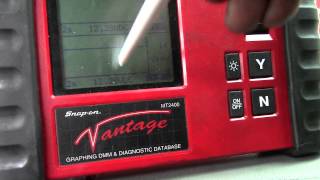
The GMC Sonoma from this era uses the 4L60E automatic transmission, which is widely known for a specific design flaw that leads to the P1870 code. The aluminum valve body's TCC regulator valve bore tends to wear out over time due to the constant oscillation of the steel valve. This wear creates a gap that allows hydraulic fluid pressure to leak, preventing the TCC from applying correctly, which the computer interprets as slippage. 🎬 Watch: A deep dive into the P1870 slippage code. This issue is so common that numerous aftermarket companies have developed specific repair kits to address this single point of failure. The most well-known are the Sonnax TCC Regulator & Isolator Valve Kits (e.g., 77754-03K, 77754-04K) and the TransGo SK 4L60E shift kit.
Diagnostic Flowchart

Tap your situation to follow the diagnostic path that matches what you're seeing on this vehicle.
Symptoms You May Notice
- Harsh 1-2 shift, especially after the transmission warms up (15-20 minutes of driving).
- Check Engine Light or Service Engine Soon light is on.
- Transmission will not shift into fourth gear (overdrive) in some cases.
- No torque converter clutch lockup at highway speeds, resulting in higher than normal RPM.
- A feeling of the transmission slipping or a shudder when the TCC tries to engage.
- Transmission fluid temperatures may be elevated.
- Replacing the entire transmission when only a valve body repair is needed.
- Replacing the TCC solenoid when the actual problem is the worn valve body bore.
- Assuming a complete rebuild is necessary immediately, without first inspecting the valve body, which is the cause over 90% of the time for this specific code on the 4L60E.
Most Likely Causes

- Worn TCC Regulator Valve Bore in Valve Body 🔴 High Probability The 4L60E transmission's aluminum valve body bore for the steel TCC regulator valve wears over time from constant PWM (Pulse Width Modulation) activity, causing a pressure leak that prevents proper TCC lockup. This is the most common failure on this platform.
How to confirm: The problem usually appears only after the transmission fluid is warm. A scan tool can monitor TCC Slip RPM; if slip is high (e.g., over 150 RPM) when lockup is commanded, and other components test good, a worn bore is extremely likely. Visual inspection of the bore for scoring after removing the valve body is the ultimate confirmation.
Typical fix: Install an aftermarket TCC regulator valve repair kit which typically involves reaming the bore and installing a new sleeve and valve. For 1998-2002 models, the correct part is the Sonnax 77754-04K kit. Alternatively, replace the entire valve body with a remanufactured unit that has already been repaired and updated.
Est. part cost: $50-$150 for a repair kit, $250-$450 for a remanufactured valve body. - Failed TCC PWM Solenoid 🟡 Medium Probability This solenoid is in constant use to control TCC apply and can fail electrically or mechanically. It's also susceptible to damage, such as a cracked snout, which creates a leak.
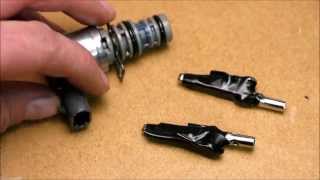
How to confirm: The solenoid can be tested with a multimeter for correct resistance (typically 10-11 ohms when cold). A scan tool can also be used to command the solenoid on and off to check for an audible click and proper function. 🎬 See how to troubleshoot and replace the TCC PWM solenoid. A cracked snout can be found on visual inspection.
Typical fix: Replace the TCC PWM solenoid, which is located on the valve body. This requires dropping the transmission pan. It's often replaced preventatively during a valve body repair. The OEM part number is typically ACDelco 24227747.
Est. part cost: $30-$70 - Worn or Damaged Torque Converter ⚪ Low Probability
How to confirm: If the valve body and solenoids are confirmed to be good, the issue may be the lockup clutch inside the torque converter itself. This is a major repair and is usually diagnosed after other, more common causes are ruled out. A transmission specialist may perform a stall test or other advanced diagnostics.
Typical fix: Replace the torque converter, which requires removing the transmission from the vehicle.
Est. part cost: $150-$400 - Low or Burnt Transmission Fluid ⚪ Low Probability
How to confirm: Check the transmission fluid level with the engine running and the transmission warm. Inspect the fluid's color and smell; it should be reddish and not have a burnt odor.
Typical fix: Top off the fluid to the correct level or perform a transmission fluid and filter change. If the fluid is burnt, it indicates a more serious internal problem that must be addressed.
Est. part cost: $50-$100 for fluid and filter.
Rare But Worth Checking
- Internal Transmission Damage: While the valve body is the most common culprit, other internal issues like a cracked 3-4 clutch piston, worn seals, a damaged input shaft journal, or a damaged sun gear shell can also cause slipping that triggers a P1870 code.
- Sticking Valves in Valve Body: Besides the TCC regulator valve, other valves like the TCC apply valve can get stuck due to sediment or debris, leading to shifting problems and potentially this code.
- Cracked TCC Apply Solenoid: In some cases, a new or existing TCC apply solenoid (part of the internal wiring harness) can have a small crack in its plastic snout, causing a pressure leak sufficient to set P1870 even after other repairs have been made.
Diagnosis Steps
- Check the transmission fluid level and condition. If low, top it off. If it's dark and smells burnt, internal damage is likely, but proceed with diagnosis.
- Use a scan tool to confirm the P1870 code and check for any other transmission-related codes. Address other codes first.
- With a scan tool, monitor the TCC Slip Speed data PID. Drive the vehicle at a steady highway speed (e.g., 55 mph) until the transmission is at normal operating temperature.
- When the TCC is commanded ON by the PCM, the slip speed should be close to zero, ideally less than 50 RPM. If the slip is significantly higher (e.g., 150+ RPM), it confirms the slip condition.
- Test the TCC PWM solenoid. Use the scan tool to command it on and off, listening for a click. You can also test its resistance with a multimeter (should be 10-11 ohms at 68°F/20°C).
- If the fluid and solenoid are good, the most likely cause is a worn TCC regulator valve bore in the valve body.
- Drop the transmission pan and valve body to inspect the TCC regulator valve and its bore for scoring and wear. At this point, installing a valve body repair kit (like Sonnax kit 77754-04K) or a remanufactured valve body is the recommended course of action.
Parts You'll Likely Need

- TCC Regulator Valve Repair Kit — This is the most common fix. It repairs the worn valve body bore that causes the hydraulic leak and subsequent TCC slippage. Requires special tools to ream the valve body.
Trusted brands: Sonnax 77754-04K ('98-later EC3 apply - CORRECT for this vehicle), Sonnax 77754-03K ('97-earlier style apply - INCORRECT for this vehicle), TransGo SK 4L60E
OEM price range: N/A
Aftermarket price range: $60-$150 - Remanufactured Valve Body — A direct replacement alternative to repairing the original valve body. These are typically rebuilt with oversized valves or sleeved bores to correct the original flaw.
Trusted brands: ACDelco (remanufactured), Sonnax
OEM price range: $300-$450
Aftermarket price range: $250-$400 - TCC PWM Solenoid
(OEM #24227747)— This solenoid controls the TCC lockup and can fail electrically or mechanically. It's often replaced as a preventative measure when the valve body is serviced.
Trusted brands: ACDelco, Bosch, Rostra
OEM price range: $40-$70
Aftermarket price range: $25-$50 - Transmission Filter and Gasket Kit
(OEM #ACDelco TF304 (for deep pan))— Required whenever the transmission pan is dropped for service. 1998 and later trucks often use a deep pan, which requires a specific filter to prevent it from falling off and causing fluid starvation.
Trusted brands: ACDelco, Wix, Fram
OEM price range: $25-$40
Aftermarket price range: $15-$30
Related Codes That Often Appear With This One
- P0894 — This code is for 'Transmission Component Slipping' and is often set alongside P1870, as noted in GM Technical Service Bulletins. They both point to the same underlying TCC slip condition. [NHTSA TSB PIP5340A]
- P0741 — This code indicates 'Torque Converter Clutch Circuit Performance or Stuck Off'. It can appear with P1870 if the computer detects a problem with the TCC's ability to engage, which is the root cause of the P1870 slip detection.
Technical Service Bulletins (TSBs) & Recalls
- 01-07-30-002A: This is the key TSB. It describes the P1870 code, the harsh 1-2 shift symptom, and instructs technicians to replace the valve body with an updated version if the fluid is clean and the transmission works correctly when cold.
- PIP5340A / PIP5340: These later bulletins simply advise technicians to contact the GM Technical Assistance Center if P1870 or P0894 is found, indicating it's a known and potentially complex issue. [NHTSA TSB PIP5340A]
Platform-Specific Known Issues
- The 4L60E transmission in the 1998-2002 Sonoma is highly susceptible to wear in the TCC isolator and regulator valve bore within the valve body, making P1870 a very common code for these trucks.
- Per GM TSB 01-07-30-002A (an update to an earlier TSB), the official fix is to replace the valve body with an updated part containing revised TCC regulator and isolator valves. This TSB confirms the diagnosis if the fluid is clean and the transmission operates normally when cold.
- Owner forums are filled with success stories of DIY repairs using aftermarket kits. A common sentiment is that replacing the whole transmission for this code is often unnecessary.
Mechanic-Grade Diagnostic Values
- TCC PWM Solenoid Resistance — expected: 10-11 Ohms at 68°F (20°C), or 13-15 Ohms at 212°F (100°C).. Failure: A reading significantly outside this range indicates a failed solenoid coil.
- Transmission Line Pressure (Idle) — expected: 55-65 PSI in Park, Neutral, or Drive. 65-75 PSI in Reverse.. Failure: Significantly lower pressure indicates a potential clogged filter, weak pump, or major internal leak.
- Commanded Line Pressure (via Scan Tool) — expected: Should vary from ~170-190 PSI at 0.0 Amps commanded to the PCS, down to ~55-65 PSI at 1.0 Amps.. Failure: Failure to reach max or min pressure when commanded points to a faulty Pressure Control Solenoid (PCS), pump issue, or leak in the pressure regulator circuit.
Scan Tool Commands That Help
- Tech 2 (or equivalent): PCS Control / PC Solenoid Amp Test — To manually sweep the Pressure Control Solenoid (PCS) through its amperage range (0.0 to ~1.1A) while monitoring line pressure. This verifies the hydraulic system's ability to generate correct pressure, isolating the pump and PCS from PCM commands.
- Tech 2 (or equivalent): TCC Command ON/OFF — To manually engage and disengage the Torque Converter Clutch while driving and monitoring TCC slip RPM. This confirms if the slip occurs specifically when lockup is commanded, helping to isolate the TCC circuit.
Wiring & Ground Locations
- Transmission Case Connector Pin U — On the main round connector on the passenger side of the transmission case.. This is the pin for the TCC PWM Solenoid control signal from the PCM. It can be tested here for continuity or signal issues.
- Transmission Case Connector Pin E — On the main round connector on the passenger side of the transmission case.. This is a shared ground pin for multiple solenoids, including the TCC PWM solenoid. A poor connection here can cause erratic behavior for the entire group of solenoids.
- G117 — Located on the right rear of the engine.. This is a primary engine ground. A poor connection here can cause various sensor and actuator problems for the powertrain, including the PCM which controls the transmission.
- G201 — Located on the right side of the dash.. This is an interior/dash ground point. A bad ground here could potentially affect the PCM or data link connector, interfering with diagnostics.
Real Owner Repair Stories
- GMTNation Forum Member (GM Truck with 4L60E) — P1870 code returned immediately after a complete transmission overhaul, which included reaming the TCC valve bore with a Sonnax kit.
❌ Tried (didn't work) Complete transmission rebuild, Sonnax TCC valve bore repair
✅ What actually fixed it Replacing the internal transmission wiring harness (which includes the TCC on/off solenoid), the separate TCC PWM solenoid, and the pressure control solenoid (force motor) all at once. - YouTube video by 'Ark' (Vehicle with 4L60E) — Symptoms consistent with P1870 (TCC slip).
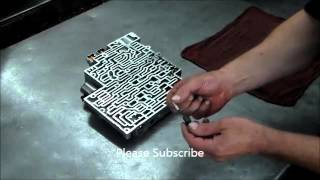
✅ What actually fixed it The user replaced the TCC PWM valve with a block-off style valve without removing the valve body from the transmission, using modified pliers and picks to access the retaining clip. An update confirmed the fix was successful for over 10,000 miles.
"I Checked Everything" — The Actual Cause
- This is a hydraulic/electronic code not typically diagnosed with a smoke test. However, an equivalent scenario is when standard component tests pass but the code persists. One owner reported that after a full rebuild and Sonnax valve body fix, the P1870 code remained. The ultimate cause was a fault within the internal transmission wiring harness, which was resolved by replacing the harness and all solenoids attached to it.
When the Usual Fixes Don't Work
- While the worn TCC regulator valve bore is the cause of P1870 in the vast majority of cases, it is not the only possibility. In one documented instance, a vehicle owner performed a full transmission rebuild, including the Sonnax valve body reaming procedure, but the P1870 code immediately returned. The problem was only resolved after replacing the entire internal wiring harness (which contains the TCC on/off solenoid), the TCC PWM solenoid, and the pressure control solenoid. This indicates that a subtle, hard-to-diagnose electrical fault in the harness or a solenoid that tests good on a bench can still be the root cause.
OEM Part Supersession History
Sonnax 77754-03K→Sonnax 77754-04K (for this application)— Vehicle TCC Apply Strategy Change
Heads up: The 77754-03K kit increases TCC apply pressure and is only for '97-earlier, non-EC3 transmissions. The 1998-2002 Sonoma uses the EC3 (Electronically Controlled Clutch Capacity) strategy and REQUIRES the 77754-04K kit, which matches the original equipment apply rate. Using the -03K kit can cause issues.
Model Year Variations Within This Range
- 1998-2002: These models use the EC3 (Electronically Controlled Clutch Capacity) TCC apply strategy. This makes it critical to use the correct valve body repair kit (Sonnax 77754-04K) that matches the OE apply rate, rather than the kit for earlier models (77754-03K).
- 1998+: Beginning in 1998, all 4L60E transmissions used a two-piece case with a bolt-on bellhousing. Many trucks also began using a deeper transmission pan, which requires a specific 'deep' filter. Using a shallow filter in a deep pan can cause it to fall out, leading to fluid starvation and pressure-related codes like P1870.
Helpful Videos



We Have This Part in Stock



The information in this article is provided for general reference and educational purposes only. Vehicle specifications, procedures, and part compatibility can vary by production date, trim level, and region. Always consult your vehicle's factory service manual and verify part numbers before purchasing or performing repairs. Safety-critical components such as airbags, seat belts, and braking systems should be installed by a qualified professional.
- Gmc SONOMA:
- 🎬 Helpful Videos
- 🛍️ Shop This Part
- What's Unique About the 1998-2002 Gmc SONOMA
- Diagnostic Flowchart
- Symptoms You May Notice
- Most Likely Causes
- Rare But Worth Checking
- Diagnosis Steps
- Parts You'll Likely Need
- Related Codes That Often Appear With This One
- Technical Service Bulletins (TSBs) & Recalls
- Platform-Specific Known Issues
- Mechanic-Grade Diagnostic Values
- Scan Tool Commands That Help
- Wiring & Ground Locations
- Real Owner Repair Stories
- "I Checked Everything" — The Actual Cause
- When the Usual Fixes Don't Work
- OEM Part Supersession History
- Model Year Variations Within This Range
- 🎟️ Get 5% Off