

P1870 on 2001-2005 GMC Safari: Transmission Slipping Causes and Fixes
Code P1870 on a 2001-2005 GMC Safari almost always indicates 'Transmission Component Slipping,' caused by a worn valve body. The most common symptom is a harsh shift from 1st to 2nd gear after the vehicle warms up. The typical fix is to install a TCC valve repair kit into the transmission valve body, which costs around $30-$70 for the part.
- P1870 on your GMC Safari is almost certainly caused by a worn-out TCC regulator valve bore inside the transmission valve body.
- The main symptom is a harsh shift from 1st to 2nd gear that appears after the van has been driven for 15-20 minutes.
- Do not immediately agree to a full transmission rebuild. In most cases, this issue can be permanently fixed by installing an inexpensive valve body repair kit.
- This is not a beginner-friendly DIY repair. It requires dropping the transmission pan and removing the valve body, which is a complex component.
- Ignoring the problem will lead to increased transmission wear and could eventually cause a much more serious and expensive failure.
What's Unique About the 2001-2005 Gmc SAFARI
The GMC Safari from this era uses the 4L60-E automatic transmission, which is notoriously known for a specific design flaw that leads to this code. The bore in the aluminum valve body that houses the Torque Converter Clutch (TCC) regulator valve tends to wear out over time. This wear is caused by the constant oscillation of the steel valve within the aluminum bore. The resulting gap allows hydraulic fluid to leak past the valve, preventing the TCC from applying with enough pressure, which the computer detects as slippage. This issue is so common that numerous aftermarket kits are available specifically to repair this worn bore without replacing the entire valve body.
🎬 Watch: How to fix the TCC valve without removing the valve body.Diagnostic Flowchart
Tap your situation to follow the diagnostic path that matches what you're seeing on this vehicle.
Symptoms You May Notice
- Harsh, sudden, and jarring shift from 1st to 2nd gear, which is the most common and noticeable symptom.
- The harsh shift only appears after the transmission has warmed up (typically 15-20 minutes of driving or when fluid temperature exceeds ~200°F).
- Check Engine Light or Service Engine Soon light is on.
- Transmission may feel like it's slipping at highway speeds, or the RPMs may fluctuate slightly.
- Engine RPM is higher than usual when cruising on the highway, as the torque converter is not locking up.
- In some cases, the transmission may be prevented from shifting into 4th gear (Overdrive) as a protective measure by the TCM.
- Replacing the TCC solenoid when the valve body bore is the actual problem. The solenoid may be functioning correctly, but the hydraulic leak from the worn bore prevents it from doing its job.
- Replacing the entire transmission. Many shops will recommend a full rebuild or replacement, but if caught early, a simple valve body repair is often all that is needed to solve P1870.
Most Likely Causes
- Worn TCC Regulator and Isolator Valve Bore 🔴 High Probability The 4L60-E's aluminum valve body is susceptible to wear from the constant movement of the steel TCC regulator valve. This wear creates a hydraulic leak, preventing proper TCC lockup. This is a well-documented design flaw.
How to confirm: This is the most likely cause if symptoms (especially the harsh 1-2 shift) appear only after the transmission warms up. Diagnosis is typically made by confirming the classic symptoms and ruling out simpler causes like low fluid or a bad solenoid. 🎬 See a breakdown of the three most common causes for this code.
Typical fix: Install an aftermarket TCC valve repair kit (e.g., Sonnax 77754-04K or TransGo SK 4L60-E) which includes an oversized valve and/or reaming tools to restore the bore. Alternatively, replace the entire valve body with an updated GM part or a remanufactured unit.
Est. part cost: $30 - $70 for a repair kit; $250 - $500 for a replacement valve body. - Faulty TCC PWM Solenoid 🟡 Medium Probability
How to confirm: A technician can use a capable scan tool to command the TCC solenoid on and off to check for proper electrical response. The solenoid can also be tested for correct resistance with a multimeter once the transmission pan is removed. The expected resistance is 10-11 ohms at room temperature (68°F/20°C).
Typical fix: Replace the TCC PWM (Pulse Width Modulated) solenoid located on the valve body. The OEM part number is often cited as ACDelco 24227792 or 24227747.
Est. part cost: $20 - $50 - Low or Degraded Transmission Fluid ⚪ Low Probability
How to confirm: Check the transmission fluid level with the engine running and the transmission warm and in Park. Inspect the fluid's color and smell; it should be reddish and not smell burnt. Burnt fluid indicates a more serious problem may already exist.
Typical fix: Top off the fluid to the correct level or perform a transmission fluid and filter change if the fluid is old or burnt. Some owners report temporary relief with additives, but this is not a permanent solution.
Est. part cost: $50 - $150 for fluid and a filter.
Rare But Worth Checking
- Failing Torque Converter: While the code points to slipping, complete failure of the torque converter's internal clutch is less common than the valve body issue. This is usually a last resort after other causes are eliminated.
- Internal Transmission Seal Leak: A leak in the hydraulic circuits that apply the TCC, such as a damaged o-ring on the stator input shaft, can also cause this code, but this would typically require a full transmission rebuild to correct. 🎬 Watch: Step-by-step guide for removing the transmission on a Safari.
- Poor VCM/PCM Ground: On some older 4L60-E platforms, GM issued a TSB (00-07-30-026) regarding a poor internal ground in the Vehicle Control Module (VCM) that could cause erratic line pressure and trigger a P1870 code. This is less common but a possibility if valve body work doesn't solve the issue.
Diagnosis Steps
- Verify the code with an OBD-II scanner. Note if it is a current or history code.
- Check the transmission fluid level and condition. The engine should be running, transmission in Park, and the fluid warm. Ensure the fluid is not burnt or full of debris.
- Drive the vehicle to confirm the symptoms, specifically noting if the harsh 1-2 shift only occurs after 15-20 minutes of driving when the transmission is hot. If the shifts are harsh when cold, another issue may be present.
- Using an advanced scan tool, monitor the TCC slip speed in real-time. A slip of over 100 RPM when the TCC is commanded ON will trigger the code. Also monitor transmission fluid temperature to confirm the heat-related nature of the problem.
- If the fluid is clean and symptoms point to a heat-related issue, the most probable cause is the worn TCC valve bore in the valve body.
- Drop the transmission pan and inspect for excessive metal shavings or clutch material. A clean pan is a good sign that the fix will be limited to the valve body.
- With the pan off, test the resistance of the TCC PWM solenoid. It should read between 10-11 ohms at 68°F (20°C). If the resistance is out of spec, replace the solenoid.
- If the solenoid tests good, the next step is to remove the valve body to either install a TCC repair kit (like Sonnax 77754-04K or one from a TransGo SK 4L60-E kit) or replace the valve body assembly.
Parts You'll Likely Need
- TCC Regulator Valve Repair Kit — This is the most common and cost-effective fix. These kits contain an oversized valve and/or sleeve to repair the worn bore in the valve body, restoring the hydraulic integrity needed for TCC lockup. For 2001-2005 models, a kit for '98-later applications is required.
Trusted brands: Sonnax (P/N: 77754-04K for '98-later), TransGo (Included in SK 4L60-E kit), Fitzall (P/N: A74741QA)
OEM price range: N/A
Aftermarket price range: $40 - $80 - Transmission Valve Body
(OEM #24227747 (Check specific application))— If the valve body bore is too damaged or if a simpler, though more expensive, repair is desired, replacing the entire valve body with an updated unit is the solution. GM updated the part to address this wear issue.
Trusted brands: ACDelco (OEM), Various remanufacturers
OEM price range: $400 - $600
Aftermarket price range: $250 - $400 - TCC PWM Solenoid
(OEM #24227792)— This solenoid is sometimes replaced as a precaution or if it fails resistance testing. It's relatively inexpensive and accessible once the pan is off. Note: The previously listed P/N 24229825 is incorrect for this component.
Trusted brands: ACDelco
OEM price range: $30 - $50
Aftermarket price range: $20 - $40 - Transmission Filter and Pan Gasket Kit — This is required for any repair that involves dropping the transmission pan.
Trusted brands: ACDelco, Wix, ATP
OEM price range: $30 - $50
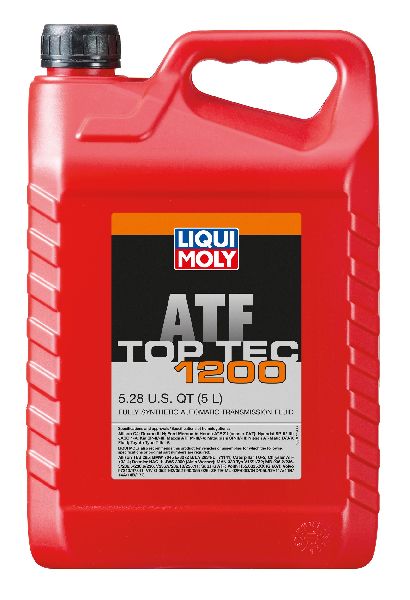
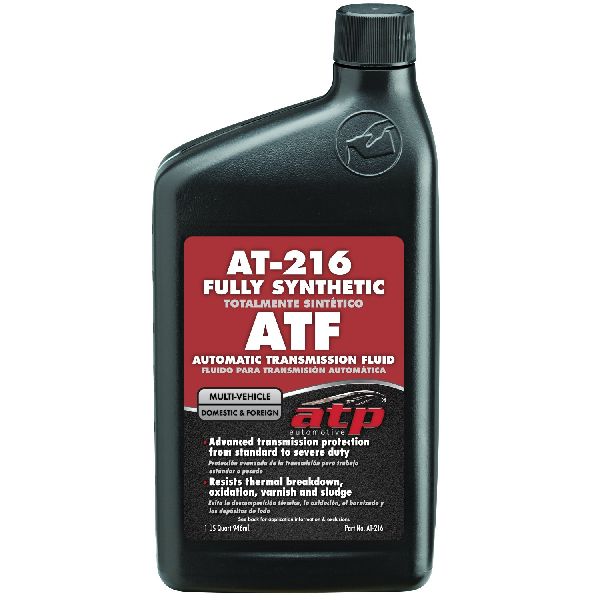
Aftermarket price range: $15 - $30 - DEXRON-VI Automatic Transmission Fluid — Required to refill the transmission after dropping the pan. A pan drop typically requires 5-6 quarts.
Related Codes That Often Appear With This One
- P0894 — This code is also for 'Transmission Component Slipping' and is often set in conjunction with P1870, as they both detect a discrepancy between engine and transmission speeds.
- P0741 — This code specifically indicates 'Torque Converter Clutch Circuit Performance or Stuck Off,' which points directly to the same system that triggers P1870.
Technical Service Bulletins (TSBs) & Recalls
- PIP5340A / PIP5340: Advises technicians to contact GM Technical Assistance for guidance when DTC P0894 or P1870 is set, indicating the issue is well-known and can be complex.
- 01-07-30-023B: A very specific TSB describing the condition of a harsh 1-2 upshift and P1870 code caused by wear in the TCC isolator and regulator valve bore, especially when the transmission is hot. It recommends replacing the valve body.
- 00-07-30-026: An older TSB for some 1996 models that identified a poor VCM ground as a potential cause for erratic line pressure and codes including P1870, requiring a wiring harness modification.
Platform-Specific Known Issues
- The 4L60-E transmission in the 2001-2005 Safari is highly prone to wear in the TCC regulator valve bore, making P1870 a very common code as these vehicles age.
- GM issued TSB 01-07-30-023B which explicitly details this condition (harsh 1-2 shift, P1870 set when hot) and identifies the cause as wear in the control valve body bore.
- The classic symptom pattern is so consistent that many experienced technicians and owners can diagnose P1870 on these vehicles based on the heat-activated harsh 1-2 shift alone.
Mechanic-Grade Diagnostic Values
- TCC PWM Solenoid Resistance — expected: 10 - 11 ohms at 68°F (20°C). Failure: A reading of 0 ohms (short) or infinite/OL (open circuit).
- Transmission Line Pressure (at idle, in Drive) — expected: 55 - 70 psi. Failure: Significantly lower pressure can indicate a worn pump or internal leaks. When code P1870 is active, the PCM commands max pressure (over 200 psi), causing harsh shifts.
- Transmission Line Pressure (at WOT stall) — expected: 190 - 225 psi. Failure: Low max pressure can indicate a weak EPC solenoid or pump issues.
- TCC Slip Speed (via Scan Tool) — expected: Under 50 RPM with TCC commanded ON at steady cruise.. Failure: Sustained slip of over 100 RPM when lockup is commanded will trigger DTC P1870.
Scan Tool Commands That Help
- Tech II (or equivalent professional scanner): TCC Solenoid Command (ON/OFF) — This is a critical bidirectional test. While driving at a steady speed (e.g., 55 mph), a technician can manually command the TCC on and off to watch the TCC Slip Speed PID. A healthy system will show slip drop to near zero when commanded ON. If slip remains high, it confirms the lock-up clutch is not applying correctly.
- Tech II (or equivalent professional scanner): Line Pressure Control / EPC Current — If line pressure is abnormally high at idle even before a P1870 is set, a technician can try to command different current levels to the EPC (Electronic Pressure Control) solenoid. If the pressure does not respond to commanded changes, it can indicate a stuck pressure regulator valve or a faulty EPC solenoid.
Wiring & Ground Locations
- G103 — The main battery-to-engine block ground. Located on the lower right (passenger) side of the engine block, near the crankshaft position sensor.. A poor engine ground can cause erratic sensor readings and incorrect voltage references for the PCM and transmission solenoids, potentially leading to false codes or improper transmission operation.
- G104 — Located on the passenger side of the engine bay, above the blower motor housing.. This ground serves multiple components, including the O2 sensors. While not directly tied to the transmission, erratic O2 sensor data can affect engine load calculations, which in turn influences transmission shift and TCC lock-up strategy.
- G105 — Located on one of the thermostat housing nuts/studs.. Provides a ground path for the instrument panel and MAF sensor. A faulty MAF signal due to a bad ground can cause incorrect load calculations by the PCM, affecting TCC operation.
- Transmission Case Connector — The main round electrical connector on the passenger side of the transmission case.. This is the single point of connection for all internal transmission electronics. Corrosion or pushed-back pins in this connector can interrupt signals to the TCC solenoid, causing it to fail. It should be inspected for fluid intrusion and pin integrity.
Real Owner Repair Stories
- GMTNation forum member (Chevrolet Trailblazer with 4L60-E and 215k+ miles) — Sudden, jolting 1-2 shift after warmup. Code P1870 was set.
❌ Tried (didn't work) The user was considering a valve body fix but was hesitant due to the high mileage and cost.
✅ What actually fixed it Another user shared their experience with a P1870 that persisted *after* a full rebuild, including a Sonnax valve ream. The final fix was replacing the entire internal transmission wiring harness, which includes the TCC solenoid, PWM solenoid, and pressure control solenoid (force motor) as an assembly. This solved the code. - GMTNation forum member (1998 Camaro with 4L60-E (later swapped into a 1999 Camaro)) — Neck-snapping 1-2 shifts, TCC failing to lock or cycling on/off when warm, but no P1870 code was set.
❌ Tried (didn't work) Initial diagnosis was difficult because the trouble code was not present.
✅ What actually fixed it As a last-ditch effort, the user installed a Transgo SK-4L60E shift kit, which includes parts to address the TCC valve bore wear. This completely solved the harsh shifts and TCC lock-up issues. The user noted the TCC lockup then felt firm, like a shift into a '5th gear'.
When the Usual Fixes Don't Work
- While the vast majority of P1870 codes on a 2001-2005 Safari are fixed by addressing the TCC regulator valve bore in the valve body, there are documented cases where this does not solve the problem. In one instance, a vehicle that had a full transmission rebuild, including the standard valve body bore repair, continued to set the code. The ultimate fix was found to be a faulty internal wiring harness assembly. In another case, a brand new TCC solenoid was found to have a hairline crack, preventing it from sealing and causing the code to return after all other common fixes were performed. These cases highlight the need to look beyond the most common cause if the initial repair fails.
OEM Part Supersession History
10478124→24219819— This is the part number for the 1-2 and 3-4 Shift Solenoids, not the TCC solenoid. It is often replaced during a valve body service but will not fix a P1870 caused by the TCC circuit.
Heads up: Installing this part will not fix a P1870 code related to the TCC valve or solenoid.N/A (OE Design)→Sonnax 77754-04K (Repair Kit)— The original valve body design was prone to wear. The Sonnax kit for '98-later models uses an improved, wear-resistant sleeve and valve design to permanently restore the hydraulic circuit integrity.
Heads up: The Sonnax 77754-03K kit is for '97-earlier models and has a different apply rate. Using the wrong kit can cause TCC apply issues. The 2001-2005 Safari requires the 77754-04K kit.Pass 2 P/N: 24229825→Correct P/N: 24227792 or 24227747— Part number 24229825 is incorrect for the TCC PWM solenoid; it corresponds to other transmission components. The correct ACDelco part number for the TCC PWM solenoid in this application is 24227792 (also listed as 24227747).
Heads up: The part number from Pass 2 is wrong and will lead to ordering the incorrect component.
Model Year Variations Within This Range
- 2001-2005: The 4L60-E within this specific year range is relatively consistent for the GMC Safari. It falls after the 1998 introduction of the updated case/bellhousing and before the 2006 addition of the Input Speed Sensor (ISS). Therefore, the cause and correction for P1870 are highly consistent across these model years, almost always pointing to the TCC regulator valve bore wear.
Helpful Videos


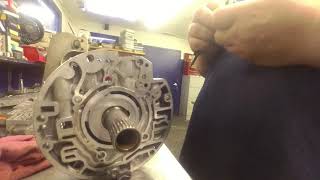
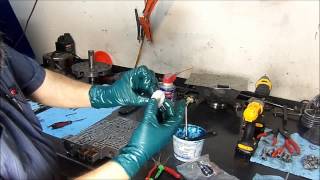
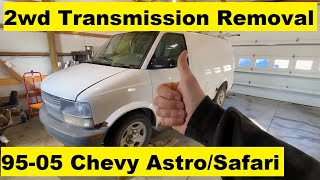
We Have This Part in Stock

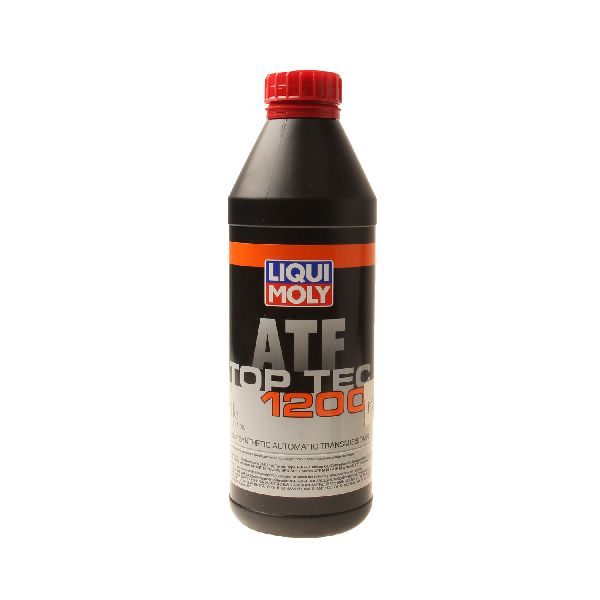


The information in this article is provided for general reference and educational purposes only. Vehicle specifications, procedures, and part compatibility can vary by production date, trim level, and region. Always consult your vehicle's factory service manual and verify part numbers before purchasing or performing repairs. Safety-critical components such as airbags, seat belts, and braking systems should be installed by a qualified professional.
- Gmc SAFARI:
- 🎬 Helpful Videos
- 🛍️ Shop This Part
- What's Unique About the 2001-2005 Gmc SAFARI
- Diagnostic Flowchart
- Symptoms You May Notice
- Most Likely Causes
- Rare But Worth Checking
- Diagnosis Steps
- Parts You'll Likely Need
- Related Codes That Often Appear With This One
- Technical Service Bulletins (TSBs) & Recalls
- Platform-Specific Known Issues
- Mechanic-Grade Diagnostic Values
- Scan Tool Commands That Help
- Wiring & Ground Locations
- Real Owner Repair Stories
- When the Usual Fixes Don't Work
- OEM Part Supersession History
- Model Year Variations Within This Range
- 🎟️ Get 5% Off