

P1870 on 1998-2004 Chevrolet Blazer: Transmission Slipping Causes and Fixes
On a 1998-2004 Blazer, P1870 almost always points to a worn TCC regulator valve bore in the 4L60E transmission's valve body. This causes the torque converter clutch to slip. The fix is a valve body repair kit, which costs $50-$150 for parts.
- P1870 on your Blazer is almost certainly caused by a worn TCC regulator valve bore in the transmission valve body, a known flaw in the 4L60E transmission.
- The most noticeable symptom is often not the slip itself, but the harsh, banging 1-2 shift that the computer commands to protect the transmission after detecting the slip.
- Do not immediately opt for a costly transmission replacement. A much cheaper valve body repair kit ($50-$150) is the correct fix in the vast majority of cases.
- This is not a beginner-friendly DIY repair. It requires dropping the valve body from the transmission, which is complex and messy.
- Ignoring this code will lead to severe transmission overheating and eventual failure, turning a relatively inexpensive repair into a multi-thousand dollar replacement.
What's Unique About the 1998-2004 Chevrolet BLAZER
The 1998-2004 Blazer uses the GM 4L60E automatic transmission, which is notorious for a specific design flaw that causes the P1870 code. The TCC regulator valve, located in the aluminum valve body, constantly oscillates and wears down its bore. This wear creates a hydraulic leak, preventing the torque converter clutch from applying fully, leading to slippage. This is such a common failure that multiple aftermarket companies like Sonnax and TransGo have designed specific repair kits just to address this single issue. The issue typically appears after the transmission fluid has warmed to normal operating temperature.
Diagnostic Flowchart
Tap your situation to follow the diagnostic path that matches what you're seeing on this vehicle.
Symptoms You May Notice
- Check Engine Light or Service Engine Soon light is on
- Harsh or banging shifts, especially from 1st to 2nd gear
- Symptom (harsh shifting) primarily occurs after the transmission has warmed up.
- Loss of power, particularly at highway speeds
- Transmission feels like it's slipping or hesitating.
- Transmission fluid is burnt, dark, and has a foul odor (ODI #10004923).
- Inability to shift into the highest gear (overdrive)
- Fluctuating RPMs at steady highway speeds, as the TCC tries to engage and fails.
- Stalling or stumbling in reverse.
- Replacing the entire transmission without first addressing the valve body. Many transmissions are replaced when a simple, inexpensive valve body repair kit 🎬 Watch: How to fix the P1870 code on a budget would have solved the problem.
- Replacing only the TCC PWM solenoid without addressing the worn valve bore. While the solenoid can fail, the root cause is usually the hydraulic leak from the worn bore.
- Mistaking a vacuum leak for a transmission problem. A significant vacuum leak can sometimes cause harsh shifting, but it typically won't set a P1870 code.
Most Likely Causes
- Worn TCC Regulator Valve Bore in Valve Body 🔴 High Probability This is a well-documented design flaw in the 4L60E transmission. The constant movement of the steel valve wears out the softer aluminum valve body bore, causing a pressure leak that prevents the TCC from locking up properly.
How to confirm: A visual inspection of the valve body is required, though wear may not be visible to the naked eye. The primary indicator is the presence of code P1870 combined with a harsh 1-2 shift that appears after the transmission warms up. A scan tool monitoring TCC slip RPM will show high slip (over 100 RPM) when lockup is commanded. A technician may use a vacuum tester on the valve body to confirm the leak at the TCC regulator and isolator valve bores.
Typical fix: The valve body bore must be reconditioned or the valve replaced with an improved design. This is done by installing an aftermarket repair kit. The Sonnax 77754-04K kit requires reaming the bore with a special tool (F-77754-TL4). The TransGo SK 4L60E kit includes a redesigned valve that works in a worn bore without machining. 🎬 See how to install this valve fix without removing the valve body Some owners opt to replace the entire valve body with an updated or remanufactured unit.
Est. part cost: $50-$150 - Failed TCC PWM Solenoid 🟡 Medium Probability This electronic solenoid controls the application of the TCC and can fail electrically or become clogged with debris over time. It is a common wear item.
How to confirm: The solenoid can be tested for correct resistance with a multimeter. The expected resistance for the TCC PWM solenoid is between 10 and 11 ohms at approximately 68°F (20°C). A reading far outside this range or an open circuit indicates a failed solenoid. A scan tool can also command the solenoid on and off to check its function.
Typical fix: Replace the TCC PWM solenoid. This is located on the valve body and is accessible after dropping the transmission pan. It is highly recommended to replace this solenoid whenever the valve body is serviced 🎬 Watch this walkthrough on replacing the TCC and shift solenoids for a P1870 code.
Est. part cost: $20-$60 - Worn or Failed Torque Converter ⚪ Low Probability While less common than the valve body issue, the internal clutch within the torque converter can wear out, especially if the vehicle has been driven with the slipping condition for a long time, causing excessive heat. Often, this is a secondary failure caused by the primary valve body problem.
How to confirm: This is usually diagnosed after all other potential causes (valve body, solenoid) have been eliminated. Excessive bronze-colored metal debris in the transmission pan is a strong indicator of stator bushing failure within the converter. A blue or distorted appearance of the converter itself indicates severe overheating.
Typical fix: Replace the torque converter. This is a major repair that requires removing the entire transmission from the vehicle.
Est. part cost: $150-$400 - Low or Burnt Transmission Fluid ⚪ Low Probability Low fluid can cause a variety of shifting problems, including slipping. Burnt fluid is a symptom of excessive heat, often caused by the slipping itself (ODI #10004923). Degraded fluid can also cause valves to stick.
How to confirm: Check the transmission fluid level and condition with the engine running and the transmission warm. The fluid should be red and clear, not brown, black, or smelling burnt.
Typical fix: If low, top off with the correct fluid (DEXRON-III/DEXRON-VI compatible). If burnt, a full fluid and filter change is needed, but this will not fix the underlying cause of the overheating, which is typically the valve body wear.
Est. part cost: $50-$120
Diagnosis Steps
- Verify the code with an OBD-II scanner.
- Check the transmission fluid level and condition. Ensure the engine is running and the transmission is warm. Burnt or dark fluid points to excessive heat from slipping.
- Drive the vehicle until the transmission reaches normal operating temperature (over 180°F). Note if the harsh 1-2 shift only occurs when hot, which is the classic symptom.
- Using a scan tool with live data, monitor the TCC Slip Speed parameter. When the TCC is commanded ON (usually at cruise above 45 MPH), the slip speed should be near zero (under 50 RPM). If it's consistently high (over 100 RPM), it confirms the slip.
- If a slip is confirmed, drop the transmission pan and inspect for excessive metal debris. A small amount of fine grey material is normal, but large flakes or bronze material indicate hard part failure.
- Remove the valve body. While it is out, test the TCC PWM solenoid with a multimeter. It should read between 10-11 ohms at room temperature. It is highly recommended to replace it regardless of the test result due to its low cost and high failure rate.
- Inspect the valve body for wear in the TCC regulator valve bore. Install a valve body repair kit (e.g., Sonnax 77754-04K or TransGo SK 4L60E) according to the manufacturer's instructions. Note that the Sonnax kit requires a special reamer.
- Reinstall the valve body with new gaskets, install a new transmission filter, and reinstall the pan.
- Refill the transmission with the correct type and amount of fluid (DEXRON-III or a compatible DEXRON-VI).
- Clear the codes and perform a test drive, allowing the transmission to warm up fully to confirm the harsh shift and slip are gone and the P1870 code does not return.
Parts You'll Likely Need
- TCC Regulator Valve Repair Kit — This is the most common fix for P1870 on the 4L60E. It repairs the design flaw in the valve body bore that causes the TCC to slip.
Trusted brands: Sonnax (P/N: 77754-04K), TransGo (P/N: SK 4L60E)
Aftermarket price range: $50-$150 - TCC PWM Solenoid
(OEM #24227747)— This solenoid controls the TCC and is a common failure point. It's wise to replace it while the valve body is removed for the TCC valve repair.
Trusted brands: ACDelco, GM Genuine Parts
OEM price range: $40-$70
Aftermarket price range: $20-$50 - Valve Body Gasket Set — Required when removing the valve body for repair. Ensures proper sealing upon reassembly.
Trusted brands: ACDelco, Fel-Pro
OEM price range: $25-$40
Aftermarket price range: $15-$30 - Transmission Filter Kit
(OEM #24227477)— Should be replaced any time the transmission pan is removed.
Trusted brands: ACDelco, Wix, Fram
OEM price range: $30-$45
Aftermarket price range: $15-$30
Related Codes That Often Appear With This One
- P0894 — This code also means 'Transmission Component Slipping' and is often used interchangeably with P1870 on GM vehicles. TSB #PIP5340A and aftermarket kit descriptions mention both codes for the same condition.
- P0757 — Shift Solenoid 'B' Stuck On. A problem causing P1870 can sometimes lead to other solenoid or shifting-related codes as the PCM tries to compensate for the slip.
- P0740 — Torque Converter Clutch Circuit Malfunction. This code points to an electrical issue with the TCC circuit, whereas P1870 points to a mechanical/hydraulic slip. However, they can sometimes appear together if there are multiple faults.
Technical Service Bulletins (TSBs) & Recalls
- Bulletin #PIP5340A: Acknowledges that DTC P0894 or P1870 may set and instructs dealers to contact the GM Technical Assistance Center, indicating a known and complex issue.
- Bulletin #00-07-30-002B: Addresses harsh 1-2 shifts and P1870, recommending the replacement of the valve body with an updated part containing a new design TCC regulator and isolator valve. This confirms the factory-level recognition of the valve bore wear issue.
Platform-Specific Known Issues
- The primary vehicle-specific issue is the inherent design flaw in the 4L60E transmission's valve body, where the TCC regulator valve wears out its bore, causing a hydraulic leak and setting code P1870.
- As a result of the code being set, the PCM will command maximum line pressure, causing a very noticeable and harsh 1-2 shift, which is often the symptom that drivers notice most. This symptom typically only appears after the transmission has warmed to operating temperature.
Mechanic-Grade Diagnostic Values
- TCC PWM Solenoid Resistance — expected: 10 to 11 Ohms at 68°F (20°C). Failure: A reading significantly outside this range, or an open/short circuit.
- TCC Solenoid (On/Off type, less common) — expected: 20 to 31 Ohms. Failure: A reading outside this range. Note: Most 1998-2004 Blazers use the PWM solenoid.
- TCC Slip Speed (Live Scan Data) — expected: Near 0 RPM (typically under 50 RPM) when TCC is commanded locked.. Failure: Consistently over 100 RPM when TCC lockup is commanded by the PCM, confirming a slip.
Scan Tool Commands That Help
- Tech 2 or equivalent professional scanner: TCC Solenoid Command (On/Off) — Used with the engine running and transmission in gear to manually command the TCC solenoid on and off. This helps verify the electrical circuit and solenoid function. A test light can be used at the transmission connector to confirm the PCM is sending the signal.
- Tech 2 or equivalent professional scanner: Adaptive Learning Reset / Transmission Oil Life Reset — After replacing the valve body, solenoids, or the entire transmission, a reset of the adaptive pressure values is recommended to ensure the PCM learns the characteristics of the new components correctly.
Wiring & Ground Locations
- Main Transmission Connector (20-pin) — On the passenger side of the transmission case, behind the 2-4 servo cover.. This connector contains all the wiring for the internal transmission solenoids. Pin 'E' is the 12V ignition power feed for the solenoids. Pin 'T' is the PCM ground signal for the TCC PWM Solenoid. A poor connection or damaged wire at these pins can cause TCC circuit malfunctions.
- G103 - Engine Ground — On the front of the passenger side cylinder head.. This is a primary engine ground. A poor connection here can cause a variety of electrical issues, including erratic sensor readings and improper solenoid function that could indirectly affect transmission operation.
- G104 - Engine/Chassis Ground — On the rear of the driver's side cylinder head, near the firewall. A ground strap often connects from here to the body/firewall.. This ground is critical for the Vehicle Control Module (VCM/PCM) and various sensors. A bad G104 ground has been linked to issues with the tach signal, which the PCM uses for transmission control calculations, including TCC lockup.
- PCM Brake Switch Input (C1 Pin 33) — A purple wire at the PCM connector. It receives a signal from the brake light switch.. The PCM uses this signal to disengage the TCC when the brakes are applied. If this circuit is faulty and incorrectly tells the PCM the brakes are on, it can prevent TCC lockup, though this typically does not set a P1870 slip code.
Real Owner Repair Stories
- GMTNation forum user (4L60E with 184,000 miles) — P1870 code persisted even after a full transmission overhaul, which included reaming the TCC bore with a Sonnax kit.
❌ Tried (didn't work) Complete transmission rebuild, Sonnax TCC valve bore reaming and valve installation
✅ What actually fixed it Replacing the internal transmission wiring harness, which included a new TCC solenoid, PWM solenoid, and pressure control solenoid (force motor), finally resolved the P1870 code. - Blazer Forum user (1999 Chevrolet Blazer) — P1870 code with TCC slip of 150+ RPM confirmed on a scan tool. Fluid was clean.
❌ Tried (didn't work) Confirmed previous owner had installed a Transgo shift kit with TCC valve., Installed a completely new valve body with a pre-reamed bore and Sonnax valve kit., Forced TCC lockup with a check ball in the apply solenoid; engine did not stall, indicating a major hydraulic leak.
✅ What actually fixed it Upon transmission teardown, the user found severe wear on the rear stator support bushing and the journal on the input/turbine shaft. Replacing the worn input shaft and stator support bushing resolved the pressure loss and fixed the P1870 code. - Blazer Forum user (1996 Chevrolet Blazer) — P1870 code with harsh 1-2 shifts.
❌ Tried (didn't work) Initial diagnosis pointed towards a simple TCC valve or solenoid issue.
✅ What actually fixed it The owner opted to replace the entire valve body with an upgraded unit that included new, improved solenoids. This single repair fixed the issue, and the truck ran for another 5 years without transmission problems.
When the Usual Fixes Don't Work
- While the vast majority of P1870 codes on these Blazers are caused by the TCC regulator valve bore wearing out in the valve body, there are documented cases where this fix does not solve the problem. In one instance, a user performed a full rebuild including the Sonnax valve kit, but the code remained. The final fix was replacing the entire internal wiring harness, which includes all the solenoids as a unit. This suggests that an intermittent electrical fault in the harness itself, not just a single solenoid, can also cause this code. In another case, after replacing the valve body and TCC valve to no effect, a full teardown revealed the root cause was a worn input shaft journal and stator support bushing, causing a massive hydraulic leak that overpowered any valve body fixes.
OEM Part Supersession History
24214974→24227747— Updated design for the TCC PWM Solenoid.
Heads up: The new part is a direct replacement for the old one. Some documentation notes that programming or special setup procedures may be required, but this is generally for newer vehicles and not typically an issue for the 1998-2004 Blazer.
Model Year Variations Within This Range
- 1998-2002: The electronic pressure control (EPC) solenoid used a two-prong connector. In 2003, this was changed to a different style connector, though the solenoid's function and resistance remained the same.
- 2001+: Some internal valve body valving was subtly tweaked around 2001-2002 to try and reduce the P1870 issue from the factory, though the fundamental design flaw remained. Additionally, starting in 2001, the 4L65E variant with a five-pinion planetary carrier and stronger input shaft began to appear in some applications, though the valve body and P1870 issue are common to both the 4L60E and 4L65E.
- 1998+: All 4L60E transmissions from 1998-onward used a two-piece case with a bolt-on bellhousing, a change from the one-piece case used in earlier truck models.
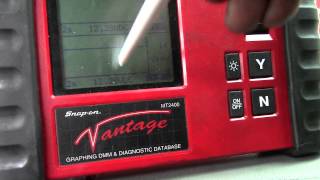
Helpful Videos



We Have This Part in Stock



The information in this article is provided for general reference and educational purposes only. Vehicle specifications, procedures, and part compatibility can vary by production date, trim level, and region. Always consult your vehicle's factory service manual and verify part numbers before purchasing or performing repairs. Safety-critical components such as airbags, seat belts, and braking systems should be installed by a qualified professional.
- Chevrolet BLAZER:
- 🎬 Helpful Videos
- 🛍️ Shop This Part
- What's Unique About the 1998-2004 Chevrolet BLAZER
- Diagnostic Flowchart
- Symptoms You May Notice
- Most Likely Causes
- Diagnosis Steps
- Parts You'll Likely Need
- Related Codes That Often Appear With This One
- Technical Service Bulletins (TSBs) & Recalls
- Platform-Specific Known Issues
- Mechanic-Grade Diagnostic Values
- Scan Tool Commands That Help
- Wiring & Ground Locations
- Real Owner Repair Stories
- When the Usual Fixes Don't Work
- OEM Part Supersession History
- Model Year Variations Within This Range
- 🎟️ Get 5% Off