

P1776 on 2013 Ram 2500: Solenoid Switch Valve Latched in LR Position Causes and Fixes
On a 2013 Ram 2500 with the 68RFE transmission, code P1776 means the transmission's solenoid switch valve is stuck in the Low/Reverse position. This typically forces the truck into 'limp mode' (stuck in one gear). The most common fixes involve replacing the transmission solenoid pack or repairing/replacing the valve body where the valve is housed. Before replacing parts, check for relevant software updates per Chrysler TSBs.
- P1776 on a 2013 Ram 2500 means the transmission is stuck in a low gear due to a faulty Solenoid Switch Valve.
- The truck will likely enter 'limp mode,' making it unsafe for normal driving.
- The most common causes are a sticking valve within the valve body or a failed transmission solenoid pack.
- This is not a simple DIY fix; it requires removing the transmission pan and valve body and should be handled by a professional.
- Do not automatically replace the solenoid pack; the valve body itself must be inspected, as a worn bore is a very common cause.
What's Unique About the 2013-2013 Ram 2500

For Ram trucks with the 68RFE transmission, this code is a well-documented and common issue. Multiple Technical Service Bulletins (TSBs), including #18-091-16, have been issued that list P1776 alongside other transmission codes, often pointing to software updates that can resolve the issue without immediate parts replacement. A key point of failure is the design of the valve body itself; the aluminum bore for the Solenoid Switch Valve can wear out, causing the valve to stick. This leads to a common misdiagnosis where the solenoid pack is replaced, but the root cause in the valve body remains. Aftermarket companies like Sonnax and BD Diesel offer sleeved valve bodies and oversized valve kits specifically to address this wear-and-tear issue.
Diagnostic Flowchart

Tap your situation to follow the diagnostic path that matches what you're seeing on this vehicle.
Symptoms You May Notice

- Check Engine Light is on
- Transmission is stuck in one gear (limp mode, often 2nd or 3rd)
- Harsh or failed shifts
- Inability to engage drive or reverse
- Vehicle feels like it has low power
- Delayed engagement when shifting from Park to Drive
- Replacing only the solenoid pack when the valve body bore is worn. A Chrysler tech tip specifically warns against this, as the problem is often the valve sticking in the valve body, not the solenoid itself.
- Immediately replacing hardware without first checking for available PCM software updates. TSBs 18-091-16 and others show that Chrysler has addressed false P1776 codes via software flashes.
Most Likely Causes

- Sticking Solenoid Switch Valve (SSV) or Worn Valve Body 🔴 High Probability The 68RFE valve body is made of soft aluminum. Over time, the hardened steel Solenoid Switch Valve oscillates in its bore, wearing the aluminum and allowing the valve to cock and stick. This wear allows hydraulic pressure to leak, causing the code.
How to confirm: A technician must remove the transmission pan and valve body to physically inspect the Solenoid Switch Valve and its bore for scoring, debris, or sticking. The valve should move freely.
Typical fix: The valve body must be repaired with an oversized valve and plug kit, which requires specialized reaming tools, or replaced entirely. Aftermarket companies offer remanufactured valve bodies with steel sleeves in the SSV bore to prevent recurrence.
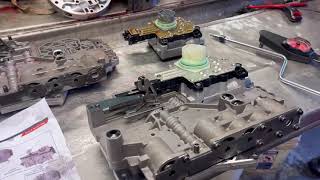
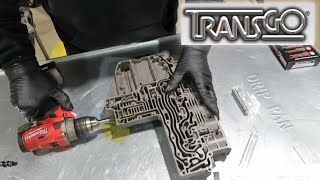
Est. part cost: $50-$100 for a valve repair kit (e.g., Sonnax 92835-18K), 🎬 See how to use a solenoid switch valve repair kit $500-$1200 for a remanufactured or upgraded valve body. - Faulty Transmission Solenoid Pack 🟡 Medium Probability The solenoid pack is an electronic component submerged in hot transmission fluid, and internal failures are common. Chrysler TSB 21-008-04 noted that a defective solenoid block can be the cause. It's a common failure point for shifting issues on the 68RFE.
How to confirm: After confirming the valve itself isn't sticking, the solenoid pack is the next logical suspect. It can be tested with a scan tool that can command specific solenoids, or by checking resistance values, though replacement is often the most practical diagnostic step.
Typical fix: Replace the entire transmission solenoid pack assembly. This part is located on the valve body inside the transmission pan. It is critical to verify the connector color (white or grey) before ordering a replacement.
Est. part cost: $300-$500 - Outdated Powertrain Control Module (PCM) Software 🟡 Medium Probability Chrysler released multiple software updates to address erroneous transmission codes. TSB 18-091-16 specifically addresses P1776 by changing it from a one-trip fault to a two-trip fault to prevent false positives, among other system improvements.
How to confirm: A dealership or a shop with a wiTECH scan tool can check the current software calibration level of the PCM and compare it to the latest available version.
Typical fix: Reprogram the Powertrain Control Module (PCM) with the latest software. This should be a primary diagnostic step before replacing any hardware.
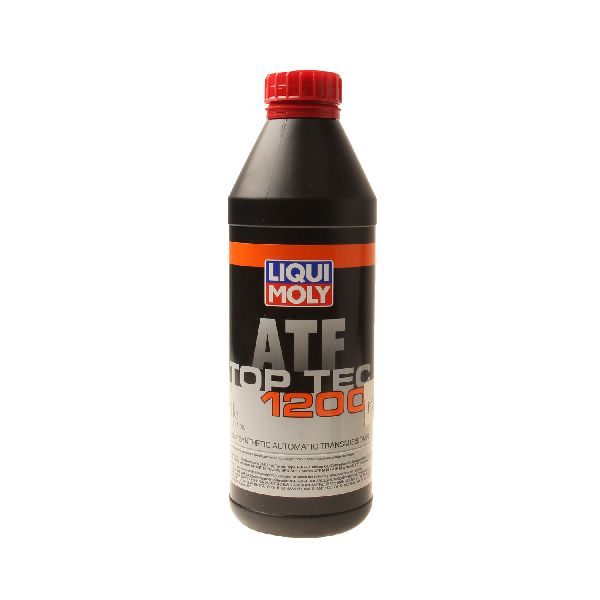
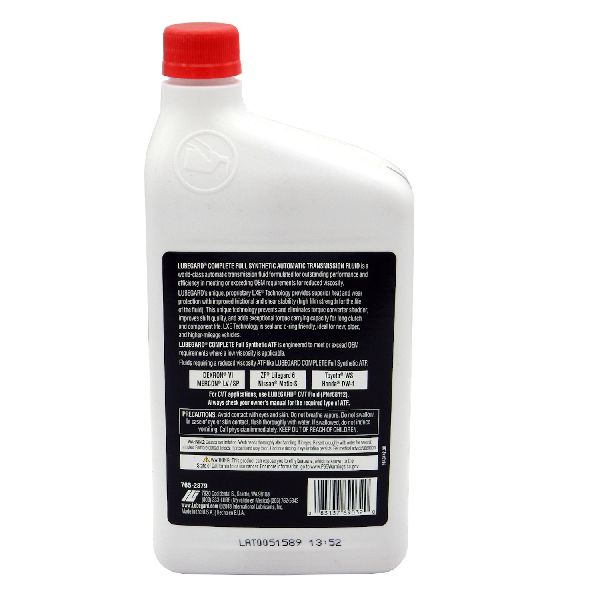
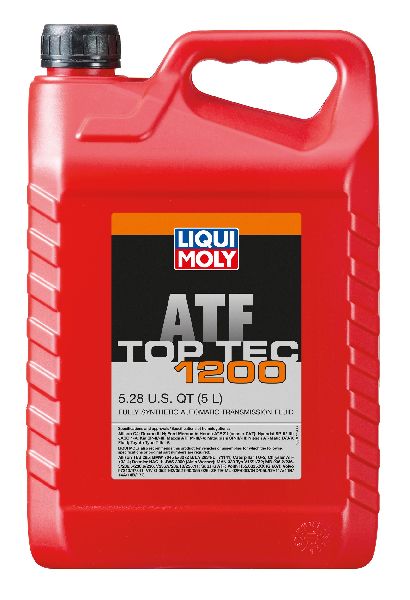
Est. part cost: $0 if under warranty, otherwise $100-$250 for a dealer to flash the module. - Low or Contaminated Transmission Fluid ⚪ Low Probability Failure to service the transmission fluid can lead to breakdown and the accumulation of clutch material and metal shavings, which can jam fine passages in the valve body and cause valves to stick.
How to confirm: Check the transmission fluid level and condition. If the fluid is dark, burnt-smelling, or contains visible debris, it's a strong indicator of internal problems.
Typical fix: Perform a transmission fluid and filter change. However, if the fluid is heavily contaminated, this is a symptom of a larger failure, and simply changing the fluid will not fix the stuck valve.
Est. part cost: $100-$200 for fluid and filters.
Rare But Worth Checking
- Wiring Harness Issue: A short to ground or open in the Low/Reverse pressure switch signal circuit (T50 circuit) can trigger this code. This is less common than internal transmission issues but should be checked before replacing major components.
- Faulty Powertrain Control Module (PCM): In very rare cases, the PCM itself can be the source of the problem, incorrectly interpreting sensor data. This should only be considered after all other possibilities, including software updates, have been exhausted. PCM replacement is costly.
Diagnosis Steps
- Check for Technical Service Bulletins (TSBs). Specifically, check if TSB 18-091-16 or other software updates apply. If so, performing the PCM flash may resolve the issue.
- Read all diagnostic trouble codes (DTCs) with a quality OBD-II scanner. Note any other codes present, especially P1775, P0934, P0935, and U0100.
- Check the transmission fluid level and condition. Dark, burnt, or debris-filled fluid indicates a need for further internal inspection.
- Inspect the transmission wiring harness and connectors for any visible damage, corrosion, or loose connections, paying close attention to the main connector at the transmission case.
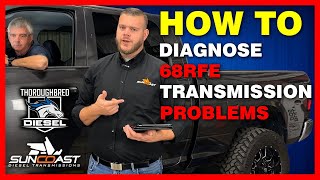
- Using an advanced scan tool, monitor the live data for the LR/CC solenoid command, low clutch line pressure, and the low-pressure switch status 🎬 Watch: How to diagnose common 68RFE transmission problems to determine if the fault is electrical, hydraulic, or a stuck valve.
- If the above steps don't reveal the issue, the next step is to drop the transmission oil pan to access the valve body and solenoid pack.
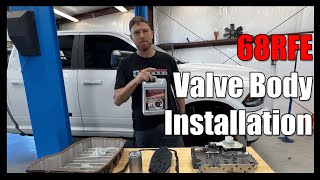
- Remove the valve body. Carefully inspect the Solenoid Switch Valve (SSV) for any signs of sticking, scoring, or debris in its bore. The valve should slide freely without binding.
- If the valve is stuck or the bore is worn, the valve body will need to be repaired with an aftermarket kit (like Sonnax 92835-18K) or replaced with a remanufactured unit.
- If the valve and bore appear fine, the solenoid pack is the most likely culprit. Replace the solenoid pack, ensuring the new part has the correct connector color (white or grey).
- After reassembly, perform the transmission 'Quicklearn' procedure using a compatible scan tool to allow the TCM to relearn clutch fill volumes and shift points.
Parts You'll Likely Need
- Transmission Solenoid Pack
(OEM #52120000AA (Verify Grey/White Connector))— This is a common failure point that houses the electronic solenoids controlling the transmission. A fault here directly causes shifting problems and codes like P1776. It is crucial to verify the color of the electrical connector on the old unit before ordering.
Trusted brands: Mopar, SunCoast, Rostra
OEM price range: $450-$600
Related Codes That Often Appear With This One
- P1775 — This code indicates the Solenoid Switch Valve is latched in the TCC (Torque Converter Clutch) position, the opposite problem of P1776. They share the same root causes related to a sticking valve or faulty solenoid pack.
- P0871 — This code for Overdrive Pressure Switch Rationality often appears with valve body issues. A YouTube video by a user fixing his 2014 Ram 2500 showed he was getting this code, which pointed him to a valve body replacement.
- P0934 / P0935 — These codes for Line Pressure Sensor Circuit Low/High are frequently listed alongside P1776 in Chrysler TSBs, suggesting a related electrical or hydraulic pressure regulation issue that may be solved by a PCM software update.
- U0100 — This code means 'Lost Communication With ECM/PCM'. Its presence alongside P1776 is mentioned in TSB 18-091-16 and could suggest a broader electrical issue affecting the transmission control system, such as a wiring harness problem or a software glitch.
Technical Service Bulletins (TSBs) & Recalls
- 18-091-16
- 18-057-15 REV A
- 18-030-14 REV. B
- 21-008-04
Platform-Specific Known Issues
- Multiple Technical Service Bulletins (TSBs) exist for the 2013 Ram 2500 that list P1776 among a group of other transmission-related codes. These include bulletins #18-091-16, #18-057-15 REV A, and #18-030-14 REV. B, suggesting a known issue that may have software or hardware updates available from the manufacturer.
Mechanic-Grade Diagnostic Values
- Low/Reverse (L/R) Solenoid Resistance — expected: 1.0 - 2.0 Ohms. Failure: A reading outside this range (open circuit or short) indicates a faulty solenoid coil within the pack.
- Clutch Volume Index (CVI) Values — expected: Varies by clutch pack; for most clutches, a fresh build is around 40-50. The Low/Reverse clutch is an exception with a normal range of 85-110.. Failure: A CVI value that is excessively high (e.g., 60-70+ for overdrive) indicates that the clutch pack is worn and requires too much fluid to apply. This points to internal wear that can create debris and cause valves to stick.
- (T50) L/R Pressure Signal Circuit to Ground — expected: Infinite resistance (open circuit).. Failure: Resistance below 5.0 Ohms indicates a short to ground in the wiring harness, which can trigger P1776.
Scan Tool Commands That Help
- wiTECH or equivalent professional scanner: Quick Learn Procedure — This is mandatory after replacing the valve body, solenoid pack, or entire transmission. It allows the TCM to relearn clutch fill times and pressures for smooth shifting.
- wiTECH or equivalent professional scanner: Read Clutch Volume Index (CVI) — Used as a diagnostic aid before disassembly. High CVI values can indicate worn clutches, suggesting the root cause may be debris from clutch material contaminating the valve body, rather than just an electronic fault.
- wiTECH or equivalent professional scanner: Reset Adaptive Values — This function should be performed before the Quick Learn procedure to clear out old, incorrect learned data from the TCM's memory.
Wiring & Ground Locations
- Transmission Solenoid / TRS Assembly Connector (C1) — The main 23-pin round connector on the driver's side of the 68RFE transmission case.. Pin 14 is the (T50) L/R Pressure Switch Sense circuit. A short or open on this specific wire can directly cause a P1776 code. Pin 2 is the control circuit for the Low/Reverse solenoid itself.
- G300 — Under the vehicle, on the driver's side frame rail near the body mount, roughly below the driver's door area.. This is a major body and chassis ground point. Poor connection here can cause erratic behavior from various electronic modules, including the PCM/TCM, leading to false codes and communication errors that can accompany P1776.
Real Owner Repair Stories
- Cummins Forum user (2013 Ram 2500 with 6.7L Cummins) — Check engine light with codes P1776 and P0871, transmission in limp mode.
❌ Tried (didn't work) Replacing the transmission solenoid pack.
✅ What actually fixed it The problem was ultimately resolved by replacing the entire transmission valve body with a remanufactured unit. This indicates the failure was in the valve body itself (likely a worn Solenoid Switch Valve bore), not the solenoid pack that was initially replaced.
OEM Part Supersession History
Various (White Connector)→68002342AD, later 68002342AF— Internal design changes and improvements.
Heads up: Cannot be used in place of a grey connector without potential issues, though some sources claim it can be done for warranty work.Various (Grey Connector)→52120000AA, later 68376695AB— The grey connector solenoid pack was introduced around 2010/2011 and has five solenoids instead of the six in the white connector version.
Heads up: This is the correct part for a 2013 Ram 2500. A grey connector solenoid cannot be used on an earlier vehicle that requires the white connector version with six solenoids.
Model Year Variations Within This Range
- 2011-2018: For the 2013 model year, the 68RFE should be equipped with a grey connector solenoid pack. Earlier models (pre-2011) used a white connector with a different internal solenoid configuration. It is absolutely critical to physically check the connector color on the existing solenoid pack before ordering a replacement, as production dates can sometimes overlap.
Helpful Videos
Used OEM Parts in Stock

New Aftermarket Parts Available


The information in this article is provided for general reference and educational purposes only. Vehicle specifications, procedures, and part compatibility can vary by production date, trim level, and region. Always consult your vehicle's factory service manual and verify part numbers before purchasing or performing repairs. Safety-critical components such as airbags, seat belts, and braking systems should be installed by a qualified professional.
- Ram 2500:
- 🎬 Helpful Videos
- 🛍️ Shop This Part
- What's Unique About the 2013-2013 Ram 2500
- Diagnostic Flowchart
- Symptoms You May Notice
- Most Likely Causes
- Rare But Worth Checking
- Diagnosis Steps
- Parts You'll Likely Need
- Related Codes That Often Appear With This One
- Technical Service Bulletins (TSBs) & Recalls
- Platform-Specific Known Issues
- Mechanic-Grade Diagnostic Values
- Scan Tool Commands That Help
- Wiring & Ground Locations
- Real Owner Repair Stories
- OEM Part Supersession History
- Model Year Variations Within This Range
- 🎟️ Get 5% Off