

P1682 on 2011-2015 Chevrolet Cruze: Ignition Circuit Fault Causes and Fixes
On a 2011-2015 Chevy Cruze, code P1682 is most often caused by a faulty ignition relay, especially in cold weather. Replacing the KR75 Engine Controls Ignition Relay (Part No. 13595908) in the underhood fuse box is the most common fix and costs about $10-$20 for the part.
- For a P1682 code on a 2011-2015 Cruze, suspect the KR75 ignition relay (P/N 13595908) first.
- The issue is often worse in cold weather due to potential frost inside the relay, as documented in TSB PI1422.
- The easiest and cheapest first step is to swap the KR75 relay (R7) with another identical relay in the underhood fuse box to see if the problem is resolved.
- If the relay swap doesn't work, check for a loose connection at the ECM fuse (#5) before suspecting a more expensive ignition switch or fuse box failure.
What's Unique About the 2011-2015 Chevrolet CRUZE

The first-generation Chevrolet Cruze and its platform-mate, the Buick Verano, are particularly susceptible to this code due to a specific component issue, especially in colder climates. General Motors issued Technical Service Bulletin (TSB) #PI1422 which identifies that frost buildup inside the original KR75 Engine Controls Ignition Relay can cause excessive resistance across the contacts. This leads to an intermittent crank/no-start condition and sets the P1682 code. Unlike many other vehicles where this code points to a bad ignition switch, on the Cruze, the first suspect is often this specific, inexpensive relay.
Diagnostic Flowchart

Tap your situation to follow the diagnostic path that matches what you're seeing on this vehicle.
Symptoms You May Notice
- Intermittent crank, but no start, especially in cold weather.
- Check Engine Light is on.
- Engine stalls unexpectedly.
- Vehicle enters 'Reduced Engine Power' mode.
- No crank, no start condition.
- Car starts and runs fine after sitting for a while, then the code clears on its own.
- Security light may be illuminated.
- Replacing the starter motor when the issue is a no-start.
- Replacing the battery without confirming it has failed a load test.
- Replacing the ignition switch when the actual cause is the inexpensive KR75 relay.
Most Likely Causes

- Faulty KR75 Engine Controls Ignition Relay 🔴 High Probability A specific TSB (#PI1422) identifies that the original relay is prone to internal frost buildup in cold climates, causing high resistance and intermittent failure.
How to confirm: The issue is most common in cold weather. The simplest diagnostic is to swap the KR75 relay (location R7 in the underhood fuse box 🎬 Watch: How to locate and replace the main ignition relay) with another similar relay (like the horn or rear defogger) to see if the problem resolves. If it does, the relay is bad.
Typical fix: Replace the KR75 Engine Controls Ignition Relay with the updated part (GM P/N 13595908).
Est. part cost: $10-$20 - Faulty Ignition Switch 🟡 Medium Probability General wear and tear on the internal contacts of the ignition switch can cause it to send incorrect voltage signals to the ECM.
How to confirm: Use a multimeter to test the voltage outputs on the various pins of the ignition switch connector in different key positions (Off, Accessory, Run, Start). Compare readings to the vehicle's wiring diagram to find discrepancies.
Typical fix: Replace the ignition switch assembly. A common OEM part number is 20939745.
Est. part cost: $40-$100 - Wiring or Connector Issues ⚪ Low Probability Corrosion or loose terminals within the Underhood Bussed Electrical Center (UBEC) or fuse box can create intermittent connections. In some GM vehicles, wiggling a specific fuse (like fuse #5 for ECM/Throttle) can replicate or solve the issue, pointing to a bad connection in the fuse box itself.
How to confirm: Visually inspect the wiring and connectors between the ignition switch, the underhood fuse box (UBEC), and the ECM. Look for corrosion, loose pins, or damaged wires. Gently wiggle related fuses and relays with the engine running to see if the fault can be triggered.
Typical fix: Repair the specific wire, clean the corroded terminals, or replace the damaged connector pigtail. In severe cases, the entire fuse box may need replacement.
Est. part cost: $5-$250
Rare But Worth Checking
- Faulty Engine Control Module (ECM): This is rare and should only be considered after all other possibilities (relay, switch, wiring) have been exhaustively ruled out. A faulty ECM might also present other communication codes, like a 'U' code.
- Improperly Installed Aftermarket Remote Starter: If the vehicle has an aftermarket remote start, its wiring can interfere with the ignition circuits if not installed correctly, leading to this code.
Diagnosis Steps
- Check for Technical Service Bulletins (TSBs). TSB #PI1422 is the most relevant for this issue on the Cruze and Verano.
- Check the battery first to ensure it is fully charged and passes a load test.
- Locate the KR75 Engine Controls Ignition Relay in the underhood fuse box. It is typically in position R7.
- Swap the KR75 relay with an identical relay from a non-critical circuit (like the horn or rear defogger) in the same fuse box.
- Attempt to start the vehicle. 🎬 Watch: Troubleshooting a Cruze that won't start using the relay If it now starts reliably, the original relay is faulty and needs to be replaced with P/N 13595908.
- If the problem persists, inspect the fuses related to the ignition system and ECM, particularly fuse #5 and #52 in the underhood fuse box. With the vehicle running, gently wiggle the fuses to see if it causes the engine to stumble, which would indicate a poor connection in the fuse box.
- If fuses and relays are good, inspect the wiring and connectors at the ignition switch, underhood fuse box, and ECM for any visible damage, corrosion, or loose pins.
- Using a multimeter, verify the correct voltage signals are being sent from the ignition switch in each key position.
- If the switch and wiring are confirmed to be good, the ECM may be the issue, but this is the least likely cause.
Parts You'll Likely Need

- Engine Controls Ignition Relay (KR75)
(OEM #13595908)— This is the most common failure point for this code on this specific vehicle, as identified in GM TSB #PI1422.
Trusted brands: ACDelco, GM Genuine
OEM price range: $15-$25
Aftermarket price range: $8-$15 - Ignition Switch
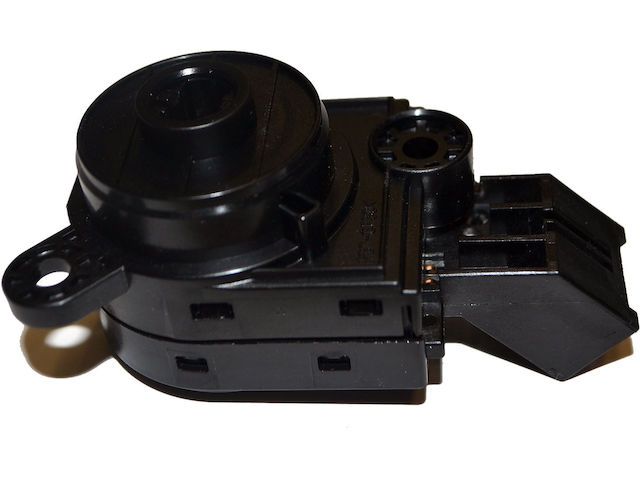
(OEM #20939745)— If the relay replacement does not solve the issue, the mechanical switch itself is the next most likely component to have failed.
Trusted brands: ACDelco, Standard Motor Products, Carquest Premium
OEM price range: $70-$110
Aftermarket price range: $25-$80
Related Codes That Often Appear With This One
- P0689 — This code relates to the ECM/PCM Power Relay Circuit. A fault in the ignition circuit (P1682) can easily cause issues in the main power relay circuit, and they are often diagnosed together.
- P0101 — While seemingly unrelated (Mass Airflow Sensor), a GM TSB notes that a compromised connection in the fuse box can cause both P1682 and P0101 to set together.
- P0443 — This code for the EVAP Purge Control Valve Circuit can appear with P1682 and P0689 when the root cause is a faulty underhood fuse box, which supplies power to multiple systems.
Technical Service Bulletins (TSBs) & Recalls
- PI1422: Addresses an intermittent crank/no-start condition in cold climates with DTC P1682, pointing to the KR75 Engine Controls Ignition Relay (P/N 13595908) due to internal frost causing excessive resistance. Applies to 2011-2015 Cruze and 2012-2015 Verano.
Platform-Specific Known Issues
- A known issue, documented in TSB #PI1422, points to the KR75 Engine Controls Ignition Relay failing due to frost buildup internally, causing intermittent crank/no-start conditions and setting code P1682.
- Some owners have found that the issue is not the fuse or relay itself, but a poor connection where the component's terminals seat into the fuse box. A YouTube video by 'Car Faults' demonstrates on a GM vehicle how simply wiggling the ECM fuse (#5) caused the P1682 code to appear and disappear, and the final fix was to tighten the female terminals within the fuse box. 🎬 See this diagnostic walkthrough for troubleshooting the ignition switch circuit
Mechanic-Grade Diagnostic Values
- Voltage difference between 'Ignition 1 Signal' and 'Engine Controls Ignition Relay Feedback' parameters on a scan tool. — expected: Less than 3 Volts difference between the two parameters.. Failure: A voltage difference greater than 3 Volts will set DTC P1682.
- Resistance of a circuit causing the voltage drop. — expected: Less than 6 Ω.. Failure: A resistance of 6 Ω or greater in the circuit or underhood fuse block is sufficient to cause the DTC to set.
- Voltage at ECM Connector X1, Pin 14 (Run/Crank Ignition 1 Voltage) — expected: Battery voltage with key in ON or START position.. Failure: Low or no voltage when key is in ON/START, or voltage present when key is OFF.
Scan Tool Commands That Help
- GDS2 / Tech2: Observing 'Ignition 1 Signal' and 'Engine Controls Ignition Relay Feedback' parameters. — This is a primary diagnostic step to determine which of the two ignition circuits is experiencing a voltage drop. If DTCs P0685, P0689, or P0690 are also present, they should be diagnosed first.
Wiring & Ground Locations
- G103 — Located at the left rear of the engine compartment on the cowl, above the brake booster.. This is a major ground for the Body Control Module (BCM) and Instrument Panel Cluster (IPC). A poor connection here can cause a wide range of electrical issues, including problems that may be misdiagnosed as an ignition fault.
- G105 — Located at the left front of the engine compartment, sometimes behind the cooling fan relays.. This ground serves several engine-related components. A service bulletin mentions ensuring G105 is secure when troubleshooting electrical issues. A poor ground here can contribute to intermittent electrical faults.
- Engine Harness Ground — A small ground wire running from the engine wiring harness (near the coil pack) to a stud on the engine block.. A poor connection at this specific ground point has been shown to cause stalling, high fan speed, and numerous fault codes. The connection is sensitive; over-tightening or leaving it loose can cause issues.
- ECM Connector X1, Pin 14 — On the X1 connector of the Engine Control Module, located on the left side of the engine compartment.. This pin is the 'Run/Crank Ignition 1 Voltage' input. It should receive battery voltage when the key is ON or STARTing. Testing voltage here directly verifies if the signal from the run/crank relay is reaching the ECM.
Real Owner Repair Stories
- YouTube channel 'Car Faults' (General Motors vehicle (GMC, similar platform)) — Check engine light with code P1682, intermittent stalling or no-start.
❌ Tried (didn't work) Replacing the fuse or relay associated with the circuit.
✅ What actually fixed it The female terminals inside the underhood fuse box for the 15A ECM fuse (#5) were loose. Wiggling the fuse would cause the engine to stall and the code to set. The fix was to access the back of the fuse box and tighten the female pin connectors to ensure a solid connection with the fuse blades. - YouTube channel 'The Lo-fi Mofo' (2008 Pontiac G6 2.4L (Ecotec platform, similar electrical design)) — Intermittent P1682, eventually leading to a crank-no-start condition.
❌ Tried (didn't work) Bench testing the original relays (they tested good), Checking fuses with a multimeter (they had continuity)
✅ What actually fixed it One of the ignition-related relays in the underhood fuse box felt very loose when seated. Wiggling this specific relay while trying to start the car allowed it to start. The root cause was a loose relay socket in the fuse box, causing a poor connection. The socket terminals were tightened to fix the issue. - YouTube channel 'cruiseman' (2012 Chevrolet Cruze 1.4L Turbo) — Stalling, stability track and traction control lights, multiple codes (including underboost and misfires), high fan speed.
❌ Tried (didn't work) Replacing the turbo, Replacing coil pack and spark plugs
✅ What actually fixed it The ground wire from the engine wiring harness (near the coil pack) to the engine block had a poor connection. The owner noted that if the ground screw was too tight or too loose, it would cause the car to stall and throw numerous codes. The final fix was to cut the original wire and run a new 16-gauge wire from the harness to a clean ground point on the engine block, which resolved all issues.
OEM Part Supersession History
Unknown→13595908— The original relay was prone to internal frost buildup causing high resistance, as noted in TSB PI1422. The new part number is the specified replacement.
Helpful Videos
![P1682 Ignition 1 switch circuit 2 [SOLVED]](https://img.youtube.com/vi/KZFTjjczhPg/mqdefault.jpg)
Used OEM Parts in Stock

New Aftermarket Parts Available


The information in this article is provided for general reference and educational purposes only. Vehicle specifications, procedures, and part compatibility can vary by production date, trim level, and region. Always consult your vehicle's factory service manual and verify part numbers before purchasing or performing repairs. Safety-critical components such as airbags, seat belts, and braking systems should be installed by a qualified professional.
- Chevrolet CRUZE:
- 🎬 Helpful Videos
- 🛍️ Shop This Part
- What's Unique About the 2011-2015 Chevrolet CRUZE
- Diagnostic Flowchart
- Symptoms You May Notice
- Most Likely Causes
- Rare But Worth Checking
- Diagnosis Steps
- Parts You'll Likely Need
- Related Codes That Often Appear With This One
- Technical Service Bulletins (TSBs) & Recalls
- Platform-Specific Known Issues
- Mechanic-Grade Diagnostic Values
- Scan Tool Commands That Help
- Wiring & Ground Locations
- Real Owner Repair Stories
- OEM Part Supersession History
- 🎟️ Get 5% Off