

P1634 on 2015 Jeep Cherokee: TCM Internal Watchdog Performance Causes and Fixes
On a 2015 Jeep Cherokee, code P1634 almost always indicates a software issue within the Transmission Control Module (TCM). The most common fix is a software update (reflash) performed by a Jeep dealer, which typically costs between $100 and $250. This is confirmed by multiple Technical Service Bulletins (TSBs). In rarer cases, the TCM itself may need to be replaced if the reflash is unsuccessful or the module is unresponsive.
- P1634 on a 2015 Jeep Cherokee means the Transmission Control Module (TCM) has detected an internal software error.
- Do not rush to replace parts. The most common and manufacturer-recommended fix is a TCM software update (reflash).
- This repair must be done by a Jeep dealer or a shop with a wiTECH scan tool.
- Check for applicable TSBs for your vehicle's VIN before authorizing any repairs.
- If a software update doesn't solve the problem, the TCM itself likely needs to be replaced.
What's Unique About the 2015-2015 Jeep CHEROKEE

The 2015 Jeep Cherokee (KL generation) uses a ZF-designed 9-speed automatic transmission, known as the 948TE in FCA vehicles. Early versions of this transmission were known for numerous issues including harsh shifts, delayed engagement, and software glitches. In response, Jeep released numerous Technical Service Bulletins (TSBs) with software updates to improve performance and fix bugs. Therefore, code P1634 on this specific vehicle is very frequently a software problem that can be resolved with an update, rather than a hardware failure.
Diagnostic Flowchart

Tap your situation to follow the diagnostic path that matches what you're seeing on this vehicle.
Symptoms You May Notice

- Check Engine Light (Malfunction Indicator Lamp) is on.
- "Service Transmission" message on the dashboard.
- Vehicle enters 'limp mode' (stuck in a single gear, often with reduced power).
- Harsh, erratic, or delayed shifting.
- Vehicle may clunk when shifting into gear.
- In some cases, a dead battery may occur if the module fault causes a parasitic draw.
- Vehicle may refuse to crank or start, displaying the "Service Transmission" message.
- Replacing the entire transmission when only a TCM software update or replacement is needed.
- Replacing the valve body or shift solenoids when the code specifically points to an internal module processing fault.
- Assuming the TCM is bad before verifying the battery and charging system are in good health.
Most Likely Causes

- Outdated Transmission Control Module (TCM) Software 🔴 High Probability Early KL Cherokees with the 9-speed transmission had numerous software bugs that were later corrected by manufacturer updates. Multiple TSBs, including 21-015-16 and 21-021-15, were released specifically to address P1634 and other related codes via a software reflash.
How to confirm: A Jeep dealership or a qualified independent shop with a wiTECH scan tool can check the vehicle's VIN for applicable TSBs and compare the current TCM software version against the latest available from FCA (Fiat Chrysler Automobiles). The scan tool will often show a pending update for the TCM.
Typical fix: Reprogramming (flashing) the TCM with the latest software. This must be done by a dealer or a properly equipped shop. The procedure often includes a 'Quick Learn' process after the flash to reset adaptive values.
Est. part cost: $0 - Failing or Faulty Transmission Control Module (TCM) 🟡 Medium Probability If a software update does not resolve the issue or if the module is unresponsive to the flashing procedure, the internal hardware of the TCM may have failed. This is the next logical step after software has been ruled out.
How to confirm: This is typically diagnosed by exclusion. If the software is up-to-date, and power/ground connections to the module are confirmed to be good, the module itself is condemned. An inability to communicate with the TCM via a scan tool also points to module failure.
Typical fix: Replacing the Transmission Control Module and programming the new unit to the vehicle's VIN.
Est. part cost: $200-$800 - Low Battery Voltage or Poor Electrical Connection ⚪ Low Probability Modern control modules are sensitive to voltage fluctuations. A weak or aging battery can cause modules to set internal performance codes during startup or operation, especially on vehicles with start-stop technology. A user on a YouTube video noted that random electrical faults and limp mode on his 2015 Cherokee were suspected to be caused by the original, aging battery.
How to confirm: Test the battery's state of health and the alternator's output. Ensure battery voltage is stable and above 12.4V with the engine off. Inspect the TCM connectors and main grounds for corrosion or looseness. 🎬 Watch: How to find and replace the TCM fuse and relay. A load test is the most effective way to confirm battery health.
Typical fix: Replacing a weak battery, cleaning battery terminals, or repairing the faulty wiring/connectors to the TCM.
Est. part cost: $150-$300
Diagnosis Steps
- Scan the TCM for all stored and pending Diagnostic Trouble Codes (DTCs). Note any other codes that appear alongside P1634.
- Using the vehicle's VIN, check with a Jeep dealer or use a professional database (like ALLDATA) to find any open recalls or applicable Technical Service Bulletins (TSBs). Specifically look for TSBs 21-015-16 and 21-021-15 REV-E, which directly address P1634.
- If an applicable software update TSB is found, this is the primary repair path. Have the TCM reprogrammed (flashed) by a dealer or qualified shop using a wiTECH scan tool.
- After the flash, the technician should clear all DTCs and perform the 'Quick Learn' procedure as instructed by the TSB to reset transmission adaptive values.
- Perform a thorough test drive, ensuring the transmission warms up to operating temperature (over 60°C / 140°F) and cycles through all gears to confirm the fix.
- If the code returns, or if no TSB is available, perform a complete battery and charging system test. Ensure the battery can hold a load and that the alternator provides stable voltage.
- Inspect the wiring harness and connectors at the Transmission Control Module for any signs of damage, corrosion, or loose pins.
- If all wiring and power sources are good and the software is up-to-date, the TCM is likely faulty and requires replacement. The new module will need to be programmed to the vehicle's VIN.
Parts You'll Likely Need
- Transmission Control Module (TCM)
(OEM #68225514AB)— This is the part that sets the code. If a software reflash doesn't fix the internal error, the module hardware itself has failed and must be replaced. Part number 68225514AB is listed for the 2015-2016 Jeep Cherokee with the 9-speed transmission.
Trusted brands: Mopar
OEM price range: $400-$800
Aftermarket price range: $300-$600
Related Codes That Often Appear With This One
- U0401-00 — Implausible Data Received From ECM/PCM. This code often appears with TCM software issues, as communication between the engine and transmission controllers is disrupted. It is cited in the same TSBs as P1634.
- P1DAD-00 — Input Shaft-Output Shaft Direction Correlation. This is another code frequently linked to TCM software glitches in the same TSBs.
- P0887-00 — TCM Power Control Circuit High. This electrical fault is also mentioned in TSBs as being resolved by a TCM software update.
- P061B-00 — Internal Control Module Torque Calculation Performance. This code points to a processing error within a control module and is often fixed with the same software flash.
Technical Service Bulletins (TSBs) & Recalls
- 21-015-16: Flash: Transmission Diagnostic And Shift Enhancements. Involves reprogramming the TCM to fix P1634-00 and a long list of other codes to improve shift quality and fix MIL illumination.
- 21-021-15 REV-E: Flash: Transmission Diagnostic And Shift Enhancements. Also involves a TCM reflash for P1634 and other issues, superseding earlier revisions to add more enhancements.
- 21-021-15 REV-D: An earlier revision of the above TSB, also citing P1634-00 - TCM Internal Watchdog Performance.
Platform-Specific Known Issues
- The 9-speed (948TE) automatic transmission in the 2015 Cherokee was the subject of numerous customer complaints and manufacturer software revisions to address shift quality and reliability. Code P1634 is a common indicator of these software-related issues. The TSBs for this issue often cover both the Jeep Cherokee (KL) and its platform-mate, the Chrysler 200 (UF).
Mechanic-Grade Diagnostic Values
- Battery Voltage During TCM Flash — expected: Maintain between 13.2 and 13.5 volts.. Failure: Voltage dropping below 13.2V or rising above 13.5V can cause the flash to fail or corrupt the module.
- Transmission Temperature for Quick Learn Procedure — expected: Minimum of 60°C (140°F).. Failure: Attempting the procedure at a lower temperature may cause it to fail or store incorrect adaptive values.
- Solenoid Supply Voltage at Transmission Connector — expected: Approximately 12 volts.. Failure: Significantly lower or no voltage indicates an open or short in the supply circuit from the TCM.
- Resistance of Solenoid Supply Circuits — expected: Below 3.0 Ohms.. Failure: Resistance above 3.0 Ohms indicates high resistance or an open in the wiring between the TCM and the transmission assembly connector.
- Normal Parasitic Draw — expected: 20-50 milliamps (mA) after all modules go to sleep.. Failure: A draw significantly higher than 50mA (e.g., hundreds of mA or over 1A) points to a module, like a faulty TCM, that is not entering sleep mode.
Scan Tool Commands That Help
- wiTECH: Reprogram the TCM — This is the primary repair step for code P1634, as specified by multiple TSBs, to install updated software that resolves internal processing errors.
- wiTECH: PROXI Configuration Alignment — This procedure is mandatory after replacing the TCM or sometimes after a reflash. It synchronizes the new/updated module with the rest of the vehicle's computer network. A flashing odometer is a key indicator that a PROXI alignment is needed.
- wiTECH: TCM VIN Verification — This function must be performed after replacing or reprogramming the TCM to write the vehicle's VIN into the module, ensuring it is correctly paired with the car.
- wiTECH: Transmission Quick Learn — This must be performed after a TCM replacement or if a software flash clears the transmission's adaptive memory. It allows the TCM to quickly relearn clutch fill times and shift points for smooth operation.
Wiring & Ground Locations
- Transmission Control Module (TCM) — Mounted externally on the transaxle. It is accessed by raising the vehicle and removing the left front wheel.. This is the component setting the code. Physical inspection for connector damage, corrosion, or wiring issues is a key diagnostic step if a software flash fails.
- Fuse F28 — In the under-hood fuse box, which is located behind the battery on the driver's side.. This is a primary fuse supplying power to the Transmission Control Module. A loss of power from this fuse will cause the TCM to be inoperative.
- Engine Block Ground — A main ground strap connects from the negative battery terminal to the engine block.. A poor or corroded engine block ground is a known issue on the KL platform and can cause a wide range of electrical faults, including intermittent power and communication issues with modules like the TCM.
Real Owner Repair Stories
- Reddit user on r/Jeep (2015 Jeep Cherokee) — Check engine light with code P1634, followed by a completely dead battery two days later.
❌ Tried (didn't work) Initially just read the code.
✅ What actually fixed it The user's experience strongly links the P1634 internal module fault to a parasitic battery drain, where the TCM fails to shut down properly and drains the battery when the vehicle is off. The final repair was not posted, but the story provides a critical diagnostic link. - Forum user quote on r/JeepRenegade (2015 Jeep Renegade (platform-mate with similar transmission)) — No shift condition, hill start warning, traction control light.
❌ Tried (didn't work) Initial diagnosis pointed to a difficult-to-access TCM on the transmission.
✅ What actually fixed it As a workaround to avoid difficult labor, the user disconnected the original TCM wiring, plugged in a used (reprogrammed) TCM, and strapped it securely elsewhere in the engine bay. This restored function without physically replacing the module on the transmission.
Helpful Videos




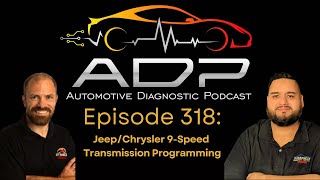
We Have This Part in Stock



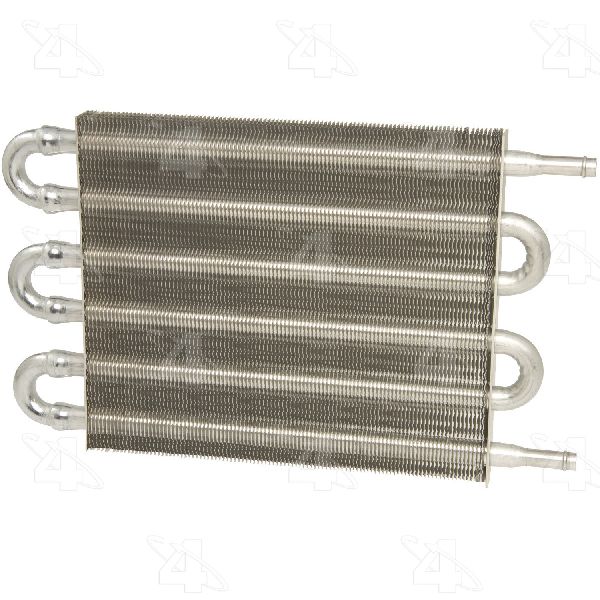

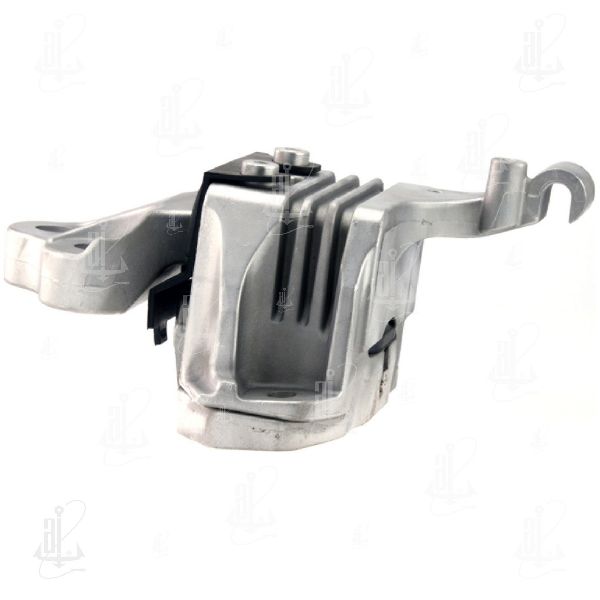

The information in this article is provided for general reference and educational purposes only. Vehicle specifications, procedures, and part compatibility can vary by production date, trim level, and region. Always consult your vehicle's factory service manual and verify part numbers before purchasing or performing repairs. Safety-critical components such as airbags, seat belts, and braking systems should be installed by a qualified professional.
- Jeep CHEROKEE:
- 🎬 Helpful Videos
- 🛍️ Shop This Part
- What's Unique About the 2015-2015 Jeep CHEROKEE
- Diagnostic Flowchart
- Symptoms You May Notice
- Most Likely Causes
- Diagnosis Steps
- Parts You'll Likely Need
- Related Codes That Often Appear With This One
- Technical Service Bulletins (TSBs) & Recalls
- Platform-Specific Known Issues
- Mechanic-Grade Diagnostic Values
- Scan Tool Commands That Help
- Wiring & Ground Locations
- Real Owner Repair Stories
- 🎟️ Get 5% Off