

P1629 on 1998-2002 Oldsmobile Intrigue: Theft System No-Start Causes and Fixes
On a 1998-2002 Oldsmobile Intrigue, code P1629 means the engine computer is not getting the 'OK' signal from the anti-theft system, causing a no-start or start-and-stall condition. This is almost always caused by a failed Passlock sensor inside the ignition lock cylinder housing. Replacing the ignition lock cylinder and performing a 30-minute relearn procedure is the most common fix.
- P1629 on your Intrigue means the anti-theft system is preventing the car from starting.
- The most likely cause is a failed Passlock sensor inside the ignition lock cylinder housing.
- Do not waste money on a new key or a fuel pump; they are not the problem.
- The most common repair is to replace the ignition lock cylinder and then perform a 30-minute security relearn procedure.
- A weak battery can sometimes cause this code, so check the battery's health before replacing parts.
What's Unique About the 1998-2002 Oldsmobile Intrigue
The Oldsmobile Intrigue, like many other GM W-body vehicles from this era, uses the Passlock II anti-theft system. Unlike systems with a chip in the key (transponder keys), the Passlock system's sensor is located in the ignition lock cylinder housing inside the steering column. This design is notorious for high failure rates of the hall-effect sensor and its delicate wiring, leading to widespread and well-documented issues with no-start conditions and flashing 'SECURITY' lights across the GM lineup, including the Intrigue. The problem is so common that the repair, and even a resistor-based bypass, are frequent topics in owner forums.
Symptoms You May Notice
- Engine cranks but does not start
- Engine starts and then immediately stalls (within 1-2 seconds)
- Flashing 'SECURITY' light on the instrument cluster
- The car may start intermittently, sometimes working fine for a period before the problem returns
- In some cases, the instrument panel lights may be dim or inoperative if the fault is related to a broader electrical issue affecting the BCM.
- Replacing the fuel pump. The symptoms of a start-and-stall can mimic a bad fuel pump, but P1629 confirms the fuel is being cut off by the computer due to a security issue.
- Replacing the key. The Intrigue uses a Passlock II system, which does not have a chip in the key. The security sensor is in the ignition lock housing, so a new key will not solve the problem.
Most Likely Causes
- Failed Ignition Lock Cylinder (Passlock Sensor) 🔴 High Probability The Passlock sensor is integrated into the ignition lock cylinder housing and is a very common failure point on this platform. The sensor's internal components or the thin wires leading to it degrade or break over time, failing to produce the correct resistance signal for the BCM.
How to confirm: A flashing security light combined with a P1629 code is a strong indicator. If the 30-minute security relearn procedure temporarily fixes the issue or fails to resolve it (especially if the security light never turns off during the procedure), the sensor is almost certainly bad. A GM Tech2 scan tool can read the security data directly from the BCM to confirm an incorrect value is being seen.
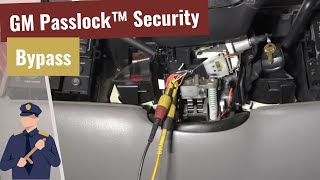
Typical fix: Replace the entire ignition lock cylinder assembly. After replacement, a 30-minute Passlock relearn procedure must be performed to sync the new part with the vehicle's computer. A popular but unofficial DIY fix involves bypassing the sensor by soldering a resistor (typically 2.2k Ohm) into the circuit to permanently send the correct signal. 🎬 Watch: How to bypass the sensor using the resistor method.
Est. part cost: $40-$200 - Weak or Faulty Battery 🟡 Medium Probability Low system voltage during cranking can cause communication errors between the BCM and PCM, mimicking a theft event. GM vehicles of this era are sensitive to battery voltage.
How to confirm: Test the battery voltage. A healthy, fully charged battery should read at least 12.6 volts. If the battery is old or the voltage drops significantly under load (below 10V during cranking), it should be replaced before further diagnosis.
Typical fix: Replace the vehicle's battery.
Est. part cost: $150-$250 - Damaged Wiring or Connectors ⚪ Low Probability The small, delicate wires running from the ignition lock cylinder down the steering column can become damaged over time, especially from the tilt-wheel mechanism being used repeatedly. The three main wires are a yellow, black, and white wire.
How to confirm: Visually inspect the wiring harness coming from the ignition lock cylinder for any signs of chafing, breaks, or pinched wires. Check for a solid connection at the Body Control Module (BCM), which is typically located under the driver's side of the dashboard. Check for corrosion or backed-out pins on the BCM connectors.
Typical fix: Repair the damaged section of wire or replace the faulty connector.
Est. part cost: $10-$50
Rare But Worth Checking
- Faulty Body Control Module (BCM): While less common than the Passlock sensor itself, the BCM is the module that reads the sensor's signal. An internal failure can prevent it from sending the correct password to the PCM. This is usually diagnosed after replacing the lock cylinder does not fix the issue. A replacement BCM must be programmed to the vehicle.
- Faulty Powertrain Control Module (PCM): It is very rare for the PCM to be the cause of this specific code. It is almost always the receiving end of the problem, not the source. A PCM failure would typically present with multiple other codes and symptoms.
Diagnosis Steps
- Verify the code P1629 is present using an OBD-II scanner.
- Check the battery. Ensure it is fully charged (12.6V+) and passes a load test to rule out low voltage issues.
- Observe the 'SECURITY' light on the dashboard. A flashing light upon attempting to start is the key symptom.
- Attempt the 30-minute Passlock 🎬 See a step-by-step walkthrough of the security relearn procedure. Security Relearn Procedure.
- Turn the key to the 'ON' position (do not start). The security light will be on or flashing.
- Wait approximately 10-11 minutes until the security light turns OFF. It must turn off to proceed.
- Turn the key to 'OFF' for 5-10 seconds.
- Repeat the ON/wait/OFF cycle two more times for a total of three cycles (about 30-33 minutes total).
- After the third cycle, turn the key off, then try to start the engine. If it starts and runs, the issue may be resolved or intermittent. If it fails again soon, the sensor is failing.
- If the car does not start after the relearn, and especially if the security light never turned off during the 10-minute waits, the Passlock sensor in the ignition lock cylinder is faulty and the assembly must be replaced.
- If the lock cylinder is replaced, this 30-minute relearn procedure MUST be performed again on the new part before the car will start.
Parts You'll Likely Need
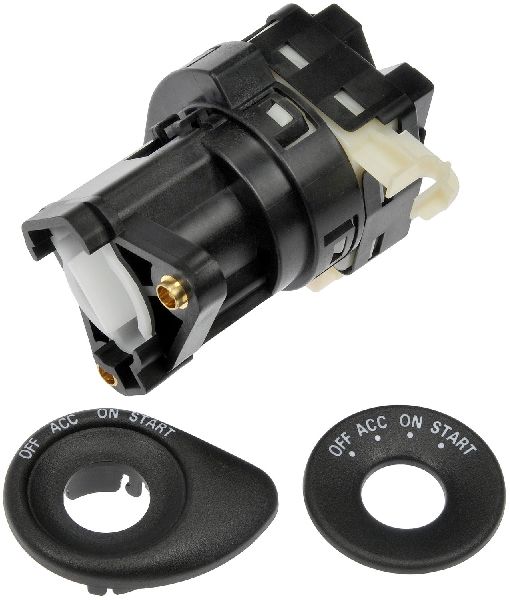
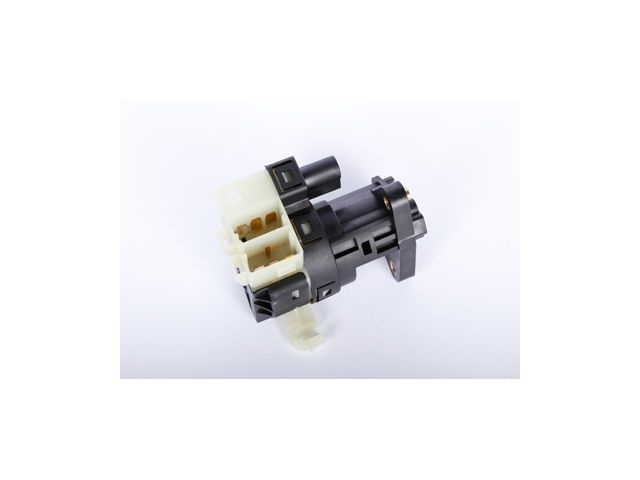
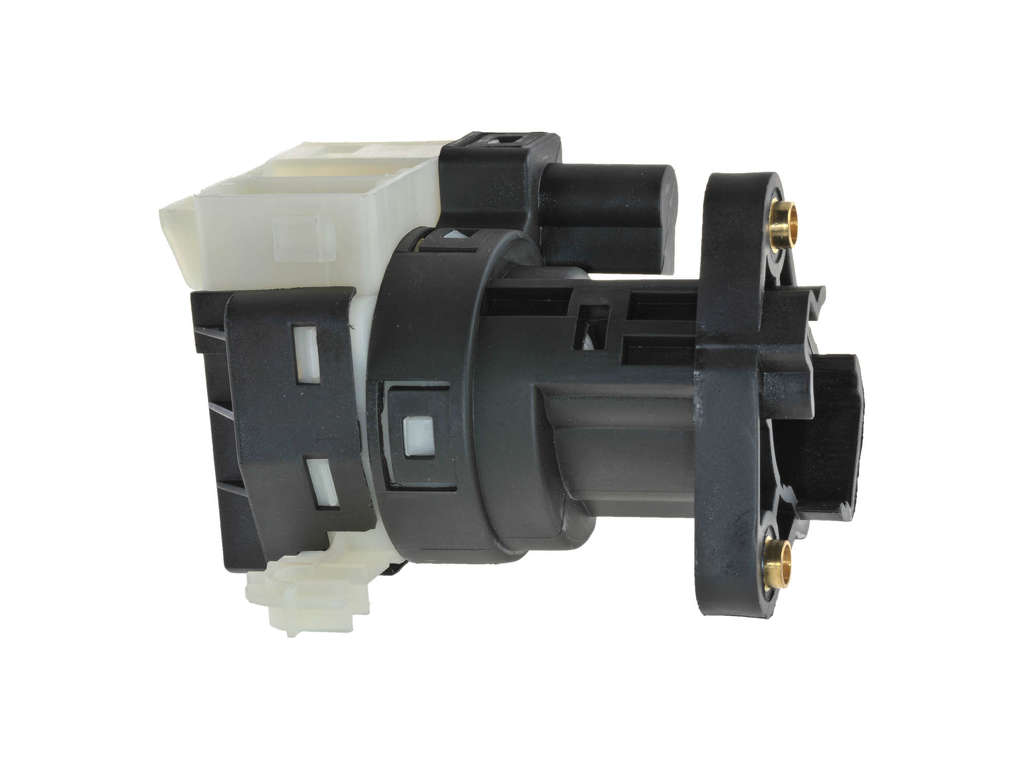
- Ignition Lock Cylinder Housing with Passlock Sensor
(OEM #ACDelco D1493F (GM 25832354, 15822350))— This is the primary failure point for code P1629 on this vehicle. The integrated Passlock sensor fails, preventing the car from recognizing the security credentials.
Trusted brands: ACDelco (OEM), Dorman (924-719)
OEM price range: $150-$250
Aftermarket price range: $40-$150
Related Codes That Often Appear With This One
- P1626 — P1626 means 'Theft Deterrent Fuel Enable Signal Not Received'. While similar to P1629, some diagnostic procedures state that P1626 indicates an incorrect signal was received, whereas P1629 indicates NO signal was received. They often point to the same root cause in the Passlock system.
- B2960 — This is a Body Control Module (BCM) code for 'Security System Sensor Data Incorrect but Valid'. It specifically points to a problem with the signal from the Passlock sensor, reinforcing the diagnosis of a failed ignition lock cylinder.
Technical Service Bulletins (TSBs) & Recalls
- GM Safety Recall 14350B: While not for P1629 specifically, this major recall addresses 'Unintended Ignition Key Rotation' on the 1998-2002 Intrigue and its platform mates. A heavy keychain combined with a jarring event could move the key from 'RUN', causing the engine to shut off. This highlights a separate but related weakness in the ignition assembly.
Platform-Specific Known Issues
- Owner on GM Forum describes the classic no-start and key-jiggle symptom, confirming the need to replace the lock cylinder. The forum thread also details the difficulty of removal if the key won't turn at all, sometimes requiring drilling.
- Multiple owners on CarComplaints.com report starting problems and electrical issues consistent with Passlock failure, often confused with other ignition problems.
- A user on Grand Prix Forums with a platform-mate vehicle reported P1629 after having an aftermarket remote starter installed, indicating that improper wiring or integration with the Passlock system can also trigger this code.
Mechanic-Grade Diagnostic Values
- Passlock Sensor Resistance — expected: There are 10 possible resistance values; a common one corresponds to a 2.2k Ohm (2200 Ohm) resistor. The value must be measured to be certain.. Failure: An open circuit (infinite resistance) or a reading that is unstable or significantly different from the expected value for that specific vehicle.
- Theft Deterrent Signal to PCM — expected: A frequency signal between 40-60 Hz.. Failure: No signal or a signal outside the 40-60 Hz range.
Hidden / Shadow Codes Worth Checking
- B2960: Security System Sensor Data Incorrect but Valid. This code is set by the Body Control Module (BCM) and directly indicates a problem with reading the Passlock sensor's resistance value. (see via A scan tool capable of reading Body Control Module (BCM) codes, not just standard OBD-II powertrain codes. The presence of B2960 is a very strong confirmation that the ignition lock cylinder/sensor is the root cause of the P1629 set by the PCM.)
Scan Tool Commands That Help
- GM Tech 2 / GDS2: BCM Data Display — To view the security data the BCM is receiving from the Passlock sensor. This allows a technician to see if the BCM is getting an erratic, incorrect, or no signal at all, confirming a bad sensor without having to cut wires to perform a resistance test.
- GM Tech 2 / GDS2: Security System Relearn — After replacing the ignition lock cylinder or BCM. The scan tool can initiate the relearn procedure, which is faster and provides more diagnostic feedback than the 30-minute manual key-cycling method.
Wiring & Ground Locations
- BCM Location — Under the driver's side of the dashboard, to the left of the steering column, often above the parking brake pedal area.. This is the module that reads the Passlock sensor signal and sends the fuel enable password to the PCM. All wiring tests for the Passlock circuit are performed at this module's connectors.
- Passlock Sensor Wires (at BCM) — A 3-wire harness from the ignition cylinder connects to the BCM. The key wires are Yellow (Signal), Black or Orange/Black (Ground), and White (Power).. These are the specific wires that must be tested for continuity or used for a resistor bypass. Knowing the pin locations is critical for diagnosis.
- BCM Connector C1, Pin D2 (1998-1999) — On 1998-1999 models, this is the pin for the Yellow Passlock signal wire at the BCM.. This is the specific test point for the Passlock signal on early models.
- BCM Connector C2, Pin B3 (2000-2002) — On 2000-2002 models, this is the pin for the Yellow Passlock signal wire at the BCM.. This is the specific test point for the Passlock signal on later models. Using the wrong pinout will lead to misdiagnosis.
- G103 — A ground point located at the left rear of the engine compartment on the cowl, above the brake booster.. This is a shared ground point for multiple modules, including the BCM. A loose or corroded G103 can cause intermittent communication issues and codes like P1629.
OEM Part Supersession History
GM 12458191, 15822350→GM 25832354 (ACDelco D1493F)— Part revision and consolidation over time.
Heads up: These part numbers are generally interchangeable for this application. The aftermarket Dorman 924-719 is a direct cross-reference for all of these OEM numbers.
Model Year Variations Within This Range
- 1998-1999 vs. 2000-2002: The pin location for the yellow Passlock signal wire at the Body Control Module (BCM) is different. For 1998-1999 models, the signal wire is at connector C1, pin D2. For 2000-2002 models, it is at connector C2, pin B3. Using the incorrect pin for testing or bypass will fail.
Diagnostic Flowchart
Other Known Issues on This Vehicle
Issues unrelated to this code that are worth knowing about as an owner of this generation:
- Leaking Intake Manifold Gaskets (3.8L V6) 🔴 High — Extremely common. Gaskets fail, causing coolant to leak externally or, more dangerously, internally into the engine oil.
- Cracked Upper Plastic Intake Manifold (3.8L V6) 🔴 High — Very common on 1998-1999 models. The plastic around the EGR stovepipe cracks, leading to coolant loss, overheating, and potential engine hydro-lock.
- Failed Window Regulators 🟠 Medium — A very frequent complaint. The plastic components inside the regulator break, causing the window to fall into the door.
- Valve Cover Gasket Oil Leak (Fire Risk Recall) 🔴 High — Common enough to warrant a safety recall. The rear valve cover gasket can leak oil onto the hot exhaust manifold, creating a risk of an engine fire. (Ref: NHTSA #15V701000, 09V-116)
- Failing Crankshaft Position Sensors 🟠 Medium — A common cause of intermittent stalling or no-start conditions, though distinct from the P1629 security issue.
- Unintended Ignition Key Rotation (Recall) 🔴 High — A widespread issue where jarring events could cause the key to move out of the 'RUN' position, shutting off the engine. This is a separate issue from the Passlock sensor failure. (Ref: GM Recall #14350B)
Used vs. New Parts: Buying Guide for This Vehicle
When a used part is the smart pick: For this specific repair, using used parts is generally not recommended. The primary failure part, the ignition lock cylinder, is a high-wear item and a used one is likely to have significant wear and fail soon. A used Body Control Module (BCM) can be a cost-effective option ONLY if you have access to a GM Tech II scan tool for reprogramming, as it will not work otherwise.
Donor-vehicle mileage cap: roughly under 75000 miles for the part to have meaningful remaining life.
What to inspect on the donor part:
- For a BCM: Ensure the part number matches your original module exactly.
- Check for any signs of water damage or corrosion on the connectors and casing.
- Source from a vehicle that was not in a major front-end collision to reduce the chance of electrical damage.
Aftermarket brands forum-validated for this vehicle:
- Dorman (Part 924-719 for the ignition lock cylinder) is a widely used and cited aftermarket replacement that is readily available and includes instructions.
Brands owners have reported issues with on this vehicle:
- Unbranded, no-name ignition lock cylinders from online marketplaces may have lower quality control and are a risk for a repair that is labor-intensive to repeat.
Real Owner Stories
Aggregated from forums and TSBs cited above. Mileages and costs reflect what owners reported in those sources.
2000 Oldsmobile Intrigue
Symptoms: Owner experienced a no-start condition and a 'key-jiggle' symptom. Eventually, the key would not turn in the ignition at all.
What fixed it: Replaced the entire ignition lock cylinder assembly. The owner noted using part APDTY 035813, which is a replacement for Dorman 924-719.
Source hint: GM Forum (gmforum.com): Thread '2000 Oldsmobile Intrigue Key Won't Turn'
Frequently Asked Questions
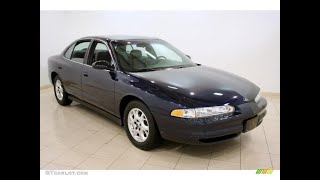
What does the flashing 'SECURITY' light 🎬 Watch: A real-world example of an Intrigue no-start condition. mean when my 1999 Intrigue cranks but won't start?
I tried the 30-minute relearn procedure, but my Intrigue still won't start. What's the next step?
Is there a cheaper DIY fix for P1629 besides replacing the whole ignition lock cylinder?
My Intrigue starts and then immediately dies. Could it just be a weak battery?
I have a heavy keychain. Could that be related to my ignition problems on my 2002 Intrigue?
After I install a new ignition lock cylinder, can I just start the car?
My Pontiac Grand Prix has the same P1629 code. Is the problem the same as on the Intrigue?
Helpful Videos
Used OEM Parts in Stock

New Aftermarket Parts Available



The information in this article is provided for general reference and educational purposes only. Vehicle specifications, procedures, and part compatibility can vary by production date, trim level, and region. Always consult your vehicle's factory service manual and verify part numbers before purchasing or performing repairs. Safety-critical components such as airbags, seat belts, and braking systems should be installed by a qualified professional.
- Oldsmobile Intrigue:
- 🎬 Helpful Videos
- 🛍️ Shop This Part
- What's Unique About the 1998-2002 Oldsmobile Intrigue
- Symptoms You May Notice
- Most Likely Causes
- Rare But Worth Checking
- Diagnosis Steps
- Parts You'll Likely Need
- Related Codes That Often Appear With This One
- Technical Service Bulletins (TSBs) & Recalls
- Platform-Specific Known Issues
- Mechanic-Grade Diagnostic Values
- Hidden / Shadow Codes Worth Checking
- Scan Tool Commands That Help
- Wiring & Ground Locations
- OEM Part Supersession History
- Model Year Variations Within This Range
- Diagnostic Flowchart
- Other Known Issues on This Vehicle
- Used vs. New Parts: Buying Guide for This Vehicle
- Real Owner Stories
- 2000 Oldsmobile Intrigue
- Frequently Asked Questions
- 🎟️ Get 5% Off