

P1607 on 2015-2016 Jeep Renegade: PCM Timer Fault Causes and Fixes
On a 2015-2016 Jeep Renegade with the 2.4L engine, P1607 is almost always caused by a software glitch in the engine's computer (PCM). The official fix is a software update from a Jeep dealer, covered by TSB #18-061-16 REV. C (for 2016 models) or TSB #18-063-16 REV. A (for 2015 models), which typically costs $150-$250. Before going to the dealer, ensure your vehicle's battery is healthy, as low voltage from a weak battery is the second most common trigger for this code.
- P1607 on a 2015-2016 Renegade 2.4L almost always points to a PCM software issue, not a failed part.
- The first step in diagnosis should be to check with a Jeep dealer if TSB 18-061-16 REV. C has been performed on your vehicle.
- Before paying for diagnostics, ensure your battery is fully charged and healthy, as low voltage is a common trigger.
- The official repair requires flashing both the PCM and the TCM, which must be done by a dealer or a shop with wiTECH tools.
What's Unique About the 2015-2016 Jeep RENEGADE
For the 2015-2016 Jeep Renegade with the 2.4L engine, this code is rarely an indication of actual PCM hardware failure. Instead, it's a well-documented software issue. FCA (Jeep's parent company) issued Technical Service Bulletins (TSB #18-061-16 REV. C for 2016 models and #18-063-16 REV. A for 2015 models) which explicitly list P1607 as a code that can be resolved with a PCM software update. This update corrects overly sensitive diagnostic logic and often fixes a batch of over 20 other seemingly unrelated codes at the same time.
Diagnostic Flowchart
Tap your situation to follow the diagnostic path that matches what you're seeing on this vehicle.
Symptoms You May Notice
- Check Engine Light (Malfunction Indicator Lamp) is on
- Other seemingly unrelated trouble codes may be present, especially P2610
- Potential for harsh or unusual transmission shifting
- Possible rough idle or RPM flare on a cold start
- In rare cases, a no-start condition may occur intermittently
- Replacing the Engine Coolant Temperature (ECT) sensor. While the PCM uses ECT data to verify its shutdown timer, a faulty sensor is much less likely to be the cause than the known software issue on this platform.
- Unnecessary PCM replacement. Many owners and shops may condemn the PCM without first checking if the required software update has been performed. The first step should always be to check the software version against TSBs.
Most Likely Causes
- Outdated Powertrain Control Module (PCM) Software 🔴 High Probability TSB #18-061-16 REV. C was released for the 2016 Renegade and TSB #18-063-16 REV. A for the 2015 Renegade to correct this and a long list of other diagnostic trouble codes with a software update. This indicates the original software logic was flawed from the factory.
How to confirm: A Jeep dealership or a qualified shop with a wiTECH scan tool can check your vehicle's current software calibration ID against the latest available version using your VIN.
Typical fix: Reprogramming (flashing) the PCM with the updated software. The TSBs also note that the Transmission Control Module (TCM) should be updated at the same time for the fix to be complete.
Est. part cost: $0 - Weak or Failing Battery 🟡 Medium Probability The Renegade's electronic systems are sensitive to voltage fluctuations. Low voltage during engine shutdown or startup can corrupt the PCM's memory and internal clock functions, leading to rationality codes like P1607. Owners on forums often report that strange electrical issues on this platform are resolved with a new battery.
How to confirm: Test the battery with a multimeter or a professional battery tester. Voltage should be above 12.4V with the engine off and between 13.5V and 14.5V while running. Check for clean, tight battery terminals. Many auto parts stores offer free battery testing.
Typical fix: Replace the vehicle's battery.
Est. part cost: $150-$300 - Failing Powertrain Control Module (PCM) ⚪ Low Probability
How to confirm: This is a diagnosis of exclusion. If the PCM software is up-to-date per the applicable TSB, the battery and charging system are healthy, and all power/ground connections to the PCM are verified to be good, the module itself may be faulty. A Reddit user with a 2015 Renegade 2.4L shared an experience where a dealer diagnosed a failed PCM after other fixes failed, quoting $1350 for the repair.
Typical fix: Replace and reprogram the Powertrain Control Module. This is an expensive last resort.
Est. part cost: $800-$1500
Rare But Worth Checking
- Faulty PCM Power Relay:
Diagnosis Steps
- Scan for all Diagnostic Trouble Codes (DTCs). Note if P1607 is accompanied by P2610 or other codes mentioned in TSB 18-061-16 REV. C (2016) or 18-063-16 REV. A (2015), as this strongly indicates the software issue.
- Test the battery and charging system. Ensure battery voltage is stable and within the correct range (over 12.4V engine off, 13.5-14.5V engine on). Check for clean, tight battery terminals and test the Intelligent Battery Sensor (IBS) if possible. This is a common failure point for many electrical issues on this vehicle.
- Contact a Jeep dealership or a qualified repair shop. Provide your Vehicle Identification Number (VIN) and inquire if TSB #18-061-16 REV. C (for 2016) or TSB #18-063-16 REV. A (for 2015) applies to your vehicle and if the update has been performed.
- If the TSB applies and has not been performed, have the PCM (and TCM) reprogrammed. The TSB procedure specifies connecting a battery charger to maintain stable voltage (13.2V-13.5V) during the flash process.
- If the software is already up-to-date, perform a thorough inspection of the PCM's power and ground wires (Ground G002B is under the battery tray) and check the PCM power relay for corrosion or damage.
- If all other steps fail to resolve the code, the PCM itself may be faulty and require replacement. This is a last resort after all other possibilities are exhausted.
Parts You'll Likely Need
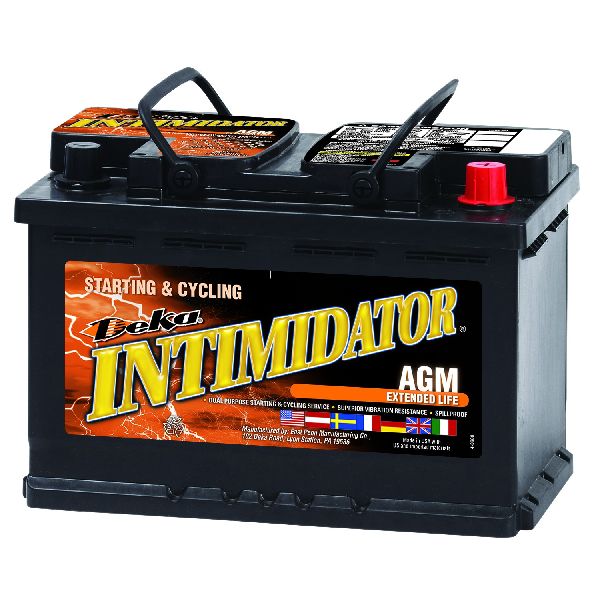
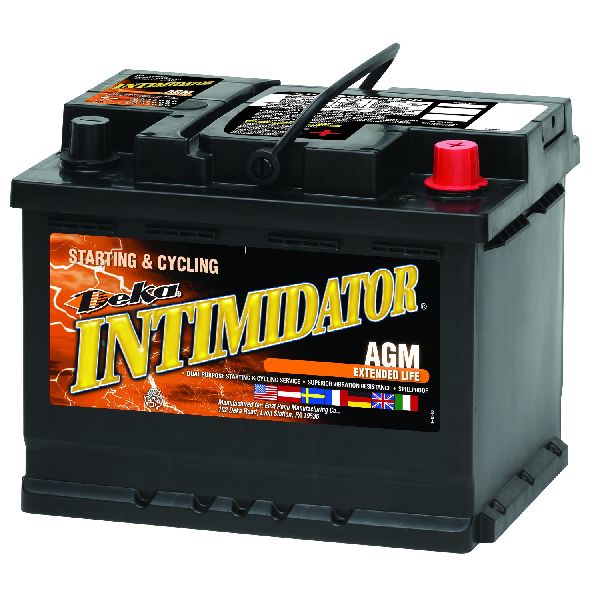
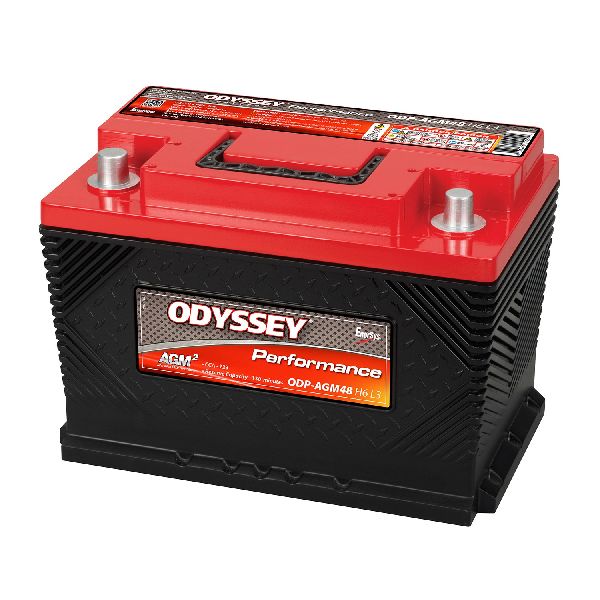
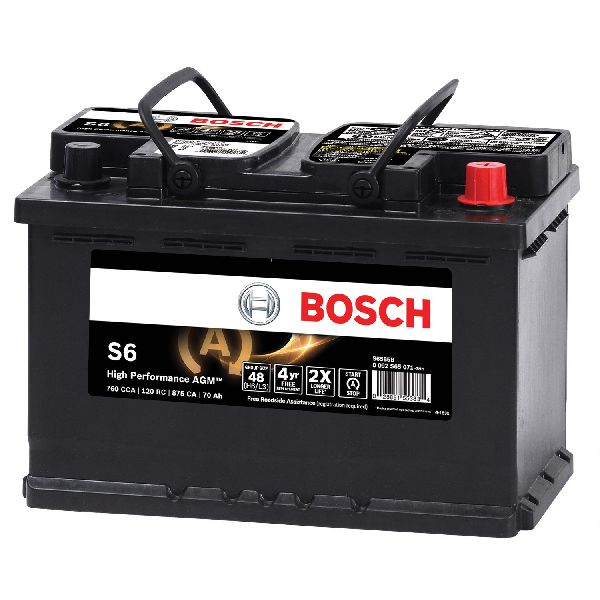
- Battery — A weak or failing battery can cause voltage irregularities that trigger this internal PCM timer fault. This is the most common hardware-related cause.
Trusted brands: Mopar, Interstate, DieHard
OEM price range: $200-$350
Aftermarket price range: $150-$250 - Powertrain Control Module (PCM)
(OEM #5150911AE (replaces 5150911AD))— Only needed in the rare case of actual hardware failure after the software update and battery checks have been completed.
Trusted brands: Mopar
OEM price range: $430-$650
Aftermarket price range: $300-$800 (Programmed)
Related Codes That Often Appear With This One
- P2610 — Defined as 'PCM Internal Engine Off Timer Performance', this code is functionally identical to P1607 and is listed in the same TSBs. They are almost always set together due to the same software glitch.
- P0440 / P0441 / P0456 — These are EVAP system failure codes. The PCM shutdown timer is critical for enabling EVAP system self-tests. TSBs 18-061-16 REV. C and 18-063-16 REV. A list these codes as being resolved by the same PCM software update.
- P0128 — This 'Thermostat Rationality' code is also listed in the TSBs for the PCM software update, indicating the update addresses multiple rationality check issues simultaneously.
- P0335 — 'Crankshaft Position Sensor Circuit' is another code mentioned in the TSBs that is fixed by the PCM reflash, pointing to a broad software diagnostic issue rather than a specific sensor failure.
Technical Service Bulletins (TSBs) & Recalls
- 18-061-16 REV. C: 'Flash: Powertrain Diagnostic And System Enhancements' - This TSB is the primary source for 2016 models, indicating a PCM software update resolves P1607 along with a list of over 20 other codes for the 2016 Jeep Renegade 2.4L.
- 18-063-16 REV. A: 'Flash: Powertrain Diagnostic And System Enhancements' - This TSB is the primary source for 2015 models, indicating a PCM software update resolves P1607 and a similar list of codes for the 2015 Jeep Renegade 2.4L.
Platform-Specific Known Issues
- A known software glitch in the Powertrain Control Module is the most common cause for this code on 2015-2016 models with the 2.4L engine, as documented in TSBs 18-063-16 REV. A and 18-061-16 REV. C. The fix is a software update provided by the manufacturer.
- The 9-speed automatic transmission (ZF 948TE) used in these models is known for issues, and the TSB for P1607 requires a simultaneous TCM (Transmission Control Module) software update, suggesting the two systems are closely linked.
Mechanic-Grade Diagnostic Values
- Battery Voltage During PCM Flash — expected: 13.2V to 13.5V. Failure: Voltage dropping below 13.2V or climbing above 13.5V can cause the flash to fail or damage the module.
- Battery Voltage (Engine Off) — expected: 12.4V - 12.7V. Failure: Voltage below 12.4V indicates a discharged or failing battery, a primary cause of electrical glitches.
- Charging System Voltage (Engine Running) — expected: 13.5V - 14.5V. Failure: Voltage outside this range indicates a problem with the alternator or charging system.
- Quiescent Battery Current Draw — expected: -500mA to 50mA. Failure: A higher negative current indicates a parasitic draw, while this specific low range is required for the Intelligent Battery Sensor (IBS) to self-calibrate after 2-4 hours.
Scan Tool Commands That Help
- wiTECH (Dealer Tool): Reprogram PCM / Flash PCM — This is the primary repair procedure outlined in TSBs #18-061-16 and #18-063-16 to load the updated software that corrects the P1607 fault logic.
- wiTECH (Dealer Tool): Verify TCM Software Level — This is a mandatory step after flashing the PCM. The TSBs require the technician to ensure the Transmission Control Module is also running the latest software.
- wiTECH (Dealer Tool): Proxy Alignment Procedure — This function is used to synchronize all control modules on the CAN bus. It may be required if the odometer is flashing or after battery replacement or module programming to ensure all modules recognize each other correctly.
- Manual Procedure: Intelligent Battery Sensor (IBS) Reset — After replacing or fully charging the battery. Disconnecting the small 2-wire electrical connector on the IBS for 10-15 minutes forces it to reboot and relearn the battery's state of charge, which can resolve issues where the sensor is providing inaccurate data to the PCM.
Wiring & Ground Locations
- Powertrain Control Module (PCM) — On the left side of the transmission, in the engine bay.. This is the module setting the code. Its location is needed for inspection of connectors and for replacement.
- G002B — Main PCM ground point, located in the left front of the engine compartment, underneath the battery tray.. A poor ground at this location can cause voltage irregularities and communication errors for the PCM, leading to internal rationality faults like P1607.
- Intelligent Battery Sensor (IBS) — A small module attached directly to the negative battery terminal post.. This sensor reports battery health to the PCM. A faulty sensor or loose connection can send incorrect data, causing the PCM to disable features or set fault codes related to system voltage and stability.
When the Usual Fixes Don't Work
- While the TSB software update is the most common fix, if the P1607 code returns, it strongly suggests an underlying electrical power supply issue that the software cannot correct. Evidence points to a battery that can no longer provide stable voltage (even if it passes a simple test), a faulty Intelligent Battery Sensor (IBS) sending incorrect state-of-charge data to the PCM, or a corroded PCM power relay causing intermittent voltage drops. These hardware faults prevent the PCM's internal timer from operating correctly, re-triggering the 'rationality' fault despite the updated software logic.
OEM Part Supersession History
05150911AD→05150911AE— Standard part revision by manufacturer, likely containing hardware or firmware improvements.
Model Year Variations Within This Range
- 2015: The applicable software update for P1607 is covered by TSB #18-063-16 REV. A.
- 2016: The applicable software update for P1607 is covered by TSB #18-061-16 REV. C. [Ground Truth TSBs]
Used OEM Parts in Stock


New Aftermarket Parts Available


The information in this article is provided for general reference and educational purposes only. Vehicle specifications, procedures, and part compatibility can vary by production date, trim level, and region. Always consult your vehicle's factory service manual and verify part numbers before purchasing or performing repairs. Safety-critical components such as airbags, seat belts, and braking systems should be installed by a qualified professional.
- Jeep RENEGADE:
- 🛍️ Shop This Part
- What's Unique About the 2015-2016 Jeep RENEGADE
- Diagnostic Flowchart
- Symptoms You May Notice
- Most Likely Causes
- Rare But Worth Checking
- Diagnosis Steps
- Parts You'll Likely Need
- Related Codes That Often Appear With This One
- Technical Service Bulletins (TSBs) & Recalls
- Platform-Specific Known Issues
- Mechanic-Grade Diagnostic Values
- Scan Tool Commands That Help
- Wiring & Ground Locations
- When the Usual Fixes Don't Work
- OEM Part Supersession History
- Model Year Variations Within This Range
- 🎟️ Get 5% Off