

P1607 on 2003-2008 Honda Pilot: ECM/PCM Internal Failure Causes and Fixes
On a 2003-2008 Honda Pilot, code P1607 almost always means the main engine computer (PCM) has failed internally. The fix is to replace the PCM, which requires professional programming to sync with the vehicle's immobilizer. Expect to pay $150-$350 for a used/remanufactured PCM plus 1-2 hours of labor for installation and programming at a dealer or equipped independent shop.
- P1607 on a first-generation Pilot means the engine computer (PCM) has failed.
- Symptoms include stalling, no-start, erratic shifting, and a flashing 'D' light.
- The problem is often worse in cold weather due to failing solder joints inside the PCM.
- Before replacing the PCM, always verify the battery, fuses, and PCM power/ground connections are good.
- The replacement PCM must be programmed to your vehicle's keys by a dealer or a properly equipped independent shop.
- A used or remanufactured PCM is a cost-effective solution, with some vendors offering cloning services to avoid reprogramming.
What's Unique About the 2003-2008 Honda Pilot
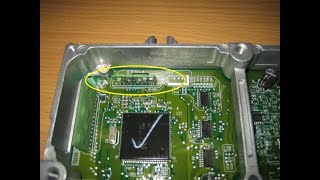
The first-generation Honda Pilot, like many Hondas from this era using the J-series V6, is known for this specific failure mode. The P1607 code is often triggered by temperature changes, particularly cold weather. Internal solder joints or components on the PCM's circuit board can develop micro-fractures from years of thermal cycling. In the cold, these fractures contract and create an open circuit, causing the failure. When the vehicle warms up, the connection may be restored, and the problem might temporarily disappear, only to return on the next cold start. This temperature sensitivity is a hallmark symptom pointing directly at the PCM itself.
Symptoms You May Notice
- Check Engine Light is on
- Engine stalling or shutting off while driving
- Vehicle will not start or is very hard to start
- Erratic or harsh transmission shifting
- Flashing 'D' (Drive) indicator light on the dashboard.
- Vehicle enters 'limp mode' with significantly reduced power, feeling like it's stuck in a high gear.
- Rough or unstable idle
- Replacing transmission solenoids or sensors. Drivers may experience harsh shifting and a flashing 'D' light and assume a transmission problem, but on this vehicle, a faulty PCM is a common cause of erratic transmission behavior.
- Replacing the ignition switch or starter. A no-start condition might lead a technician down the wrong path, but if P1607 is present, the PCM is the primary suspect as it controls the starting sequence via the immobilizer.
Most Likely Causes
- Internal PCM Failure 🔴 High Probability Circuit boards from this era can develop micro-fractures in solder joints due to age and thermal stress, a known issue on this platform. The failure is often on the main processor or its supporting circuits, which triggers the internal self-test failure code P1607.
How to confirm: The diagnostic process is one of elimination. If the battery, fuses (especially the ECU/PCM fuses in the under-hood box), and PCM power/ground circuits are all confirmed to be good, and the P1607 code returns immediately after being cleared (sometimes even without starting the engine), the PCM is condemned.
Typical fix: Replace the Powertrain Control Module (PCM) and have it programmed to the vehicle's immobilizer system.
Est. part cost: $150-$350 for a used or remanufactured unit. Some services offer to transfer programming from your old unit to the replacement for a plug-and-play solution.
Rare But Worth Checking
- Poor PCM Power or Ground: While P1607 points to an internal fault, it's crucial to rule out external power issues first. A faulty main relay (PGM-FI relay), corroded ground wire, or damaged connector pin can sometimes mimic an internal failure. A technician on Honda-Tech specifically advises checking all power and ground pins on the ECU connectors with a multimeter against a pinout diagram before ordering a PCM.
- Low Battery Voltage / Voltage Spikes: A failing battery, alternator, or improper jump-starting can cause voltage fluctuations that may corrupt the PCM's internal memory or trigger a false internal fault code. One user on AcuraZine reported the P1607 code appeared after their battery died and required a jump start. Always ensure the battery is fully charged and the charging system is working correctly before condemning the PCM.
- Fluid Intrusion into PCM Connectors: In a Honda-Tech forum thread, a user discovered oil in their PCM connector. While the oil itself didn't cause the P1607, it highlights the possibility of external contaminants like water or oil wicking along the wiring harness from a leaking sensor and causing short circuits or connection issues at the PCM, which could potentially trigger this code.
Diagnosis Steps
- Verify the battery is fully charged (12.4V+ with engine off) and the charging system is working correctly (13.5-14.5V with engine running).
- Check all fuses related to the PCM and engine controls, particularly in the under-hood and under-dash fuse boxes. Pay attention to fuses labeled 'ECU', 'PCM', or 'FI'.
- Inspect the PCM connectors (located behind the center console/glove box area) for any signs of corrosion, moisture, oil intrusion, or bent pins. Clean with electrical contact cleaner if necessary.
- Using a multimeter and a vehicle-specific wiring diagram, verify the PCM has proper power and ground at the connector pins. This is a critical step recommended by expert forum users before condemning the unit.
- Clear the trouble code with an OBD-II scanner.
- Turn the ignition to the ON (II) position without starting the engine. If the P1607 code returns immediately or after a short wait (e.g., 40 seconds), the PCM has failed its internal self-test and must be replaced.
Parts You'll Likely Need
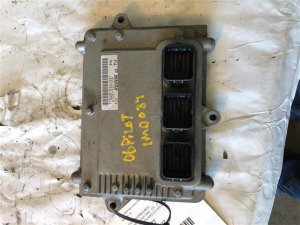
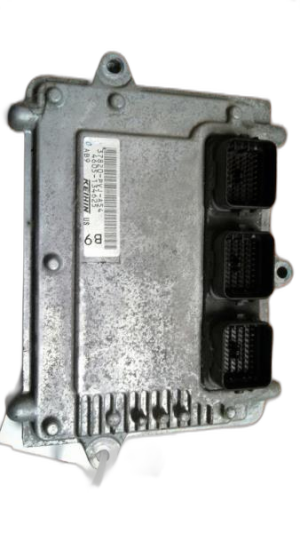
- Powertrain Control Module (PCM)
(OEM #Varies by year/drivetrain. Examples: 37820-PVF-L53/L54 (2003-2004), 37820-PVJ-A91 (2008). Always verify with VIN.)— This is the direct cause of code P1607. The original unit has failed internally.
Trusted brands: Honda (OEM Remanufactured), Cardone, FS1, Module Mechanics
OEM price range: $800-$1000 (New, if available)
Aftermarket price range: $150-$450 (Used or Remanufactured).
Technical Service Bulletins (TSBs) & Recalls
- No specific TSB for P1607 on this platform was found. However, Honda has issued TSBs for other models like 25-014 for newer Pilots regarding PGM-FI software updates, indicating a precedent for software-related ECU issues, though P1607 is typically a hardware failure.
Platform-Specific Known Issues
- The fault is often temperature-dependent, appearing only during cold weather and disappearing once the engine bay warms up. This is a strong indicator of a failing solder joint on the PCM circuit board.
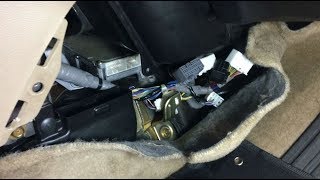
- The PCM is located behind the glove box / center console area, requiring removal of interior trim panels for access.
Mechanic-Grade Diagnostic Values
- PCM Power and Ground Pins — expected: Using a wiring diagram for the specific year, verify battery voltage (approx. 12.6V KOEO) at all B+ pins and ignition voltage at all IGN pins. Verify continuity to ground (<1.0 ohm) on all ground pins (e.g., at Connector A, pins 1, 2, 13, 14 and Connector E, pins 1, 14 for some models).. Failure: Absence of voltage or high resistance on a ground pin indicates an external wiring issue, not a failed PCM. This must be ruled out before condemning the PCM.
Scan Tool Commands That Help
- Honda HDS (or equivalent J2534 tool): Replace ECM/PCM — This function is mandatory after installing a new or used PCM. It guides the technician through the process of writing the vehicle's VIN to the new module and registering the existing keys with the immobilizer system. 🎬 Watch: Step-by-step guide to programming the Honda ECU immobilizer key Without this step, the engine will not start.
- Honda HDS (or equivalent J2534 tool): Immobilizer Setup — This menu contains the 'Replace ECM/PCM' function. It is the main interface for all anti-theft related programming, including adding new keys or replacing other immobilizer components.
Wiring & Ground Locations
- PCM Location — Behind the center console, accessible after removing the glove box assembly.. This is the physical location of the module that needs to be tested and potentially replaced.
- G101 Ground — On the engine block, typically near the thermostat housing. It is a critical ground point for the engine sensors and PCM.. A corroded or loose G101 ground can cause a host of erratic electronic issues, including codes that might falsely suggest PCM failure. This ground must be inspected, cleaned, and tightened before condemning the PCM.
- PGM-FI Main Relay — Located in the under-hood fuse/relay box, near the battery. On some older Honda models, it was under the dash, but for this Pilot generation, it is typically in the engine bay.. This relay supplies primary power to the PCM. A failure of this relay (often due to cracked solder joints) will cut power to the PCM and can cause a no-start or stalling condition, which could be misdiagnosed as a P1607.
- PCM Connectors (A, B, C, E) — The connectors plug directly into the PCM. On many Honda PCMs of this era, they are marked with symbols (e.g., A=□, B=△, C=○) for identification during removal and installation.. Technicians must test for power and ground at these specific connectors using a pinout diagram to confirm the PCM is receiving proper inputs before it is diagnosed as faulty.
Real Owner Repair Stories
- YouTube user 'JVFIX' (2002 Honda Accord (similar platform and failure mode)) — Check Engine Light on with code P1607 (PCM Internal Failure). The code would not erase, confirming a hard fault.
❌ Tried (didn't work) Clearing the code with a scan tool. The code returned immediately, indicating a permanent internal fault rather than an intermittent glitch.
✅ What actually fixed it Replaced the PCM with a used unit. After installation, the immobilizer light flashed, and the car would not start as expected. Using an Autel IM608 scanner, the 'Replace Computer' function was used to program the used PCM to the car's immobilizer system. After the procedure, the check engine light was off, and the car started and ran normally.
OEM Part Supersession History
37820-PVF-305, 37820-PVF-A51→37820-PVF-315— Part revision and consolidation by the manufacturer.
Heads up: It is critical to match the part number to the vehicle's specific year, drivetrain (FWD/AWD), and emissions type (California/Federal). Using the wrong part number, even if it physically fits, can lead to a no-start condition, incorrect transmission shifting, or other system malfunctions. For example, a 2003 Pilot PCM is 37820-PVF-xxx, while a 2008 is 37820-PVJ-xxx.
Model Year Variations Within This Range
- 2003-2004: Used the J35A4 V6 engine. PCMs for these years are generally interchangeable with each other (e.g., 37820-PVF-L53), but not with later years.
- 2005: Used the J35A6 V6 engine and gained Drive-by-Wire throttle. The PCM is unique to this year to support the new engine and electronics. Horsepower increased to 255.
- 2006-2008: Used the J35Z1 V6 engine. 2WD models received Variable Cylinder Management (VCM). These changes required different PCMs (e.g., 37820-PVJ-A81 for 2006-2007) to control the new engine systems. Horsepower was re-rated to 244 under new SAE standards.
Diagnostic Flowchart
Used vs. New Parts: Buying Guide for This Vehicle
When a used part is the smart pick: For a P1607 code, a used OEM PCM from a reputable auto recycler is a very common and cost-effective repair. Since the failure is a known hardware defect of the original unit, a new OEM part is prohibitively expensive and not strictly necessary. A used part from a donor vehicle that did not fail for the same reason is a smart choice.
Donor-vehicle mileage cap: roughly under 150000 miles for the part to have meaningful remaining life.
What to inspect on the donor part:
- Match the part number EXACTLY. Pay attention to the last few digits which often denote year, trim, and drivetrain.
- Source from a recycler that offers a warranty (6 months to 1 year is common).
- Inspect the connectors on the used unit for any signs of corrosion, moisture damage, or bent pins.
- Ensure the casing has not been pried open or physically damaged.
OEM-only on this vehicle (don't cheap out):
- Powertrain Control Module (PCM) - While used OEM is fine, avoid no-name aftermarket 'rebuilt' units without a strong reputation. Stick to used Honda/Keihin units or reputable remanufacturers like Cardone or Module Mechanics.
Aftermarket brands forum-validated for this vehicle:
- Module Mechanics (Offers cloning services)
- FS1 (Flagship One)
- Cardone (Major remanufacturer)
Brands owners have reported issues with on this vehicle:
- Generic, unbranded sellers on platforms like eBay or Amazon without a clear warranty or return policy should be avoided due to the critical nature of the part and the need for programming.
Real Owner Stories
Aggregated from forums and TSBs cited above. Mileages and costs reflect what owners reported in those sources.
2000 Honda Odyssey J35A V6
Symptoms: The vehicle experienced classic cold-start problems, went into 'limp mode' with reduced power, and exhibited harsh transmission shifting.
What fixed it: The recommended fix was to replace the PCM with a used unit and have a dealer perform the immobilizer reprogramming.
Source hint: Honda-Tech - 'Engine Code P1607' (on a 2000 Odyssey)
Frequently Asked Questions
Where is the PCM located on my 2003-2008 Honda Pilot?
My Pilot only shows the P1607 code and runs poorly when it's cold outside. Is this a known issue?
What should I check before I spend money on a new PCM?
If I buy a used PCM, can I just plug it in and start the car?
Do I have to buy an exact match for the replacement PCM?
Are other Honda or Acura models from this era also prone to this P1607 failure?
Helpful Videos
We Have This Part in Stock




The information in this article is provided for general reference and educational purposes only. Vehicle specifications, procedures, and part compatibility can vary by production date, trim level, and region. Always consult your vehicle's factory service manual and verify part numbers before purchasing or performing repairs. Safety-critical components such as airbags, seat belts, and braking systems should be installed by a qualified professional.
- Honda Pilot:
- 🎬 Helpful Videos
- 🛍️ Shop This Part
- What's Unique About the 2003-2008 Honda Pilot
- Symptoms You May Notice
- Most Likely Causes
- Rare But Worth Checking
- Diagnosis Steps
- Parts You'll Likely Need
- Technical Service Bulletins (TSBs) & Recalls
- Platform-Specific Known Issues
- Mechanic-Grade Diagnostic Values
- Scan Tool Commands That Help
- Wiring & Ground Locations
- Real Owner Repair Stories
- OEM Part Supersession History
- Model Year Variations Within This Range
- Diagnostic Flowchart
- Used vs. New Parts: Buying Guide for This Vehicle
- Real Owner Stories
- 2000 Honda Odyssey J35A V6
- Frequently Asked Questions
- 🎟️ Get 5% Off