

P1607 on 2013-2016 Dodge DART: PCM Shutdown Timer Causes and Fixes
On a 2013-2016 Dodge Dart, code P1607 is most often caused by outdated Powertrain Control Module (PCM) software. The primary fix is a software update from a Dodge dealer, which addresses this and other related codes per official Technical Service Bulletins (TSBs). A weak or failing battery is the second most common cause.
- P1607 on a Dodge Dart is most likely a software bug. Your first step should be to check if your PCM's software is up-to-date.
- Do not replace the PCM unless you have ruled out a software update, a weak battery, a bad relay, and poor connections.
- If other codes like P050D, P0335, or P0133 are also present, it further strengthens the case for a PCM software update being the required fix.
- Ensure your Dart has a strong, healthy battery. These cars are known to be sensitive to low or unstable voltage.
What's Unique About the 2013-2016 Dodge DART
The Dodge Dart platform is particularly known for setting code P1607 due to software anomalies rather than outright hardware failure. Chrysler (Dodge's parent company) issued multiple Technical Service Bulletins (TSBs) acknowledging that this code, often appearing with others, can be triggered by software glitches. This means the most common and effective fix for a Dart is often a simple PCM reflash at a dealership, not an expensive component replacement. The electrical system is also highly sensitive to battery voltage, making it a frequent secondary cause.
Diagnostic Flowchart
Tap your situation to follow the diagnostic path that matches what you're seeing on this vehicle.
Symptoms You May Notice
- Check Engine Light is on
- Engine is difficult to start, especially when cold.
- Occasional engine hesitation or stalling immediately after startup.
- Flashing odometer (if the PCM has been replaced without a proxy alignment).
- In many cases, no noticeable symptoms other than the Check Engine Light.
- Replacing the PCM without first checking for software updates or thoroughly testing the battery and its connections.
- Replacing other sensors like the crankshaft position sensor or O2 sensor just because they have codes, when the root cause for all the codes is a PCM software glitch addressed by a TSB.
Most Likely Causes
- Outdated PCM Software 🔴 High Probability Dodge released multiple TSBs (e.g., #18-022-17 REV. A, #18-023-16 REV. D, and #18-111-15 for 2.0L models) specifically to correct this code via a software update, indicating it's a known firmware issue.
How to confirm: A Dodge dealership or a qualified shop with access to OEM service information can check your vehicle's VIN to see if the software updates from the TSBs have been applied. One owner on dodge-dart.org confirmed their dealer resolved the P1607 code by applying the TSB flash.
Typical fix: Reprogramming (reflashing) the PCM with the latest software version. This is typically a dealer-only procedure.
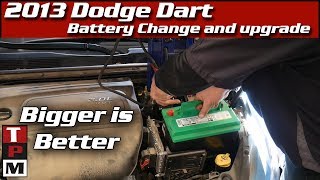
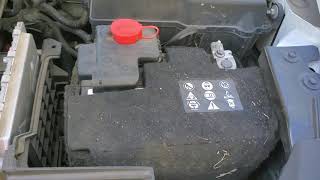
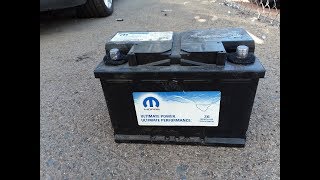
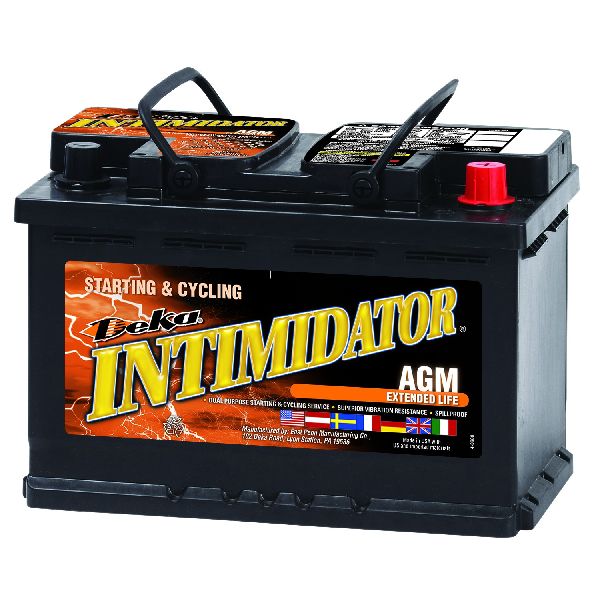
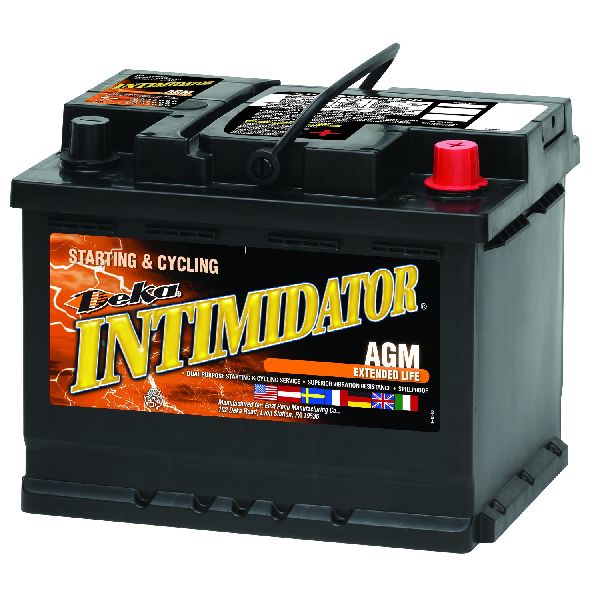
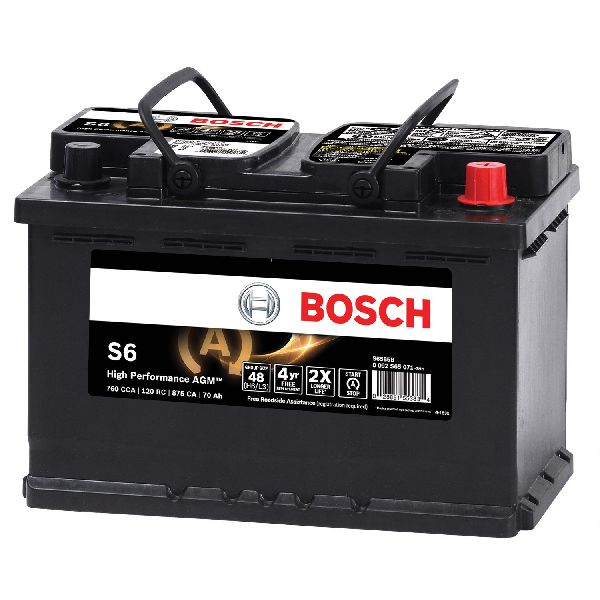
Est. part cost: $0 - Weak or Failing Battery 🟡 Medium Probability The Dodge Dart's electrical system is sensitive to battery voltage. An unstable or low voltage during the ignition-off sequence can disrupt the PCM's internal timer, triggering the code. Some owners report that 2.4L models perform better with a higher-spec AGM battery. A user on DodgeForum.com reported that their hard start issue and P1607 code were both resolved after replacing an old battery that had low voltage.
How to confirm: Test the battery with a digital multimeter or an electronic battery tester. A healthy, resting battery should be at approximately 12.4-12.6 volts. Also, have the charging system tested to ensure the alternator is functioning correctly (typically 13.5-14.5V when running).
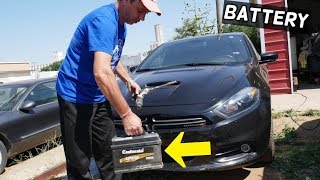
Typical fix: Replace the battery and ensure the terminal connections are clean and tight. 🎬 Watch this step-by-step battery replacement walkthrough.
Est. part cost: $150-$350 - Faulty PCM Power Relay ⚪ Low Probability Relays are mechanical switches that can wear out or develop corrosion on their contacts over time, leading to intermittent power supply to the PCM during its critical shutdown sequence.
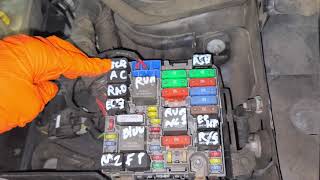
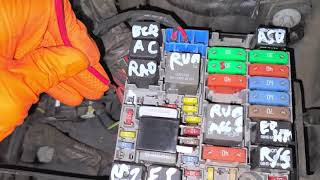
How to confirm: Locate the PCM power relay in the under-hood fuse box (Power Distribution Center). You can swap it with an identical relay from a non-critical system (like the horn) to see if the problem resolves. A visual inspection may also show corroded pins.
Typical fix: Replace the PCM power relay. It is an inexpensive and simple part to swap.
Est. part cost: $15-$40 - Poor Electrical Connections ⚪ Low Probability
How to confirm: Visually inspect the battery terminals, main chassis grounds (engine block to frame, battery to frame), and the large connectors at the PCM itself. Look for any signs of corrosion, looseness, or damage.
Typical fix: Clean and tighten all ground straps and power connections, especially the battery terminals and PCM connectors. 🎬 Watch: How to fix a bad ground for free.
Est. part cost: $0-$20
Rare But Worth Checking
- Faulty Powertrain Control Module (PCM): While the code points to an 'internal' PCM issue, actual hardware failure is the least likely cause. This should only be considered after all software, power supply, and connection issues have been definitively ruled out. A replacement requires professional programming and a 'proxy alignment' procedure.
Diagnosis Steps
- Scan for other DTCs. If codes like P050D, P0335, P0133, P0456, or P2610 are present with P1607, a software issue is highly probable.
- Verify PCM Software Version. Contact a Dodge dealer or use a high-end scan tool to check if the PCM software is current. If not, perform the update as specified in TSB #18-022-17 REV. A, #18-023-16 REV. D, or #18-111-15.
- Test Battery and Charging System. Ensure the battery holds a proper charge (12.4V+ at rest) and that the alternator provides stable voltage (13.5-14.5V) when the engine is running. A load test is recommended, as a battery can show good voltage but fail under load.
- Inspect PCM Power Relay. Locate the PCM relay in the under-hood fuse box. Check for corrosion and consider swapping it with a known-good, identical relay to test.
- Inspect Wiring and Grounds. Check the battery terminals, PCM connectors, and primary engine-to-chassis ground straps for tightness and corrosion. Poor grounds are a known cause of erratic module behavior.
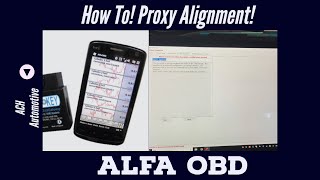
- Consider PCM Replacement. If all previous steps fail to resolve the code, the PCM may have an internal hardware fault. Note that a replacement PCM will need to be programmed to the vehicle's VIN and a 'Proxy Alignment' procedure must be performed to sync it with other modules on the car, otherwise the odometer will flash. 🎬 See how to perform a proxy alignment yourself.
Parts You'll Likely Need
- Battery — A weak or incorrect type of battery is a common cause of electrical rationality codes. The Dart is sensitive to stable voltage, especially during PCM shutdown.
Trusted brands: Mopar, Interstate, DieHard
OEM price range: $200-$300
Aftermarket price range: $150-$250 - PCM Power Relay
(OEM #4671886AA)— A faulty relay can cause an intermittent power supply to the PCM, triggering the shutdown timer fault. It's an inexpensive and easy part to replace during diagnosis.
Trusted brands: Mopar, Standard Motor Products
OEM price range: $25-$50
Aftermarket price range: $15-$40 - Powertrain Control Module (PCM) — This is the last resort if all other diagnostics fail. The code directly implicates the PCM, but it's rarely a hardware failure. A replacement requires professional programming and proxy alignment.
Trusted brands: Mopar (OEM)
OEM price range: $500-$800
Aftermarket price range: $300-$600 (Remanufactured)
Related Codes That Often Appear With This One
- P050D — Cold Start Rough Idle. This code is explicitly mentioned in the same TSBs as P1607, indicating a common software-related cause.
- P0335 — Crankshaft Position Sensor Circuit. Also listed in the TSBs, suggesting it can be falsely triggered by the same PCM software issue.
- P0133 — O2 Sensor 1/1 Slow Response. Another code covered by the PCM software update TSBs.
- P0456 — EVAP System Small Leak. Listed alongside P1607 in the TSBs as being potentially resolved by a PCM reflash.
- P2610 — PCM Internal Engine Off Timer Performance. This code is very similar to P1607 and points to the same type of fault within the PCM's shutdown timing logic. It is also addressed by TSBs.
- U0140 — Lost Communication With Body Control Module. Also mentioned in TSBs as a code that can be resolved with a PCM software update.
Technical Service Bulletins (TSBs) & Recalls
- 18-022-17 REV. A: FLASH: Powertrain Diagnostic and System Improvements for 2013-2015 models.
- 18-023-16 REV. D: FLASH: 2.4L Powertrain Diagnostic and System Improvements for 2013-2015 models.
- 18-111-15: Flash: 2.0L Powertrain Diagnostic And System Enhancements for 2012-2013 models.
Platform-Specific Known Issues
- TSB Software Updates: Dodge issued TSBs #18-022-17 REV. A (2013-2015 models), #18-023-16 REV. D (2013-2015 2.4L models), and #18-111-15 (2012-2013 2.0L models) to update the PCM software. This update was specifically designed to prevent P1607 and a long list of other non-critical codes from being set incorrectly.
- Proxy Alignment: If the PCM is replaced, a 'Proxy Alignment' procedure is mandatory. This procedure uses a capable scan tool (like AlfaOBD or the dealer's wiTECH) to make sure all vehicle modules (BCM, TCM, ABS, etc.) recognize the new PCM. Failure to perform this will result in a flashing odometer and potential communication issues between modules.
Mechanic-Grade Diagnostic Values
- PCM Fused Ignition Switch Output Circuit Voltage — expected: Test light illuminates brightly. Failure: Test light is dim or does not illuminate, indicating an open or high resistance in the circuit.
- Engine Ground Path Continuity (Practical Test) — expected: Engine cranks normally when temporarily grounded.. Failure: If the engine cranks or attempts to crank when a heavy gauge wire is connected from the negative battery terminal to the engine block (e.g., alternator bracket), but does not crank otherwise, the primary engine ground is faulty.
- Set Condition for P1607 — expected: Battery voltage must be greater than 10 volts for the monitor to run.. Failure: The code sets when the PCM's internal shutdown timer does not correlate with the expected time based on factors like coolant temperature.
Scan Tool Commands That Help
- AlfaOBD / wiTECH: Proxy Alignment — This procedure is mandatory after replacing the PCM or any other module on the CAN bus network. It synchronizes all modules. Failure to perform it results in a flashing odometer and potential communication faults between modules.
- wiTECH: PCM Reprogram/Flash — Used to apply the official software updates from TSBs that address P1607 and other related false codes. The tool guides the technician through the update process.
- iCarsoft CR MAX (or similar advanced scanner): PCM Adaptive Memory Reset — This function can be used to clear potentially corrupted data within the PCM's memory that might be causing the P1607 code, especially if it's due to a temporary glitch or voltage drop.
Wiring & Ground Locations
- Engine-to-Frame Ground Strap — A wire runs from the main chassis ground point (fed by the battery) to the engine block. On a 2013 Dart, a critical connection point is located on the driver's side frame rail, accessible after removing the splash guard.. Corrosion at this point can cause a no-start or intermittent electrical issues, including disrupting power to the PCM during its shutdown sequence, which directly triggers P1607.
- G100 / G102 — Located at the left front of the engine compartment.. These are primary ground points for the engine compartment harness, which includes grounding for the PCM on non-1.4L engines.
- G109 — Located on the left side of the engine compartment on the wheel well.. This is another chassis ground point that is part of the overall ground distribution scheme essential for stable module operation.
- PCM Power Relay (K5) — Located in the under-hood fuse box (Power Distribution Center).. This relay supplies power to the PCM. Corrosion on its pins or internal failure can cause intermittent power loss, leading to shutdown timer faults.
Real Owner Repair Stories
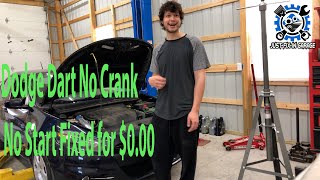
- YouTube channel 'Matt's Garage' (2013 Dodge Dart 2.0L) — No crank, no start. The owner drove to a store, and the car would not start afterward with no prior warning.
❌ Tried (didn't work) Replacing the starter motor.
✅ What actually fixed it The problem was a bad engine ground. The ground strap running from the driver's side frame rail to the engine block was corroded. Cleaning the contact points of the ground strap restored the connection and fixed the no-start issue for $0. - Reddit user on r/dodgedart (2015 Dodge Dart SE) — Flashing odometer after installing an aftermarket radio.
❌ Tried (didn't work) Taking it to the dealer, who said they could not perform a proxy alignment with an aftermarket radio installed.
✅ What actually fixed it The confirmed fix for a flashing odometer is to perform a 'Proxy Alignment' using software like AlfaOBD and a compatible OBDII interface (like OBDLink MX+). This procedure re-synchronizes the car's modules, resolving the configuration mismatch caused by the new radio.
"I Checked Everything" — The Actual Cause
- In the context of this electrical code, a common misdiagnosis pattern is replacing a component based on a symptom (e.g., replacing the starter for a no-crank) when the root cause is a faulty electrical supply. In one documented case, a 2013 Dart would not crank, and a new starter did not fix the issue. The actual cause was a corroded engine-to-frame ground strap, which was not immediately obvious but prevented the starter and other systems from receiving adequate power.
OEM Part Supersession History
RL150663AD→5150955AC— Standard part revision and update by the manufacturer.
Heads up: While not explicitly stated for this part, replacing a PCM always requires VIN programming and a subsequent Proxy Alignment to ensure compatibility with the specific vehicle's options and other modules.
Model Year Variations Within This Range
- 2016: Even the final model year of the Dart was subject to software issues. A specific TSB was released for the 2016 2.4L model to address P1607, P2610, and a host of other codes via a PCM software update, indicating ongoing firmware refinements throughout the car's production life.
Helpful Videos
Used OEM Parts in Stock


New Aftermarket Parts Available


The information in this article is provided for general reference and educational purposes only. Vehicle specifications, procedures, and part compatibility can vary by production date, trim level, and region. Always consult your vehicle's factory service manual and verify part numbers before purchasing or performing repairs. Safety-critical components such as airbags, seat belts, and braking systems should be installed by a qualified professional.
- Dodge DART:
- 🎬 Helpful Videos
- 🛍️ Shop This Part
- What's Unique About the 2013-2016 Dodge DART
- Diagnostic Flowchart
- Symptoms You May Notice
- Most Likely Causes
- Rare But Worth Checking
- Diagnosis Steps
- Parts You'll Likely Need
- Related Codes That Often Appear With This One
- Technical Service Bulletins (TSBs) & Recalls
- Platform-Specific Known Issues
- Mechanic-Grade Diagnostic Values
- Scan Tool Commands That Help
- Wiring & Ground Locations
- Real Owner Repair Stories
- "I Checked Everything" — The Actual Cause
- OEM Part Supersession History
- Model Year Variations Within This Range
- 🎟️ Get 5% Off