

P1605 on 2012-2015 Toyota Sequoia: Rough Idle Causes and Fixes
On a 2012-2015 Sequoia with the 5.7L Flex Fuel (3UR-FBE) engine, code P1605 is almost always caused by an ECM software glitch that incorrectly calculates the fuel's alcohol content. The primary fix is a dealer-installed software update, as specified in Toyota Technical Service Bulletin T-SB-0058-13. A temporary fix is to reset the learned value using a bidirectional scan tool.
- P1605 on a 2012-2015 Sequoia 5.7L Flex Fuel is almost certainly a software issue, not a failed mechanical part.
- The first diagnostic step should be checking the 'Alcohol Density Estimate' with a scan tool.
- The permanent fix is a one-time ECM software update from a Toyota dealer per TSB T-SB-0058-13.
- A temporary DIY fix is possible by resetting the 'Fuel Density Learning Value' with a capable bidirectional scan tool.
- Do not replace expensive components like fuel pumps or sensors before addressing this known software issue.
What's Unique About the 2012-2015 Toyota SEQUOIA

This issue is highly specific to 2012-2015 Sequoias and their platform-mate, the Toyota Tundra, when equipped with the 5.7L V8 Flex Fuel engine (3UR-FBE). The ECM in these vehicles can incorrectly learn and store a high alcohol density value, sometimes as high as 85%, even when running on standard E10 gasoline. This false high reading causes the ECM to adjust fuel delivery for E85, leading to a rich fuel mixture (e.g., long-term fuel trims of -27%), rough idle, and difficulty starting. Toyota acknowledged 🎬 Learn more about common causes for the P1605 rough idle code. this logic flaw and issued a technical service bulletin (T-SB-0058-13) with a software update to correct it. This TSB was later superseded by T-SB-0166-19, which expanded the model years and also included the potential for fuel pump replacement alongside the software update.
Diagnostic Flowchart

Tap your situation to follow the diagnostic path that matches what you're seeing on this vehicle.
Symptoms You May Notice
- Rough, unstable, or shaking idle, especially on cold starts
- Check Engine Light is on
- Extended cranking time (long crank), especially on cold starts.
- Possible stalling shortly after starting
- Strong fuel smell from the exhaust due to a rich mixture.
- Reduced fuel economy (MPG).
- Replacing spark plugs or ignition coils
- Replacing the Mass Airflow (MAF) sensor
- Replacing fuel injectors
- Replacing the fuel pump without first confirming the software/alcohol density issue.
Most Likely Causes

- ECM Software Requires Update 🔴 High Probability A known logic flaw in the original ECM software causes it to gradually 'learn' an incorrect, high alcohol fuel density over time, even with regular gasoline. This is the subject of Toyota TSB T-SB-0058-13 and its superseding bulletin, T-SB-0166-19.
How to confirm: Use an advanced scan tool (like Toyota Techstream) to view the 'Alcohol Density Estimate' data PID. If the vehicle has regular gasoline in the tank but the value is high (e.g., over 15-20%), this is the cause. A dealer can also check your VIN to see if the TSB software update has already been applied.
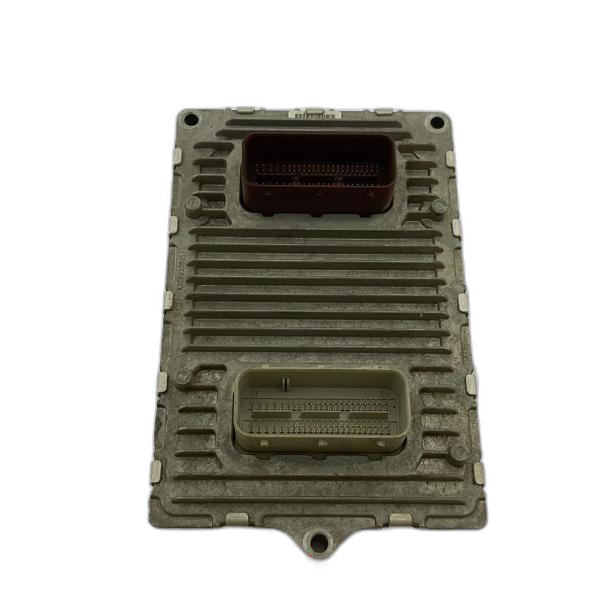
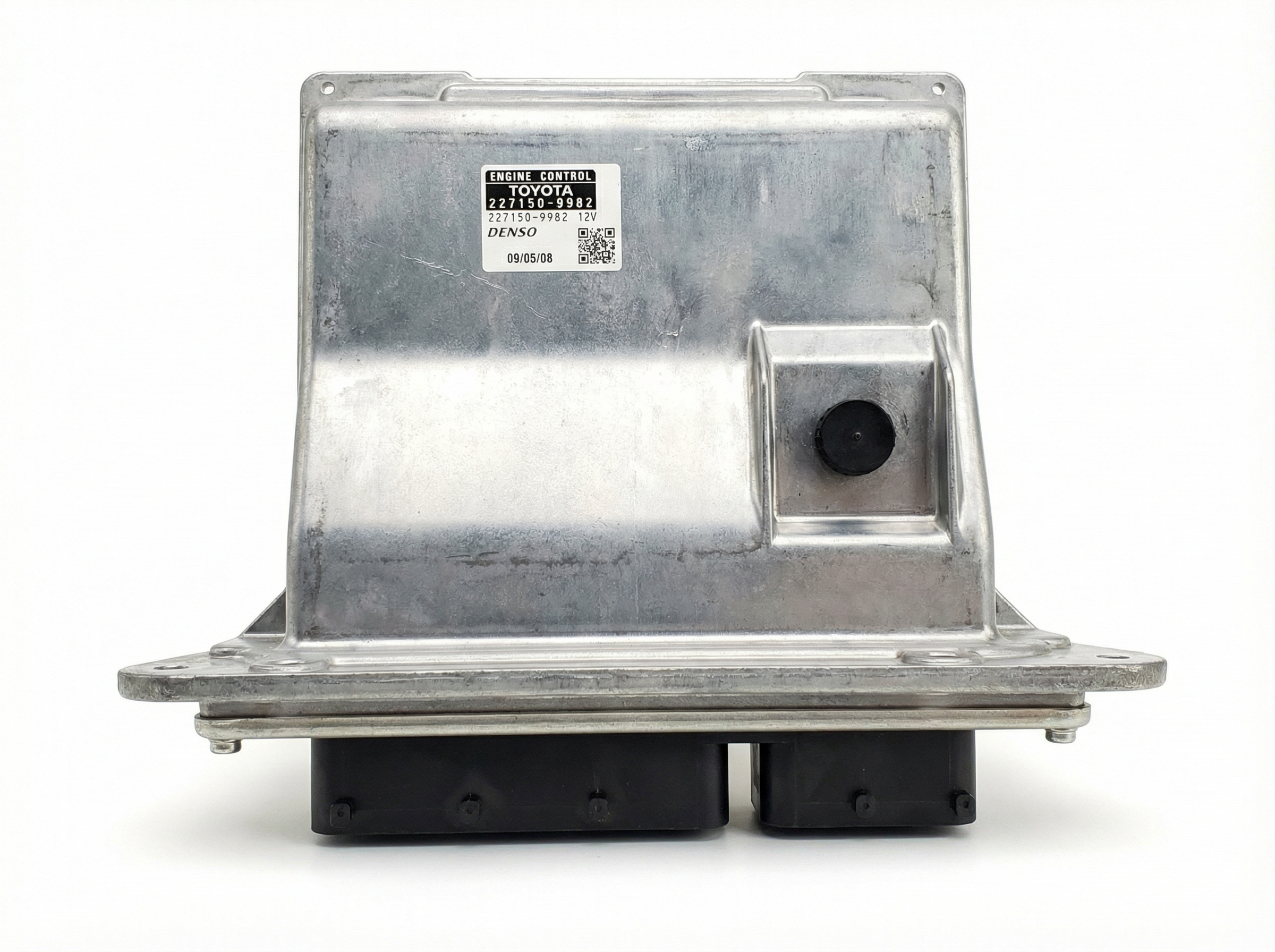
Typical fix: The ECM must be reprogrammed (reflashed) with updated software by a Toyota dealer or qualified independent shop. The ECM should not be replaced for this issue. The TSB is covered under the 8-year/80,000-mile federal emissions warranty.
Est. part cost: $0 - Fuel Alcohol Learning Value Needs Reset 🟡 Medium Probability As a temporary fix, or if the software update was performed but the value was not reset, the learned alcohol value can be manually cleared. This is a very common DIY and independent shop repair.
How to confirm: Check the 'Alcohol Density Estimate' value with a capable scan tool. If it's high (e.g., 65% or 85%), a reset is warranted. This will also typically correspond with very negative long-term fuel trims, such as -23%.
Typical fix: Use a bidirectional scan tool to perform a 'Fuel Density Learning Value Reset' function. This sets the value back to zero and resets fuel trims. Owners have confirmed success with tools like the Launch CRP919E, Autel MK808S, and XTOOL D7/D8. This is often a successful fix, though the value may creep up again over time if the underlying software logic isn't updated.
Est. part cost: $0 - Vacuum Leak ⚪ Low Probability While not specific to this platform, any vehicle can develop cracks in vacuum hoses over time, leading to unmetered air entering the engine and causing a rough idle. This should be investigated if the alcohol density value is normal.
How to confirm: Perform a visual inspection of all vacuum lines for cracks or disconnections. A smoke test is the most effective way to find hidden leaks.
Typical fix: Replace the cracked or broken vacuum hose.
Est. part cost: $10-$50
Rare But Worth Checking
- Dirty Throttle Body: Carbon buildup around the throttle plate can restrict airflow at idle, causing instability. While less likely to be the primary cause of P1605 on this vehicle, cleaning it is simple maintenance that can resolve minor idle issues and is sometimes recommended by dealers alongside the P1605 fix.
- Failing Fuel Pump or Clogged Fuel Filter: While the TSB is the most likely cause, a genuine fuel delivery problem can also cause a rough idle. In some cases, owners have reported that even after the reflash, the issue returned and was only resolved by replacing the fuel pump, which is part of a later, related TSB (T-SB-0166-19). This should be investigated only after the software and alcohol density issues have been ruled out.
Diagnosis Steps
- Connect a scan tool and confirm P1605 is present. Note any other codes like P1604 or P017x.
- Using an advanced scan tool, access the live data stream and view the 'Alcohol Density Estimate' or 'Alcohol concentration estimate' value.
- If the value is high (e.g., >15%) and you are using standard gasoline, the issue is confirmed to be related to the flex-fuel calculation. Values are often seen as high as 85%.
- Contact a Toyota dealer with your VIN to determine if TSB T-SB-0166-19 (which supersedes T-SB-0058-13) is applicable and if the software update has already been performed. Check for an 'Authorized Modifications Label' under the hood.
- If the update has not been performed, the recommended fix is to have the dealer reprogram the ECM. This repair is covered under the 8-year/80,000-mile federal emissions warranty.
- If the software is up-to-date, or for a DIY/temporary fix, use a bidirectional scan tool to perform a 'Fuel Density Learning Value Reset'. This function is available on tools from Launch, Autel, XTOOL, and others.
- After the reset, clear all codes. The scan tool should show the alcohol density at 0%. Start the engine (it should start normally) and monitor long-term fuel trims to ensure they return from a large negative value to near 0%.
- If the idle is still rough and the alcohol density was not high, proceed with standard rough idle diagnostics, such as a smoke test for vacuum leaks and checking the throttle body and ignition system.
Parts You'll Likely Need
- ECM Reprogramming (Labor) — This is not a physical part, but the labor to perform the software update that corrects the root cause of the problem as per Toyota's TSB. Owners report dealer costs between $150 and $250 if not covered by warranty.
OEM price range: $150-$250
Aftermarket price range: $150-$250 - Bidirectional Scan Tool — For DIY repair, a bidirectional scan tool capable of performing the 'Fuel Density Learning Value Reset' is required. This is a one-time tool purchase that can resolve the issue without a dealer visit. Prices range from $350-$500 for capable models.
Trusted brands: Launch CRP919E, Autel MK808S, XTOOL D7
Aftermarket price range: $350-$500
Related Codes That Often Appear With This One
- P1604 — P1604 means 'Startability Malfunction'. It often appears with P1605 because the incorrect fuel mixture that causes the rough idle also makes the engine difficult to start, causing extended cranking.
- P0172 / P0175 — These codes mean 'System Too Rich'. They are triggered because the ECM, thinking there is high-alcohol fuel, injects too much gasoline for the actual air/fuel ratio, creating a rich condition.
- P0171 / P0174 — These codes mean 'System Too Lean'. While less common, they are also listed in the TSB as potential companion codes as the ECM struggles to adapt, or if a large vacuum leak is the true underlying cause.
Technical Service Bulletins (TSBs) & Recalls
- T-SB-0058-13 Rev2: (December 11, 2014) Supersedes previous versions. Addresses P1605, P1604, and lean/rich codes on 2012-2015 Sequoia/Tundra with the 3UR-FBE engine by providing an ECM software update to correct the alcohol density calculation.
- T-SB-0166-19 Rev1: (January 23, 2020) Supersedes T-SB-0058-13. Expands the model year range and may involve replacing the fuel pump in addition to the ECM reprogram to fully address startability issues and incorrect alcohol density readings.
Platform-Specific Known Issues
- As per Toyota Technical Service Bulletin T-SB-0058-13, Rev2, some 2012–2015 Sequoias with the 3UR-FBE engine may exhibit a MIL 'ON' with DTC P1605 (Rough Idling) and/or other codes after starting. The bulletin states that 'Alcohol Density Estimate values may be high even though the vehicle was fueled with regular fuel' and confirms the fix is to reprogram the ECM with updated logic. The TSB explicitly states the ECM should NOT be replaced for this repair. This TSB was later superseded by T-SB-0166-19 Rev1, which expanded the scope and procedure.
Mechanic-Grade Diagnostic Values
- Alcohol Density Estimate (on E0-E10 fuel) — expected: < 15%. Failure: ≥ 15%. Values as high as 85% are commonly reported by owners.
- Long Term Fuel Trim (at idle) — expected: Near 0% (+/- 5%). Failure: ≤ -10%. Values as low as -23% have been reported by owners before a reset.
- Engine RPM at idle stall trigger — expected: Stable idle above 500 RPM. Failure: Drops to 400 RPM or less, 5 seconds after engine start.
- Battery Voltage for ECM Reprogramming — expected: Maintained at 13.5 volts. Failure: Voltage below 13.5V can cause the reflash to fail.
Scan Tool Commands That Help
- Toyota Techstream: Powertrain / Engine and ECT / Utility / Fuel Density Learning Value Reset — This is the official OEM tool command used to reset the learned alcohol percentage to 0%. It should be performed after an ECM reflash or as a standalone temporary fix for the rough idle and starting issues.
- Launch CRP919E (example): Diagnose > Toyota > ECM-ECT (engine) > Special Functions > Fuel Density Learning Value Reset — This is an example of the path on a popular aftermarket bidirectional tool used by DIYers to reset the alcohol value to 0% and resolve the P1605 code without a dealer visit.
Wiring & Ground Locations
- ECM (Engine Control Module) — Located on the right side of the dash.. This is the computer that stores the faulty alcohol learning value and requires the software update. Physical access is not typically needed for the reflash repair.
- Ground Points A3, A4 — Located in the right side of the engine compartment.. These are primary ground points in the engine bay. While not a common cause for this specific TSB-related issue, a poor ground connection here could cause a variety of erratic engine management behavior, including rough idle.
- Ground Point H3 — Located in the right kick panel area, near the ECM.. This is an interior ground point near the ECM. A fault here could potentially affect ECM operation, although it is an unlikely cause for P1605 compared to the software issue.
Real Owner Repair Stories
- Tundras.com Forum User (2013 Toyota Tundra 5.7L Flex Fuel (Crewmax), 67,500 miles) — Long crank to start, rough idle, poor gas mileage.
❌ Tried (didn't work) Considering going to the dealer for a reflash., Considering using unlicensed Techstream software.
✅ What actually fixed it Purchased a Launch CRP919E bidirectional scan tool, found the Alcohol Fuel Density Level at 85%, and used the 'Fuel Density Learning Value Reset' special function. The value reset to 0% and the truck started normally with a smoother idle and better MPG. - Tundras.com Forum User (via blog) (Toyota Tundra (year not specified)) — Cold start issues, rough idle.
❌ Tried (didn't work) Initial diagnosis pointed to the common alcohol density issue.
✅ What actually fixed it Performed the 'Fuel Density Learning Value Reset' using an XTOOL D7S scan tool. This reset the long-term fuel trim from -23% to 0% and the truck started up perfectly on a cold start. - Tundras.com Forum User (Toyota Tundra (year not specified)) — Extended crank, high alcohol density reading.
❌ Tried (didn't work) Resetting the alcohol density with Techstream would only work for a couple thousand miles before the issue returned.
✅ What actually fixed it The user had the dealer perform the updated TSB (from March 2019, which would be T-SB-0166-19). However, the user reports the issue still came back after 3,000 miles, indicating that for some vehicles, even the reflash may not be a permanent solution.
When the Usual Fixes Don't Work
- While the vast majority of P1605 cases on these vehicles are resolved by addressing the alcohol density calculation via software update or reset, some owners report the issue returning even after the official TSB reflash was performed by a dealer. In these instances, the superseding TSB T-SB-0166-19 suggests the next step is to investigate and potentially replace the fuel pump assembly, indicating a more complex interaction between software logic and fuel system hardware than initially addressed.
OEM Part Supersession History
T-SB-0058-13→T-SB-0166-19— The original TSB was made obsolete. The new TSB expands the range of affected model years and introduces a more comprehensive repair procedure that may include replacing the fuel pump assembly in addition to reprogramming the ECM.
Helpful Videos

We Have This Part in Stock



The information in this article is provided for general reference and educational purposes only. Vehicle specifications, procedures, and part compatibility can vary by production date, trim level, and region. Always consult your vehicle's factory service manual and verify part numbers before purchasing or performing repairs. Safety-critical components such as airbags, seat belts, and braking systems should be installed by a qualified professional.
- Toyota SEQUOIA:
- 🎬 Helpful Videos
- 🛍️ Shop This Part
- What's Unique About the 2012-2015 Toyota SEQUOIA
- Diagnostic Flowchart
- Symptoms You May Notice
- Most Likely Causes
- Rare But Worth Checking
- Diagnosis Steps
- Parts You'll Likely Need
- Related Codes That Often Appear With This One
- Technical Service Bulletins (TSBs) & Recalls
- Platform-Specific Known Issues
- Mechanic-Grade Diagnostic Values
- Scan Tool Commands That Help
- Wiring & Ground Locations
- Real Owner Repair Stories
- When the Usual Fixes Don't Work
- OEM Part Supersession History
- 🎟️ Get 5% Off